Source High Flexibility Stress Relief Stickers for decoration, gifts, and shopping
Explore 30 listings for High Flexibility Stress Relief Stickers made from PEVA, vinyl, and other materials. Buyers can compare customization options, sizes, and MOQs from suppliers in Guangdong, China.
Key considerations
Products List
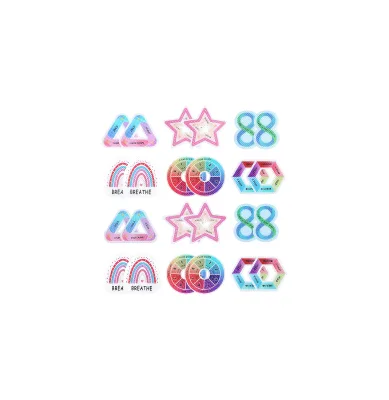
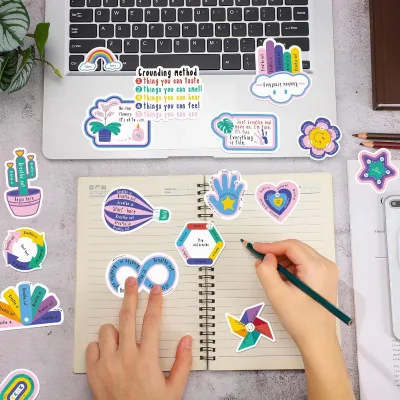
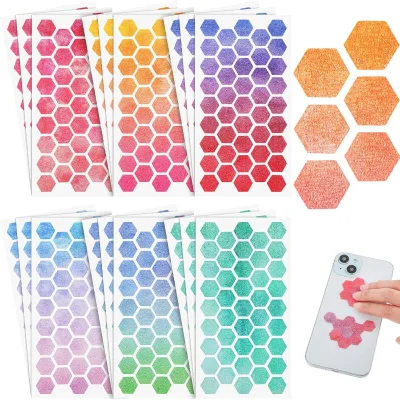
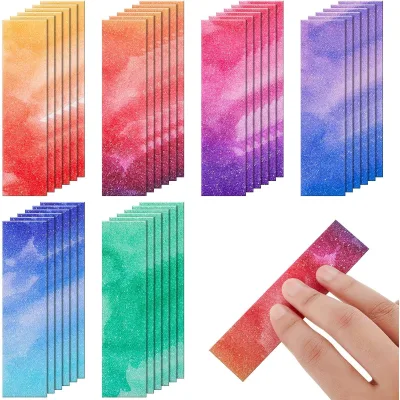

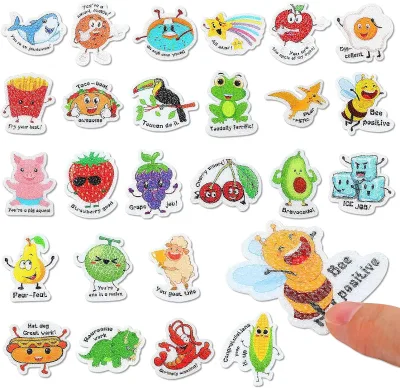
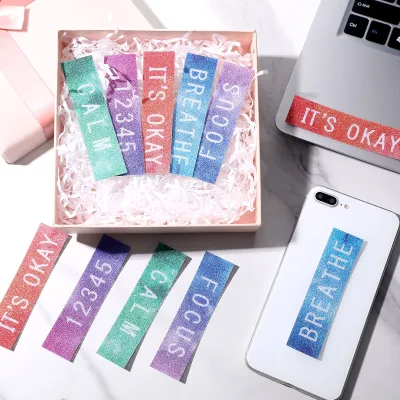
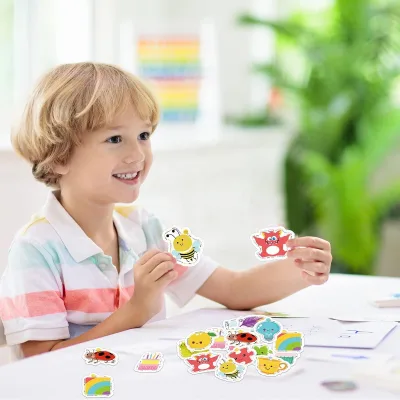
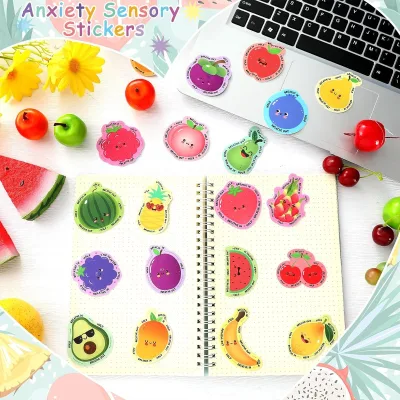
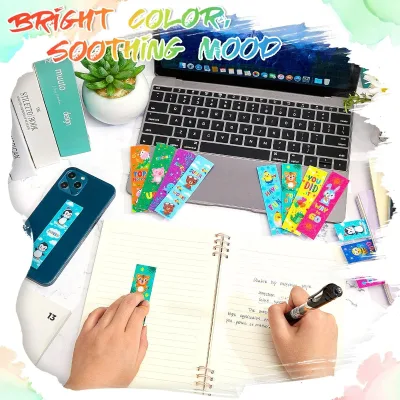
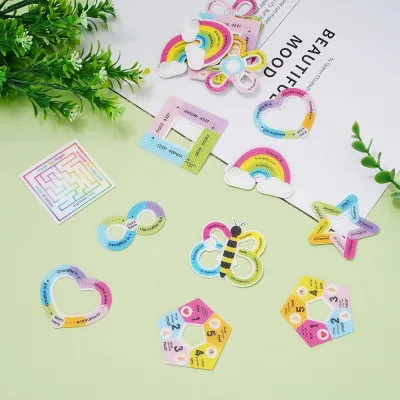
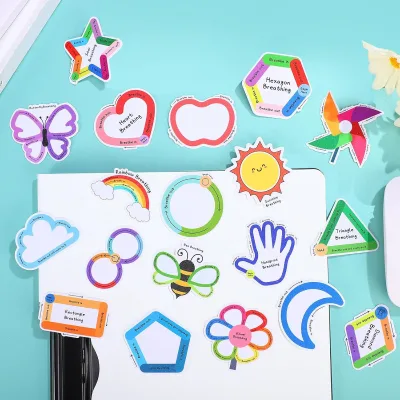
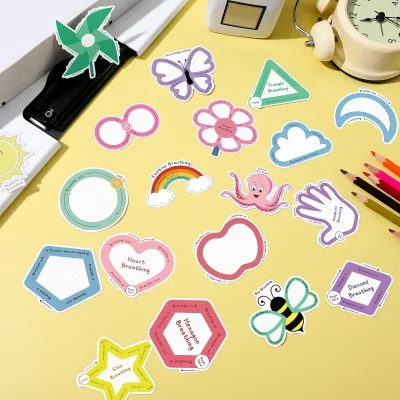
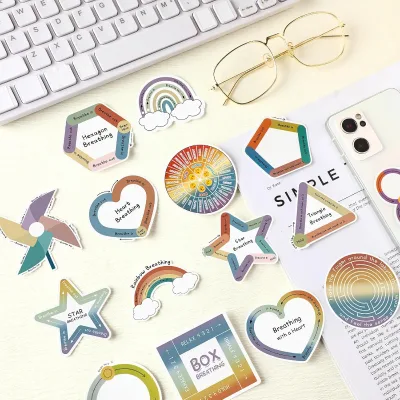
Custom Stickers Mental Health Awareness Sticker Cartoon Cute Motivational Stickers
$0.15 - $0.80
MOQ: 50 Pieces




Comprehensive Sourcing Guide
Strategic Sourcing Guide for High Flexibility Stress Relief Stickers
Understanding Product Specifications and Material Composition
When sourcing High Flexibility Stress Relief Stickers, the primary objective is to identify products that balance tactile satisfaction with structural durability. The core functionality of these items relies heavily on the material composition, which dictates how the sticker responds to pressure and whether it retains its shape after repeated manipulation. Based on current market observations, the dominant material category for these products is PEVA (Polyethylene Vinyl Acetate) or a composite of Vinyl and PEVA. These materials are selected specifically for their ability to offer a soft, squishy texture while maintaining the adhesive integrity required for surface application.
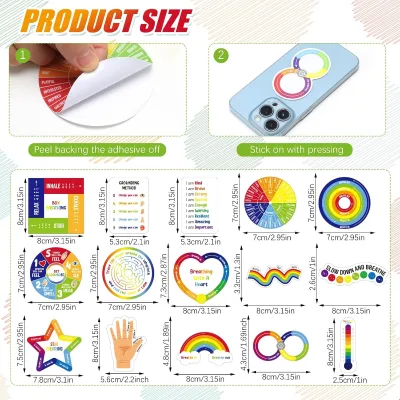
The physical dimensions of the stickers vary significantly depending on the intended application. Observed specifications indicate a range of sizes, from compact 8mm units to larger formats measuring approximately 2.8 by 1.7 inches or 3 inches in diameter. For procurement planning, it is essential to note that some suppliers offer custom sizing, while others provide standard dimensions. The thickness of the material is another critical specification; a thickness of 1mm is frequently observed, which provides sufficient volume for the stress-relief effect without making the sticker too bulky for standard packaging or shipping.
The adhesive component is equally vital. High-quality stress relief stickers typically utilize a universal strong adhesive that ensures the item stays in place on various surfaces, including laptops, notebooks, and smooth walls. The product features often highlight attributes such as being waterproof, oil-proof, and writable. These characteristics ensure that the sticker can withstand environmental exposure and allow for personalization, which is a common requirement in promotional contexts. The single gross weight of these items is generally low, ranging from 0.001 kg to 0.100 kg per unit, which simplifies logistics and reduces shipping costs, particularly when ordering in bulk.
Customization Capabilities and Design Flexibility
One of the most significant advantages of sourcing stress relief stickers is the extensive customization potential available to buyers. The market data confirms that customization is not only accepted but is a standard offering for most suppliers. Buyers can request OEM (Original Equipment Manufacturer) and ODM (Original Design Manufacturer) services, allowing for complete control over the product's aesthetic and functional properties. This includes the ability to customize the shape, with options ranging from standard geometric forms to highly specific, irregular designs tailored to brand identity.
Printing capabilities are a major driver of value in this category. Suppliers typically support a wide array of printing techniques, including offset, UV, digital, color, and laser printing. This variety allows for high-fidelity reproduction of logos, intricate patterns, and vibrant colors. The color palette is not limited; observed examples include yellow and red, but the material properties allow for virtually any color request. Furthermore, the surface of the sticker is often treated to be writable, enabling end-users to add notes or messages directly onto the product.
The branding aspect is also highly flexible. Buyers can request custom logos to be printed on the stickers, turning a simple stress-relief item into a powerful marketing tool. The packaging can also be customized, with options ranging from simple individual bags to more elaborate presentation boxes. However, buyers must be aware that while sample provision is generally available to verify quality and design, the minimum order quantity (MOQ) for customized runs can vary. Some suppliers set an MOQ of 50 pieces for smaller custom runs, while others may require 1,000 pieces or more to accommodate the setup costs for specialized printing and molding.
Cost Drivers and Pricing Dynamics
The pricing structure for High Flexibility Stress Relief Stickers is influenced by several interconnected factors, primarily material costs, customization complexity, and order volume. The observed price range in the market spans from $0.01 to $2.60 per unit. This wide variance is not indicative of quality differences alone but reflects the scale of production and the level of customization involved.
At the lower end of the spectrum, prices typically correspond to standard, non-customized items with minimal design requirements and high-volume production runs. As customization increases—such as adding specific shapes, complex multi-color printing, or unique packaging—the unit cost tends to rise. The material choice also plays a role; while PEVA and Vinyl are cost-effective, the use of composite materials like Vinyl+PEVA may slightly alter the cost structure depending on the supplier's sourcing strategy.
Order volume is perhaps the most significant determinant of the final price. Suppliers often employ tiered pricing models where the per-unit cost decreases as the order quantity increases. For instance, an order of 50 pieces might carry a higher per-unit cost compared to an order of 50,000 pieces. Buyers should also consider the impact of the MOQ on their total budget. While some suppliers offer low MOQs of 50 pieces, which is ideal for testing the market or small promotional campaigns, larger orders often unlock better pricing tiers. Additionally, the lead time can indirectly affect costs; expedited delivery requests may incur premium charges, whereas standard lead times of 7 to 20 days are typically included in the base price.
Typical Applications and Industrial Use Cases
High Flexibility Stress Relief Stickers serve a diverse range of industrial and commercial applications, making them a versatile product for various procurement needs. The primary industrial use cases identified include decoration, gifting, and promotional activities. In the context of decoration, these stickers are frequently applied to laptops, notebooks, and personal electronics to add a tactile and visual element to the device. Their waterproof and adhesive properties ensure they remain intact in everyday use environments.
The "Gift" category is another significant application area. The tactile nature of stress relief stickers makes them popular as corporate gifts, trade show giveaways, or promotional items for retail events. The ability to customize the logo and design allows companies to create branded merchandise that resonates with recipients on an emotional level, providing a moment of relief and engagement. The "Shopping" and "Promotion" uses further expand their utility, where they can be used as incentives for customer loyalty programs or as part of a larger marketing campaign.
The versatility of the product also extends to its use as a functional tool. The writable surface allows users to jot down quick reminders or notes, adding a layer of utility beyond simple stress relief. The adhesive strength ensures that the sticker can be repositioned or removed without leaving residue, which is a key feature for users who frequently change the location of their stickers. This adaptability makes the product suitable for a wide demographic, from students and office workers to corporate clients and retail consumers.
Supplier Evaluation and Quality Assurance
When evaluating potential suppliers for High Flexibility Stress Relief Stickers, buyers must focus on specific criteria that indicate reliability and quality. The place of origin is a relevant factor, with Guangdong, China, being a prominent hub for this type of manufacturing. This region is known for its robust supply chain and expertise in plastic and adhesive product manufacturing. However, the location alone does not guarantee quality; buyers should verify the supplier's production capabilities and quality control processes.
Key indicators of a reliable supplier include the ability to provide samples prior to bulk ordering. The availability of samples allows buyers to physically inspect the product for texture, adhesive strength, and print quality. Buyers should also verify the supplier's responsiveness to customization requests and their ability to meet specific design requirements. The presence of a clear model number system, such as 20251206 or 20-0706, can indicate a structured product catalog and a commitment to maintaining consistent product lines.
Quality assurance should also encompass the verification of material safety and durability. While specific certification data is not provided in the general market overview, buyers should request documentation regarding the safety of the materials used, particularly if the stickers are intended for children or sensitive environments. The consistency of the adhesive is another critical quality metric; buyers should test the sticker's ability to adhere to various surfaces without peeling or leaving residue. Additionally, the packaging quality should be assessed to ensure that the stickers arrive in good condition, free from damage or deformation.
Long-Term Procurement Considerations and Logistics
For buyers planning long-term procurement strategies, several logistical and operational factors must be considered to ensure a sustainable supply chain. The lead time for production is a critical variable, with standard delivery times ranging from 7 to 20 days. Buyers should factor this into their inventory planning to avoid stockouts, especially during peak promotional seasons. It is advisable to establish a relationship with the supplier that allows for flexible lead times, particularly if rush orders become necessary.
Inventory management is another important consideration. Given the low single gross weight of the products, storage costs are generally minimal. However, the variety of sizes and customization options can complicate inventory tracking. Buyers should implement a robust system to manage different SKUs, ensuring that popular designs and sizes are always in stock. The packaging format, typically individual bags, simplifies storage but also requires attention to space optimization if large quantities are ordered.
Sustainability and environmental impact are increasingly relevant in procurement decisions. While the materials used, such as PEVA and Vinyl, are durable, buyers should inquire about the recyclability of the products and the environmental practices of the supplier. The ability to customize the product also allows buyers to align the procurement with corporate social responsibility goals, such as using eco-friendly inks or packaging materials. Finally, maintaining a clear communication channel with the supplier is essential for addressing any quality issues or changes in demand, ensuring a smooth and efficient procurement process over the long term.
Comparative Analysis of Product Attributes
To facilitate a clearer understanding of the variations available in the market, the following table summarizes key attributes observed across different product listings. This comparison highlights the diversity in specifications, materials, and customization options that buyers can expect.
| Attribute | Observation 1 | Observation 2 | Observation 3 | Observation 4 |
|---|---|---|---|---|
| Material | PEVA | PEV/EVA | Vinyl + PEVA | Custom (PE/PP/PVC/Plastic) |
| Size | 2.8 x 1.7 inches | 3 inches | 8 mm | Custom |
| Thickness | Not specified | Not specified | 1 mm | Not specified |
| Adhesive | Universal Strong Adhesive | Universal Strong Adhesive | Universal Strong Adhesive | Universal Strong Adhesive |
| Features | Waterproof/Texture/Adhesive | Waterproof/Oil proof/Writable | Waterproof/Oil proof/Writable | Waterproof/Oil proof/Writable |
| MOQ | 1000 | 1000 | 50 | 1000 |
| Printing | Offset/UV/Digital/Color | Offset/UV/Digital/Color | Customized | Customized |
| Industrial Use | Decoration | Gift | Shopping/Gift/Promotion | Custom |
| Sample | Provided | Provided | Provided | Provided |
| Lead Time | 7-20 Days | 7-20 Days | 7-20 Days | 7-20 Days |
This table illustrates that while there is significant variation in material composition and size, core features like waterproofing, adhesive strength, and customization availability remain consistent. Buyers can use this data to prioritize their requirements, focusing on the attributes that are most critical for their specific use case, such as material safety for children's products or high-volume customization for corporate branding. By carefully evaluating these attributes against their procurement goals, buyers can make informed decisions that align with their strategic objectives.
FAQs
Can I customize the shape and logo of these stickers?
Yes, customization for shape and logo is available for most orders. Buyers can request OEM or ODM services to tailor designs, with printing options including offset, UV, digital, and laser techniques to ensure high-quality brand reproduction on the product surface.
What is the minimum order quantity for these stickers?
The minimum order quantity varies by supplier, ranging from 50 pieces to 10,000 pieces depending on the specific product line. Some vendors accept low MOQs of 50 for custom runs, while others require 1,000 pieces or more to accommodate specialized printing and molding setup costs.
How long does it take to receive an order?
Standard delivery times typically range from 7 to 20 days after order confirmation. Buyers should factor this lead time into their inventory planning, as expedited delivery requests may incur additional charges while standard production cycles are included in the base price.
What materials are used to make these stress relief stickers?
The primary materials used are PEVA, Vinyl, or a composite of Vinyl and PEVA. These materials are selected for their soft texture and durability, with some listings specifying a thickness of 1mm to provide the desired stress-relief effect without being too bulky.
Are samples available for quality verification before bulk orders?
Yes, samples are generally provided to allow buyers to verify product quality and design before committing to large orders. This feature enables purchasers to physically inspect the texture, adhesive strength, and print fidelity to ensure the product meets their specific requirements.
What is the price range for these stickers per unit?
The observed price range spans from 0.01 to 2.60 USD per unit, depending on volume and customization. Lower prices typically correspond to standard, high-volume items, while complex designs, unique shapes, or smaller order quantities tend to increase the per-unit cost significantly.
Where are these products manufactured?
These products are manufactured in Guangdong, China, a prominent hub for plastic and adhesive product manufacturing. This location offers a robust supply chain and expertise in producing high-flexibility items, though buyers should verify specific supplier quality control processes.