Source High Performance Engine Parts for Auto, Machinery, and Motorcycles
Compare 30 listings for High Performance Engine Parts sourced from China. Buyers can evaluate options including CNC machining, casting, and ISO9001 certified components for auto, machinery, and motorcycle accessories with customizable specifications.
Key considerations
Products List


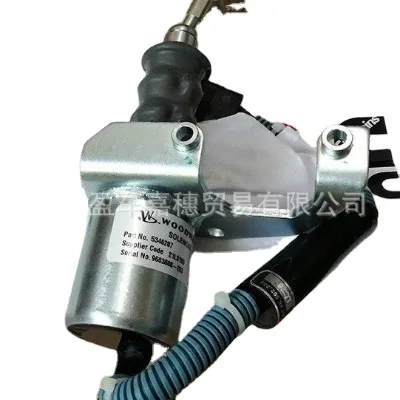
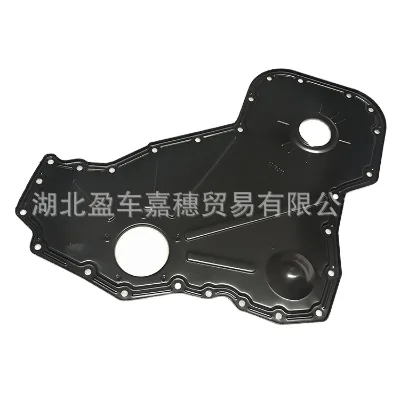


$1.45 - $1.75
MOQ: 1000 Pieces
Comprehensive Sourcing Guide
Strategic Sourcing Framework for High Performance Engine Components
The procurement of high-performance engine parts requires a rigorous approach that balances technical precision with supply chain reliability. In the current global market, buyers must navigate a complex landscape where specifications vary significantly between suppliers, and the definition of "high performance" is often tied to specific application requirements rather than generic marketing claims. This guide outlines a disciplined methodology for sourcing these critical components, focusing on material integrity, manufacturing processes, and compliance verification. The objective is to equip procurement professionals with the necessary framework to evaluate suppliers and products based on observable facts rather than unverified assertions.
Technical Specifications and Material Integrity
The foundation of any high-performance engine part lies in its material composition and the precision of its manufacturing process. When evaluating potential suppliers, the primary focus must be on the raw materials used, as these dictate the component's durability, thermal resistance, and load-bearing capacity. Observed market data indicates a diverse range of materials utilized in this sector, including iron, aluminum, copper, various alloys, brass, plastic, steel, and nylon. The selection of a specific material is not arbitrary; it is driven by the functional requirements of the engine part. For instance, aluminum is frequently cited for its lightweight properties and heat dissipation capabilities, making it suitable for cylinder heads and blocks, while iron and steel are often preferred for high-stress components requiring superior tensile strength.
Beyond the base material, the machining method is a critical determinant of quality. The industry standard for high-precision components is CNC (Computer Numerical Control) machining, which allows for tight tolerances and complex geometries that are difficult to achieve through traditional methods. Specific capabilities such as 5-axis CNC machining are increasingly important for producing parts with intricate contours, such as stepped shafts or straight machining profiles. The production type is typically mass production, ensuring that volume requirements can be met without compromising consistency. Buyers should verify that the supplier utilizes advanced machinery capable of handling the specific axis shapes and stiffness requirements, such as rigid axles or central spindle loads, which are essential for maintaining performance under high operational stress.
Compliance, Certification, and Regulatory Standards
Navigating the regulatory landscape is a non-negotiable aspect of sourcing engine parts, particularly for applications in automotive, machinery, and hardware tools. Compliance ensures that the components meet safety and environmental standards required by various jurisdictions. A primary verification point for buyers is the certification status of the supplier. Common certifications observed in this sector include ISO9001, which validates the supplier's quality management systems, and specific regional standards such as CE, ISOCOP, and CCC. These certifications are not merely badges of honor; they represent a commitment to consistent quality control and adherence to international norms.
Furthermore, discharge standards and production standards play a pivotal role in determining the suitability of a part for specific markets. For engine components, the Euro V standard is a significant benchmark for emissions and performance, indicating that the part meets stringent environmental regulations. In other contexts, the China GB Code serves as the local standard for manufacturing and quality assurance. Buyers must ensure that the supplier's products align with the specific discharge and production standards required by their end markets. It is crucial to note that standards can vary; some products may be subject to actual conditions or customized standards rather than a fixed universal code. Therefore, procurement teams must explicitly verify the applicable standard for each order to avoid compliance failures during import or installation.
Cost Drivers and Pricing Dynamics
Understanding the cost structure of high-performance engine parts is essential for effective budget management and negotiation. The pricing of these components is influenced by a multitude of factors, including material costs, manufacturing complexity, and order volume. The observed market data reveals a wide price range, extending from nominal values to significant figures, reflecting the diversity in part complexity and material quality. The Minimum Order Quantity (MOQ) is another critical cost driver, with observed ranges spanning from 1 to 1000 units. Lower MOQs may be available for custom or prototype runs, but they often come with a higher per-unit cost. Conversely, mass production orders typically benefit from economies of scale, reducing the unit price.
Additional cost factors include the level of customization required. Custom machining parts, which involve specific design modifications or unique material specifications, generally incur higher costs compared to standard components. The packaging method also contributes to the overall cost; options range from simple plastic trays to robust wooden boxes and polywooden cartons, each offering different levels of protection during transit. Buyers should consider the total cost of ownership, which includes not only the purchase price but also logistics, packaging, and potential after-sales service fees. Negotiation on sample costs and delivery times can also impact the final financial outcome, as some suppliers may offer flexible terms for established clients or large-volume commitments.
Typical Applications and Functional Requirements
High-performance engine parts are integral to a wide array of industries, each with its own set of functional requirements. The primary applications identified in the market include hardware tools, machinery accessories, and automotive and motorcycle accessories. Within the automotive sector, these parts are specifically designed for diesel engines, where reliability and efficiency are paramount. The functional purpose of these components often revolves around replacement and repair, ensuring that existing machinery can continue to operate at peak performance levels.
The performance characteristics of these parts are defined by several key attributes. For example, a "strenghed" fuel system and a "more capable" seal are critical for maintaining engine efficiency and preventing leaks. The quality performance metric, often cited as less than 1% failure rate, is a key indicator of reliability. Additionally, the cold style of the engine, such as water-cooled systems, influences the design and material selection of the parts. The power output, described as electronic in some contexts, suggests a need for integration with modern control systems. Buyers must align the specific application requirements with the product specifications, ensuring that the chosen parts can withstand the operational demands of the intended machinery.
Supplier Evaluation and Production Capabilities
Selecting the right supplier is a strategic decision that impacts the long-term success of procurement operations. A comprehensive evaluation should go beyond price and lead time to assess the supplier's technical capabilities and production capacity. Key indicators of a capable supplier include their ability to handle mass production while maintaining high-level quality. The use of advanced processes like CNC machining and casting is a strong indicator of technical proficiency. Buyers should verify the supplier's origin, with many high-quality components originating from regions like Jiangshu, China, known for their manufacturing expertise.
The supplier's service offerings are also a critical factor. After-sales service, typically provided for a period of one year, is essential for addressing any issues that may arise post-delivery. The availability of customization services allows buyers to tailor parts to their specific needs, ensuring a perfect fit for their machinery. Furthermore, the supplier's stock status, whether items are in stock or made-to-order, affects the lead time and project timeline. A supplier with a robust inventory of standard components can offer faster delivery, while custom orders may require a negotiation on sample production and delivery schedules. Buyers should prioritize suppliers who demonstrate transparency in their production processes and are willing to provide detailed documentation regarding their quality control measures.
Quality Control and Long-Term Procurement Considerations
Ensuring the quality of high-performance engine parts requires a proactive approach to quality control and long-term relationship management. The quality of the product is often described as "high level," but this must be substantiated through rigorous testing and inspection protocols. Buyers should request detailed test results and quality reports from suppliers to verify that the parts meet the specified standards. The appearance of the parts, described as "shining and beautiful," is a superficial indicator but should not be the sole criterion for quality; the internal integrity and performance metrics are far more important.
Long-term procurement considerations involve establishing a sustainable supply chain that can adapt to changing market conditions and technical requirements. This includes maintaining open communication channels with suppliers to stay informed about new technologies and material advancements. The ability to negotiate on sample costs and delivery times is also a valuable skill in building a resilient supply chain. Buyers should also consider the environmental impact of their procurement decisions, ensuring that suppliers adhere to sustainable practices and environmental standards. By focusing on these long-term factors, buyers can secure a reliable source of high-performance engine parts that will support their operations for years to come.
Comparative Analysis of Product Attributes
To facilitate a clearer understanding of the diverse options available in the market, the following table summarizes key product attributes observed in high-performance engine parts. This comparison highlights the variations in materials, standards, and packaging that buyers should consider during their sourcing process.
| Attribute Category | Observed Variations | Procurement Consideration |
|---|---|---|
| Body Material | Aluminium, Iron, Steel, Alloy, Brass, Plastic, Nylon | Select based on load, thermal, and corrosion requirements. |
| Manufacturing Process | CNC Machining, Casting, 5-Axis Machining | Verify capability for complex geometries and tight tolerances. |
| Certification | ISO9001, CE, ISOCOP, CCC, China GB Code | Ensure compliance with target market regulations. |
| Discharge Standard | Euro V, Subject to actual conditions | Confirm alignment with environmental and performance laws. |
| Packaging | Wooden Box, Plastic Tray, Carton Box, Polywooden Box | Choose based on shipping distance and fragility of parts. |
| Application | Diesel Engine, Auto/Motorcycle Accessory, Machinery | Match part specifications to specific engine types. |
| Lead Time | 7 Days (Standard), Negotiation (Custom) | Plan inventory and production schedules accordingly. |
| Quality Performance | <1% Failure Rate | Verify through supplier quality reports and testing data. |
This structured approach to sourcing ensures that buyers can make informed decisions based on factual data and verified capabilities. By adhering to these guidelines, procurement professionals can mitigate risks and secure high-quality engine parts that meet the demanding requirements of modern machinery and automotive applications.
FAQs
What materials are used for High Performance Engine Parts?
Parts are commonly made from iron, aluminum, copper, steel, and various alloys. Specific material selection depends on the required load capacity and thermal resistance for the intended diesel engine application.
Can I get custom machining services for these engine components?
Yes, customization is available for professional OEM and custom machining parts. Suppliers offer CNC and 5-axis machining to produce specific shapes like stepped shafts or straight profiles based on actual conditions.
Which certifications should I verify for engine part suppliers?
Look for ISO9001, CE, ISOCOP, and CCC certifications to ensure quality management compliance. These standards verify that the manufacturer adheres to international norms and specific regional safety regulations for automotive accessories.
How fast can suppliers deliver standard engine parts?
Delivery times can be as short as 7 days for items kept in stock. Mass production orders may vary, but suppliers often maintain inventory for standard components to ensure rapid fulfillment.
What is the typical minimum order quantity for these parts?
Minimum order quantities range from 1 to 1000 units depending on the supplier and customization level. Lower MOQs are often available for prototypes, while mass production benefits from larger volume commitments.
Are these parts compatible with Euro V discharge standards?
Yes, some products meet the Euro V discharge standard for emissions and performance. Buyers must verify that the specific part aligns with the required discharge standard for their target market before purchasing.
Where are these High Performance Engine Parts typically manufactured?
Many components originate from Jiangshu, China, a region known for manufacturing expertise. The production type is generally mass production, ensuring consistent quality and availability for hardware tools and machinery accessories.