Source Woodworking Drill Bit for Wood, Metal, and PCB Drilling
Source 30 Woodworking Drill Bit options including twist, core, and center bits. Compare materials like high-speed steel and solid carbide for wood, metal, and PCB applications. View specifications and request quotes from verified suppliers; compare the available evidence and request quotations based on your requirements.
Key considerations
Products List


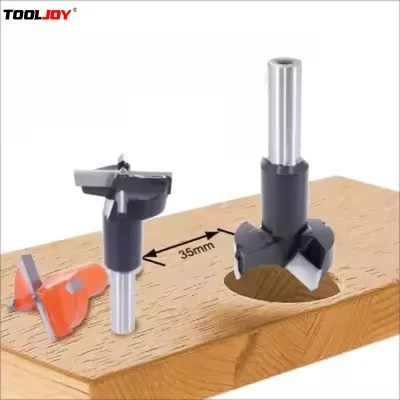


Best Quality Carbon Steel Woodworking Drill Bit with Black and White Finish
$1.50 - $2.00
MOQ: 1000 Pieces
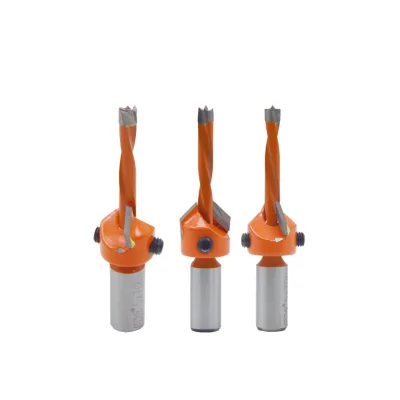
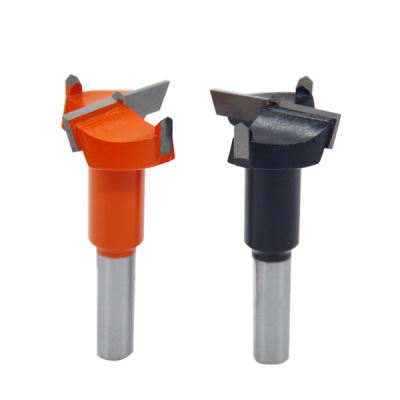


Comprehensive Sourcing Guide
Woodworking Drill Bit Sourcing Guide
Sourcing high-performance woodworking drill bits requires a nuanced understanding of material science and geometric design, as these tools directly impact production efficiency and finish quality. Buyers must distinguish between bits designed for softwoods, hardwoods, and engineered panels, as each application demands specific flute counts, tip geometries, and coating technologies. The market offers a diverse array of options, from traditional high-speed steel twist bits to advanced tungsten carbide-tipped augers, each serving distinct operational needs. Understanding these variations is critical for aligning procurement with specific machining capabilities and throughput requirements.
This guide provides a structured approach to evaluating suppliers and products based on observed market signals and technical realities. It focuses on verifying critical specifications such as shank type, diameter ranges, and material composition to ensure compatibility with existing machinery. By adhering to evidence-based verification steps, procurement teams can mitigate risks associated with tool failure, premature wear, and inconsistent hole quality. The following sections detail the essential parameters for selecting the right Woodworking Drill Bit for your manufacturing environment.
Product Scope and Observed Listing Signals
The current market landscape for woodworking drill bits reveals a wide spectrum of product types, including twist drill bits, flat wood boring bits, and core drill bits. Observed listings indicate a strong presence of customized solutions, with suppliers offering various shank configurations such as hex shanks to accommodate different chuck systems. Product models like 3080 and 3080100X suggest standardized industrial formats, while the availability of customization services highlights the flexibility of modern manufacturing to meet specific client requirements. This diversity allows buyers to source specialized tools for niche applications or standardize across multiple production lines.
Material composition is a primary differentiator, with high-speed steel and high carbon steel being prevalent choices for general-purpose drilling. Some advanced listings feature tungsten carbide or solid carbide materials, indicating a segment focused on high-wear applications or abrasive materials like MDF and particle board. The observed diameter ranges, spanning from 6mm to 40mm for certain models and 3mm to 26mm for others, demonstrate the capacity to handle both fine detail work and large-diameter hole drilling. Buyers should carefully match these material and size specifications to their intended use cases to ensure optimal performance and tool life.
Technical Specifications to Verify
Verifying the shank type and diameter is crucial for ensuring compatibility with existing drilling equipment. Hex shanks are commonly observed and offer superior torque transmission compared to round shanks, reducing the risk of slippage during high-load operations. Buyers must confirm the exact shank diameter and length to prevent interference with machine chucks or collets. Additionally, the flute diameter and flute length specifications, which may range from 3.1mm to 20mm in flute diameter and 28mm to 150mm in flute length, directly influence chip evacuation efficiency. Proper chip removal is essential to prevent overheating and ensure clean hole surfaces, particularly in deep-hole drilling applications.
The total length and overall geometry of the drill bit must align with the depth of cut required for specific projects. Observed specifications include jobber-length and stub-length variants, each offering distinct advantages in terms of rigidity and reach. Jobber-length bits provide greater flexibility and reach for deeper holes, while stub-length bits offer enhanced stability for precision work. Furthermore, the number of flutes, typically two for standard wood bits, affects cutting speed and surface finish. Buyers should verify these geometric parameters against their machine capabilities and material thickness to avoid operational bottlenecks or tool breakage.
Compliance and Safety Documentation
While specific certification statuses are not universally disclosed in all listings, buyers should prioritize suppliers who adhere to recognized international standards for tooling quality and safety. Standards such as DIN are referenced in some contexts, indicating a baseline for dimensional accuracy and material properties. Procurement teams should request documentation confirming that the drill bits meet relevant safety regulations for industrial machinery, including requirements for balance and vibration control. Ensuring compliance with these standards helps mitigate risks associated with tool failure, which can lead to equipment damage or operator injury.
Documentation should also cover material safety data sheets (MSDS) if the drill bits involve specialized coatings or treatments. Although many bits are finished in silver, gold, or black colors, the underlying material composition, such as high-speed steel or tungsten carbide, must be clearly stated to ensure proper handling and disposal. Buyers should verify that the supplier provides clear labeling and packaging information, including the product model and standard, to facilitate traceability. This level of documentation is essential for maintaining quality control records and ensuring that all tools meet the organization’s safety and operational protocols.
Cost Drivers and Commercial Terms
The cost of woodworking drill bits is influenced by several key factors, including material quality, manufacturing complexity, and customization requirements. High-speed steel and tungsten carbide materials generally command higher prices due to their superior durability and performance characteristics. Customized products, such as those with specific shank types or non-standard lengths, may incur additional setup costs and higher unit prices. Buyers should evaluate the total cost of ownership, considering factors like tool life and replacement frequency, rather than focusing solely on the initial purchase price.
Commercial terms, including minimum order quantities (MOQ) and packaging options, also play a significant role in procurement planning. Observed MOQ ranges vary from 1 to 1000 units, offering flexibility for both small-scale projects and large-volume production runs. Packaging options, such as plastic cases, wood cases, aluminum case sets, and plastic bags with color cards, impact storage and handling efficiency. Buyers should negotiate terms that align with their inventory management strategies, ensuring that packaging protects the tools during transit while minimizing storage space requirements. Clear communication regarding lead times and payment terms is essential for smooth transaction execution.
Supplier Qualification and Quality Control
Evaluating supplier qualifications is critical for ensuring consistent product quality and reliable delivery. Buyers should verify the supplier’s manufacturing capabilities, including their ability to produce specific materials like high-speed steel or tungsten carbide. Suppliers located in regions such as Shanghai and Chengdu in China are common sources, but buyers should assess their quality control processes to ensure adherence to specified standards. Requesting samples for testing is a recommended step to verify dimensional accuracy, material hardness, and cutting performance before committing to large orders.
Quality control measures should include regular inspections of raw materials, in-process checks during manufacturing, and final product testing. Suppliers offering OEM services demonstrate flexibility and a commitment to meeting specific client requirements. Buyers should inquire about the supplier’s defect rate and return policy to gauge their reliability. Additionally, verifying the supplier’s ability to provide consistent packaging and labeling ensures that products arrive in good condition and are easily identifiable. Establishing a strong relationship with a qualified supplier can lead to better pricing, priority support, and improved product quality over time.
Long-Term Procurement Checks
Establishing long-term procurement checks involves regular performance monitoring and supplier relationship management. Buyers should track key performance indicators such as tool life, breakage rates, and customer feedback to assess the ongoing suitability of the drill bits. Periodic re-evaluation of supplier capabilities ensures that they continue to meet evolving quality and delivery standards. Maintaining open communication with suppliers allows for timely resolution of issues and facilitates continuous improvement in product design and manufacturing processes.
It is also important to stay informed about industry trends and technological advancements in drill bit design. New materials, coatings, and geometries may offer improved performance or cost savings. Buyers should periodically review their inventory and usage patterns to identify opportunities for optimization. Engaging with suppliers for feedback on tool performance can provide valuable insights for future procurement decisions. By maintaining a proactive approach to supplier management and product evaluation, buyers can ensure that their woodworking operations remain efficient, cost-effective, and competitive in the long run.
FAQs
What materials are used for woodworking drill bits?
Woodworking drill bits are commonly made from High Speed Steel, High Carbon Steel, or Tungsten Carbide. These materials ensure durability and sharpness for drilling into wood. Some products also feature a Hex shank design for secure tool attachment during operation.
Which drill bit types are available for wood?
Available types include Twist Drill Bits, Wood Auger Bits, Flat Wood Boring Bits, and Core Drill Bits. These options cater to different drilling needs, ranging from standard holes to specialized boring tasks, with sizes varying from 3mm to 40mm in diameter.
Can I get customized woodworking drill bits?
Yes, customization is available for many Woodworking Drill Bit products. Buyers can request specific dimensions, such as diameters between 6mm and 40mm, or unique packing options like Plastic Cases, Wood Cases, or Aluminum Case Sets to meet specific project requirements.
What are the standard specifications for these bits?
Specifications vary by model, with lengths ranging from Stub-length to Jobber-length. Common models include 3080 and 3020, while some specialized bits follow standards like 6x57L/R or 8x70L/R. Flute diameters typically span from 3.1mm to 20mm for versatile applications.
How are these drill bits packaged for shipping?
Packaging options include Plastic Bags, Double Bilster with Color Card, Cartons, Plastic Boxes, and various case sets. The choice depends on the specific product model and buyer preference, ensuring safe transport while protecting the bits from damage during international shipping from China.
Where are these woodworking drill bits manufactured?
These products originate from manufacturing locations in Shanghai and Chengdu, China. The facilities produce various types of bits, including those for metal and PCB drilling, ensuring a wide range of options for buyers seeking reliable sourcing from established Chinese industrial hubs.
What is the price range for these drill bits?
The observed price range for these products spans from 0.01 to 40 USD per unit. This variation depends on factors such as material quality, specific model, and order quantity, allowing buyers to find options that fit different budget constraints for their woodworking projects.
What is the minimum order quantity for these bits?
The minimum order quantity ranges from 1 to 1000 units depending on the supplier and product type. This flexibility allows small buyers to test products with low MOQs while larger buyers can secure bulk orders, often with customization services like OEM available for larger quantities.