Source High Precision Sliding Table Saw for Woodworking
Find 30 High Precision Sliding Table Saw models with CE and ISO certifications. Compare electric horizontal and vertical layouts, custom options, and technical specs like 3200mm sliding tables for woodworking wholesalers; compare the available evidence and request quotations based on your requirements.
Key considerations
Products List


Sliding Table Saw and High Precision Woodworking Machine Sliding Table Saw
$3200.00 - $3400.00
MOQ: 1 Pieces


High Precision Sliding Panel Saw Saw Table Wood Cutting Woodworking Table Saw
$2500.00 - $2800.00
MOQ: 1 Pieces
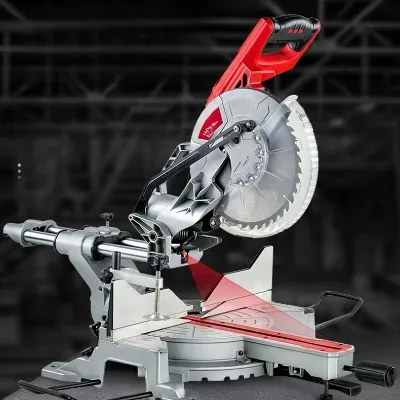


High Accuracy Woodworking Panel Saw With Sliding Table And Scoring Blade
$2699.00 - $4099.00
MOQ: 1 Pieces

Efficient Woodworking Saw With Sliding Table And Scoring Blade For Precision Cuts
$2699.00 - $4099.00
MOQ: 1 Pieces

Vertical Sliding Table Saw Machine Wood Saw Machines Wood Cutting Machine Table Saw
$3200.00 - $4400.00
MOQ: 1 Pieces


Woodworking Machine High Precision Sliding Table Panel Saw with 3200mm Length
$1500.00 - $3500.00
MOQ: 1 Pieces


Precision Sliding Table Panel Saw Precise Panel Saw with 45 Degree Tilting
$1800.00 - $3000.00
MOQ: 1 Pieces
Comprehensive Sourcing Guide
High Precision Sliding Table Saw Sourcing Guide
The High Precision Sliding Table Saw is a specialized woodworking machine designed for accurate cross-cutting and panel processing, primarily serving the wood working population, wholesalers, and retailers. These units typically feature a horizontal layout with a sliding table dimension of 3200 by 415 mm, allowing for the efficient handling of large sheet materials. Buyers should note that while the core function remains consistent, the controlling mode can vary, with some models offering artificial control systems to enhance operational stability during complex cuts.
Procurement decisions must account for the specific customization options available, as some units are sold as fully customized solutions while others remain non-customized standard models. The physical condition of the machinery is generally listed as new, ensuring immediate operational readiness upon delivery. However, the automatic grade may differ between manual and semiautomatic configurations, requiring buyers to align their selection with their desired level of automation and labor efficiency before finalizing the purchase order.
Product Scope and Observed Listing Signals
Market listings for this equipment reveal a price range between 212.56 and 5000 USD, reflecting variations in motor power, blade specifications, and structural robustness. The minimum order quantity is flexible, ranging from one to five units, which facilitates both single-unit trials and small batch acquisitions for smaller workshops. Buyers must carefully distinguish between different product models, such as the ZD400T and ZDV8D, as these identifiers often correlate with distinct dimensional standards and cutting capacities that define the machine's suitability for specific production volumes.
Visual and descriptive signals indicate that these saws are available in various configurations, including vertical and horizontal layouts, though the horizontal design is predominant for sliding table operations. The gross weight of the machinery is substantial, often reaching 1100 kg, which necessitates careful logistical planning for site preparation and floor loading. Additionally, the product origin is consistently traced to China, with specific hubs like Qingdao and Shandong providing the manufacturing base, influencing shipping routes and potential import duties for international buyers.
Technical Specifications to Verify
Buyers must rigorously verify the dimensional specifications, particularly the overall dimension of 3250 by 3150 by 900 mm, to ensure the machine fits within their facility's footprint. The sliding table length is a critical metric, typically standardized at 3200 mm but often available as an optional 3000 or 2800 mm configuration to match specific material sizes. The maximum cutting length varies between 3100, 2900, and 2700 mm, directly impacting the maximum panel size the operator can process without requiring multiple setups or auxiliary supports.
The cutting capacity and blade mechanics require detailed scrutiny, as the maximum cutting thickness is listed at 75 mm, while the gross cut capacity can extend up to 3200 mm. The main saw blade diameter is typically 400 mm, paired with a scoring blade to ensure clean edges, and the spindle diameter is often 30 mm to support high-torque operations. Motor power ratings, such as a 5.5 kW main motor combined with a 1.1 kW auxiliary motor, dictate the machine's ability to handle dense materials, while the tilting saw group range of 0 to 45 degrees defines the angular versatility for bevel cuts.
Compliance and Safety Documentation
Safety and regulatory compliance are paramount, with most listings indicating the presence of CE and ISO certifications to meet international safety standards. Some suppliers may also provide FDA certification, though this is less common for heavy machinery and should be verified against the specific application context. Buyers should request the full certification dossier to confirm that the electrical components and mechanical guards adhere to the required safety protocols for the destination market, ensuring that the machine can be legally operated without regulatory hurdles.
Documentation regarding the product standard is essential, with dimensions often cited as 3250 by 3150 by 900 mm in the standard specifications. The packing method, whether exported standard, plywood cases, or optional wooden boxes, must be confirmed to prevent transit damage, especially given the heavy gross weight of the unit. Buyers should also verify the edition status, as the latest edition may include updated safety features or improved control interfaces that were not present in older manufacturing runs, ensuring the acquisition of the most current and compliant technology.
Cost Drivers and Commercial Terms
The final cost of the High Precision Sliding Table Saw is heavily influenced by the customization level, with available upgrades adding significant value to the base price. The target audience includes both wood working populations and retailers, suggesting that pricing tiers may reflect the intended volume of production and the complexity of the required features. Buyers should analyze the motor power and spindle speed, which range from 4000 to 6000 r/min for the spindle and 7000 to 8000 r/min for the countershaft, as higher performance specifications typically command a premium in the market.
Commercial terms must address the specific packing requirements, as the choice between plywood cases and wooden boxes can impact shipping costs and insurance premiums. The minimum order quantity of one to five units allows for flexible procurement strategies, but buyers should negotiate based on the total volume to secure better unit pricing. Additionally, the character of the machine, described as thick and solid, implies a higher material cost and durability, which should be factored into the total cost of ownership calculation alongside the initial purchase price and expected maintenance expenses.
Supplier Qualification and Quality Control
Supplier qualification should focus on the origin of the machinery, with Qingdao, China, and Shandong being the primary manufacturing regions for these units. Buyers must verify the supplier's ability to provide the specific product model, such as ZD400T or ZDV8D, and confirm that the listed specifications match the actual hardware delivered. The condition of the product is listed as new, but buyers should request evidence of factory testing or pre-shipment inspections to ensure that the high precision tolerances are maintained and that the machine is free from manufacturing defects.
Quality control processes should include a verification of the automatic grade, distinguishing between manual and semiautomatic operations to ensure the machine meets the buyer's workflow requirements. The presence of optional upgrades and special services indicates that the supplier offers a degree of flexibility, but buyers must clearly define these requirements in the purchase agreement to avoid ambiguity. It is also critical to confirm the color and physical appearance, as some listings specify a red finish, which may be a standard aesthetic choice or a specific branding requirement for the buyer's facility.
Long-Term Procurement Checks
Long-term procurement success depends on verifying the availability of spare parts, particularly for the main saw blade, scoring saw blade, and spindle components. The motor power and spindle speed specifications suggest a need for regular maintenance to maintain the high precision required for professional woodworking operations. Buyers should establish a relationship with the supplier to ensure a steady supply of replacement blades and bearings, as the wear and tear on the countershaft and spindle can affect the cutting quality over time.
Buyers must also plan for the logistical aspects of the machine's lifecycle, including the gross weight of 1100 kg and the overall dimensions that require significant floor space. The product origin and packing standards will influence the ease of installation and the potential need for specialized rigging equipment. Finally, the customization options and special services should be reviewed periodically to ensure that the machine continues to meet the evolving needs of the wood working population and that any necessary upgrades can be implemented without significant downtime or additional capital expenditure.
FAQs
What are the key specifications of the ZD400T High Precision Sliding Table Saw?
The ZD400T model features a sliding table dimension of 3200 by 415 mm and a gross cut capacity of 3200 mm. It includes a main saw blade with a diameter of 400 mm and offers a maximum cutting height of 120 mm at 90 degrees. The overall unit measures 3250 by 3150 by 900 mm and weighs 1100 kg, ensuring stable operation for woodworking tasks.
Can the High Precision Sliding Table Saw be customized for specific needs?
Yes, customization is available for this equipment to meet specific operational requirements. Buyers can select from various options including different sliding table lengths and cutting capacities. The product supports both customized and non-customized configurations, allowing wholesalers and retailers to tailor the machine to their specific workshop layouts and production volumes effectively.
What certifications does the High Precision Sliding Table Saw hold?
The High Precision Sliding Table Saw holds CE and ISO certifications, ensuring compliance with international safety and quality standards. Some variants may also include FDA certification. These credentials verify that the manufacturing processes and final products meet rigorous regulatory requirements, providing buyers with confidence in the equipment's reliability and safety for industrial woodworking environments.
What is the power type and motor configuration of this saw?
This High Precision Sliding Table Saw operates on electric power with a robust motor configuration. It typically features a main motor power of 5.5 kW and an auxiliary motor of 1.1 kW. The spindle speed ranges from 4000 to 6000 revolutions per minute, while the countershaft speed operates between 7000 and 8000 revolutions per minute for efficient cutting performance.
Where is the High Precision Sliding Table Saw manufactured?
The High Precision Sliding Table Saw is manufactured in China, with specific origins noted in Qingdao and Shandong regions. These locations are known for their industrial manufacturing capabilities. The products are packed in export-standard plywood cases or optional wooden boxes to ensure safe transportation. Buyers can expect consistent quality and reliable logistics from these established manufacturing hubs.
What is the minimum order quantity for purchasing this saw?
The minimum order quantity for the High Precision Sliding Table Saw ranges from 1 to 5 units. This flexible MOQ allows both small workshops and large wholesalers to procure the equipment without excessive inventory pressure. The pricing for these units varies, with observed ranges between 212.56 and 5000 USD, depending on the specific model and customization options selected.