Find High Pressure Gas Booster Pump for Nitrogen, CO2, and Hydrogen
Explore 30 High Pressure Gas Booster Pump options to compare boost ratios, materials, and certifications. This guide helps buyers evaluate specifications for industrial gas pressurization and transfer applications. Review capacity, pressure control accuracy, and drive medium details to select the ideal unit for your specific operational requirements and safety standards.
Key considerations
Products List


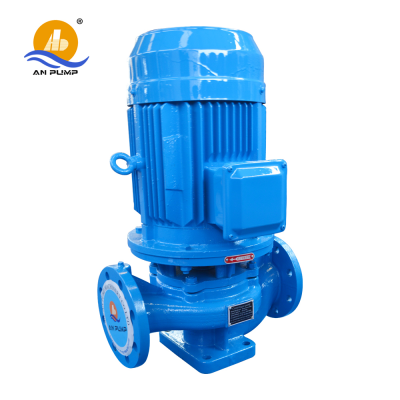
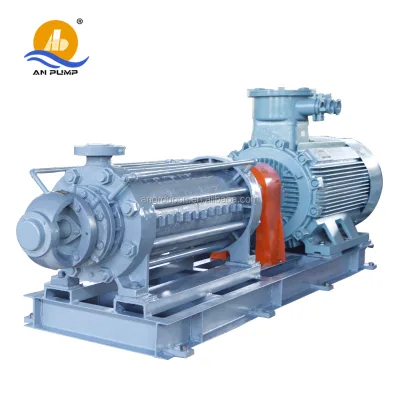


Portable Reciprocating Gas Compressor Small High Pressure Gas Booster Pump
$999.00 - $2999.00
MOQ: 1 Pieces


Advanced Commercial Booster Pump for Reliable Water Pressure Management
$245.00 - $260.00
MOQ: 1 Pieces


Variable-Frequency Booster Pump for Consistent Water Pressure Solutions
$230.00 - $248.00
MOQ: 1 Pieces
Comprehensive Sourcing Guide
High Pressure Gas Booster Pump Sourcing Guide
Procuring high-pressure gas booster pumps requires a precise understanding of pneumatic drive mechanisms and material compatibility. These devices utilize compressed air to increase the pressure of various gases, including nitrogen, argon, helium, hydrogen, carbon dioxide, and oxygen. The core mechanism relies on a reciprocating pump theory, where a large-area drive piston powers a smaller-area output piston, creating a pressure ratio that can range from 5:1 to 60:1 depending on the specific model and configuration. Buyers must carefully match the boost ratio to their operational requirements, ensuring the drive air pressure, typically between 3-8 bar, is sufficient to achieve the desired outlet pressure without exceeding system limits.
Selection also hinges on the physical form factor and installation environment. Available configurations include desktop units and larger industrial frames, with some models featuring horizontal pump shafts for stability. The choice between aluminum alloy and stainless steel construction depends on the corrosiveness of the gas and the required durability. Stainless steel frames and high-pressure needle valves are common in robust setups, ensuring longevity under cyclic stress. Buyers should evaluate the maximum capacity, which varies significantly from 50-100 L/min to over 400 L/min, to ensure the pump can meet the volumetric flow demands of the specific filling or transfer application.
Product Scope and Observed Listing Signals
The market for these pumps displays a wide variance in pricing and minimum order quantities, reflecting the diversity of industrial applications. Observed price points range from approximately $15 to $17,000, indicating that basic desktop units differ substantially from complex, high-capacity industrial systems. Minimum order quantities (MOQs) typically span from single units to 500 pieces, allowing flexibility for both prototype testing and large-scale deployment. This broad spectrum suggests that buyers can source specialized equipment for niche laboratory uses or bulk orders for manufacturing lines, depending on their volume needs and budget constraints.
Listing signals reveal specific technical attributes that help narrow down suitable suppliers. Common specifications include models like DGT40, OMA, and GU-GTB series, each tailored to different pressure and flow requirements. Packaging methods vary, with options including plywood cases, wooden cases, and standard boxes, which impacts shipping costs and product protection. Origin data points to manufacturers in China, particularly in Jinan City, Shandong Province, a known hub for pneumatic equipment. Buyers should verify these origin details and model numbers to ensure alignment with their logistical preferences and technical standards, as these factors influence lead times and after-sales support availability.
Technical Specifications to Verify
Verifying the maximum head and capacity is critical for ensuring the pump meets process demands. Specifications indicate maximum heads exceeding 150 meters for some models, while others are limited to under 10 meters, highlighting the need for precise selection based on pressure requirements. Capacity ranges from 300-400 L/min to lower volumes, requiring buyers to calculate the exact flow rate needed for their gas filling or transfer operations. The drive plunger diameter, such as 160mm in certain industrial models, directly influences the force and pressure output, making it a key parameter for high-pressure applications. Buyers must cross-reference these metrics with their system’s pressure source and downstream equipment limits.
Pressure control accuracy and measurement precision are vital for consistent operation. Some units offer pressure control accuracy of less than 1% of full scale, ensuring stable output during critical processes. Pressure measurement accuracy is often specified at ±0.4% FS, providing reliable monitoring of system performance. The use of drive air regulator valves allows for fine-tuning of the outlet pressure, enabling operators to adjust settings dynamically. Buyers should verify the presence of high-pressure needle valves and stainless steel piping to ensure the integrity of the gas path and prevent leaks, which are common failure points in high-pressure systems.
Compliance and Safety Documentation
Certification status is a primary indicator of manufacturing quality and regulatory compliance. Many listed products carry CE and ISO certifications, signifying adherence to European safety standards and international quality management systems. Some suppliers also provide RoHS certification, ensuring the equipment is free from specific hazardous substances, which is crucial for environmentally sensitive applications. Buyers must request valid certificates and verify their authenticity with the issuing bodies. The presence of these certifications reduces regulatory risk and ensures that the equipment meets baseline safety and performance criteria for industrial use in various markets.
Safety features and material specifications contribute to overall operational safety. Stainless steel construction is preferred for its resistance to corrosion and high-pressure stress, particularly when handling reactive gases like oxygen or hydrogen. The equipment frame type, often stainless steel, provides structural integrity and durability. Buyers should confirm that all components, including valves and piping, are rated for the maximum working pressure. Additionally, verifying the relative humidity tolerance, such as less than 90%, ensures the pump can operate safely in diverse environmental conditions without electrical or mechanical failure.
Cost Drivers and Commercial Terms
Several factors influence the final cost of a high-pressure gas booster pump. The material composition, such as the use of aluminum alloy versus stainless steel, significantly impacts pricing due to differences in raw material costs and manufacturing complexity. Higher boost ratios and larger capacities generally command higher prices, reflecting the engineering precision required. Customization options, such as specific pressure ratios or modified dimensions, add to the cost but may be necessary for specialized applications. Buyers should evaluate the total cost of ownership, including energy efficiency and maintenance requirements, rather than focusing solely on the initial purchase price.
Commercial terms, including delivery time and packaging, affect the overall procurement strategy. Lead times typically range from 3 to 15 days, allowing for relatively quick fulfillment of orders. Packaging in plywood or wooden cases ensures safe transit but adds to shipping weight and cost. Buyers should negotiate clear terms regarding warranty, spare parts availability, and technical support. Understanding the MOQ requirements helps in planning inventory levels and cash flow. Clear communication of these terms with suppliers ensures transparency and prevents unexpected costs or delays during the procurement process.
Supplier Qualification and Quality Control
Evaluating supplier qualifications is essential for securing reliable equipment. Buyers should verify the supplier’s manufacturing capabilities, including their production facilities in regions like Jinan, Shandong. Requesting detailed product specifications and technical datasheets helps assess the supplier’s technical competence. Suppliers offering CE, ISO, and RoHS certifications demonstrate a commitment to quality and regulatory compliance. Buyers should also inquire about the supplier’s experience in exporting similar products and their ability to provide customized solutions, which indicates flexibility and customer focus.
Quality control processes should be clearly defined and understood. Buyers should ask about the testing procedures performed on each unit before shipment, including pressure testing and leak detection. Verification of material certificates for stainless steel and aluminum components ensures the use of specified materials. Establishing a clear communication channel for technical support and after-sales service is crucial for long-term reliability. Buyers should consider visiting the supplier’s facility or requesting third-party inspection reports to validate their quality management systems and production standards before placing large orders.
Long-Term Procurement Checks
Establishing a framework for ongoing supplier performance evaluation is vital for sustained procurement success. Buyers should monitor delivery times, product consistency, and responsiveness to technical queries over multiple orders. Tracking any issues related to pressure accuracy, material degradation, or certification validity helps identify potential problems early. Regular audits of the supplier’s quality control processes and compliance status ensure continued adherence to standards. Building a relationship with a reliable supplier reduces the risk of supply chain disruptions and ensures access to genuine spare parts and technical support.
Continuous improvement in procurement practices involves reviewing the total cost of ownership and operational efficiency of the purchased equipment. Buyers should assess the energy consumption of pneumatic drives and the maintenance requirements of the pumps. Feedback from end-users regarding performance and reliability should be shared with suppliers to drive product improvements. Staying informed about industry advancements in gas booster technology allows buyers to make informed decisions about upgrades or replacements. A proactive approach to supplier management ensures that the procurement strategy aligns with evolving business needs and technical requirements.
FAQs
What certifications do high pressure gas booster pumps have?
These pumps typically hold CE, ISO, and RoHS certifications to ensure safety and compliance. The product data confirms CE and ISO marks are present on models like DGT40. Some units also carry RoHS certification, indicating they meet environmental standards for hazardous substances in manufacturing.
Which materials are used to construct these booster pumps?
Manufacturers use stainless steel and aluminum alloy for durability and corrosion resistance. The observed product attributes list stainless steel as a primary material for frames and components. Aluminum alloy is also specified for certain models, providing a lightweight yet robust structure for industrial applications.
How is the pressure of the gas controlled during operation?
Pressure is regulated using a drive air regulator valve for precise control. The system allows adjustment of the outlet pressure by modifying the air drive pressure between 3 and 8 bar. This method ensures the output pressure remains stable within the required accuracy limits for various gas types.
Can these pumps handle different types of gases like nitrogen?
Yes, the pumps are designed to boost nitrogen, argon, helium, hydrogen, CO2, and oxygen. The boost ratio varies from 5:1 to 40:1 depending on the specific model configuration. This versatility allows the equipment to serve multiple industries requiring different gas pressure levels for filling or transferring.
What is the maximum capacity and head for these pumps?
Maximum capacity ranges from 50 to over 400 liters per minute across different models. The maximum head can exceed 150 meters for high-performance units, while others are rated below 10 meters. This wide range supports applications from small desktop setups to large industrial gas transfer systems.
How long does it take to receive an order after purchase?
Delivery time typically spans 3 to 15 days after the order is confirmed. This lead time applies to standard orders packaged in plywood cases or wooden boxes. Buyers should note that specific lead times may vary based on the model selected and current production schedules at the Jinan facility.
Is customization available for these high pressure gas booster pumps?
Customization is available to meet specific industrial requirements and operational needs. Buyers can request tailored specifications for capacity, pressure ratios, or material finishes. This flexibility ensures the pump integrates seamlessly into existing gas systems while adhering to unique safety and performance standards.