Source Hardness Testing Machine for Rubber and Leather
Explore 30 Hardness Testing Machine options from China. Compare models like LR-326 and ZH-LL-100A for rubber, textile, and leather applications. Features include servo motors, adjustable speeds, and CE/ISO certifications for reliable material analysis; compare the available evidence and request quotations based on your requirements.
Key considerations
Products List
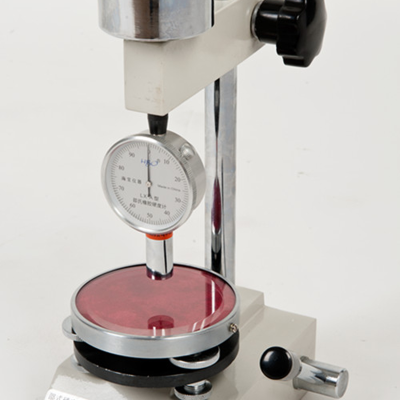


Elastic Resilience Tester, Elastic Resilience Testing Machine of Dual Function
$1000.00 - $3000.00
MOQ: 1 Pieces


Cable Harness Tensile Testing Machine/Tensile Tester/Tensile Strength Testing Machine
$800.00 - $1600.00
MOQ: 1 Pieces




Computer-Controlled Low Temperature Testing Machine for Impact Testing
$5999.00 - $16999.00
MOQ: 1 Sets


$10000.00 - $50000.00
MOQ: 1 Sets


Comprehensive Sourcing Guide
Hardness Testing Machine Sourcing Guide
Procuring a Hardness Testing Machine requires careful alignment with your specific material testing needs, particularly when dealing with rubber and other soft polymers. The market offers a variety of models, such as the LR-326 and ZH-LL-100A, which often serve dual purposes in tensile and compression testing. Buyers must distinguish between dedicated hardness testers and universal testing machines that include hardness attachments. Understanding the distinction ensures that the selected equipment meets the precise mechanical requirements of your quality control laboratory.
The sourcing landscape is dominated by manufacturers from Guangdong, China, who provide extensive customization options including OEM, ODM, and OBM services. These suppliers typically offer models with capacities ranging from 5kgf to 100kgf, allowing for flexibility in testing different material densities. It is crucial to verify the specific application support, as many listed units are optimized for rubber, leather, and textile applications rather than metals. This specialization impacts the fixture design and the accuracy grade, which is often manual control for standard models.
Product Scope and Observed Listing Signals
The observed product listings indicate a wide price range from $99 to $50,000, reflecting significant variations in automation, accuracy, and brand reputation. High-confidence data shows that many units carry CE and ISO certifications, signaling adherence to basic European safety and quality management standards. The presence of brands like Haida suggests established manufacturers, but buyers should verify if the certification applies to the specific model or the company generally. This price disparity often correlates with the resolution of the displacement display and the type of motor used, such as servo motors for higher precision.
Minimum Order Quantities (MOQ) vary from 1 to 500 units, indicating that suppliers cater to both individual laboratory purchases and large-scale industrial deployments. Most listings support single-item sales, which is beneficial for small businesses or research institutions needing a single unit. The packaging is typically described as plywood or wooden cases for export, ensuring safe transit. Buyers should note that while the base price may be low, additional costs for custom fixtures or specific voltage requirements can affect the total landed cost.
Technical Specifications to Verify
Key technical parameters include test speed, accuracy, and resolution, which directly impact the reliability of your test results. Many models offer adjustable test speeds ranging from 1.00 to 500.00 mm/min, with some specialized units operating at fixed speeds like 12.7 mm/min. Accuracy is often specified as ≤±0.5% or with a result error of 0.1%, while resolution can reach 1/200000 or 1n. Buyers must verify these figures against their specific tolerance requirements, as higher precision often comes with a higher price point and more complex maintenance needs.
Physical dimensions and weight are also critical for laboratory planning, with some units measuring 2804501100mm and weighing around 35kg to 70kg. The test itinerary, such as 400mm, determines the maximum sample size that can be accommodated. Additionally, the power supply requirements, typically AC220V at 50Hz, must match your facility’s infrastructure. Some models feature touchscreen displays in Chinese and English, which may require language configuration. Ensuring compatibility with your existing lab environment prevents installation delays and operational issues.
Compliance and Safety Documentation
Compliance documentation is essential for international trade and internal safety audits. Many suppliers provide CE, RoHS, FCC, and ISO certificates, which are critical for markets in Europe and North America. However, buyers should verify if these certifications are current and specific to the model being purchased. The presence of SGS certificates adds another layer of verification for quality and safety. It is advisable to request copies of these documents before finalizing the purchase to ensure they meet your regulatory requirements.
Standards compliance is another vital aspect, with many machines supporting ISO 2234-1985, ISO 2233-1986, and ASTM D903. These standards govern various testing methods for adhesives and materials. Buyers must confirm that the machine’s software and fixtures are calibrated to meet these specific standards. Failure to do so may result in non-compliant test results, which can impact product quality and legal liability. Always cross-reference the listed standards with your industry’s specific requirements to ensure full compatibility.
Cost Drivers and Commercial Terms
Several factors influence the final cost of a Hardness Testing Machine, including customization, accessories, and warranty terms. Customization options, such as specific fixtures or software features, can significantly increase the price. The inclusion of standard fixtures, like those for tensile strength, may be bundled or sold separately. Buyers should clarify what is included in the base price to avoid unexpected costs. Additionally, the warranty period, often 12 months, should be reviewed for coverage details and service response times.
Shipping and packaging costs are also significant, especially for international orders. Wooden cases for export are standard but add to the overall weight and volume. Lead times can vary based on customization and production schedules, so early communication with the supplier is essential. Payment terms and currency exchange rates may also affect the final cost. Buyers should negotiate clear terms regarding delivery, insurance, and after-sales support to mitigate financial risks.
Supplier Qualification and Quality Control
Supplier qualification involves verifying their manufacturing capabilities and quality control processes. Many suppliers offer OEM and ODM services, indicating flexibility in production. However, buyers should assess their track record and customer reviews to gauge reliability. Requesting samples or visiting the facility can provide insights into their production standards. It is also important to verify their ability to provide consistent quality across multiple units, especially for bulk orders.
Quality control measures should include pre-shipment inspections and calibration certificates. Buyers should ensure that the supplier conducts rigorous testing before dispatch. Documentation of these tests, including accuracy and speed verification, should be provided. Additionally, inquire about their process for handling defects or returns. A robust quality control system minimizes the risk of receiving faulty equipment and ensures long-term operational efficiency.
Long-Term Procurement Checks
Long-term procurement success depends on ongoing supplier performance and equipment maintenance. Establishing a clear communication channel for technical support and spare parts is crucial. Buyers should verify the availability of replacement parts and the supplier’s response time for service requests. Regular calibration and maintenance schedules should be defined to ensure consistent test results over time. This proactive approach extends the lifespan of the equipment and maintains data integrity.
Reviewing supplier performance periodically helps identify potential issues early. Feedback from laboratory staff on ease of use and reliability can inform future purchasing decisions. Consider the supplier’s ability to upgrade software or hardware as technology evolves. Building a strong relationship with a reliable supplier ensures better pricing, priority service, and access to new products. Continuous evaluation of procurement strategies aligns equipment capabilities with evolving business needs.
FAQs
What certifications do the hardness testing machines have?
The machines hold CE, ISO, RoHS, FCC, and SGS certificates. These certifications ensure compliance with international safety and quality standards for industrial testing equipment used in rubber and material analysis applications.
Can I get customized support for these testing machines?
Yes, OEM, ODM, and OBM customization services are available. Buyers can request specific fixture designs, non-standard configurations, or tailored software interfaces to meet unique laboratory requirements for material testing.
What is the warranty period for the hardness testing equipment?
The standard warranty period is one year or twelve months. This coverage typically includes support for the electronic components and mechanical systems to ensure reliable performance during the initial operational phase.
Which specifications define the accuracy of these machines?
Accuracy is rated at ±0.5% with a resolution of 1/200000. The displacement display offers 0.001mm precision, ensuring high reliability for tensile strength and hardness tests on rubber and textile samples.
How is the product packed for international shipping?
Products are packed in plywood cases or wooden cases for export. This robust packaging protects the testing machine from damage during transit and ensures safe delivery to buyers in various global locations.
What power supply is required for the testing machine?
The machine requires an AC220V, 50Hz, 1A power supply. The rated power consumption is 200W, making it suitable for standard industrial electrical environments without requiring specialized high-voltage infrastructure.
Which standards do the machines comply with for testing?
The equipment complies with ISO 2234-1985, ASTM D903, and GB/T2790 standards. These standards cover various material testing protocols including peel strength and tensile properties for rubber, leather, and textile industries.