Source Plastic Slide Wear Tester for Fabric, Coating, and Leather
Compare 30 plastic slide wear testers from verified suppliers to find the right equipment for fabric, coating, and leather testing. These machines help evaluate material durability and surface resistance under controlled conditions; compare the available evidence and request quotations based on your requirements.
Key considerations
Products List

Advanced Plastic Friction Wear Tester for Accurate Sliding Measurements
$7000.00 - $10000.00
MOQ: 1 Sets


Innovative Rubber Wear Testing Instrument for Plastic Material Testing
$7000.00 - $10000.00
MOQ: 1 Sets


Multi-Station Low Temperature Brittleness Tester for Plastic and Rubber
$299.00 - $2999.00
MOQ: 1 Pieces

Low Temperature Brittleness Tester for Vulcanized Rubber and Plastic Materials
$299.00 - $2999.00
MOQ: 1 Pieces
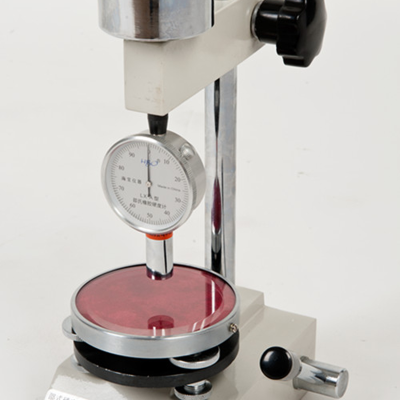


Factory Price High Precision Pendulum Slip Portable Resistance Skid Tester
$250.00 - $400.00
MOQ: 1 Pieces
Comprehensive Sourcing Guide
Plastic Slide Wear Tester Sourcing Guide
Procuring a Plastic Slide Wear Tester requires a disciplined approach to aligning technical performance with specific material testing protocols. Buyers must first define the exact friction and abrasion parameters relevant to their product lifecycle, ensuring the selected equipment can replicate real-world usage conditions accurately. This initial clarity prevents costly mismatches between machine capabilities and quality assurance goals, establishing a solid foundation for the entire sourcing journey.
The global market for such testing instruments is diverse, with manufacturers primarily originating from regions known for precision engineering and competitive manufacturing costs. Understanding the supply chain dynamics helps buyers anticipate lead times and logistical complexities. By focusing on verified supplier capabilities rather than marketing claims, procurement teams can secure reliable equipment that supports consistent quality control processes across different production batches and material types.
Product Scope and Observed Listing Signals
Market listings for plastic wear testing equipment often display a wide range of specifications, reflecting the versatility of modern testing machines. Observed data indicates that models vary significantly in weight, with some units weighing as little as 23kg while others reach up to 62kg or more. This variation suggests that buyers should carefully evaluate the physical footprint and installation requirements of each candidate machine to ensure it fits within their laboratory or production floor constraints without requiring extensive structural modifications.
Packing dimensions and methods also differ across suppliers, with standard export wooden cases being a common practice to ensure safe transit. Listings frequently highlight customization options for color and logo, indicating that manufacturers are willing to tailor aesthetic aspects to corporate branding standards. However, buyers must distinguish between superficial customization and functional modifications, verifying that any tailored features do not compromise the mechanical integrity or calibration accuracy of the wear testing mechanism.
Technical Specifications to Verify
When evaluating technical specifications, the power supply requirements are a critical first step, with many units operating on standard 220V, 50Hz inputs. Buyers must confirm that their facility’s electrical infrastructure can support these demands without requiring expensive transformers or phase converters. Additionally, the automatic grade of the machine, often described as semi-automatic, dictates the level of operator intervention required during testing cycles, influencing labor costs and throughput efficiency in high-volume testing environments.
Model numbers and standard compliance codes provide essential clues about the machine’s intended application and testing methodology. Listings may reference specific standards such as ISO 1167, ASTM 1598, or ASTM 1599, which govern friction and wear testing procedures. Buyers should verify that the machine’s design and software interface are fully compatible with these standards, ensuring that the generated data will be accepted by regulatory bodies and internal quality management systems without the need for complex data conversion or validation processes.
Compliance and Safety Documentation
Certification status is a non-negotiable aspect of procurement, with CE marking being a frequently observed requirement for equipment sold in international markets. Buyers must request valid certification documents to ensure that the machine meets essential health, safety, and environmental protection standards. This verification process protects the purchasing organization from legal liabilities and ensures that the equipment can be legally installed and operated within their jurisdiction, particularly when dealing with cross-border supply chains and diverse regulatory environments.
Beyond basic safety certifications, documentation related to calibration and traceability is vital for maintaining accurate test results. Some listings mention ISO 17025 compliance, which relates to the competence of testing and calibration laboratories. Buyers should inquire whether the supplier provides calibration certificates for the machine’s sensors and load cells, ensuring that the wear measurements are traceable to national or international standards. This documentation is crucial for audits and for maintaining the credibility of quality assurance reports.
Cost Drivers and Commercial Terms
The price range for plastic slide wear testers is broad, reflecting differences in build quality, automation levels, and included accessories. Buyers should expect costs to vary significantly based on the complexity of the testing mechanism and the precision of the control systems. It is essential to request detailed quotations that break down the cost of the base machine, optional modules, and any necessary software licenses, allowing for a transparent comparison of total ownership costs across different suppliers.
Minimum order quantities and delivery times are key commercial terms that impact procurement planning. Many suppliers offer a minimum order quantity of one set, providing flexibility for small-scale testing needs. However, delivery times can extend to fifteen working days after payment, requiring buyers to factor this lead time into their production schedules. Understanding these terms helps in negotiating favorable payment structures and ensuring that the equipment arrives in time for critical quality control milestones.
Supplier Qualification and Quality Control
Supplier qualification involves assessing the manufacturer’s ability to provide consistent quality and after-sales support. Buyers should verify the supplier’s production capabilities, including their quality control processes during manufacturing and final inspection. A robust quality control system ensures that each unit meets the specified technical parameters before shipment, reducing the risk of receiving defective equipment that could disrupt testing operations and compromise data integrity.
After-sales support is equally important, particularly for specialized testing equipment that may require periodic maintenance or calibration. Buyers should inquire about the availability of spare parts, technical support channels, and training services. A supplier that offers comprehensive training and readily available support can significantly reduce downtime and ensure that operators can use the machine effectively from day one, maximizing the return on investment and maintaining long-term testing reliability.
Long-Term Procurement Checks
Long-term procurement success depends on establishing a relationship with a supplier who can support future needs and technological advancements. Buyers should consider the supplier’s track record in the industry and their ability to provide upgrades or modifications as testing standards evolve. A supplier with a strong history of innovation and customer satisfaction is more likely to offer reliable support and relevant updates, ensuring that the testing equipment remains compliant and effective over its operational lifespan.
Regular performance checks and maintenance schedules are essential for preserving the accuracy of wear testing results. Buyers should develop a protocol for periodic calibration and inspection, working closely with the supplier to identify any signs of wear or drift in the testing mechanism. By proactively managing the equipment’s condition, organizations can maintain high standards of quality control and avoid costly errors in material assessment, ensuring that their products meet all required performance and durability criteria.
FAQs
What is the delivery time for plastic slide wear testers?
The delivery time is 15 working days after payment. This timeline applies to standard orders and assumes all payment terms are met promptly by the buyer to ensure timely shipment from the origin.
Can I customize the color of the Plastic Slide Wear Tester?
Yes, the color can be customized to meet specific requirements. This customization option allows buyers to align the equipment appearance with their brand identity or facility standards without affecting core functionality.
Which certifications do these plastic slide wear testers hold?
These units hold CE and ISO certifications, including ISO 17025. Such certifications ensure the equipment meets international safety and quality standards required for reliable textile fabric testing and appearance quality assessments.
What is the minimum order quantity for plastic slide wear testers?
The minimum order quantity is one set. This low MOQ allows buyers to purchase a single unit for initial testing or small-scale operations without needing to commit to large bulk orders immediately.
How much does a Plastic Slide Wear Tester weigh?
The product weight varies by model, with observed values ranging from 23kg to 62kg. The packed weight is typically higher, such as 82kg, due to standard wooden packing required for safe international transport.
What standards are used for Plastic Slide Wear Tester testing?
Testing follows standards like ISO 1167, ASTM 1598, and ASTM 1599. These standards ensure the equipment performs accurate tensile strength and fabric testing consistent with global industry requirements for material quality verification.