Source High Pressure Paintball Tank for Games, Training, and Events
Compare 30 High Pressure Paintball Tank options from verified suppliers in China and Taiwan. These aluminium and alloy tanks support CO2 and HPA gas types with working pressures up to 3000 psi for various paintball applications.
Key considerations
Products List
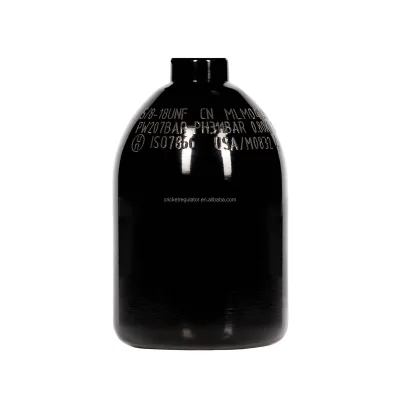
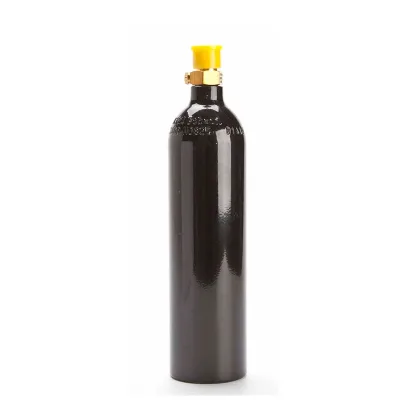
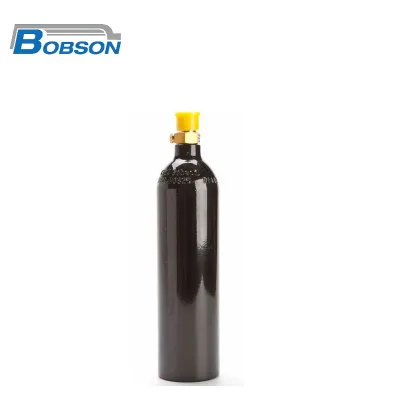
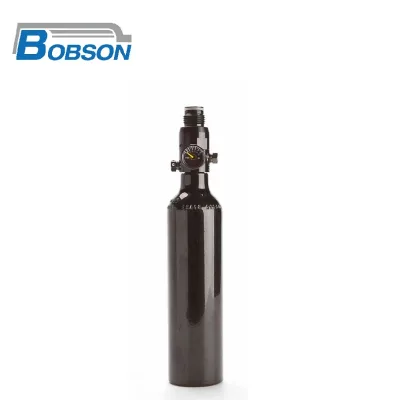
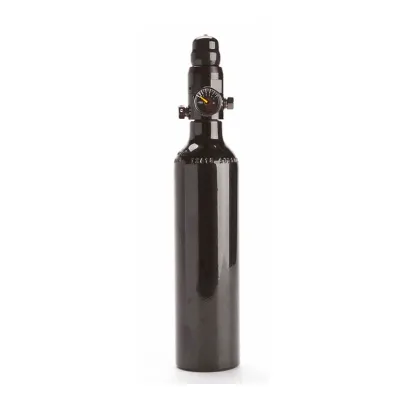

300bar 4500psi 0.5L Carbon Fiber Cylinder High Pressure Pcp Paintball Air Tank
$100.00 - $300.00
MOQ: 100 Pieces
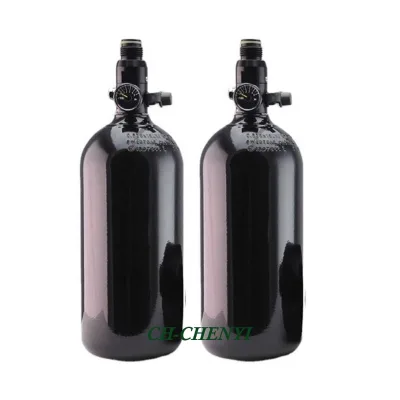


Lightweight High-Pressure Aluminum Paintball Cylinder for Competitive Use
$8.00 - $12.00
MOQ: 50 Pieces
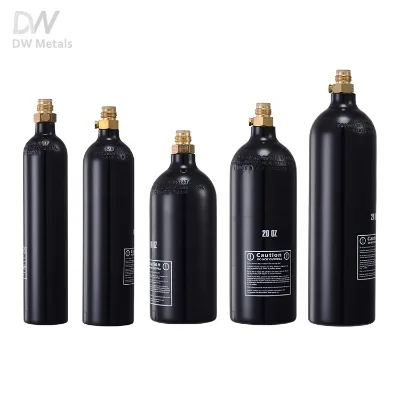


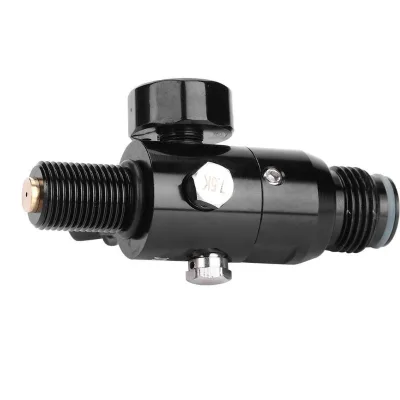


Comprehensive Sourcing Guide
Strategic Sourcing Guide for High Pressure Paintball Tanks
The global market for high-pressure paintball tanks has evolved into a sophisticated sector where performance, safety, and regulatory compliance are paramount. Buyers entering this space must navigate a complex landscape of material science, pressure standards, and international certification requirements. This guide provides a structured approach to sourcing high-pressure paintball tanks, focusing on the critical attributes observed in current market listings and the essential verification steps required for B2B procurement. The objective is to equip procurement professionals with the knowledge to evaluate suppliers and products based on factual evidence rather than marketing claims.
Technical Specifications and Material Composition
The foundational aspect of sourcing a high-pressure paintball tank lies in understanding the technical specifications that define its operational limits and physical characteristics. The market currently features tanks constructed primarily from aluminum and various alloys, chosen for their optimal strength-to-weight ratio. Aluminum tanks are prevalent due to their resistance to corrosion and ability to withstand high internal pressures without excessive weight gain. Alloy variants offer similar benefits with potential adjustments in manufacturing tolerances.
Pressure ratings are the most critical technical parameter. Listings indicate a standard working pressure of 3000 psi, which aligns with the requirements for high-pressure air (HPA) and carbon dioxide (CO2) systems. This pressure level is consistent with the ISO7866 standard, a widely recognized benchmark for compressed gas cylinders. Buyers must verify that the specific model they are sourcing explicitly states a working pressure of 3000 psi or its metric equivalent, approximately 20.7 MPa. Some data points suggest pressure levels ranging up to 100.0 MPa in broader industrial contexts, but for paintball applications, the 3000 psi (approx. 207 bar) threshold is the industry norm.
Capacity and dimensions vary significantly to suit different player needs. Observed water capacities range from 10 cubic inches (ci) to 62 ci, translating roughly to 0.16 liters to 1 liter. This range allows for a balance between tank weight and the duration of play. The physical dimensions are equally important for logistics and equipment compatibility. Standard listings show single package sizes around 10x10x30 cm, with outside diameters frequently cited around 91.2 mm. Thread specifications are another vital detail; the 5/8-18UNF thread is a common standard for connecting these tanks to regulators and markers. Ensuring the thread type matches the buyer's existing inventory or target market requirements is essential to avoid compatibility issues.
Compliance and Certification Verification
In the high-pressure vessel industry, compliance is not merely a regulatory formality but a safety imperative. Sourcing guides must prioritize verification of international and regional standards. The ISO7866 standard is frequently cited in product listings, defining the design and testing requirements for cylinders used in paintball and similar recreational activities. This standard ensures that the cylinder can safely handle the intended working pressure and undergo rigorous testing protocols.
Beyond ISO standards, regional certifications play a crucial role. Some listings reference TPED (Transportable Pressure Equipment Directive) certification, which is mandatory for transporting pressure vessels within the European Union. Others mention DOT3AL, a standard set by the US Department of Transportation for aluminum cylinders. The presence of these certifications indicates that the manufacturer has undergone third-party validation. Buyers should request current certification documents for every batch ordered, as certifications can expire or be specific to certain production runs.
The testing pressure is another critical compliance metric. While the working pressure is 3000 psi, the hydrostatic test pressure is typically higher to ensure a safety margin. Observed data points to test pressures of 300 bar or 45 MPa. This discrepancy between working and test pressure is standard practice to account for material fatigue and unexpected pressure spikes. Procurement teams must verify that the test pressure aligns with the stated standard (e.g., 1.5 times the working pressure) and that the manufacturer maintains records of these tests for every unit produced.
Cost Drivers and Pricing Dynamics
Understanding the cost structure of high-pressure paintball tanks is essential for budgeting and negotiation. The observed price range in the market spans from $5.10 to $300.00 USD. This wide variance is driven by several factors, including material quality, capacity, certification status, and order volume. Lower-priced units often correspond to smaller capacities (e.g., 10-20 ci) or basic aluminum construction without extensive customization. Higher-priced units typically feature larger capacities (approaching 62 ci), specialized coatings, or comprehensive certification packages.
Material costs are a primary driver. Aluminum and high-grade alloys are subject to global commodity price fluctuations. Additionally, the manufacturing process for high-pressure vessels involves precision machining and rigorous quality control, which adds to the base cost. Customization is another significant cost factor. Listings indicate that customization is available for colors and branding. While a standard black finish is common, custom colors or logo printing will increase the unit price and potentially the lead time.
Order volume, defined by the Minimum Order Quantity (MOQ), also heavily influences the final unit cost. The observed MOQ range is broad, extending from 1 unit to 600 units. Suppliers offering an MOQ of 1 are likely targeting small retailers or individual buyers, often at a premium per unit. Conversely, suppliers with an MOQ of 500 or 600 units typically offer tiered pricing that significantly reduces the cost per tank for large-scale distributors. Buyers must balance their inventory needs against the upfront capital required to meet higher MOQ thresholds.
Typical Applications and Market Segmentation
High-pressure paintball tanks serve a specific but diverse set of applications. The primary use case is clearly identified as paintball games, where reliability and safety are non-negotiable. These tanks are designed to store compressed air (HPA) or carbon dioxide (CO2) to propel paintballs at high velocities. The "Universal" applicability noted in product attributes suggests that these tanks are compatible with a wide range of marker types, provided the thread and pressure specifications match.
Beyond recreational paintball, the technical specifications of these tanks suggest potential secondary applications. The classification as a "Storage Pressure Vessel" and the ability to handle pressures up to 100 MPa in some industrial variants indicate that similar technology is used in other gas storage scenarios. However, for the specific keyword of "paintball tank," the application remains focused on the sport. The weight of the cylinders, ranging from 0.3 kg to 1.15 kg, makes them suitable for both competitive play, where speed and agility are key, and recreational use, where durability is prioritized.
The market segmentation also includes the distinction between single-item sales and bulk packaging. Some listings mention packaging for 300 units, indicating that these products are often sold in large lots to distributors who then supply individual retailers or teams. Understanding this supply chain dynamic helps buyers determine whether they should source directly from manufacturers or through intermediate distributors.
Supplier Evaluation and Selection Criteria
Selecting the right supplier requires a rigorous evaluation process that goes beyond price comparison. The first step is verifying the place of origin. Data indicates that manufacturing hubs are located in Guangdong and Shanghai, China, as well as Taiwan. While these regions are known for manufacturing capabilities, buyers must ensure that the specific factory adheres to the claimed standards. Origin alone does not guarantee quality; it is the production process and quality control systems that matter.
Brand reputation and history are also important indicators. While specific brand names like "Fillba" and "BOBSON" appear in listings, buyers should not rely solely on brand recognition. Instead, they should request a supplier's audit reports, production capacity details, and history of compliance with safety standards. A supplier with a long track record of exporting to regulated markets (such as the EU or US) is generally a safer bet than a new entrant.
The ability to provide customization is another key differentiator. Suppliers that offer flexible options for color, branding, and capacity are better equipped to meet the specific needs of different markets. However, customization capabilities must be balanced against the supplier's ability to maintain quality control during the customization process. Buyers should ask for samples of customized products to verify that the coating or branding does not compromise the structural integrity of the tank.
Quality Control and Long-Term Procurement Considerations
Quality control is the backbone of any successful procurement strategy for high-pressure vessels. Buyers must implement a robust inspection regime that includes pre-shipment inspections and random sampling. Key quality checks should focus on the integrity of the welds, the accuracy of the pressure ratings, and the consistency of the thread specifications. The "Test" attribute, which mentions a 5-year interval, suggests that these tanks have a specific service life before requiring re-certification or replacement. Buyers should factor this into their long-term inventory planning and customer support strategies.
Long-term procurement considerations also involve the supply chain's resilience. Lead times and production capacity are critical factors. While specific lead times are not universally standardized in the provided data, buyers should negotiate clear timelines in their contracts. Suppliers with a capacity to handle large MOQs (e.g., 500-600 units) are better positioned to handle demand spikes, but they may have longer lead times for custom orders.
Sustainability and environmental compliance are increasingly important in the procurement landscape. The use of aluminum and alloys is generally more sustainable than steel due to recyclability. Buyers should inquire about the manufacturer's environmental policies and waste management practices. Additionally, the packaging, often listed as palletized for bulk shipping, should be evaluated for its environmental impact and efficiency in reducing shipping costs.
Comparative Analysis of Product Attributes
To facilitate decision-making, the following table summarizes the key attributes observed in the market for high-pressure paintball tanks. This comparison highlights the variability in specifications and helps buyers identify the features most relevant to their specific needs.
| Attribute | Observed Range / Value | Relevance to Buyer |
|---|---|---|
| Working Pressure | 3000 psi (approx. 207 bar) | Critical for safety and compatibility with markers. |
| Material | Aluminum, Alloy | Determines weight, durability, and corrosion resistance. |
| Capacity | 10 ci ~ 62 ci (0.16L ~ 1L) | Affects play duration and tank weight. |
| Thread Type | 5/8-18UNF | Must match regulator and marker inlet. |
| Certification | ISO7866, TPED, DOT3AL | Mandatory for legal transport and sale in many regions. |
| Test Pressure | 300 Bar / 45 MPa | Indicates safety margin and manufacturing quality. |
| MOQ | 1 ~ 600 units | Influences unit cost and inventory risk. |
| Place of Origin | Guangdong, Shanghai, Taiwan | Indicates manufacturing hub and potential logistics costs. |
| Weight | 0.3 ~ 1.15 kg | Impacts player mobility and comfort. |
This table serves as a quick reference for buyers to cross-check supplier claims against standard market observations. It emphasizes that while core attributes like pressure and thread type are relatively consistent, capacity, material, and certification details vary significantly. Buyers should use this framework to validate supplier data and ensure that the products they source meet their specific operational requirements.
In conclusion, sourcing high-pressure paintball tanks requires a meticulous approach that balances technical specifications, regulatory compliance, and cost efficiency. By focusing on verified standards like ISO7866, understanding the nuances of material and pressure ratings, and conducting thorough supplier evaluations, buyers can secure a reliable supply chain that meets the demands of the paintball market. The wide range of available options allows for customization and scalability, provided that the buyer remains vigilant in their quality control and compliance verification processes.
FAQs
What pressure rating do high pressure paintball tanks typically have?
High pressure paintball tanks typically operate at a working pressure of 3000 psi. This rating aligns with the ISO7866 standard and supports the use of both CO2 and HPA gases for reliable marker performance.
Which certifications are required for compliant paintball cylinder sourcing?
Compliant tanks often carry ISO7866 design standards along with TPED or DOT3AL certifications. These documents verify that the vessel meets safety requirements for transport and operation in specific international regions like the EU or US.
How does the material choice affect tank weight and durability?
Aluminum and alloy materials are standard for balancing strength with low weight. These tanks typically weigh between 0.3 kg and 1.15 kg, making them suitable for both competitive play and extended recreational sessions.
Can buyers customize the color and branding on these tanks?
Yes, customization is available for colors and branding on most models. While standard black finishes are common, suppliers can accommodate specific color requests or logo printing to meet unique team or distributor requirements.
What is the typical minimum order quantity for bulk procurement?
Minimum order quantities vary significantly, ranging from 1 unit for single items up to 600 units for bulk deals. Buyers should check specific supplier listings to find options that match their inventory volume and budget constraints.
Which thread specifications ensure compatibility with standard paintball markers?
The 5/8-18UNF thread is the common standard for connecting these tanks to regulators and markers. Ensuring this thread type matches your existing equipment prevents compatibility issues during setup and operation.
How often must these pressure vessels undergo hydrostatic testing?
These vessels typically require re-certification or testing every five years. The hydrostatic test pressure is often set at 300 bar or 45 MPa to ensure a safety margin above the 3000 psi working pressure.