Source High Pressure Oil Pump for Chemical, Marine, and Engine Uses
Find 30 High Pressure Oil Pump options from Chinese manufacturers with CE and ISO certifications. Buyers can compare models like XSN and Bitzer, featuring horizontal shafts and electric drives for chemical, marine, and engine applications.
Key considerations
Products List


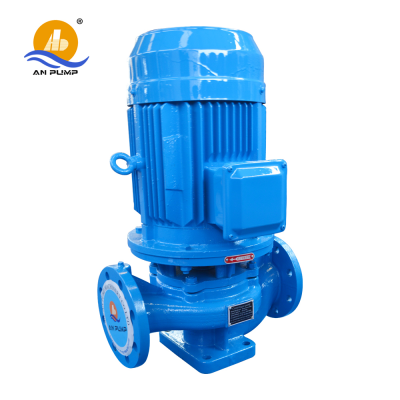
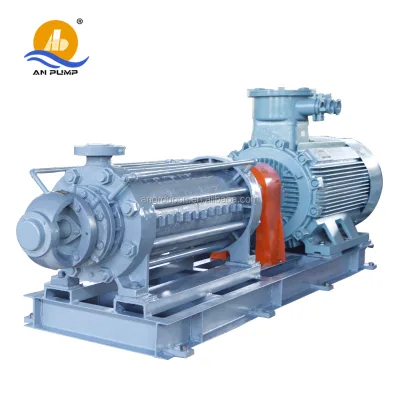


$10000.00 - $40000.00
MOQ: 1 Sets


Comprehensive Sourcing Guide
Strategic Sourcing Guide for High Pressure Oil Pumps
Understanding Technical Specifications and Core Configurations
When sourcing high pressure oil pumps, buyers must first distinguish between the specific mechanical architectures available in the current market. The product landscape reveals a diverse array of configurations, ranging from multi-screw designs to single-stage impeller systems. A critical observation in the current supply base is the prevalence of horizontal pump shaft positions. This orientation is often preferred for specific industrial installations where space constraints or piping layouts dictate a horizontal alignment. The technical documentation indicates that certain models, such as the XSN series, utilize a multi-screw pump architecture with a single suction method. This configuration is particularly relevant for applications requiring stable flow rates and consistent performance under high-pressure conditions.
In contrast, other segments of the market offer pumps with closed impellers and single-stage designs. These units, often categorized under models like CYZ, are engineered for specific hydraulic duties where the impeller geometry plays a pivotal role in pressure generation. The tooth curve and mesh form of gear-based alternatives also present unique technical profiles. For instance, some units feature a cycloid tooth curve with an internal engaged mesh form and herringbone tooth flanks. These specific geometric attributes are not merely aesthetic but are functional requirements for handling viscous fluids or ensuring smooth operation under high stress. The drive mechanism is predominantly electric, which simplifies integration into automated systems, though the specific power requirements must be verified against the site's electrical infrastructure.
The performance characteristics of these pumps are equally varied. While some units are explicitly labeled as "wearable" to indicate durability in abrasive environments, others are marketed specifically for high-pressure applications. The flow rate is often described as constant, a vital attribute for processes that cannot tolerate fluctuations in oil delivery. Buyers should note that the "High Pressure" designation is a common attribute, but the specific pressure limits are not universally standardized across all listed models. Therefore, the procurement strategy must begin with a rigorous review of the technical datasheet to confirm that the pump's pressure rating aligns with the operational requirements of the intended application, whether it be chemical processing or engine lubrication.
Compliance, Certification, and Material Standards
Navigating the compliance landscape for high pressure oil pumps requires a meticulous verification of certifications and material standards. The supply base includes products carrying a variety of recognized marks, including CE, ISO, and CCC. The presence of the CE mark suggests compliance with European safety, health, and environmental protection requirements, while ISO certification indicates adherence to international quality management standards. However, it is crucial to treat these certifications as observations of specific listings rather than universal guarantees for every product in the category. Buyers must request valid, current certificates for the specific batch or model they intend to purchase, as the presence of a certification on a general product page does not automatically extend to every unit in a supplier's inventory.
Material standards are another critical dimension of compliance. The product data indicates a range of material specifications, from "Various Material" to specific alloys like 38CrMoAl. The use of 38CrMoAl, a nitrogen-alloyed steel known for its high strength and toughness, is a significant indicator of quality for high-pressure applications. Conversely, some listings reference "Standard Component" versus "Non-Standard Component" classifications. This distinction is vital for procurement, as non-standard components often imply custom engineering or specialized manufacturing processes that may affect lead times and cost. Additionally, the standard component lists include specific dimensional standards such as 7-1/16", 11", 13-5/8", 20-3/4", and 21-1/4". These measurements likely refer to flange sizes or connection interfaces, which must be cross-referenced with existing piping systems to ensure compatibility.
Safety features also play a role in compliance. Some high-pressure oil pumps are equipped with safety valves and heating jackets, which are essential for maintaining fluid viscosity and preventing over-pressurization in extreme operating conditions. The verification of these safety mechanisms should be a priority during the supplier evaluation phase. Buyers should ensure that the safety valves are calibrated to the specific pressure ratings of the pump and that the heating jackets are compatible with the thermal properties of the oil being pumped. The absence of explicit safety data in a general listing should prompt a direct inquiry to the supplier for detailed safety test reports and compliance documentation.
Cost Drivers and Pricing Variables
The pricing structure for high pressure oil pumps is influenced by a complex interplay of technical specifications, material costs, and customization requirements. The observed price range in the market spans from $0.1 to $100,000, a vast disparity that reflects the diversity of the product category. This range encompasses simple, small-scale units to large, industrial-grade systems with complex multi-screw configurations. The primary cost drivers include the material composition, such as the use of 38CrMoAl versus standard steel, and the complexity of the internal geometry, such as the herringbone tooth flanks or cycloid curves.
Customization is a significant factor in pricing. The availability of customization options allows buyers to tailor pumps to specific needs, but this process invariably adds to the unit cost. Customizations may involve modifying the shaft position, altering the impeller design, or integrating specific safety features like heating jackets. The minimum order quantity (MOQ) also impacts the effective cost per unit. The observed MOQ range is between 1 and 10,000 units. Buyers purchasing small quantities may face higher per-unit costs due to the setup costs associated with non-standard components or custom manufacturing runs. Conversely, large-volume orders can leverage economies of scale, potentially reducing the unit price significantly.
Packaging and logistics represent another layer of cost. The product listings indicate various packaging standards, ranging from "Export Box" and "One Pump With a Carton" to "Standard Export Wooden Case" and "Marine Wooden Case." The choice of packaging depends on the destination and the fragility of the equipment. Marine wooden cases, for instance, offer superior protection for long-distance shipping but come at a higher cost than standard export boxes. Additionally, the origin of the product, whether from Ningbo or Shanghai, can influence shipping costs and lead times. Buyers should factor in these logistical expenses when calculating the total cost of ownership, as they can significantly impact the overall budget for large procurement projects.
Typical Applications and Industry Use Cases
High pressure oil pumps serve a wide array of industrial applications, with the chemical industry being a prominent sector. The specific attributes of these pumps, such as their ability to handle high pressures and their wear-resistant performance, make them suitable for demanding chemical processing environments. In these settings, the pumps must withstand corrosive fluids and maintain consistent flow rates to ensure process stability. The horizontal shaft position and single suction methods are particularly advantageous in chemical plants where space is limited and piping configurations are complex.
Beyond the chemical sector, these pumps are essential in engine lubrication systems. Models such as the Bitzer Oil Pump and those designed for gasoline engine high-pressure applications highlight the critical role of these units in automotive and heavy machinery industries. In these applications, the reliability of the pump is paramount, as any failure can lead to catastrophic engine damage. The constant flow rate and high-pressure capabilities ensure that engines receive adequate lubrication under varying load conditions. The use of specific models like the OILP01 or the XSM serial indicates specialized designs for these high-stakes environments.
The versatility of high pressure oil pumps extends to other sectors as well. The presence of models with specific standard components and non-standard configurations suggests adaptability to various industrial needs. For example, pumps with heating jackets are ideal for applications involving viscous oils that require temperature control to maintain flowability. The diverse range of impeller types, from single-stage to multi-screw designs, allows for optimization based on the specific fluid dynamics of the application. Buyers should carefully match the pump's technical attributes, such as the tooth curve and mesh form, to the specific requirements of their industry to ensure optimal performance and longevity.
Supplier Evaluation and Geographic Considerations
Evaluating suppliers for high pressure oil pumps requires a focus on geographic origin and manufacturing capabilities. The product data indicates that major production hubs are located in China, with specific cities like Ningbo and Shanghai emerging as key centers. Ningbo is noted for the production of Bitzer oil pumps, while Shanghai is associated with models like the CYZ and KCB series. These geographic clusters often indicate a mature supply chain with access to specialized manufacturing resources and a concentration of technical expertise.
When evaluating suppliers, buyers should verify the specific origin of the product to ensure it aligns with their quality expectations and logistical needs. The distinction between "Ningbo China" and "Shanghai China" may imply differences in manufacturing standards, shipping logistics, or local regulatory compliance. Additionally, the presence of certifications like SGS and ISO suggests that suppliers in these regions adhere to international quality standards. However, buyers must not assume that all products from these regions meet the same level of quality. It is essential to request specific documentation for the supplier's manufacturing processes, quality control measures, and past performance records.
The availability of customization is another key indicator of supplier capability. Suppliers that offer customization options demonstrate flexibility and a willingness to engage with the buyer's specific requirements. This capability is crucial for projects that require non-standard components or unique technical configurations. Buyers should assess the supplier's ability to handle non-standard orders, as this often reflects their overall technical competence and responsiveness. Furthermore, the warranty terms, such as the 1-year warranty observed in some listings, provide a baseline for supplier confidence. Buyers should negotiate warranty terms that reflect the critical nature of the equipment and the potential impact of downtime on their operations.
Quality Control and Long-Term Procurement Strategy
Implementing a robust quality control strategy is essential for ensuring the reliability of high pressure oil pumps. Given the wide range of observed attributes, from "wearable" performance to "high pressure" capabilities, buyers must establish clear acceptance criteria before placing orders. This includes verifying the material standards, such as the use of 38CrMoAl, and confirming that the pump's dimensions match the specified standards like 7-1/16" or 11". Quality control should also extend to the testing of safety features, such as the safety valves and heating jackets, to ensure they function correctly under operating conditions.
Long-term procurement considerations involve building a sustainable relationship with suppliers that can support ongoing operational needs. This includes negotiating favorable terms for spare parts, maintenance services, and technical support. The availability of a 1-year warranty is a positive indicator, but buyers should explore options for extended warranty coverage or service contracts that provide greater peace of mind. Additionally, understanding the lead times and production capacity of the supplier is crucial for managing inventory and minimizing downtime. The observed MOQ range of 1 to 10,000 units suggests that suppliers can accommodate both small and large orders, but buyers should confirm the lead times for custom orders to avoid delays in critical projects.
Finally, buyers should maintain a continuous review of the market to stay informed about new technologies and standards. The product landscape is dynamic, with new models and configurations emerging regularly. By staying engaged with industry trends and maintaining open communication with suppliers, buyers can ensure that their procurement strategy remains aligned with the latest advancements in High Pressure Oil Pump technology. This proactive approach will help mitigate risks and optimize the performance of the equipment over its entire lifecycle.
FAQs
What certifications are available for high pressure oil pumps?
Available certifications include CE, ISO, and CCC marks. These indicate compliance with specific safety and quality standards, but buyers must verify certificates for the exact batch purchased rather than assuming universal coverage.
Which pump models feature multi-screw designs?
The XSN series utilizes a multi-screw pump architecture with single suction. This configuration is designed for stable flow rates and consistent performance under high-pressure conditions in chemical applications.
Can buyers request customization for these pumps?
Yes, customization is available for various product attributes. Buyers can tailor specifications like shaft position or impeller design, though this may affect the unit cost and minimum order quantity requirements.
What materials are used for high pressure components?
Materials range from various alloys to specific grades like 38CrMoAl. This nitrogen-alloyed steel offers high strength and toughness, making it suitable for demanding high-pressure applications and wear-resistant performance.
Where are these pumps manufactured?
Major production hubs are located in China, specifically in Ningbo and Shanghai. Ningbo is noted for Bitzer oil pumps, while Shanghai is associated with models like the CYZ and KCB series.
What is the typical warranty period for these units?
The standard warranty period is 1 year for the supplied products. This coverage applies to the specific units purchased, and buyers should confirm the terms with the supplier before finalizing the order.
How are these pumps packaged for export?
Packaging options include export boxes, cartons, and wooden cases. Marine wooden cases offer superior protection for long-distance shipping, while standard export packages are used for smaller or less fragile units.