Source High Pressure Swivel JIC Fitting for Hydraulics, Pneumatics, and Oil Systems
Compare 30 High Pressure Swivel JIC Fitting options from verified Chinese manufacturers. Evaluate specifications including pressure ratings, thread types, and material compositions to select the right components for hydraulic hose and industrial fluid applications.
Key considerations
Products List


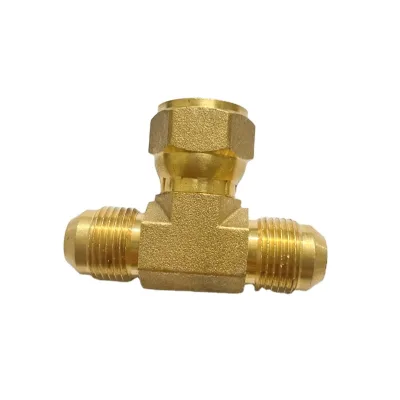
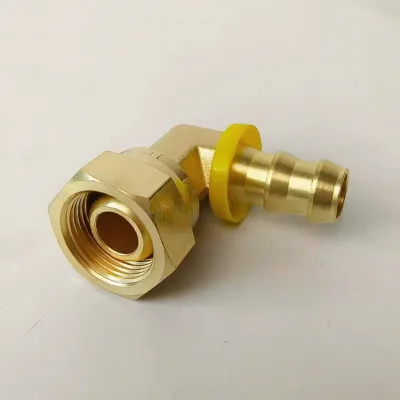


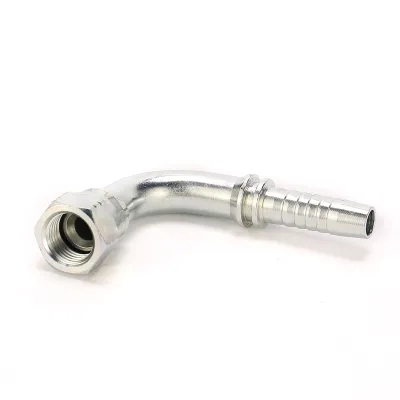


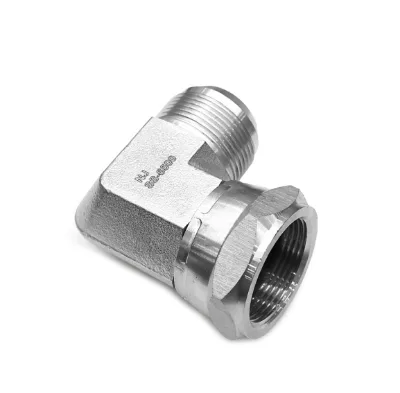
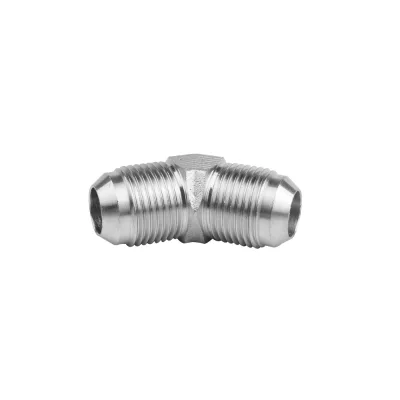


Comprehensive Sourcing Guide
Strategic Sourcing Guide for High Pressure Swivel JIC Fittings
Procuring high-pressure swivel JIC fittings requires a disciplined approach that balances technical precision with rigorous supplier verification. In the industrial fluid power sector, the JIC (Joint Industrial Council) standard remains a dominant specification for hydraulic connections, particularly where high-pressure integrity is non-negotiable. Buyers must navigate a complex landscape of material properties, pressure ratings, and certification requirements to ensure that the selected components will perform reliably under operational stress. This guide outlines the critical factors for sourcing these components, focusing on evidence-based evaluation rather than marketing claims.
Technical Specifications and Dimensional Standards
The core of any successful procurement strategy lies in a precise understanding of the technical specifications. For JIC fittings, the defining characteristic is the 37-degree flare angle, which distinguishes them from other thread standards like NPT (National Pipe Taper). When sourcing swivel variants, the buyer must verify that the internal thread geometry and the swivel mechanism are compatible with the specific hose or pipe being used. The supplied data indicates that specific models adhere to the JIC thread standard, with thread types explicitly listed as "jic" in the product attributes.
Dimensional accuracy is paramount. The product data highlights a "System of Measurement" in inches, with specific size options such as 1/2" and 3/4". Buyers must ensure that the mounting hole diameter aligns with the application requirements, as the observed data lists values such as 1 inch and 0.5 inches for different configurations. The "Pipe Class" attribute varies in the observed data, with some entries noting "Not Rated" while others specify "1000" or "High Pressure." This discrepancy underscores the necessity for buyers to request explicit pressure ratings for the specific batch they intend to purchase, rather than assuming a universal rating based on the general product category.
Furthermore, the material composition is a critical technical factor. The observed listings frequently cite "brass" as the primary material. While brass offers excellent corrosion resistance and machinability, its suitability for high-pressure applications depends heavily on the specific alloy and the operating environment. For applications involving extreme pressures or aggressive fluids, buyers should verify if alternative materials like stainless steel are available, as the current data does not confirm their presence. The "Technic" attribute of "Turning" suggests a machining process that affects surface finish and dimensional tolerance, which directly impacts the sealing capability of the fitting.
Compliance and Certification Verification
In the realm of industrial components, compliance is not merely a formality but a prerequisite for safety and liability protection. The sourcing data confirms that certain products carry certifications such as ISOCE, RoHS, and GS. These certifications indicate adherence to international standards for environmental safety and electrical or mechanical safety, depending on the specific interpretation of the codes in the local market. However, the presence of one certification does not guarantee that all variants of a product line possess the same status. Buyers must treat certifications as product-specific attributes that require individual verification for each order.
The "Standard" attribute in the data points to specific codes like "03-32" and "Jic." While the background knowledge mentions ISO 8434, a standard for hydraulic fluid power components, the supplied facts do not explicitly confirm that the listed products meet this specific ISO standard. Therefore, buyers should not assume compliance with ISO 8434 based on the general category. Instead, the procurement process must include a direct request for test reports or certification documents that explicitly link the specific model number (e.g., 26791 or 3145) to the relevant standard.
Additionally, the "Customization" attribute is listed as "Available," and "Customized Support" includes OEM, ODM, and OBM options. This flexibility allows buyers to tailor fittings to specific project needs, but it also introduces complexity in compliance. Customized parts may not carry the same pre-existing certifications as standard stock items. Buyers must ensure that any custom modifications do not void existing certifications or require new, costly testing procedures. The "Warranty" period of 6 months is a standard offering, but it should be viewed as a baseline. For high-pressure applications, a longer warranty or a specific performance guarantee regarding pressure retention may be necessary to mitigate risk.
Cost Drivers and Pricing Dynamics
Understanding the cost structure of high-pressure swivel JIC fittings is essential for budgeting and negotiation. The observed price range in the market spans from 0.1 to 15 USD, a wide variance that reflects differences in material quality, manufacturing precision, and order volume. The "MOQ" (Minimum Order Quantity) ranges from 2 to 1500 units, with a specific observed value of 500 pcs for certain items. This variability suggests that unit costs are heavily influenced by order size. Buyers purchasing small quantities may face higher per-unit costs, while those capable of meeting higher MOQs can leverage economies of scale.
Material costs are a primary driver of price. The prevalence of brass in the observed data suggests that the price is tied to the fluctuating market rates of copper and zinc. If a buyer requires a different material, such as stainless steel for higher corrosion resistance or higher strength, the cost will likely increase significantly. The "Surface Treatment" process, listed as "Cleaning" or "Cleaning Supplies," also impacts the final price. Additional treatments like zinc plating (noted as "White Zinc/ Colorful Zinc" in the data) or specialized coatings for extreme environments will add to the manufacturing cost.
Packaging and logistics are secondary but significant cost factors. The data indicates packaging options ranging from "Plastic Bags Inside and Covered with Cartons" to "Carton/Pallet/Wooden Box." For high-value or precision components, the choice of packaging affects the risk of damage during transit and the associated insurance costs. The "Single gross weight" of 0.15 kg and "Single package size" of 5x5x5 cm provide a baseline for shipping calculations, but bulk orders will require palletization, which increases the total shipping volume and cost. Buyers should factor in these logistical expenses when comparing total landed costs from different suppliers.
Typical Applications and Operational Context
High-pressure swivel JIC fittings are designed for a diverse range of industrial applications where fluid transfer under pressure is critical. The "Application" attribute explicitly states "Connect Pipes," while the "Medium" attribute lists "Water, Gas, Air, Oil, Steam and so on." This versatility makes them suitable for hydraulic systems, pneumatic lines, and industrial machinery. The "Usage" field specifically mentions "hydraulic hose," confirming their primary role in fluid power transmission.
The "Working Temperature" range observed in the data varies from "Normal Temperature" to "-20 ~ +200 Degree" and even "High Temperature." This wide range indicates that different product variants are engineered for different thermal environments. Buyers must match the fitting's temperature rating to the specific operating conditions of their system. For instance, a fitting rated for "Normal Temperature" would be unsuitable for a steam line or a high-heat hydraulic circuit. Similarly, the "Pressure" attribute shows a split between "Low Pressure," "Medium Pressure," and "High Pressure." Selecting a fitting with an insufficient pressure rating for a high-pressure application can lead to catastrophic failure, making this a critical selection criterion.
The "Shape" attribute lists both "Straight" and "Reduce," indicating that the fittings come in various configurations to accommodate different pipe diameters and alignment needs. The "Head Code" of "Hexagon" suggests that these fittings are designed for wrench tightening, which is standard for high-pressure applications to ensure a secure connection. The "Connectivity" is noted as "Female," which is typical for swivel fittings that connect to male-threaded hoses or pipes. Understanding these application-specific details ensures that the selected fittings will integrate seamlessly into the existing system without requiring adapters or modifications that could compromise integrity.
Supplier Evaluation and Quality Control
Evaluating suppliers for high-pressure components requires a focus on reliability, transparency, and quality assurance capabilities. The "Place of Origin" is consistently listed as "China," specifically "Zhejiang, China," which is a major manufacturing hub for hardware and fittings. While this region offers competitive pricing and a robust supply chain, buyers must implement rigorous quality control measures. The "Brand Name" "Dingfei" is observed in the data, but buyers should not rely on brand reputation alone. Instead, they should verify the supplier's track record, production capacity, and quality management systems.
Quality control should begin with the verification of raw materials. Buyers should request material test certificates (MTCs) to confirm the chemical composition and mechanical properties of the brass or other materials used. The "Surface Treatment" process, such as cleaning or plating, should be inspected to ensure it meets the required standards for corrosion resistance and durability. The "Certification" status should be validated through third-party audits or direct requests for current certificates. Given the "Customization" options, buyers must also ensure that the supplier has the engineering capability to maintain tolerances and quality standards during the customization process.
The "Warranty" of 6 months is a standard offering, but it should be complemented by a clear return and replacement policy. For high-pressure applications, the risk of failure is higher, and a robust warranty is essential. Buyers should also inquire about the supplier's testing procedures, such as hydrostatic pressure testing or burst pressure testing, to ensure that the fittings meet the specified pressure ratings. The "MOQ" of 500 pcs or higher may indicate a focus on larger industrial clients, which can be a positive sign of stability, but it also requires a larger initial investment. Buyers should negotiate terms that allow for smaller trial orders to validate quality before committing to larger volumes.
Long-Term Procurement Considerations
Sourcing high-pressure swivel JIC fittings is not a one-time transaction but a long-term partnership that impacts operational continuity and safety. The "Packing" methods, including "Carton/Pallet/Wooden Box," are designed to protect the fittings during storage and transport, but buyers should also consider the long-term storage conditions. Exposure to humidity or corrosive environments can degrade the fittings over time, even if they are initially compliant. Proper storage protocols, such as keeping fittings in a dry, climate-controlled environment, are essential to maintain their integrity until installation.
The "Customized Support" for OEM, ODM, and OBM indicates that suppliers are willing to collaborate on long-term projects. This flexibility is valuable for buyers who need to scale their operations or adapt to changing industry standards. However, it also requires a clear communication channel and a shared understanding of quality expectations. Buyers should establish a formal quality agreement that outlines the standards for materials, manufacturing processes, and testing. This agreement should also define the procedures for handling non-conforming products and the timeline for corrective actions.
Finally, the "System of Measurement" in inches and the specific "Thread standard" of JIC require that buyers maintain a consistent supply chain. Switching suppliers or standards mid-project can lead to compatibility issues and downtime. Therefore, buyers should aim to consolidate their sourcing to a few reliable suppliers who can consistently meet the required specifications. The "Lead time" and "Location" factors should also be considered in the context of supply chain resilience. While the data does not provide specific lead times, buyers should negotiate realistic delivery schedules that account for potential delays in production or shipping. By focusing on long-term relationships and rigorous quality control, buyers can ensure a steady supply of high-performance JIC fittings that support their operational goals.
FAQs
What certifications do high pressure swivel jic fittings carry?
Products carry ISOCE, RoHS, and GS certifications. These indicate adherence to safety and environmental standards, but buyers must verify that specific model numbers like 26791 or 3145 hold these valid certificates before ordering.
Which pressure ratings are available for these fittings?
Fittings are available in low, medium, and high pressure ratings. The specific rating depends on the model, so buyers must confirm the pressure class matches their system requirements to prevent failure during operation.
Can I customize the fittings with my own brand?
Yes, customization is available with OEM, ODM, and OBM support. Buyers can request specific branding or modifications, but they must ensure that custom changes do not void existing product certifications or safety guarantees.
What is the minimum order quantity for these fittings?
The minimum order quantity ranges from 2 to 1500 pieces depending on the supplier. A common observed MOQ is 500 pieces, so buyers should check specific supplier terms to align with their budget and storage capacity.
Where are these high pressure swivel jic fittings manufactured?
These fittings originate from Zhejiang, China. Buyers should verify the specific factory location and production capacity to ensure reliable lead times and consistent quality control for their industrial fluid power applications.
What materials are used to make these fittings?
Brass is the primary material used for these fittings. This material offers good corrosion resistance, but buyers should confirm the specific alloy grade if their application involves extreme temperatures or aggressive fluids.
How long is the warranty period for these fittings?
The standard warranty period is six months. For high-pressure applications, buyers should negotiate extended warranties or specific performance guarantees to mitigate the risk of failure under operational stress.
What temperature range can these fittings withstand?
Fittings can operate from normal temperatures up to 200 degrees Celsius. Buyers must select the correct variant based on their specific working temperature to ensure the seal remains intact during operation.