Source High Pressure Steam Jewelry Cleaner for Shops, Workshops, and Retailers
Find and compare 30 High Pressure Steam Jewelry Cleaner options from verified suppliers. Evaluate models like the JP-6L and CWCC200 based on voltage, power, and application to select the right equipment for your business needs.
Key considerations
Products List
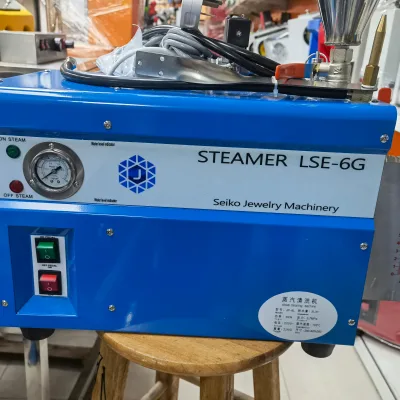
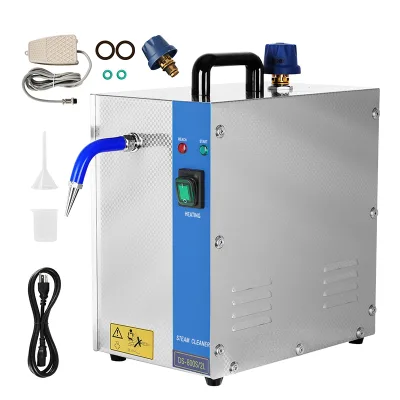


High Pressure Steam Cleaner Machine Car Sofa Kitchen Steam vacuum Cleaner for Home
$46.20 - $48.50
MOQ: 558 Pieces

High Pressure Temperature Handheld Electric Steam Cleaner for Car Home Wash
$46.20 - $48.50
MOQ: 558 Pieces

High Pressure Handheld 9 in 1 Multipurpose Steam Cleaner for House Cleaning
$9.90 - $19.80
MOQ: 2 Pieces


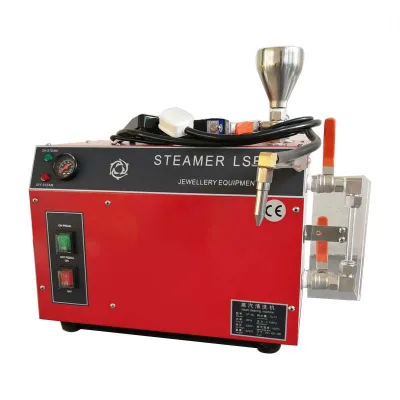
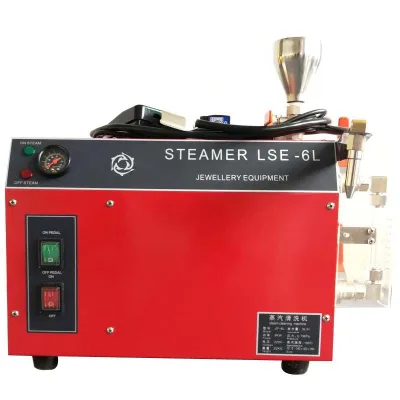
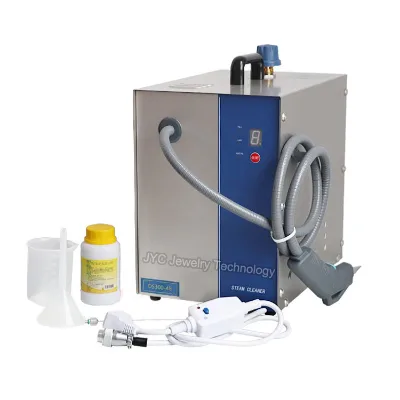


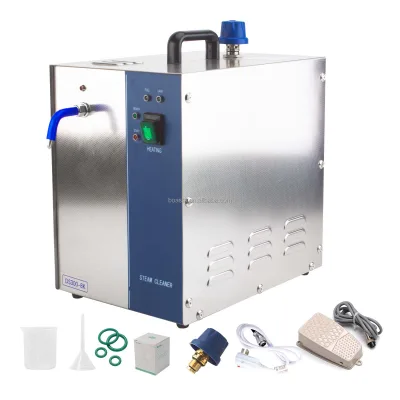
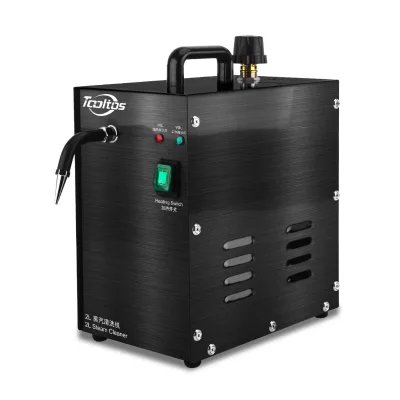

$500000.00 - $1000000.00
MOQ: 1 Pieces
Comprehensive Sourcing Guide
High Pressure Steam Jewelry Cleaner Sourcing Guide
Sourcing industrial-grade steam cleaning equipment for jewelry manufacturing and retail requires a nuanced understanding of both thermal dynamics and material compatibility. The market presents a diverse array of machines, ranging from compact handheld units suitable for delicate stone settings to robust, high-pressure steam generators designed for heavy-duty industrial applications. Buyers must navigate this spectrum by distinguishing between low-pressure steam cleaners intended for general surface cleaning and high-pressure systems capable of removing stubborn industrial contaminants such as polishing compounds, oils, and flux residues without damaging sensitive gemstones or metal alloys. The decision often hinges on the specific volume of production and the precision required for the cleaning process, making it essential to align machine capabilities with operational throughput needs.
This guide focuses on the technical and commercial realities of procuring high-pressure steam jewelry cleaners, drawing from observed market listings and standard industry practices. While many suppliers offer versatile cleaning solutions, the specific requirements for jewelry processing demand careful verification of temperature stability, pressure consistency, and nozzle design. Buyers are advised to treat product attributes as observations rather than universal guarantees, ensuring that each selected unit meets the precise operational parameters of their facility. By focusing on verified specifications and rigorous supplier qualification, procurement teams can mitigate risks associated with equipment failure, safety incidents, and non-compliance with international trade standards.
Product Scope and Observed Listing Signals
The current market landscape for steam cleaning equipment reveals a wide variance in product configurations, with observed listings indicating a price range from approximately $3.50 to $1,000,000 USD. This broad spectrum reflects the difference between simple handheld steam wands and complex, automated industrial steam generation systems. Minimum Order Quantities (MOQs) typically range from 1 to 1,000 units, suggesting that while individual purchases are feasible for small workshops, larger enterprises may benefit from bulk procurement strategies to secure better commercial terms. Buyers should note that the presence of a low MOQ does not necessarily indicate a lower quality threshold, but rather reflects the supplier’s flexibility in serving diverse customer segments, from independent jewelers to large-scale manufacturing plants.
Observed product attributes highlight specific technical preferences, such as a steam temperature of 100°C and a consumption rate of 3L/H for certain models, alongside higher-capacity units with power ratings up to 3KW. These figures provide a baseline for understanding the energy efficiency and output capacity of different machine classes. For instance, models with a 3KW power rating and a pressure of 0.7MPa are likely designed for more aggressive cleaning tasks, whereas units with lower power consumption may be better suited for delicate items. The variety in single package sizes, ranging from compact dimensions like 240420260 MM to larger industrial footprints, further underscores the need for buyers to assess spatial constraints within their cleaning stations. Understanding these signals helps in filtering suppliers based on the actual physical and operational requirements of the procurement project.
Technical Specifications to Verify
When evaluating technical specifications, the voltage and power requirements of the steam cleaner are paramount for ensuring compatibility with existing facility infrastructure. Observed listings frequently cite a voltage of 220V~, which is standard in many regions, but buyers must verify the exact phase and amperage requirements to prevent electrical overloads or inefficiencies. Additionally, the power rating, which can vary significantly from 2000W to 3KW, directly impacts the rate of steam generation and the machine’s ability to maintain consistent pressure during continuous operation. Buyers should request detailed electrical schematics and confirm that the supplier’s specifications align with local grid standards, as mismatches can lead to costly retrofits or operational downtime.
The physical dimensions and weight of the equipment are critical factors for logistics and workspace planning. Listings show a wide range of sizes, from handheld units weighing 1kg to larger industrial machines weighing up to 25kg, with package dimensions varying accordingly. For example, some models are packaged in wooden cases with standard dimensions like 1000x450x1000MM, indicating a need for robust handling and specialized shipping arrangements. Buyers must verify the single gross weight and package dimensions to calculate accurate freight costs and ensure that the equipment can be safely maneuvered within the facility. Furthermore, the material construction, often stainless steel for durability and corrosion resistance, should be inspected to ensure it meets hygiene and longevity standards required in jewelry processing environments.
Compliance and Safety Documentation
Compliance with international safety and environmental standards is a non-negotiable aspect of sourcing high-pressure steam equipment. Certifications such as CE are commonly observed in product listings, indicating that the equipment meets European health, safety, and environmental protection requirements. Buyers should request valid certification documents and verify their authenticity through the relevant notified bodies, as counterfeit certificates are a risk in global trade. Additionally, while RoHS and ISO9001 are mentioned in background contexts, buyers must confirm whether these certifications apply to the specific model being purchased, as they may only cover certain product lines or manufacturing processes rather than the final assembled unit.
Safety features and operational protocols must be thoroughly documented to protect personnel and ensure regulatory compliance. High-pressure steam systems pose significant risks, including burns and pressure-related injuries, so machines should be equipped with appropriate safety valves, pressure relief mechanisms, and clear operational instructions. Buyers should verify that the supplier provides comprehensive user manuals in the local language and that the equipment includes necessary safety labels and warnings. Furthermore, the drive type, whether gasoline, diesel, or electric, impacts the environmental compliance and ventilation requirements of the workspace. Electric models are generally preferred for indoor jewelry cleaning due to lower emissions, but buyers must confirm the specific drive mechanism and associated safety documentation for each unit.
Cost Drivers and Commercial Terms
The total cost of ownership for a high-pressure steam jewelry cleaner extends beyond the initial purchase price, encompassing energy consumption, maintenance, and spare parts availability. Observed price ranges suggest that factors such as power rating, pressure capacity, and material quality significantly influence the base cost. Buyers should analyze the energy efficiency of the machine, particularly the steam consumption rate and power rating, to estimate long-term operational expenses. For instance, a machine with a 3KW power rating and 3L/H consumption may have a higher upfront cost but offer better efficiency for high-volume cleaning tasks, whereas lower-power units may be more cost-effective for occasional use.
Commercial terms, including payment methods, shipping conditions, and warranty policies, play a crucial role in the procurement process. Suppliers often offer customization options, which can increase costs but may be necessary to meet specific operational needs. Buyers should negotiate clear terms regarding lead times, port of dispatch, and packaging details to avoid hidden costs. For example, shipments from Guangzhou or Shenzhen, China, may have different transit times and freight costs compared to other origins. Additionally, the packaging method, such as bubble bag, foam, carton, or wooden case, affects the risk of damage during transit and should be factored into the overall cost analysis. Establishing a clear understanding of these commercial terms helps in budgeting accurately and avoiding unexpected expenses.
Supplier Qualification and Quality Control
Supplier qualification is a critical step in ensuring the reliability and quality of the procured steam cleaning equipment. Buyers should conduct thorough due diligence on potential suppliers, verifying their business licenses, manufacturing capabilities, and quality control processes. The place of origin, often China, provides context for the supply chain but does not guarantee quality; therefore, buyers must assess the supplier’s track record and customer feedback. Requesting samples or conducting factory audits can provide valuable insights into the manufacturing standards and consistency of the products. Additionally, verifying the supplier’s ability to provide after-sales support and technical assistance is essential for long-term operational success.
Quality control measures should be integrated into the procurement process to ensure that the delivered equipment meets the specified technical requirements. Buyers should define clear acceptance criteria based on the observed specifications, such as steam temperature, pressure, and power consumption, and include these in the purchase contract. Implementing pre-shipment inspections can help identify any defects or discrepancies before the goods are dispatched. Furthermore, establishing a clear communication channel with the supplier for addressing any issues that arise during installation or operation is vital. By prioritizing supplier qualification and rigorous quality control, buyers can minimize the risk of receiving substandard equipment and ensure a smooth procurement experience.
Long-Term Procurement Checks
Long-term procurement success depends on establishing a sustainable relationship with suppliers and continuously monitoring equipment performance. Buyers should implement a regular maintenance schedule and keep a stock of essential spare parts to minimize downtime. Tracking the performance metrics of the steam cleaners, such as steam output consistency and pressure stability, can help identify potential issues early and facilitate timely repairs. Additionally, staying informed about technological advancements in steam cleaning equipment can provide opportunities for upgrading or replacing older units with more efficient models. Engaging with the supplier for periodic reviews and feedback can also help in optimizing the procurement strategy and addressing any emerging needs.
Finally, buyers should regularly review their procurement policies and supplier performance to ensure alignment with organizational goals and market changes. This includes evaluating the cost-effectiveness of the current equipment, assessing the reliability of the supply chain, and exploring alternative suppliers if necessary. By maintaining a proactive approach to procurement, buyers can ensure that their high-pressure steam jewelry cleaners continue to meet the evolving demands of their operations. Continuous improvement and adaptation are key to sustaining competitive advantage and operational efficiency in the jewelry manufacturing and cleaning sectors.
FAQs
What is the steam temperature of the jewelry cleaner?
The steam temperature reaches 100°C for effective cleaning. This temperature is suitable for removing dirt from jewelry without damaging delicate materials during the cleaning process.
Which voltage does the machine require for operation?
The machine operates on 220V~ voltage. This standard voltage ensures compatibility with most industrial and commercial power supplies in regions where this equipment is commonly used.
Can the product be customized for specific needs?
Yes, customization is available for this jewelry cleaning machine. Buyers can request specific modifications to meet unique operational requirements or branding preferences through the supplier.
What is the power consumption rate of the unit?
The unit consumes 3KW of power during operation. This power rating supports efficient steam generation while maintaining energy efficiency for continuous industrial or commercial cleaning tasks.
Which certifications does the equipment hold?
The equipment holds CE certification for safety and compliance. This certification indicates the product meets essential health, safety, and environmental protection requirements for the European market.
What is the minimum order quantity for this item?
The minimum order quantity ranges from 1 to 1000 units depending on the supplier. Buyers should verify specific MOQ requirements with vendors to align with their procurement volume.
How is the product packaged for shipping?
The product is packaged in a bubble bag, foam, and carton. This multi-layer packaging ensures protection against damage during transit and handling by logistics providers.