Source High Purity Helional Fragrance Ingredient for Cosmetics
Find High Purity Helional Fragrance Ingredient among 30 listings from verified suppliers. Compare specifications, prices, and packaging options for cosmetic, analytical, and industrial applications.
Key considerations
Products List


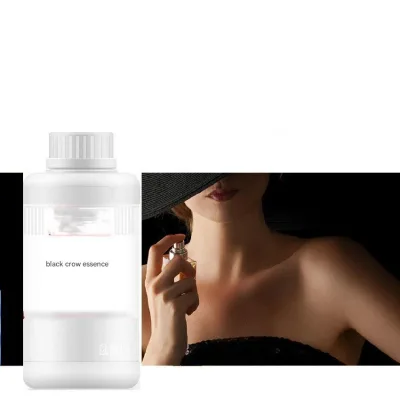
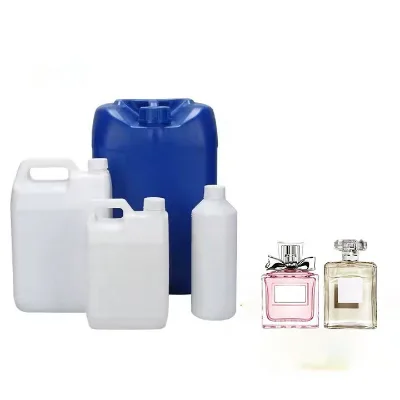
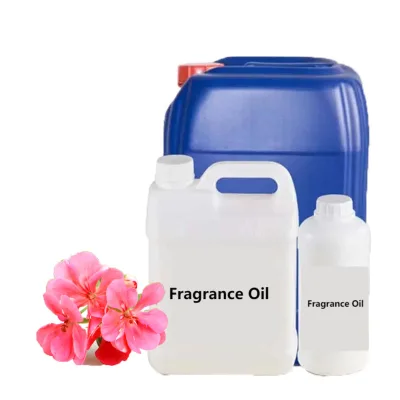
Factory supply fragrance oil raw material of perfume making oil base for women and man
$16.30 - $20.37
MOQ: 1 kilograms
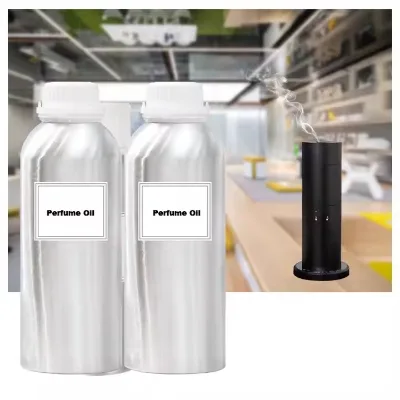
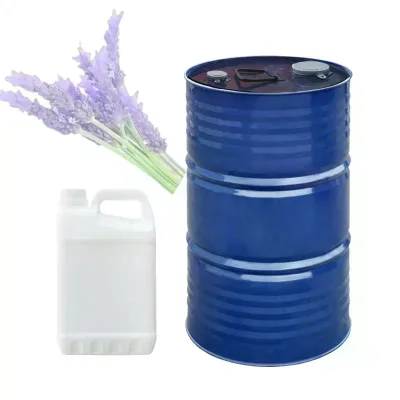
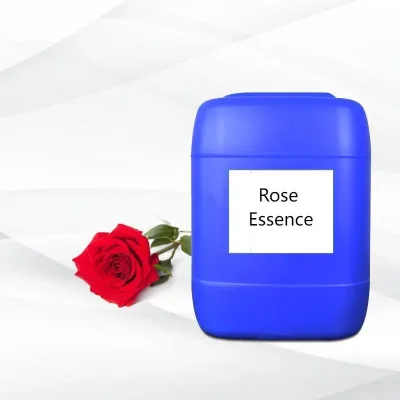

Concentrated Formula, Refreshing Lemon Scent,
$350.00 - $1000.00
MOQ: 10 Tons
Hangzhou Miuge Chemical Commodities Science & Technology Co., Ltd.

Toilet Agent Efficient and Fresh Smell
$350.00 - $1000.00
MOQ: 25 metric ton
Hangzhou Miuge Chemical Commodities Science & Technology Co., Ltd.

Comprehensive Sourcing Guide
Strategic Sourcing Guide for High Purity Helional Fragrance Ingredients
The global market for high-purity fragrance ingredients continues to expand as the demand for complex olfactory profiles in cosmetics, personal care, and industrial applications grows. Buyers seeking "High Purity Helional Fragrance Ingredient" must navigate a landscape defined by precise chemical specifications, rigorous quality control protocols, and diverse supplier capabilities. Helional, chemically known as 2,5-hexanedione, is a critical component in modern perfumery, often utilized for its unique fresh, aquatic, and woody nuances. However, sourcing this specific compound requires a disciplined approach to ensure that the material meets the stringent purity standards required for high-end applications. This guide provides a comprehensive framework for procurement professionals to evaluate suppliers, verify technical data, and manage the risks associated with sourcing this specialized chemical.
Technical Specifications and Chemical Identity
The foundation of any successful procurement strategy lies in the precise identification of the target material. For helional, the chemical identity is anchored by specific identifiers that distinguish it from similar compounds. The core chemical name is 2,5-hexanedione, and it is frequently associated with the CAS number 110-13-4. In the context of high-purity sourcing, buyers must verify that the supplier provides documentation confirming this exact CAS number, as variations in chemical structure can lead to significant differences in olfactory performance and safety profiles.
Physical properties are equally critical for storage, handling, and formulation compatibility. The material typically presents as a colorless liquid, a characteristic that facilitates its integration into various cosmetic and fragrance bases. The molecular weight is a fixed attribute of 114.14, which is essential for calculating molar concentrations in complex formulations. Furthermore, the boiling point of 282°C and a density of 1.162g/Ml are key parameters that influence distillation processes and stability assessments. Buyers should note that the LogP value, indicating lipophilicity, is approximately 2.4 at 25°C, a factor that affects the ingredient's solubility in oil-based versus water-based systems.
Purity is the defining metric for "high purity" classifications. Market observations suggest that premium grades often target a purity level of 99%. However, this figure should not be assumed as a universal standard for all listings. Procurement teams must request batch-specific Certificates of Analysis (CoA) to confirm the actual purity percentage for each shipment. Additionally, the material is classified under specific chemical categories such as saturated ketones and fatty aldehydes, which informs its reactivity and potential interactions with other formulation components.
Regulatory Compliance and Certification Verification
Navigating the regulatory landscape is a non-negotiable aspect of sourcing high-purity fragrance ingredients. While specific certification statuses for individual suppliers may vary, buyers must ensure that their suppliers adhere to international safety and environmental standards. The International Fragrance Association (IFRA) standards are the primary benchmark for safety in fragrance usage, and compliance with these guidelines is essential for market access in the European Union, North America, and other regulated regions.
When evaluating suppliers, buyers should inquire about adherence to REACH regulations, particularly for shipments destined for the European market. Although specific certification data for individual vendors may not be publicly available in general listings, the expectation of REACH compliance is a standard requirement for high-quality chemical suppliers. Furthermore, the product origin plays a significant role in regulatory compliance. Suppliers originating from regions such as Shandong or Hebei in China must demonstrate that their manufacturing processes align with local and international export standards.
Buyers must also verify the classification of the product under Harmonized System (HS) codes for customs clearance. For fragrance ingredients, codes such as 3301299999 are commonly relevant, but the exact classification depends on the specific chemical composition and intended use. Ensuring that the supplier provides accurate HS codes prevents delays at customs and ensures that all import duties and taxes are calculated correctly. Additionally, the product's grade standard, whether Industrial Grade or higher, must be explicitly stated to avoid mismatches between the ordered specification and the delivered material.
Cost Drivers and Pricing Dynamics
The pricing of high-purity helional is influenced by a complex interplay of factors, including raw material costs, manufacturing complexity, and market demand. Observed price ranges in the market can vary significantly, from as low as $0.20 to as high as $2600, depending on the quantity, purity level, and packaging requirements. This wide range underscores the importance of defining the exact procurement parameters before engaging with suppliers.
Volume is a primary driver of cost efficiency. Minimum Order Quantities (MOQ) typically range from 1kg to 3000kg, with larger orders often commanding lower unit prices. Suppliers may offer different pricing tiers based on whether the order is for standard shipping packaging or customized solutions. The packaging standard, often cited as 25kg per carton drum or 200kg per drum, also impacts the final cost, as specialized packaging for hazardous or sensitive materials incurs additional expenses.
Logistics and shipping methods further influence the total cost of ownership. Options such as land, sea, and air freight offer different trade-offs between speed and cost. Air freight is generally more expensive but suitable for urgent, small-batch orders, while sea freight is more economical for large volumes but involves longer lead times. Buyers should also consider the storage requirements, such as the need for inert gas storage at temperatures between 2-8°C for certain grades, which may necessitate specialized cold chain logistics and add to the overall expense.
Typical Applications and Formulation Compatibility
High-purity helional is versatile and finds application across multiple industries, primarily in the fragrance and cosmetic sectors. Its unique olfactory profile makes it a preferred ingredient for creating fresh, aquatic, and woody accords in perfumes, lotions, and body washes. The material is also utilized as a raw material in the production of flavors and fragrances, contributing to the complexity and longevity of the final product.
In the industrial sector, helional serves as a key component in various chemical processes where its specific reactivity as a saturated ketone is advantageous. The material's classification as an organic reagent highlights its utility in laboratory and analytical applications, where high purity is essential for accurate results. Additionally, its use as a food additive in specific contexts requires strict adherence to safety standards, ensuring that the ingredient meets the necessary purity and quality thresholds for consumption.
The compatibility of helional with other ingredients is a critical consideration for formulators. Its colorless appearance and liquid state make it easy to blend into various bases without altering the visual properties of the final product. However, the material's specific chemical properties, such as its aldehyde and ketone functionalities, may require careful formulation to prevent unwanted reactions or degradation over time. Buyers should work closely with their technical teams to validate the stability and performance of helional in their specific formulations before scaling up production.
Supplier Evaluation and Quality Control Protocols
Selecting the right supplier is paramount to ensuring the consistent quality of high-purity helional. Buyers should evaluate potential partners based on their production capabilities, quality control systems, and track record in the industry. Key indicators of a reliable supplier include the availability of detailed product specifications, such as the CAS number 110-13-4, and the ability to provide batch-specific Certificates of Analysis.
Quality control protocols should be robust and transparent. Suppliers must demonstrate their ability to test for key parameters such as purity, density, boiling point, and color. The shelf life of the material, which can be up to 24 months under proper storage conditions, is another critical factor. Buyers should verify that the supplier has a documented process for maintaining product integrity during storage and transportation, including the use of appropriate packaging materials and environmental controls.
When evaluating suppliers, buyers should also consider the origin of the product. Suppliers from regions like Shandong and Hebei have established reputations in the chemical industry, but it is essential to verify that their specific facilities meet international quality standards. The ability to offer customization, such as tailored packaging or specific purity levels, is also a valuable attribute that can differentiate a supplier in a competitive market.
Long-Term Procurement Considerations and Risk Management
Sourcing high-purity helional is not a one-time transaction but a long-term partnership that requires ongoing management and risk mitigation. Buyers should establish clear communication channels with their suppliers to ensure that any changes in production processes, regulatory requirements, or market conditions are promptly communicated. This proactive approach helps to prevent disruptions in the supply chain and ensures that the procurement team can adapt to changing circumstances.
Risk management strategies should include diversifying the supplier base to reduce dependency on a single source. This approach mitigates the risk of supply shortages caused by production issues, logistical challenges, or geopolitical factors. Additionally, buyers should maintain a buffer stock of the material to account for potential delays in delivery or unexpected increases in demand.
Long-term procurement also involves monitoring the market for trends and innovations in fragrance ingredients. As the industry evolves, new formulations and applications may emerge that require different specifications or purity levels. By staying informed about these developments, buyers can position themselves to capitalize on new opportunities and maintain a competitive edge in their respective markets.
Conclusion
Sourcing high-purity helional fragrance ingredients requires a meticulous approach that balances technical precision, regulatory compliance, and strategic supplier management. By understanding the critical specifications, evaluating suppliers rigorously, and implementing robust quality control measures, buyers can secure a reliable supply of this essential chemical. The journey from raw material to finished product is complex, but with the right knowledge and preparation, procurement professionals can navigate the challenges and achieve their objectives. As the market continues to evolve, staying informed and adaptable will be key to success in the procurement of high-purity fragrance ingredients.
FAQs
What is the CAS number for High Purity Helional Fragrance Ingredient?
The CAS number is 110-13-4. This identifier distinguishes the specific chemical structure of 2,5-hexanedione from similar compounds to ensure correct olfactory performance and safety profiles in formulations.
How should High Purity Helional Fragrance Ingredient be stored?
Storage requires conditions under inert gas at temperatures between 2-8°C. This specific environment preserves the chemical integrity and prevents degradation during the shelf life of up to 24 months.
Which physical properties define the High Purity Helional Fragrance Ingredient?
It appears as a colorless liquid with a molecular weight of 114.14. The boiling point is 282°C and density is 1.162g/Ml, which are critical for distillation and stability assessments.
Can buyers request customization for High Purity Helional Fragrance Ingredient?
Yes, customization is available for packaging and specific purity requirements. Suppliers often offer standard shipping packaging or customizable solutions like 25kg drums to meet diverse logistical and formulation needs.
What is the typical purity level for High Purity Helional Fragrance Ingredient?
Premium grades typically target a purity level of 99%. Buyers must request batch-specific Certificates of Analysis to confirm the actual percentage for each shipment rather than assuming a universal standard.
Which industries utilize High Purity Helional Fragrance Ingredient?
It is used in cosmetics, flavors, and industrial applications as an organic reagent. The material serves as a raw material for creating fresh, aquatic, and woody accords in perfumes and lotions.