Source Dragon Fruit Electronic Liquids for Vaping, Blends, and DIY
Source Dragon Fruit Electronic Liquids from 30 verified suppliers. Compare specifications, packaging options, and pricing for vaping applications. Evaluate flavor concentrates and synthetic options to find the right fit for your e-liquid production needs; compare the available evidence and request quotations based on your requirements.
Key considerations
Products List




Comprehensive Sourcing Guide
Dragon Fruit Electronic Liquids Sourcing Guide
Sourcing Dragon Fruit Electronic Liquids requires a nuanced understanding of the intersection between food-grade flavor concentrates and vaping-specific formulations. Buyers must distinguish between products intended for direct food processing and those engineered for vaporization, as the base solvents and carrier agents differ significantly. The market offers a variety of liquid flavor concentrates, ranging from synthetic to natural origins, with specific applications noted for food, tobacco, and daily use. However, for electronic liquid applications, the purity and solubility of the concentrate in propylene glycol or vegetable glycerin are critical performance indicators that dictate the final user experience.
Procurement teams should prioritize suppliers who provide transparent data on concentration levels and recommended usage ratios. Observed listings indicate that some flavor concentrates are designed for addition rates between five and eight percent in PG/VG blends, which is a standard benchmark for electronic liquid manufacturing. It is essential to verify whether the product is a high-concentrate flavor meant for dilution or a ready-to-use solution. Misinterpreting the concentration can lead to inconsistent flavor profiles or improper viscosity, affecting both the coil lifespan and the vapor production quality for the end consumer.
Product Scope and Observed Listing Signals
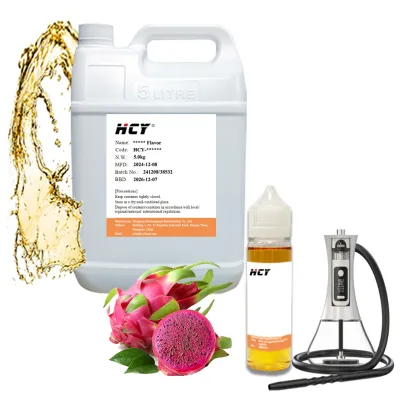
The observed product landscape includes a wide array of flavor concentrates with varying physical attributes and packaging options. Listings frequently describe the appearance as colorless to light yellow, indicating a refined base suitable for clear electronic liquids. Packaging sizes range from small sample volumes like 125ml to larger industrial containers such as 5L, allowing buyers to scale their procurement based on production volume. The presence of multiple packaging materials, including plastic bottles, aluminum foil bags, and cartons, suggests that suppliers cater to both small-batch artisans and large-scale manufacturers, requiring careful selection of the appropriate unit size for cost efficiency.
Buyers should note the diversity in product models and standards, with some listings specifying fruit concentrate flavors while others highlight specific models like dragon fruit. The availability of free samples, often provided in multiple styles and small volumes, is a critical signal for quality assessment. This allows procurement teams to test the aroma intensity and compatibility with their base liquids before committing to bulk orders. However, the presence of generic terms like "NA" for model numbers or certifications in some listings necessitates a higher degree of due diligence to ensure the specific dragon fruit variant meets the required sensory and chemical specifications.
Technical Specifications to Verify
Verifying the physical state and chemical composition of the flavor concentrate is paramount for electronic liquid formulation. Buyers must confirm whether the product is an oily liquid or a water-soluble concentrate, as this determines its compatibility with PG/VG bases. High concentration levels are often advertised, but the exact purity and absence of particulates must be validated through supplier documentation. The form of the product, whether it is a liquid flavor concentrate or an essential oil derivative, directly impacts the mixing process and the stability of the final electronic liquid over time.
Additionally, the recommended usage ratio is a key technical parameter that influences the final product's strength and safety. Listings indicating an addition rate of five to eight percent provide a baseline, but buyers should verify if this ratio applies to their specific base liquid composition. The CAS number and other chemical identifiers should be cross-referenced to ensure the flavoring agent is suitable for inhalation, even if the primary certification is for food grade. Understanding the raw material source, whether oil-based or synthetic, helps in predicting the flavor's longevity and its interaction with heating coils in electronic devices.
Compliance and Safety Documentation
Safety documentation is the cornerstone of compliant sourcing for electronic liquid ingredients. Buyers must request Material Safety Data Sheets (MSDS) to understand the handling, storage, and transportation requirements of the flavor concentrate. While some listings mention ISO certifications, it is crucial to verify if these apply to the manufacturing facility or the specific product batch. The presence of HACCP and ISO22000 certifications indicates a strong food safety management system, which is a positive indicator for hygiene and quality control, but it does not automatically certify the product for inhalation use.
Procurement teams should also investigate the specific grade of the product, such as food grade high concentrate or top grade, and ensure it aligns with regulatory requirements for electronic liquids. The distinction between food grade and vaping-grade is significant, as the latter may require additional testing for thermal degradation products. Buyers should not assume that a product certified for food processing is automatically safe for vaporization without explicit confirmation from the supplier. Requesting detailed compliance reports and verifying the origin of the raw materials helps mitigate risks associated with unknown additives or contaminants.
Cost Drivers and Commercial Terms
The cost of Dragon Fruit Electronic Liquids is influenced by several factors, including the concentration level, packaging size, and the complexity of the flavor profile. High-concentrate flavors may offer a lower cost per unit of flavor intensity but require precise dilution, which adds to the operational complexity. Buyers should analyze the price range in relation to the volume purchased, as observed listings show a wide variance from low-cost samples to premium bulk quantities. Understanding the minimum order quantity (MOQ) requirements is essential for budgeting, as some suppliers may have high MOQs that impact cash flow for smaller operations.
Commercial terms such as delivery time and shipping methods also play a significant role in the total cost of ownership. Listings indicating a delivery time of one to three days suggest efficient logistics, which can reduce inventory holding costs. However, buyers must account for shipping expenses, which can vary based on the weight and dimensions of the package. Negotiating favorable terms for sample orders and bulk purchases can lead to significant savings. It is advisable to clarify all costs, including taxes and duties, upfront to avoid unexpected expenses that can erode profit margins.
Supplier Qualification and Quality Control
Evaluating supplier qualification involves assessing their manufacturing capabilities and quality assurance processes. Buyers should verify the supplier's location and production capacity to ensure they can meet demand consistently. Suppliers with certifications like ISO9001 demonstrate a commitment to quality management systems, which is a positive indicator for product consistency. However, buyers should also request evidence of batch-to-batch consistency, as variations in flavor intensity can affect the final product's quality. Asking for references or case studies from other electronic liquid manufacturers can provide insights into the supplier's reliability and performance.
Quality control measures should include rigorous testing for purity, aroma accuracy, and compatibility with base liquids. Buyers should inquire about the supplier's testing protocols and whether they conduct internal or third-party testing. The availability of customization options is another important factor, as it allows buyers to tailor the flavor profile to their brand's unique identity. However, customization may involve additional costs and longer lead times, so it should be weighed against the potential market advantage. Establishing a clear communication channel with the supplier for addressing quality issues is essential for maintaining product integrity.
Long-Term Procurement Checks
Long-term procurement success depends on establishing a robust relationship with suppliers and continuously monitoring product performance. Buyers should implement a system for tracking supplier performance metrics, such as delivery accuracy, product consistency, and responsiveness to issues. Regular audits of the supplier's quality control processes can help identify potential problems before they impact production. Building a diversified supplier base can mitigate risks associated with supply chain disruptions, ensuring that the business can maintain operations even if one supplier faces challenges.
Furthermore, staying informed about regulatory changes and industry trends is crucial for long-term compliance and competitiveness. Buyers should regularly review the safety data and compliance documentation of their flavor concentrates to ensure they meet evolving standards. Engaging with industry associations and attending trade shows can provide valuable insights into new technologies and best practices. By maintaining a proactive approach to supplier management and quality assurance, buyers can ensure a steady supply of high-quality Dragon Fruit Electronic Liquids that meet the expectations of their customers.
FAQs
What is the shelf life of Dragon Fruit Electronic Liquids?
The shelf life is 24 months for these liquid flavor concentrates. This duration applies to the food-grade synthetic and natural flavors provided by the manufacturer. Buyers should store the product properly to maintain quality throughout this period before use in processing various products.
Can I get free samples of Dragon Fruit Electronic Liquids?
Yes, free flavor samples are available for potential buyers. The supplier provides ten different styles with twenty milliliters each for evaluation. This allows customers to test the colorless to light yellow liquid before committing to a larger order for food or tobacco applications.
Which certifications do Dragon Fruit Electronic Liquids manufacturers hold?
Manufacturers have passed ISO9001, ISO14001, ISO22000, and HACCP certifications. These standards ensure quality management and safety for the food-grade high concentrate products. Additional documentation like MSDS is also provided to verify the safety and compliance of the synthetic flavor concentrates.
How is the packaging structured for Dragon Fruit Electronic Liquids?
Packaging options include plastic bottles in sizes like 125ml, 500ml, 1L, and 5L. The outer packaging often uses PET material bottles with aluminum foil bags inside cartons. Each batch has a gross weight of 1.000 kg and fits within a package size of 33 by 21 by 14 centimeters.
What is the lead time for Dragon Fruit Electronic Liquids orders?
The delivery time is typically one to three days for these orders. This fast turnaround applies to the liquid flavor concentrates sourced from Guangdong or Shaanxi in China. Buyers can expect quick shipping via carriers like FedEx, TNT, UPS, or DHL for urgent procurement needs.
Which raw materials are used for Dragon Fruit Electronic Liquids?
The product is made from oil-based raw materials to create a high concentration flavor. It is classified as a synthetic flavor or natural flavor concentrate depending on the specific batch. The grade is food grade, ensuring suitability for use in electronic liquids and other industrial applications.
Can I customize the Dragon Fruit Electronic Liquids specifications?
Customization is available for buyers with specific requirements for their products. The manufacturer offers various models and standards to meet different application needs. This flexibility allows for tailored solutions in food, tobacco, daily, and industrial flavoring sectors using the provided liquid concentrate.