Source Food Grade Popping Beads for Medical, Industrial, Household
Compare 30 listings for Food Grade Popping Beads suitable for medical, industrial, and household applications. Buyers can evaluate specifications like size, material, and customization options from verified Chinese manufacturers; compare the available evidence and request quotations based on your requirements.
Key considerations
Products List


OEM Mixed Fruit Flavored Pops Beads Popping Capsule for Tobacco Holder Filter
$0.20 - $0.33
MOQ: 5000 Bottles


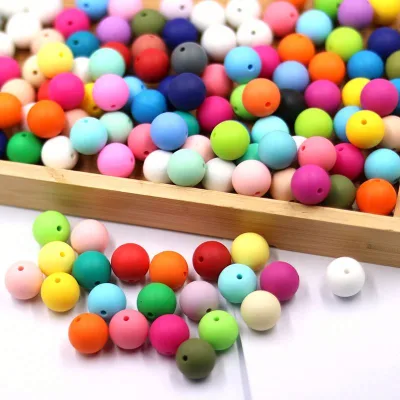
Food Grade Soft Silicone Beads Non-Toxic Teething Beads for Baby Chewing
$0.10 - $0.50
MOQ: 1000 Pieces

Food Grade Baby Silicone Beads Non-Toxic Silicone Teething Beads with Letters
$0.30 - $0.50
MOQ: 200 Pieces




Comprehensive Sourcing Guide
Food Grade Popping Beads Sourcing Guide
Procuring food-grade popping beads requires a nuanced understanding of material science and regulatory compliance, as these ingredients serve as functional texturizers in beverages, desserts, and confectionery. Buyers must distinguish between traditional silica gel desiccants and edible hydrocolloid-based beads, as the supplied data contains mixed signals regarding material composition. While some listings reference inorganic silicone and silica dioxide, true food-grade popping beads typically rely on sodium alginate and calcium chloride for their gelation properties. This distinction is critical for ensuring product safety and legal compliance in food manufacturing.
The sourcing landscape for these specialized ingredients is fragmented, with suppliers often listing multiple product lines under similar terminology. Buyers should carefully evaluate supplier catalogs to confirm that the specific "popping beads" meet food-contact standards rather than industrial or medical desiccant specifications. The presence of customization options for color and size suggests a mature supply chain capable of meeting diverse branding and functional requirements. However, verifying the exact chemical composition and intended application remains the primary responsibility of the procurement team to avoid cross-contamination or regulatory violations.
Product Scope and Observed Listing Signals
The observed market signals indicate a wide variance in product definitions, ranging from industrial desiccants to specialized food ingredients. Listings mention attributes such as "Cigarette Capsules Menthol Beads" and "Silica Gel," which are fundamentally different from edible popping beads. Buyers must exercise extreme caution when interpreting these signals, as the term "beads" is used broadly across industries. The presence of "Food Grade" and "Industrial Grade" classifications in the data suggests that suppliers may offer multiple tiers of product quality, requiring precise specification alignment during the inquiry phase.
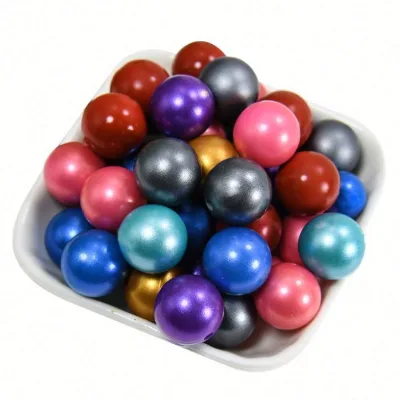
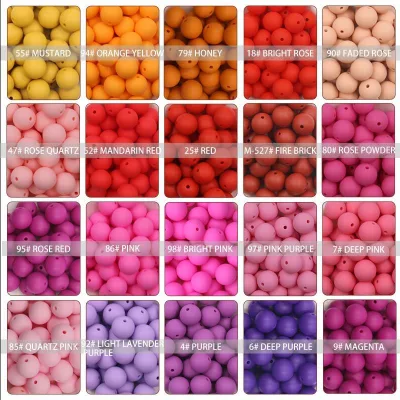
Visual and physical attributes also vary significantly across the observed listings. Descriptions include "White/Orange/Blue Ball Bead Lump Granule" and specific size ranges like "2.5mm-4.0mm" or "0.5-1.5mm." While these dimensions are relevant for industrial filtration or desiccant applications, edible popping beads typically require specific diameter ranges to ensure proper mouthfeel and burst capability. The mention of "Customazation" for packing and color indicates that suppliers are flexible, but buyers must explicitly state their requirements for food-safe coloring agents and edible packaging materials to avoid receiving non-compliant industrial products.
Technical Specifications to Verify
Technical verification must begin with the core material composition, ensuring that the beads are derived from edible hydrocolloids rather than inorganic substances. Buyers should request detailed technical data sheets that specify the primary gelling agents, such as sodium alginate, and the cross-linking salts, typically calcium chloride. The moisture content and loss on heating parameters, observed in the data as "Less Than 2%" or "5%," are critical for shelf-life stability and texture retention. These physical properties directly influence the bead's ability to maintain structural integrity before bursting upon consumption.
Size consistency and color stability are equally important technical factors that impact the final product's quality. The observed standard ranges of "1-3mm" to "4-8mm" provide a baseline for verification, but buyers must confirm that the supplier can maintain tight tolerances for diameter uniformity. Inconsistent sizing can lead to uneven distribution in beverages or desserts, affecting both aesthetic appeal and consumer experience. Additionally, the color should be verified for fade resistance and compatibility with acidic or alkaline food matrices, ensuring that the beads retain their visual appeal throughout the product's intended shelf life.
Compliance and Safety Documentation
Regulatory compliance is the most critical aspect of sourcing food-grade popping beads, as these ingredients come into direct contact with consumable products. Buyers must verify that suppliers hold relevant food safety certifications, such as ISO 22000 or local equivalents, which demonstrate adherence to strict hygiene and quality management standards. The observed mention of ISO 9001, ISO 14001, and ISO 45001 indicates a general commitment to quality and environmental management, but these do not automatically guarantee food-grade compliance. Specific food-contact material approvals are essential to ensure the beads do not leach harmful substances into the food.
Documentation must also include comprehensive safety data sheets and ingredient declarations that list all components, including any natural or artificial colorants. Buyers should request certificates of analysis for each batch to verify purity levels and the absence of contaminants such as heavy metals or microbial pathogens. The observed mention of "MSDS" and "SGS" certificates suggests that suppliers may provide third-party testing results, but buyers must ensure these tests specifically cover food-grade safety parameters. Clear traceability from raw material sourcing to final packaging is necessary to maintain compliance with international food safety regulations.
Cost Drivers and Commercial Terms
The cost of food-grade popping beads is influenced by several factors, including the complexity of the gelation process, the quality of raw materials, and the level of customization required. The observed price range of $0.03 to $1850 USD reflects the vast difference between bulk industrial desiccants and specialized food ingredients. Buyers should expect higher unit costs for food-grade products due to the stringent quality control and regulatory compliance measures involved in their production. Customization options, such as specific flavors, colors, or sizes, may further increase the cost due to the additional processing steps required.
Minimum order quantities (MOQs) and payment terms also play a significant role in the overall procurement cost. The observed MOQ range of 1 to 5000 units suggests flexibility, but buyers should negotiate terms that align with their production volume and storage capacity. Larger orders may qualify for volume discounts, but buyers must balance this with the risk of inventory obsolescence, especially for perishable food ingredients. Clear communication regarding packaging specifications, such as "25kg/Bag" or "Customizable" options, is essential to avoid unexpected logistics costs and ensure efficient handling and storage of the beads.
Supplier Qualification and Quality Control
Supplier qualification requires a thorough assessment of their manufacturing capabilities and quality assurance systems. Buyers should conduct on-site audits or request detailed virtual tours to verify that the production environment meets food-grade hygiene standards. The observed mention of "Static Drying" as a drying method is a specific technical detail that buyers should evaluate for its impact on product quality and consistency. Suppliers with robust quality control processes will have documented procedures for monitoring critical control points throughout the production cycle.
Quality control measures should include regular testing of physical and chemical properties to ensure batch-to-batch consistency. Buyers should establish clear acceptance criteria for parameters such as bead diameter, moisture content, and color intensity. The observed attribute of "Free of Charge" samples allows buyers to conduct preliminary testing and verify product quality before committing to large orders. Establishing a long-term relationship with a supplier who demonstrates a commitment to continuous improvement and transparency is essential for maintaining the integrity of the final food product.
Long-Term Procurement Checks
Long-term procurement success depends on continuous monitoring of supplier performance and market trends. Buyers should regularly review supplier quality metrics, including defect rates and delivery reliability, to ensure consistent performance. The dynamic nature of food regulations means that compliance requirements may change, requiring suppliers to adapt their processes and documentation accordingly. Maintaining open communication with suppliers about regulatory updates and industry best practices helps to mitigate risks and ensure ongoing compliance.
Supply chain resilience is another critical factor for long-term procurement. Buyers should diversify their supplier base to reduce dependency on a single source and mitigate the risk of supply disruptions. Regularly evaluating alternative suppliers and staying informed about new technologies and materials in the popping bead market can provide competitive advantages. By maintaining a proactive approach to supplier management and quality assurance, buyers can ensure a stable and reliable supply of high-quality food-grade popping beads for their products.
FAQs
What are the main components of Food Grade Popping Beads?
The main component is silicon dioxide, often listed as Sio2 or Msio2nh2o in technical sheets. These beads function as physical desiccants made from inorganic silicone or silica gel. They are available in food grade and industrial grade classifications to meet diverse application needs.
Can I customize the size and color of these beads?
Yes, customization is available for both size and color specifications. Standard sizes range from 0.5mm to 8mm, while colors include white, orange, blue, or transparent options. Buyers can request specific dimensions and color variations to match their packaging or product requirements.
Which certifications do these silica gel beads typically hold?
These products commonly hold ISO9001, ISO14001, and ISO45001 certifications. Some listings also mention ISO, GMP, SGS, and MSDS compliance. These credentials ensure the materials meet international quality and safety standards for various industrial and household applications.
How are these desiccant beads packaged for shipment?
Packaging options include 25kg bags, 750kg or 850kg super sacks, and 800kg bags. Customizable packing is also available to suit specific logistics needs. The beads are stored in dry and cool environments to maintain their moisture absorption efficiency during transit.
What is the minimum order quantity for these beads?
The minimum order quantity varies, with observed ranges starting from 1 piece up to 5000 pieces. Some specific listings indicate an MOQ of 1000 pieces. Buyers should verify the exact threshold with the supplier based on the selected product model and customization level.
Where are these food grade beads manufactured?
These beads are manufactured in China, with specific origins noted in Qingdao. The production facilities adhere to ISO and GMP standards. Buyers can source these items directly from Chinese factories that offer customization and various packaging solutions for global distribution.
What is the moisture content limit for these desiccants?
The moisture content is typically less than 2% or 5% depending on the specific grade. Loss on heating is also controlled within similar ranges to ensure stability. These specifications confirm the beads are effective physical desiccants suitable for drying applications.