Source Natural Liquid Baking Flavor for Beverages, Edibles, and Cosmetics
Find 30 listings for Natural Liquid Baking Flavor sourced from China. Compare options featuring 99% purity, OEM services, and various packaging sizes like bottles and cartons. These ingredients support applications in baking, beverages, and daily-use chemicals with shelf lives exceeding 12 months.
Key considerations
Products List


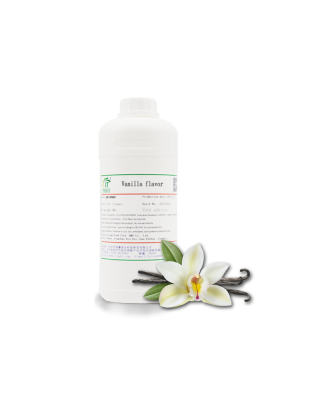

High Intensity Customizable Liquid Flavor Concentrate OEM Service for Baking and Drinks
$35.00 - $45.00
MOQ: 10 Pieces
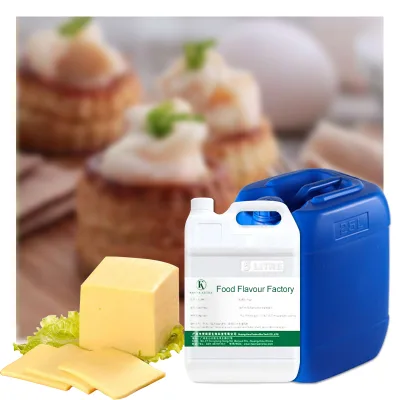


Food Grade Liquid Flavor for Beverage Bakery Candy Dairy High Concentration Long Lasting
$12.00 - $22.00
MOQ: 1 kilograms
Comprehensive Sourcing Guide
Natural Liquid Baking Flavor Sourcing Guide
Procuring Natural Liquid Baking Flavor requires distinguishing between products designed for high-heat applications and those intended for cold-fill processes. The observed market data indicates that specific formulations are explicitly labeled for use in baking and beverages, often appearing as super-concentrated flavors mixed with PG/VG or in liquid states suitable for direct incorporation. Buyers must verify that the "Natural Flavor" designation aligns with the specific thermal stability required for their production line, as some liquid additives are optimized for frozen storage while others require dry, ventilated environments to maintain integrity.
Commercial listings reveal a wide variance in packaging formats, ranging from bulk bags and cartons to smaller bottled units like 125ml or 5-liter containers. This diversity suggests that procurement strategies must account for both small-batch prototyping and large-scale industrial manufacturing needs. Sourcing teams should prioritize suppliers who offer customization services, as the ability to tailor flavor profiles to specific milk tastes or fruit notes is a critical differentiator in the competitive baking ingredient market.
Product Scope and Observed Listing Signals
The available product scope centers on food flavor ingredients derived from chemosynthesis or natural sources, with a specific focus on liquid forms suitable for daily-use chemical and edible applications. Listings frequently highlight "Egg Milk Flavor" and other specific taste profiles, confirming that the core keyword encompasses a broad spectrum of flavoring agents rather than a single monolithic product. Buyers should note that while some items are described as having a purity of 99%, others are classified as pure essential oil grade, necessitating a clear definition of the desired chemical composition before initiating contact.
Observed listing signals indicate that suppliers often provide over 800 different taste variations, suggesting a highly flexible supply chain capable of meeting diverse regional and consumer preferences. However, the presence of conflicting storage instructions, such as "frozen" versus "cool and dry place," signals that product stability is highly dependent on the specific formulation and packaging integrity. Procurement professionals must carefully cross-reference the stated application, such as baking or beverages, with the physical state of the liquid to ensure compatibility with their existing processing equipment and storage facilities.
Technical Specifications to Verify
Technical verification must begin with the physical state and concentration of the flavoring agent, as observed listings describe products ranging from colorless liquids to super-concentrated forms mixed with propylene glycol or vegetable glycerin. Buyers should explicitly confirm the model number and size specifications, such as USP Food Grade 99.98% purity or specific volume increments like 120ml to 5 liters, to ensure the product matches the dosing requirements of their manufacturing process. The distinction between "Natural Flavor" and "Food Flavor Ingredient" is critical, as it dictates the regulatory pathway and the permissible usage levels within the final baked good.
Further technical due diligence involves validating the shelf life and storage conditions, as observed data presents ranges from 12 months to 24 months depending on the specific product variant. It is essential to verify whether the product requires a frozen environment or a standard dry, ventilated storage area, as improper storage can degrade the flavor profile before the product even reaches the production line. Additionally, the presence of specific standards like GB30616 or OEM specifications should be confirmed to ensure the technical parameters align with the intended regulatory framework of the target market.
Compliance and Safety Documentation
Compliance verification is paramount when sourcing liquid baking flavors, as the market data indicates a mix of certifications including ISO, GMP, FDA, EEC, and CE, alongside MSDS documentation. Buyers must request current safety data sheets for every specific SKU to confirm that the chemical composition meets the safety standards of their destination country, particularly regarding the use of additives in food and beverage applications. The presence of multiple certifications suggests that some suppliers cater to international markets, but the buyer must ensure that the specific batch being purchased carries the relevant approvals for the intended application.
Safety documentation must also address the specific grade of the material, such as "Pure Essential Oil Grade A" or "USP Food Grade," to guarantee that the product is safe for human consumption. Procurement teams should verify that the supplier provides clear labeling regarding the origin, such as China or China Xi'an, and that the product adheres to the relevant national standards like GB30616. Without these documents, the risk of regulatory non-compliance increases significantly, potentially leading to product recalls or legal liabilities in the food industry.
Cost Drivers and Commercial Terms
Cost structures for natural liquid baking flavors are heavily influenced by the minimum order quantity (MOQ) and the complexity of the customization required. Observed data shows a wide MOQ range from 5kg to 500kg, meaning that small businesses may face higher per-unit costs compared to large industrial buyers who can leverage bulk purchasing power. The availability of OEM services and the ability to customize milk flavors or specific taste profiles often command a premium, so buyers should negotiate based on their volume commitments and the level of exclusivity they require for their flavor formulations.
Commercial terms also vary significantly regarding delivery times and shipping methods, with some listings offering rapid delivery windows of 3-6 days via carriers like FedEx, TNT, or DHL. Buyers must factor in these logistics costs and lead times when planning their inventory, especially since the product may require specific storage conditions like freezing or cool, dry environments during transit. Understanding the full cost of ownership, including packaging materials like fluorinated bottles or aluminum foil bags, is essential for accurate budgeting and supply chain planning.
Supplier Qualification and Quality Control
Supplier qualification should focus on verifying the consistency of their production standards and their ability to maintain product integrity throughout the supply chain. The observed listings indicate that many suppliers operate under OEM standards, which implies a capacity for private labeling and custom formulation, but buyers must audit their quality control processes to ensure that the "Natural Flavor" claims are substantiated by rigorous testing. It is advisable to request samples that match the exact specifications of the intended application, such as baking or beverages, to validate the flavor profile and physical properties before committing to a larger order.
Quality control measures must also include a review of the supplier's storage and handling protocols, as the product state is liquid and sensitive to environmental factors. Buyers should confirm that the supplier maintains a clean, controlled environment to prevent contamination, especially given the high purity requirements often cited in the market. Establishing a clear communication channel for quality issues and ensuring that the supplier can provide traceability for their raw materials, such as the chemosynthesis or natural sources used, is critical for maintaining brand reputation and product safety.
Long-Term Procurement Checks
Long-term procurement strategies should include regular audits of the supplier's ability to maintain consistent quality and supply stability over time. Given the observed shelf life variations and the specific storage requirements, buyers must establish a robust inventory management system that prevents product degradation before use. Regular re-testing of incoming batches against the original specifications, such as purity levels and flavor concentration, ensures that the product continues to meet the rigorous standards required for food and beverage applications.
Sourcing teams should also monitor the supplier's adherence to evolving regulatory standards and certification requirements, as the food industry is subject to frequent changes in safety and labeling laws. Building a relationship with a supplier who offers flexible customization and has a proven track record of meeting OEM standards can provide a competitive advantage in the market. Continuous engagement with the supplier to discuss new flavor trends and potential formulation improvements will help ensure that the procurement strategy remains aligned with market demands and consumer preferences.
FAQs
What certifications are available for Natural Liquid Baking Flavor?
Natural Liquid Baking Flavor products typically hold ISO, GMP, FDA, and CE certifications. These credentials ensure compliance with international safety and quality standards for food additives. Buyers can verify these documents to confirm regulatory adherence for their specific manufacturing needs and export requirements.
Can I customize the flavor profile for my baking products?
Yes, customization is available for Natural Liquid Baking Flavor formulations. Suppliers offer OEM services to create specific taste profiles, including various milk and fruit flavors. This allows brands to develop unique products tailored to their target audience while maintaining consistent quality and ingredient standards.
What is the typical shelf life of Natural Liquid Baking Flavor?
The shelf life for Natural Liquid Baking Flavor generally exceeds 12 months, with some products lasting up to 24 months. Proper storage in a cool, dry, and ventilated environment is essential to maintain potency and prevent degradation. This longevity supports efficient inventory management for food manufacturers.
Which packaging options are provided for Natural Liquid Baking Flavor?
Packaging options include bags, buckets, cartons, and various bottled sizes such as 125ml, 500ml, 1L, 2L, and 5L. Some specialized formats use fluorinated bottles with aluminum foil bags. These choices accommodate different order volumes and ensure product protection during shipping and storage.
What is the minimum order quantity for Natural Liquid Baking Flavor?
Minimum order quantities vary, with some suppliers requiring 500kg while others accept orders as low as 5kg. This flexibility supports both large-scale industrial production and smaller batch testing. Buyers should confirm specific MOQs with vendors to align with their procurement budget and storage capacity.
How fast is the delivery time for Natural Liquid Baking Flavor?
Delivery times are typically fast, ranging from 3 to 6 days for many suppliers. This rapid turnaround supports just-in-time manufacturing schedules for food and beverage producers. Expedited shipping options via carriers like FedEx or DHL are often available to meet urgent production deadlines.