Find High Quality Boom Cylinder for excavators, loaders, and cranes
Source 30 High Quality Boom Cylinder units from verified suppliers in China. Buyers can compare specifications, certifications, and pricing for excavator, loader, and crane applications to find the right fit.
Key considerations
Products List


Long-Life, High-Quality Boom Cylinders for Medium and High-Pressure Excavators
$500.00 - $800.00
MOQ: 2 Pieces

High Quality Construction Medium Pressure Hydraulic Boom Cylinder for Excavator
$400.00 - $600.00
MOQ: 2 Pieces

Customized High-Pressure Construction Machinery Equipment Excavator Boom Cylinder
$3000.00 - $30000.00
MOQ: 5 Pieces

High Pressure Customized Construction Boom Hydraulic Cylinder for Excavator
$500.00 - $800.00
MOQ: 2 Pieces

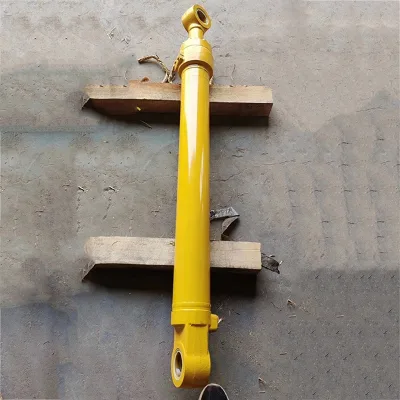

High Quality Machinery Parts Left and Right Side Boom Hydraulic Actuator Cylinder
$450.00 - $5000.00
MOQ: 1 Pieces


Excavator Tilt Cylinder Bucket Cylinder Boom Cylinder for Digger Machines
$185.00 - $230.00
MOQ: 1 Pieces


Excavator Hydraulic Bucket Arm Boom Cylinder for Construction Machinery
$540.00 - $950.00
MOQ: 1 Pieces

Comprehensive Sourcing Guide
Strategic Sourcing Guide for High-Quality Boom Cylinders
Understanding Technical Specifications and Performance Parameters
When sourcing high-quality boom cylinders for heavy machinery, the primary objective is to align the component's physical and operational characteristics with the specific demands of the equipment. The core of this selection process lies in interpreting the technical specifications provided by suppliers, which often vary significantly based on the intended application. For instance, the structural design of the cylinder is a fundamental determinant of its performance. In the current market, piston-type structures are the standard for heavy-duty applications, offering the necessary durability and force transmission required for boom operations.
Buyers must carefully examine the acting way of the cylinder, as this dictates the hydraulic fluid flow and the resulting motion. The market offers both single-acting and double-acting configurations. Single-acting cylinders typically rely on hydraulic pressure for extension and gravity or a spring for retraction, whereas double-acting cylinders utilize hydraulic pressure for both extension and retraction, providing greater control and stability. The observed data indicates that both types are available, and the choice depends heavily on the specific machine design and operational cycle requirements.
Furthermore, the dimensional specifications are critical for compatibility. The product models observed in the market include specific measurements such as 90/601000, 115/60720, and 225/215*2015. These figures generally represent the bore diameter, rod diameter, and stroke length, respectively. A mismatch in these dimensions can lead to installation failures or reduced operational efficiency. Additionally, the working pressure is a vital safety and performance metric. While some units are rated for medium pressure, others are designed for high-pressure environments, with working pressures ranging from 7MPa to 31.5MPa. Buyers must verify that the cylinder's pressure rating exceeds the maximum operating pressure of the host machine to prevent catastrophic failure. The working medium is another consideration; cylinders must be compatible with the hydraulic fluids used, which may include oil, water glycol, or other specialized fluids.
Compliance and Certification Verification
In the B2B procurement of industrial components, certification serves as a proxy for quality assurance and regulatory compliance. When evaluating potential suppliers for boom cylinders, it is essential to verify the presence of recognized certifications. The market data highlights several certification standards, including ISOCE, RoHS, GS, ISOGS, and ISO9001. These certifications indicate that the manufacturer adheres to specific international standards regarding quality management, environmental safety, and product safety.
The presence of ISO9001 certification, for example, suggests that the supplier has a robust quality management system in place, which is crucial for maintaining consistency in production. Similarly, RoHS compliance indicates that the product is manufactured without certain hazardous substances, which is increasingly important for export markets with strict environmental regulations. The GS mark (Geprüfte Sicherheit) is a German safety certification that implies rigorous testing for product safety.
However, buyers should exercise caution and not assume that every listed product satisfies every certification claim. It is the buyer's responsibility to request and verify the actual certification documents for the specific batch of cylinders being purchased. The observed data also mentions "ISOMaterial:Carbon Steel," which implies a material standard, but this should be cross-referenced with material test reports to ensure the carbon steel meets the required tensile strength and durability specifications for high-pressure applications.
Cost Drivers and Pricing Structures
The pricing of boom cylinders is influenced by a complex interplay of factors, including material costs, manufacturing complexity, customization requirements, and logistical expenses. The observed price range in the market is extensive, spanning from 0.8 USD to over 80,000 USD. This vast disparity is not indicative of a single product type but rather reflects the differences in size, pressure rating, and customization levels.
Small, standard cylinders with minimal customization will naturally fall at the lower end of the price spectrum. Conversely, large-diameter cylinders designed for high-pressure applications, such as those with a 225mm bore and a 2015mm stroke, will command significantly higher prices due to the increased material volume and the precision engineering required. Customization is a major cost driver; products listed with "Customization: Available" often carry a premium. This includes custom mounting options, specific color requirements, and tailored packing solutions.
The unit of sale also impacts the perceived cost. While some suppliers offer single items, others may have minimum order quantities (MOQ) that range from 1 to 10 units. Bulk purchasing can often lead to better unit pricing, but the MOQ must be weighed against the buyer's inventory needs. Additionally, the origin of the product plays a role in pricing. Products originating from regions like Shandong or Fujian in China may have different cost structures compared to those from other manufacturing hubs, influenced by local labor costs, raw material availability, and logistics infrastructure.
Typical Applications and Compatibility
High-quality boom cylinders are integral to the operation of various heavy machinery, with excavators being the most prominent application. The specific compatibility of the cylinder with the host machine is a critical factor in the sourcing decision. The market data indicates compatibility with major brands such as Hitachi, Hyundai, Volvo, and Caterpillar. This suggests that many suppliers produce cylinders designed to fit the mounting points and hydraulic systems of these well-known equipment manufacturers.
For example, specific model numbers like E320D are associated with particular excavator models, indicating a direct fit for those machines. When sourcing, buyers must ensure that the part name and model number align perfectly with their equipment's requirements. The application is not limited to excavators; the versatility of the cylinder design allows for use in other heavy equipment where high-force linear motion is required.
The working temperature and pressure conditions also dictate the suitability of the cylinder for specific applications. Cylinders rated for normal temperature and medium to high pressure are suitable for standard construction and mining environments. However, for extreme conditions, buyers must verify if the cylinder can withstand the specific environmental stresses of the job site. The adjustable form, described as "Regulated Type" in some listings, may offer additional flexibility for applications requiring precise control over the cylinder's movement.
Supplier Evaluation and Origin Analysis
Evaluating suppliers requires a holistic approach that goes beyond the product listing. The geographical origin of the product, such as Shandong or Fujian in China, provides context regarding the manufacturing ecosystem. These regions are known for their heavy machinery manufacturing capabilities, but the quality can vary between individual factories. Buyers should investigate the supplier's production capacity, quality control processes, and reputation within the industry.
One key indicator of a reliable supplier is the provision of video outgoing-inspection services. This feature allows buyers to visually verify the condition and assembly of the product before it leaves the factory, adding a layer of transparency to the procurement process. Additionally, the warranty period is a significant factor in supplier evaluation. While some suppliers offer a 14-month warranty, others provide a standard 1-year warranty. A longer warranty period often reflects the supplier's confidence in the durability and quality of their product.
The brand name, such as HZZ, may also be a factor, though generic or unbranded options are common. Buyers should assess whether the brand name is associated with a specific manufacturer or if it is a trading company label. Understanding the supply chain structure helps in determining the reliability of the after-sales support and the availability of spare parts.
Quality Control and Packaging Standards
Quality control is paramount in the procurement of hydraulic components, where failure can lead to costly downtime and safety hazards. The observed data highlights various packaging standards, ranging from wooden boxes and wooden cases to pallets, plywood, and standard export packaging with anti-rust VCI film. Proper packaging is essential to protect the cylinder during transit, preventing damage from moisture, corrosion, and physical impact.
The choice of packaging should be aligned with the shipping method and the destination. For international shipments, standard export packaging with anti-rust protection is highly recommended to ensure the cylinder arrives in pristine condition. Customizable packing options are also available, allowing buyers to specify requirements that match their logistical needs.
Beyond packaging, the manufacturing process itself must adhere to strict quality standards. The presence of certifications like ISO9001 suggests a commitment to quality management, but buyers should also request detailed quality control reports. These reports should include test results for pressure testing, leak testing, and dimensional accuracy. The working pressure range of 7MPa to 31.5MPa must be consistently met across all units in a batch.
Long-Term Procurement Considerations
Sourcing boom cylinders is not just a one-time transaction but a long-term partnership that impacts the operational efficiency of the buyer's fleet. The estimated delivery time, observed to be around 15 to 20 days, is a critical factor in supply chain planning. Buyers must account for these lead times when scheduling maintenance and repairs to avoid equipment downtime.
The warranty terms, typically ranging from 14 months to 1 year, provide a safety net for early failures. However, buyers should also consider the availability of technical support and the ease of obtaining replacement parts. The "According to Your Requirements" option for color and packing suggests a flexible supplier, which is beneficial for long-term contracts where branding and logistics may evolve.
Finally, the total cost of ownership should be considered, including not just the purchase price but also the maintenance costs and the expected lifespan of the cylinder. High-quality cylinders, even if initially more expensive, often offer a lower total cost of ownership due to reduced failure rates and longer service intervals. By carefully evaluating technical specifications, certifications, and supplier capabilities, buyers can secure a reliable supply of high-quality boom cylinders that meet the rigorous demands of the heavy machinery industry.
FAQs
What certifications do high quality boom cylinders have?
Products typically hold ISOCE, RoHS, GS, and ISO9001 certifications. Buyers must verify specific batch documents as not every listed item satisfies every certification claim found in the general market data.
Which acting ways are available for these cylinders?
Both single acting and double acting configurations are available in the market. The choice depends on the specific machine design, as single acting uses gravity for retraction while double acting uses hydraulic pressure for both motions.
What is the estimated delivery time for orders?
The estimated time is generally around 20 days, with some suppliers offering 15 to 20 days. Buyers must account for these lead times when scheduling maintenance to avoid equipment downtime.
Can I request custom packaging for the cylinders?
Customization is available for packing, including wooden boxes, pallets, or standard export packages with anti-rust film. Buyers can specify requirements such as wooden cases or customer-specific solutions to match logistical needs.
What is the warranty period for these products?
Warranty periods range from 1 year to 14 months depending on the supplier. A longer warranty often reflects the supplier's confidence in durability, but terms vary by specific listing and manufacturer.
Which brands are compatible with these boom cylinders?
Cylinders are compatible with major brands like Hitachi, Hyundai, Volvo, and Caterpillar. Specific model numbers like E320D indicate a direct fit for particular excavator models and mounting points.
What is the working pressure range for these units?
Working pressures range from medium to high, specifically between 7MPa and 31.5MPa. Buyers must verify that the cylinder rating exceeds the maximum operating pressure of the host machine to prevent failure.