Source High Sensitivity Negative Imagesetter Film for Printing
Find and compare 30 listings for High Sensitivity Negative Imagesetter Film suitable for offset printing and image recording. Evaluate options based on polyester base, custom sizes, and processing temperatures to select the right material for your production needs.
Key considerations
Products List


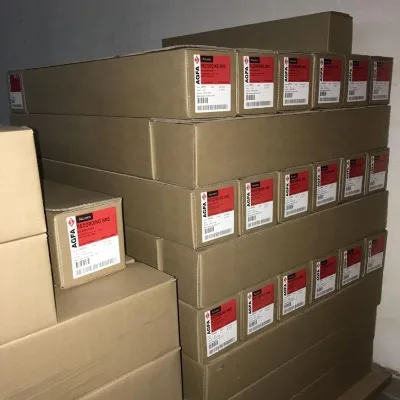
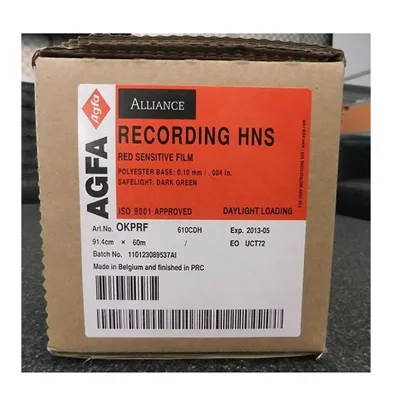
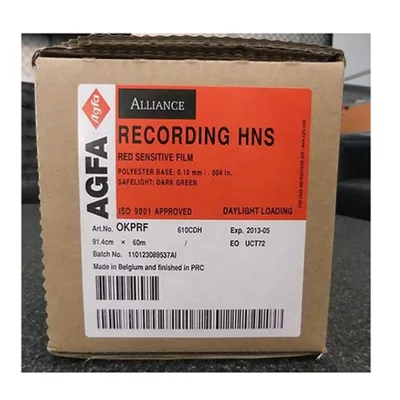
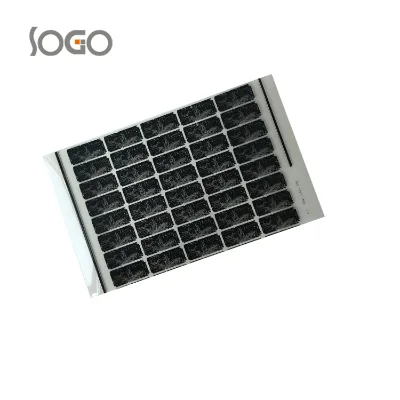
Agfa Graphic Arts Film for Screen Offset Printing Negative Customized Sizes
$4.84 - $5.15
MOQ: 500 square
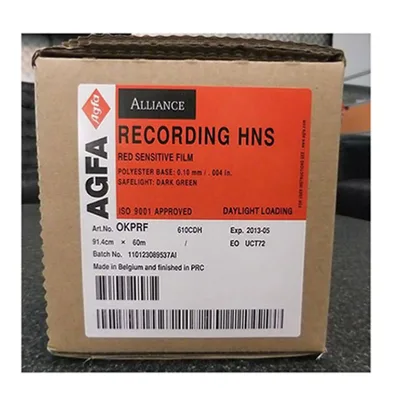
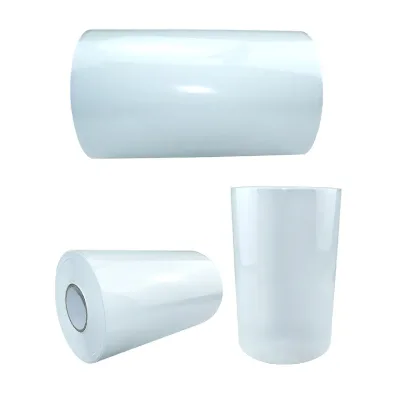
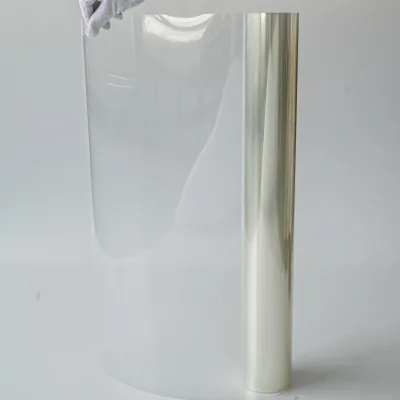


Comprehensive Sourcing Guide
High Sensitivity Negative Imagesetter Film Sourcing Guide
Procuring high-sensitivity negative imagesetter film requires a precise understanding of the specific imaging chemistry and the mechanical constraints of the processing equipment used in your facility. The core product category encompasses recording films designed for laser-based imaging systems, where the negative format is essential for creating printing plates in offset and lithography applications. Buyers must distinguish between films intended for visible light processing and those optimized for specific laser wavelengths, such as helium-neon or semiconductor lasers, as the sensitivity and contrast characteristics vary significantly between these types.
The sourcing landscape for this specialized media is defined by a wide range of product attributes, including base thickness, roll dimensions, and packaging configurations that directly impact handling and storage. While some listings indicate standard roll sizes like 60 meters, others emphasize the availability of custom dimensions to match specific plate-making machinery. Understanding these variations is critical before initiating contact with suppliers, as the film's physical form factor must align with the drum size and feed mechanisms of your existing imagesetter or plate processor to ensure operational continuity.
Product Scope and Observed Listing Signals
When evaluating product listings, buyers should look for specific signals that confirm the film is a negative type with high sensitivity, as these are the primary performance drivers for modern high-speed imaging workflows. The observed market data indicates that products are frequently described with attributes such as "Negative" imaging type and "High-sensitivity Film," which are distinct from positive or visible film variants. It is essential to verify that the listed product explicitly states its negative nature, as using a positive film in a negative workflow will result in incorrect plate exposure and significant material waste.
Listing signals also include detailed packaging and physical specifications that serve as proxies for product quality and compatibility. Common observations include base materials specified as 0.1mm polyester, which offers the necessary durability for automated processing, and packaging formats ranging from 2 to 4 rolls per carton or individual roll/carton configurations. Buyers must cross-reference these physical descriptions with their equipment requirements, noting that some products are marketed with specific model names like "hn" or "GAC," while others are associated with broader categories like "Imagesetter Printing Film" or "Recording Printing Film."
Technical Specifications to Verify
The most critical technical verification involves confirming the film's processing parameters, particularly the development temperature and time, which dictate the final image quality and contrast. The supplied data points to a specific processing window where the development temperature should be maintained between 34 and 38 degrees Celsius, with a development time ranging from 20 to 60 seconds depending on the replenishment rate and machine speed. Deviating from these thermal and temporal parameters can lead to under-development or over-development, compromising the dot sharpness and resolution that are essential for high-fidelity printing.
Buyers must also verify the film's compatibility with the specific light source and processing chemistry of their facility, as these factors directly influence the film's sensitivity and contrast characteristics. The product scope includes films designed for solid-state lasers or helium-neon lasers, and the specifications often highlight features like "Extra-Hand Contrast" and "High Resolution" which are contingent on the correct light source match. Additionally, the film's physical dimensions, such as the minimum size of 50 x 100 mm or custom lengths, must be confirmed to ensure they fit within the processor's roller width and tank capacity, which are often standardized at 533 mm for certain models.
Compliance and Safety Documentation
Ensuring that the supplier provides valid compliance documentation is a prerequisite for importing and utilizing high-sensitivity imaging films in regulated environments. The observed market data indicates that products may carry certifications such as CE and ISO, which serve as evidence that the manufacturing process adheres to specific safety and quality management standards. Buyers should request current certification documents to verify that the film meets the regulatory requirements of their destination country, particularly regarding chemical safety and environmental impact, as these films often involve sensitive processing chemicals.
Safety documentation must also address the handling and storage requirements of the film to prevent degradation before use. The product listings frequently mention a shelf life of 18 months, which implies strict storage conditions regarding temperature and humidity that must be maintained from the point of manufacture to the point of use. Procurement teams should verify that the supplier's packaging, whether described as cartons, wood boxes, or rolls, includes adequate protective measures to maintain the film's integrity during transit, ensuring that the "daylight loading" features or other light-sensitive characteristics are not compromised by exposure during shipping.
Cost Drivers and Commercial Terms
The cost of high-sensitivity negative imagesetter film is influenced by a complex interplay of factors, including the base material quality, the complexity of the emulsion chemistry, and the customization level of the roll dimensions. While the observed price range in the market spans from $0.12 to $20,000, this wide variance reflects differences in product specifications, such as the distinction between standard rolls and custom-sized films, as well as the volume of the order. Buyers should analyze the unit price in the context of the total order value, noting that high-volume purchases often benefit from economies of scale, but the minimum order quantity (MOQ) can range from 1 to 5000 units, affecting the initial capital outlay.
Commercial terms regarding packaging and delivery logistics are equally significant in determining the total cost of ownership. The observed data shows varied packaging standards, from standard cartons to specialized wood boxes, which can impact shipping costs and handling requirements. Furthermore, the availability of customization services, such as specific lengths or widths, may incur additional charges or longer lead times. Buyers must clarify whether the quoted price includes the cost of the processing chemicals or if the film is sold as a standalone component, as this distinction affects the overall budget for the imaging workflow.
Supplier Qualification and Quality Control
Selecting a qualified supplier requires a rigorous assessment of their manufacturing capabilities and their ability to maintain consistent product quality across different batches. The origin of the products is predominantly listed as China, with specific mentions of Shanghai, indicating a concentration of manufacturing hubs in this region. Buyers should verify the supplier's production standards, looking for evidence of adherence to specific product standards like "A" or "customed sizes," and ensure that the supplier has a robust quality control system in place to manage the variability inherent in chemical film production.
Quality control verification should extend to the supplier's ability to provide consistent performance metrics, such as contrast ratios and resolution capabilities, which are critical for the final print quality. The product attributes often highlight characteristics like "Excellent DOT Sharpness" and "High Resolution," but these claims must be backed by test results or sample evaluations provided by the supplier. Buyers should request samples to validate the film's performance in their specific imaging environment, ensuring that the "Light Type" and "Color Temperature" specifications align with their equipment's output to achieve the desired imaging results.
Long-Term Procurement Checks
Establishing a long-term procurement strategy for high-sensitivity negative imagesetter film involves regular audits of the supplier's ability to maintain consistent supply and quality over time. Buyers should monitor the supplier's adherence to the specified processing parameters, such as the development temperature and time, to ensure that the film continues to perform as expected throughout the contract period. Regular quality checks should include testing the film's sensitivity and contrast characteristics to detect any drift in performance that could affect the final print quality.
Sustainability and supply chain resilience are also critical considerations for long-term procurement. Buyers should assess the supplier's capacity to handle fluctuations in demand and their ability to provide alternative packaging or processing solutions if standard specifications become unavailable. The observed data suggests that customization is available, which can be a valuable asset for adapting to changing production needs. By maintaining a close relationship with the supplier and conducting periodic reviews of their performance, buyers can ensure a stable supply of high-quality film that supports their ongoing printing operations.
FAQs
What is the imaging type of this film?
The imaging type is negative, as specified in the product attributes. This film is designed for high-sensitivity applications and is classified as not visible film, ensuring precise image recording during the printing process.
Which sizes are available for this imagesetter film?
Available sizes include a standard length of 60 meters and customed sizes to meet specific requirements. The product standard explicitly allows for custom dimensions, providing flexibility for various printing and imaging needs.
Can I customize the packaging for this film?
Yes, customization is available for this product. The standard packaging options include 4 rolls per carton or 2 rolls per carton, and the product is typically packed in cartons or wood boxes depending on the specific order.
What is the processing temperature for this film?
The processing temperature ranges from 34 to 38 degrees Celsius. This specific thermal range ensures optimal development, fixing, washing, and drying processes for the high-resolution images recorded on the polyester base.
Which certifications does the product hold?
The product holds CE and ISO certifications, indicating compliance with international standards. These certifications apply to the manufacturing process and the product itself, ensuring quality and safety for industrial applications in China.
What is the shelf life of this film?
The shelf life is 18 months from the date of manufacture. This duration ensures the film maintains its high sensitivity and contrast characteristics, such as extra-hand contrast and excellent dot sharpness, until it is used.
How is the film base constructed?
The film base is constructed from 0.1mm polyester material. This sturdy base supports the image recording process using helium neon lasers or semiconductors, providing the necessary stability for high-resolution printing applications.