Source PVC Screen Printing Ink for Garments, Ads, and Crafts
Find 30 listings for PVC Screen Printing Ink suitable for garment shops, advertising companies, and arts and crafts. Compare solvent-based options with good adhesive properties, viscosity performance, and customization availability from China-based suppliers; compare the available evidence and request quotations based on your requirements.
Key considerations
Products List





Comprehensive Sourcing Guide
PVC Screen Printing Ink Sourcing Guide
Sourcing high-quality PVC Screen Printing Ink requires a disciplined approach to material compatibility and operational efficiency. Buyers must prioritize inks that offer strong adhesive properties to ensure durability on flexible substrates, which is critical for garment and shoe applications. The observed market signals indicate a focus on solvent-based formulations that utilize penetration drying mechanisms, allowing for rapid curing without excessive heat energy. This characteristic is particularly valuable for heat-sensitive materials where traditional thermal curing might cause warping or degradation. Procurement teams should evaluate how the ink’s viscosity interacts with their specific screen printing machines to prevent clogging or uneven deposition.
The supply chain for these inks is predominantly centered in Guangdong, China, offering a wide range of customization options to meet diverse brand requirements. Buyers often encounter products packaged in cans or tins, with carton quantities designed for industrial efficiency. It is essential to verify that the selected ink aligns with the intended printing type, such as screen printing, to avoid performance mismatches. Customization availability allows for tailored color matching and formulation adjustments, ensuring that the final output meets specific aesthetic and functional standards. Understanding these foundational elements helps buyers establish a reliable baseline for evaluating potential suppliers and their product offerings.
Product Scope and Observed Listing Signals
The current market landscape for PVC Screen Printing Ink reveals a diverse array of product listings that cater to various industrial needs. Observed data indicates a price range of 1 to 30.62 USD, suggesting significant variation based on volume, formulation complexity, and packaging. Minimum order quantities (MOQs) span from 1 to 500 units, providing flexibility for both small-scale prototyping and large-scale production runs. Buyers should note that while some listings offer single-item sales, others may require bulk purchases to access optimal pricing tiers. This variability necessitates a clear understanding of production volume requirements before engaging with suppliers to avoid unnecessary inventory costs or stockouts.
Listing attributes frequently highlight key performance indicators such as good adhesive strength and specific component types like pigments or connection materials. The observed product names often explicitly mention "Screen Printing PVC Ink," confirming the primary application domain. Additionally, the presence of video outgoing-inspection services suggests a trend toward transparency in the manufacturing process, allowing buyers to verify product quality before shipment. Marketing types are generally classified as ordinary products, indicating a mature and competitive market segment. Buyers should carefully review these signals to distinguish between standard offerings and specialized formulations that might offer superior performance for niche applications.
Technical Specifications to Verify
Verifying technical specifications is paramount to ensuring that the selected ink performs reliably under production conditions. Buyers must confirm the ink’s viscosity profile, as this directly impacts print resolution and screen mesh compatibility. The observed data points to solvent-based inks with penetration drying characteristics, which require specific environmental controls for optimal curing. It is crucial to validate that the ink’s component structure, whether pigment-based or containing additional materials, aligns with the substrate’s chemical properties. Flexion performance is another critical attribute, especially for applications involving flexible materials like PVC garments or shoes, where the ink must withstand bending without cracking.
Packaging specifications also play a vital role in logistics and storage efficiency. Listings indicate packaging formats such as 1kg cans and 12kg cartons, with dimensions like 121216cm noted for carton sizes. Buyers should verify the weight per unit, which typically ranges from 0.5 to 1 kg, to calculate accurate shipping costs and storage requirements. Additionally, the condition of the product is listed as new, but buyers should request batch-specific data sheets to confirm consistency. Understanding these technical details helps in selecting inks that integrate seamlessly into existing printing workflows, minimizing downtime and reducing the risk of production defects.
Compliance and Safety Documentation
Compliance and safety documentation are non-negotiable elements in the procurement of industrial inks, particularly those used in consumer-facing products. Buyers must ensure that the ink meets relevant safety standards, such as CE and RoHS certifications, which are observed in several listings. These certifications indicate adherence to environmental and health regulations, reducing liability risks for the buyer. It is also important to verify if the product holds SGS standards or other recognized quality marks, as these provide an additional layer of assurance regarding product consistency and safety. Buyers should request up-to-date certificates of analysis and material safety data sheets (MSDS) to confirm the chemical composition and handling requirements.
Beyond formal certifications, buyers should assess the supplier’s commitment to ongoing compliance and quality management. The availability of video technical support and field maintenance services suggests a level of post-sale engagement that can be valuable for troubleshooting compliance-related issues. However, buyers must remain vigilant, as warranty services are often unavailable for consumable goods like ink. This lack of warranty underscores the importance of rigorous pre-purchase verification. Ensuring that the ink is free from prohibited substances and meets local regulatory requirements is essential for maintaining brand reputation and avoiding legal complications in international trade.
Cost Drivers and Commercial Terms
Understanding the cost drivers behind PVC Screen Printing Ink pricing is essential for effective budget management. The observed price range of 1 to 30.62 USD reflects variations in raw material costs, formulation complexity, and packaging choices. Buyers should analyze how factors such as customization availability and specific component types influence the final price. Higher prices may correlate with enhanced adhesive properties or specialized drying characteristics, which can justify the investment for high-value applications. Conversely, lower-priced options might be suitable for standard, high-volume production where cost efficiency is the primary concern. Buyers must balance these cost factors against performance requirements to achieve optimal value.
Commercial terms, including MOQs and payment conditions, significantly impact the total cost of ownership. The wide MOQ range from 1 to 500 units allows for flexible purchasing strategies, but buyers should consider storage costs and cash flow implications when determining order sizes. Additionally, the absence of warranty services means that buyers bear the risk of product defects, making it crucial to negotiate favorable return policies or quality guarantees. Buyers should also factor in logistics costs, given the packaging dimensions and weights observed in listings. Transparent communication with suppliers regarding these commercial terms helps in avoiding hidden costs and ensures a smoother procurement process.
Supplier Qualification and Quality Control
Supplier qualification is a critical step in mitigating risks associated with ink procurement. Buyers should prioritize suppliers who provide video outgoing-inspection services, as this demonstrates a commitment to transparency and quality assurance. The observed data indicates that many suppliers are located in Guangdong, China, a hub for manufacturing excellence. Buyers should verify the supplier’s production capabilities, including their ability to handle customization requests and maintain consistent product quality across batches. Requesting samples for testing is a prudent step to evaluate the ink’s performance in real-world conditions before committing to large orders.
Quality control processes should be rigorously assessed to ensure that the ink meets specified standards. Buyers should inquire about the supplier’s internal quality management systems and their approach to batch-to-batch consistency. The availability of field maintenance and repair services, although often associated with machinery, can also indicate a supplier’s broader commitment to customer support. Buyers should establish clear quality acceptance criteria and communicate these expectations to the supplier. Regular audits and performance reviews can help maintain high standards and ensure that the supplier continues to meet the buyer’s evolving needs over time.
Long-Term Procurement Checks
Long-term procurement success depends on establishing robust relationships with reliable suppliers and implementing continuous improvement strategies. Buyers should monitor market trends and technological advancements in ink formulation to stay ahead of industry developments. The observed marketing type of "ordinary product" suggests a stable market, but buyers should remain alert to emerging innovations that could offer superior performance or cost advantages. Regularly reviewing supplier performance metrics, such as delivery times, product consistency, and customer support responsiveness, is essential for maintaining a high-quality supply chain.
Additionally, buyers should periodically reassess their inventory management strategies to optimize stock levels and reduce holding costs. The availability of customization options allows for flexibility in adapting to changing market demands, but buyers must ensure that these customizations do not compromise quality or increase costs disproportionately. Engaging in open dialogue with suppliers about future needs and potential challenges can foster collaboration and innovation. By maintaining a proactive approach to procurement, buyers can secure a steady supply of high-quality PVC Screen Printing Ink that supports their operational goals and business growth.
FAQs
What type of ink is used for screen printing PVC?
The product is a solvent-based ink specifically designed for screen printing on PVC materials. It utilizes pigment components and features penetration drying to ensure the ink adheres properly to the surface during the printing process.
Can I customize the ink specifications for my order?
Yes, customization is available for this solvent-based ink product. Buyers can request specific adjustments to meet their production needs while maintaining the core performance characteristics required for effective screen printing applications.
Which certifications does this PVC ink product hold?
This product holds CE and RoHS certifications to ensure compliance with safety and environmental standards. Additionally, the production process adheres to SGS standards, providing verified quality assurance for industrial and commercial printing applications.
How is the ink packaged for shipping and storage?
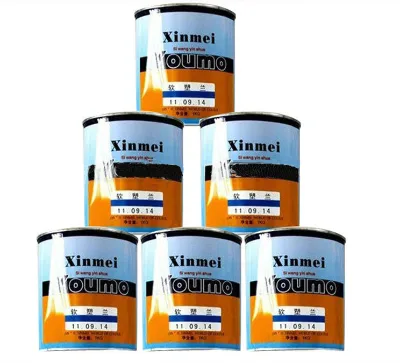
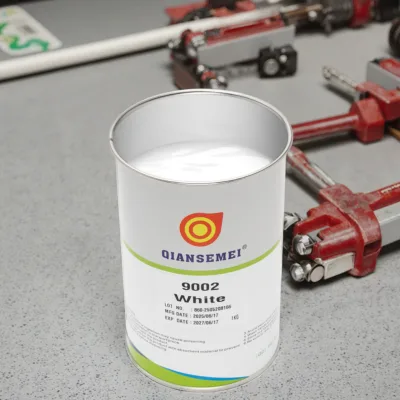
The ink is typically packaged in cans or tins, with a standard weight of 1 kg per can. Larger orders may be packed in cartons containing 12 kg, ensuring safe transport and convenient handling for various printing shop requirements.
What is the minimum order quantity for this ink?
The minimum order quantity ranges from 1 to 500 units depending on the specific supplier and product configuration. Buyers should verify the exact MOQ with the vendor to ensure it aligns with their procurement volume and budget constraints.
Where is this screen printing ink manufactured?
The product originates from Guangdong, China, a major hub for printing material manufacturing. This location ensures access to established supply chains and production facilities capable of meeting high-volume demands for solvent-based inks.
What after-sales support is provided for this ink?
After warranty service includes video technical support and field maintenance and repair services. Although a standard warranty is unavailable, these support options help buyers resolve technical issues and maintain consistent printing quality over time.