Source PE PP Film ImL Label for Bottled Beverage, Shipping, Packaging
Compare 28 PE PP Film ImL Label options from verified Chinese manufacturers. Buyers can evaluate customization, thickness, and printing types for bottled beverage, shipping labels, and packaging film applications; compare the available evidence and request quotations based on your requirements.
Key considerations
Products List


in Mold Label for PP PE Plastic Lunch Box Food Grade Material Iml
$0.39 - $0.41
MOQ: 800 Square Meters


Customized in Mould Label Printing Iml label PP Packaging Label for Plastic
$0.05 - $0.05
MOQ: 10000 Pieces
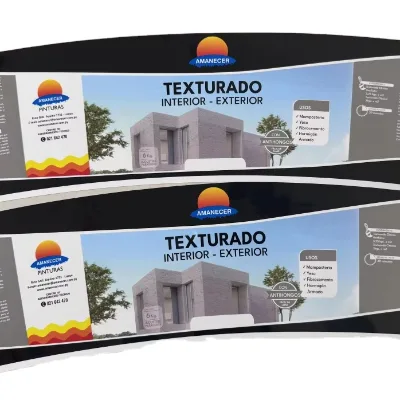
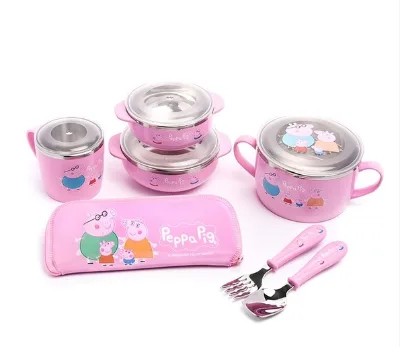
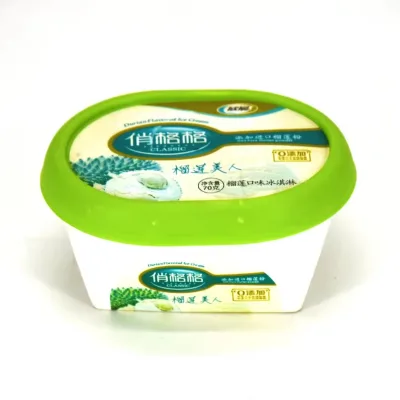
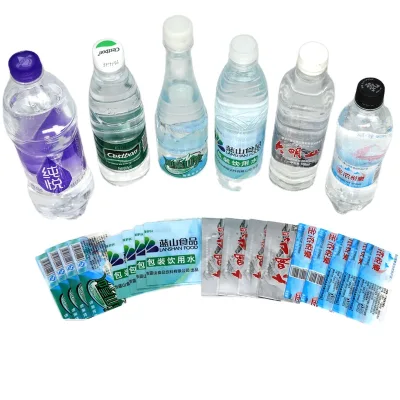
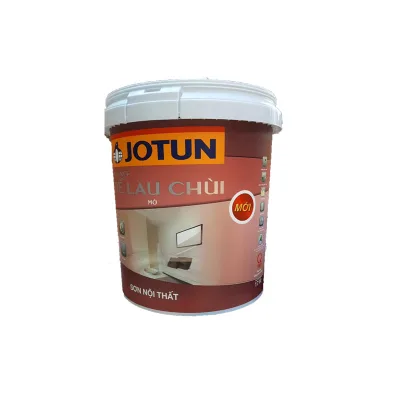
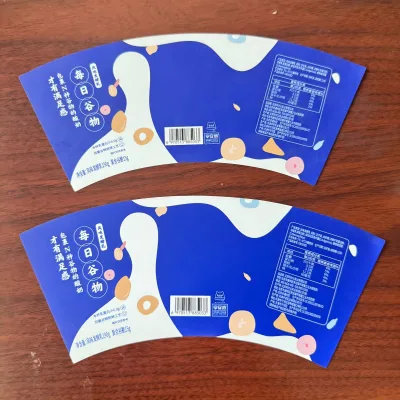


Iml Label for Plastic Snack Book / Private Label/in Mould Labeling
$0.20 - $0.28
MOQ: 1000 Square Meters


Waterproof Durable Film Pail Iml in-Mold Label for Plant Fertilizer Bucket Branding
$0.40 - $0.46
MOQ: 100 Square Meters

High-Clarity Custom Bucket Pail Film Iml in-Mold Label for Ice Cream Tub Lid Branding
$0.40 - $0.46
MOQ: 100 Square Meters

$0.40 - $0.46
MOQ: 100 Square Meters

Glossy Polypropylene Durable Film Iml in-Mold Label for Construction Adhesive Bucket Markings
$0.40 - $0.46
MOQ: 100 Square Meters

High-Clarity Iml Injection Label Film Logo for Specialty Chemical Storage Jar Markings
$0.40 - $0.46
MOQ: 100 Square Meters
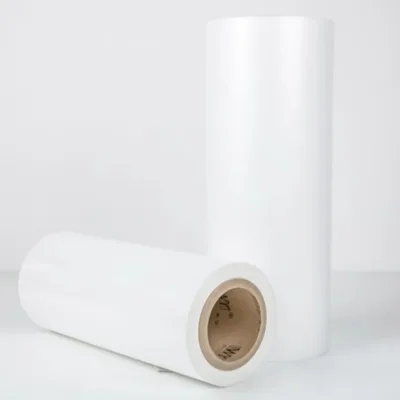
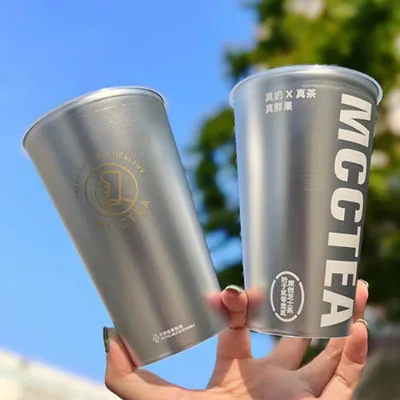
Comprehensive Sourcing Guide
PE PP Film ImL Label Sourcing Guide
PE and PP film in-mould labels (IML) occupy a distinctive position in plastic packaging procurement because the label itself becomes a structural part of the finished container. Rather than being applied as a pressure-sensitive sticker after moulding, an IML label is placed inside the mould before injection or blow moulding, fusing directly with the polyolefin substrate. This gives brand owners a seamless, waterproof decoration method suited to bottled beverages, food packaging, shipping labels, and general packaging film applications, while eliminating secondary labelling steps on the filling line.
For buyers, sourcing these labels requires balancing printing capability, film gauge compatibility, and mould-fit precision against commercial terms such as minimum order quantities, customization options, and payment flexibility. Listings observed across supplier platforms show wide spreads in pricing, order sizes, and lead times, which signals that this is a category where disciplined technical verification and supplier qualification deliver real value. This guide walks through each stage of the sourcing decision, from specification review to long-term procurement controls.
Product Scope and Observed Listing Signals
Observed product listings in this category consistently describe gravure-printed OPP film labels positioned for custom stickers, bottled beverage containers, shipping labels, and packaging film use. Several entries identify themselves explicitly as IML labels with model designations such as IML Label or DC-IML, and one listing carries a DECAI brand reference with model number DECAI-1213. Production origins cluster in China, with Zhejiang province appearing repeatedly as the place of origin. Colors range from customized color options to mixed color and configurations supporting up to 10 colors.
The observed price spread across the 28 listed products runs from nominal listing values up to roughly 2,500 USD, while minimum order quantities span from single-item samples to 25,000 units, with several film-supplier entries quoting area-based MOQs of 500 or 800 square metres. Custom orders are accepted across the sample, customization is broadly available, and production times of around 15 working days after order confirmation are typical, with some suppliers quoting 5–7 working day delivery or 5–8 day shipping windows. Free samples are offered in multiple listings.
Technical Specifications to Verify
Thickness is the most consequential film specification, and observed listings quote ranges of 18–110 microns, 10–110 microns, and 18–100 microns depending on the supplier and product variant. Buyers should confirm that the quoted gauge suits their mould tool design, since IML labels must lie flat inside the cavity without wrinkling or shifting during mould closure. Material identification is equally important: listings reference OPP film and film material types generally, so buyers should verify whether the specific construction matches their polyolefin container substrate and moulding process temperature profile.
Size and color capability should be validated against the artwork brief before committing to tooling. Listings state customized sizes as the production standard, color counts up to 10, and printing handled by gravure, which delivers high-registration graphics at volume but requires engraved cylinders with associated setup cost and lead time. Buyers should request printed proofs on the actual film gauge, confirm packaging format (carton packing, film-plus-carton combinations are observed), and note single package dimensions such as the 32×32×32 cm and 32 kg gross weight entries when planning logistics.
Compliance and Safety Documentation
Because these labels serve bottled beverage and food-adjacent applications, buyers must establish which food-contact and migration requirements apply in their destination market before ordering, and should request documentary evidence rather than accepting claims at face value. Listings reference conformance to customer requirements and customized-size standards but do not state certification status, so the buyer's own compliance team should define the required test scope, acceptable test laboratories, and documentation format as part of the specification package. Heat-sensitive feature claims, noted in some listings, warrant functional validation under actual moulding conditions.
Regulatory expectations differ by region and material contact scenario, so the buyer should ask each shortlisted supplier to state precisely which regulations their film and ink systems are designed to meet and to identify which parts of conformity testing they perform in-house versus through third parties. Request certificates of analysis for each production lot, ask whether inks and adhesives are covered by the same compliance scope as the film substrate, and retain samples from reference lots. Absence of published certification data in a listing is not disqualifying, but it obligates the buyer to close that evidence gap before first production.
Cost Drivers and Commercial Terms
Pricing in this category is driven primarily by color count, since each gravure cylinder represents a separate setup cost, followed by film gauge, order area, and artwork complexity. Listings quoting MOQs of 500–800 square metres suggest area-based economics for film variants, while unit-based MOQs up to 25,000 apply to finished label products. Buyers should model total landed cost including cylinder amortization, sample charges (several listings offer free samples), and freight, noting that observed shipping options include DHL, UPS, FedEx, EMS, and TNT, and that single-package weights around 32 kg affect courier economics.
Payment flexibility is broad across observed listings: T/T appears most frequently, with PayPal, credit card, Western Union, and LC also accepted. This range lets buyers match payment instrument to order size and risk tolerance—deposit-plus-balance structures via T/T for larger production runs, card or PayPal for trial orders. Buyers should confirm whether quoted prices are ex-works or include freight, clarify the production window (15 working days after confirmation in some listings versus 5–7 working day delivery in others), and agree shipping Incoterms in writing before placing the first order.
Supplier Qualification and Quality Control
Supplier qualification for IML labels should begin with a capability audit focused on gravure printing registration, film slitting tolerance, and die-cutting accuracy, since mould-fit defects compound into production line rejects at the moulder. Buyers should verify that the supplier's stated origin and facilities match what they can evidence—Zhejiang, China is the common listed origin—and request factory documentation, production equipment lists, and references from buyers in comparable beverage or food packaging applications. On-site or third-party audits are advisable before committing to custom cylinder production.
Quality control during production should follow a defined inspection plan covering print color match against approved proofs, thickness consistency across the quoted 18–110 micron range, dimensional accuracy of the cut label, and surface condition free of contamination that could impair fusion. Buyers should agree on AQL sampling levels, retain sealed reference samples from the approval run, and require pre-shipment inspection reports or third-party inspection for initial orders. Packing format—carton packing with film protection, as observed—should be specified to prevent edge damage and moisture uptake during transit, especially for sea freight shipments.
Long-Term Procurement Checks
Sustained supply of IML labels depends on cylinder asset management, since gravure cylinders are typically held by the supplier and their ownership, storage, and re-engraving terms affect the buyer's ability to switch suppliers or re-order quickly. Buyers should negotiate written agreements covering cylinder retention periods, refresher or replacement costs, and whether artwork files remain the buyer's property. Establishing a rolling demand forecast helps suppliers plan film procurement and press scheduling, protecting the 15-working-day production lead times observed in listings against seasonal beverage demand peaks.
Ongoing relationship checks should include periodic requalification of film lots against the original specification, monitoring of any formulation or ink-system changes the supplier communicates, and annual review of compliance documentation as regulatory requirements evolve. Buyers should track delivered quality metrics—rejection rates at the moulder, label placement accuracy, print consistency—into a supplier scorecard used for quarterly reviews. Maintaining dual-source readiness, even if a second supplier is only sample-qualified, protects continuity when primary suppliers face capacity constraints, price adjustments, or regional logistics disruptions in China-origin supply chains.
FAQs
What customization options are available for IML labels?
Customization is available for IML labels with up to ten colors and customized sizes. The production accepts custom orders with specific requirements for thickness ranging from 10 to 110 microns. Buyers can request specific printing types like gravure printing for their unique packaging needs.
How long does production take for custom IML labels?
Production time is typically 15 working days after the order is confirmed. Some suppliers may offer faster delivery times of 5 to 7 working days depending on the specific model and order volume. Buyers should confirm the exact timeline with the manufacturer before placing an order.
What is the minimum order quantity for these labels?
The minimum order quantity varies, with some suppliers requiring 500 square meters and others setting it at 800 square meters. The general range observed is between 1 and 25000 units depending on the specific product model and customization level requested by the buyer.
Can I get free samples before placing a large order?
Free samples are available for buyers to evaluate the product quality before committing to a large order. Suppliers often provide these samples freely to demonstrate the material properties and printing quality. This allows buyers to verify the waterproof and heat-sensitive features firsthand.
What payment methods are accepted for IML label orders?
Accepted payment methods include T/T, PayPal, Credit Card, Western Union, and Letter of Credit. Buyers can choose the most convenient method for their transaction needs. Specific payment terms may vary by supplier, so confirming the exact options is recommended before finalizing the purchase agreement.
Where are these IML labels manufactured and shipped from?
These IML labels are manufactured in China, specifically originating from the Zhejiang region. Shipping is handled via major carriers like DHL, UPS, FedEx, EMS, and TNT. The typical shipping time is estimated at 5 to 8 days after the order is processed and ready for dispatch.
What materials are used to make these IML labels?
The labels are made from OPP film material, which is suitable for various applications like bottled beverages and packaging films. The material thickness ranges from 18 to 100 microns, ensuring durability and flexibility. This material choice supports the waterproof and heat-sensitive features required for modern packaging solutions.