Source High Sensitivity Hydrographic Film for Wood, Metal, Plastic
Compare 30 listings for High Sensitivity Hydrographic Film suitable for wood, metal, and plastic applications. Buyers can evaluate specifications like thickness, width, and customization options to find the right water transfer printing solution.
Key considerations
Products List


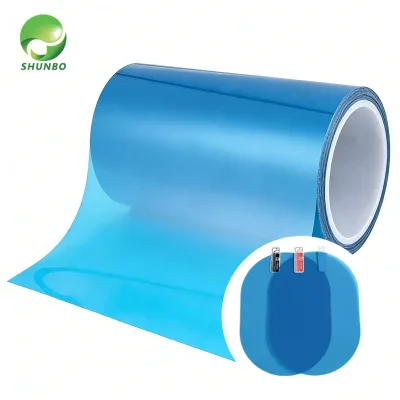
Hydrographics Printing Films Liquid Image Film with Customzied Designs
$1.70 - $2.30
MOQ: 250 Square Meters




Comprehensive Sourcing Guide
Strategic Sourcing Guide for High Sensitivity Hydrographic Film
Understanding Product Variants and Core Specifications
When sourcing High Sensitivity Hydrographic Film, buyers must first distinguish between the specific material families available in the market, as the term "hydrographic film" often encompasses distinct product lines with different chemical compositions and application requirements. The supplied data indicates a clear divergence in product attributes, specifically regarding the material composition and intended usage. One prominent category identified is the PVA (Polyvinyl Alcohol) Soluble Film, which is explicitly characterized by its water-soluble nature and is often categorized under "Water Dissolving Plastic" or "Water Transfer" applications. This material is critical for processes where the film must dissolve completely in water to leave the printed design adhered to the substrate without residue. In contrast, other listings refer to general "PP Films" or generic "Stretch Film" with attributes like "Rigid" hardness, suggesting a different polymer base that may not share the same dissolution properties.
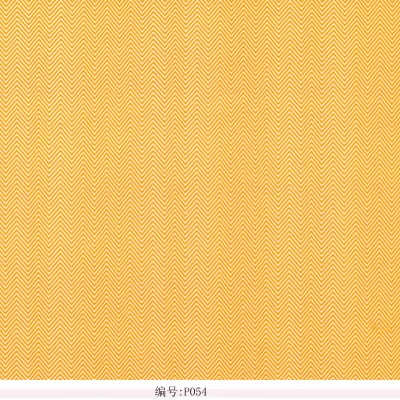
The technical specifications for these films vary significantly depending on the intended manufacturing process. For the PVA-based water transfer films, the observed thickness ranges from 15 microns to 50 microns, with specific model numbers like L0832 and P054 indicating different formulations. Another subset of products lists a thickness of 30 microns to 40 microns, or specifically 30-35 microns, which is a common range for high-sensitivity applications requiring precise ink transfer. Width specifications are equally diverse, spanning from 50cm (500mm) to a broad industrial range of 100mm up to 1800mm. Length availability is similarly variable, with options ranging from 100 meters to 1500 meters per roll. Buyers must verify which specific thickness and width align with their hydro dipping equipment and the surface area of the items being decorated. The "High Sensitivity" aspect of the core keyword often implies a need for precise control over the dissolution rate, which is directly influenced by the film's thickness and the specific PVA formulation used.
Technical Compliance and Certification Verification
In the B2B procurement of hydrographic films, verifying compliance and certification is a critical step that cannot be assumed based on marketing materials alone. The provided context mentions a low-confidence background reference to ISO9000, but this should not be treated as a confirmed standard for any specific supplier without direct validation. Buyers must treat all certification claims as observations that require independent verification rather than guaranteed attributes of the product. When evaluating suppliers, the primary focus should be on the material safety and environmental compliance of the PVA film, particularly given its water-soluble nature.
The sourcing guide emphasizes that buyers should request specific documentation regarding the chemical composition of the film. While the data lists "Water Soluble" as a key feature, it does not provide details on the specific grade of PVA or the presence of any additives that might affect the dissolution process or the safety of the final product. For applications involving food packaging or items that come into contact with skin, verifying that the film meets relevant food-grade or textile safety standards is essential. Buyers should explicitly ask suppliers for test reports that confirm the film's solubility in water at specific temperatures and the absence of harmful heavy metals or volatile organic compounds (VOCs). The absence of a specific standard number in the high-confidence facts means that the buyer must define the required standard (e.g., specific ISO standards for water-soluble films or REACH compliance for European markets) and demand proof of adherence from the supplier. Relying on general terms like "PP Films" or "Stretch Film" without confirming the specific chemical standard can lead to process failures in hydro dipping.
Cost Drivers and Economic Factors in Procurement
The cost structure for High Sensitivity Hydrographic Film is influenced by several variable factors, including material composition, order volume, and logistical requirements. The observed price range in the market data spans from $0.18 to $7.50 USD, a wide variance that likely reflects differences in film thickness, width, length, and the specific quality of the PVA resin used. Thinner films, such as those in the 15-30 micron range, may command different price points compared to the thicker 40-50 micron variants due to the amount of raw material required and the precision needed in the extrusion process. The "Multiple Extrusion" molding method mentioned in the data suggests a more complex manufacturing process that could impact the base cost compared to single-extrusion methods.
Order volume is another significant cost driver. The Minimum Order Quantity (MOQ) data reveals a substantial range, from as low as 10 square meters to as high as 10,000 units or 1 ton. For smaller buyers or those testing new designs, the lower MOQ of 10 square meters offers a lower barrier to entry, allowing for cost-effective prototyping. However, for large-scale production runs, the MOQ of 1 ton may provide better economies of scale, potentially lowering the per-unit cost. Buyers should calculate the total cost of ownership, which includes not just the unit price but also the cost of shipping and packaging. The data indicates "Seaworthy Wooden Case" and "Polybag Inside, Hard Carton Outside" as common packing methods, which can add to the overall logistics cost. Additionally, the "Selling Units" being listed as a multiple of 250 for some products suggests that buyers may need to purchase in specific batch sizes to avoid waste or extra charges. Understanding these economic drivers allows procurement teams to negotiate more effectively and plan their inventory management strategies to balance cost efficiency with operational flexibility.
Typical Applications and Process Integration
The versatility of High Sensitivity Hydrographic Film is evident in the diverse applications listed in the product data. The primary use case is clearly defined as "Packaging Film" and "Wooden Packaging," but the data also highlights specific applications in the "Fabric," "Cup," "Cotton," "Leather," and "Plate" sectors. This indicates that the film is suitable for a wide array of substrates, from porous materials like fabric and cotton to rigid surfaces like cups and plates. The "Water Transfer Printing" method is the core process, where the film is laid on a water surface, activated, and then the substrate is dipped to transfer the pattern.
The "High Sensitivity" attribute is particularly relevant for complex geometries and 3D objects. The data mentions "3D Film" as a keyword, suggesting that these films are engineered to stretch and conform to intricate shapes without tearing or losing print quality. The "Direct Printing" transfer mode implies a direct application of the design onto the film before the hydro dipping process. For buyers in the automotive or consumer electronics industries, where 3D surfaces are common, the ability of the film to handle complex contours is a critical performance metric. The "Multiple Extrusion" process mentioned may contribute to the film's ability to maintain structural integrity during the stretching phase of the dipping process. Furthermore, the "Water Soluble" feature ensures that no film residue remains on the product, which is essential for applications where the final product must be clean and free of plastic debris. Buyers should evaluate their specific product shapes and surface textures to ensure the selected film thickness and width can accommodate their production line's requirements.
Supplier Evaluation and Operational Capabilities
Evaluating suppliers for High Sensitivity Hydrographic Film requires a rigorous assessment of their operational capabilities and geographic logistics. The data points to several key locations, including "Guangdong," "Zibo, Shandong, China," and general "China" origins. These regions are known for their manufacturing clusters, but buyers should verify the specific factory capabilities of the supplier rather than relying solely on the region name. The "Processing Type" of "Blow Molding" and "Multiple Extrusion" indicates that the supplier must possess advanced extrusion lines capable of producing films with precise thickness tolerances.
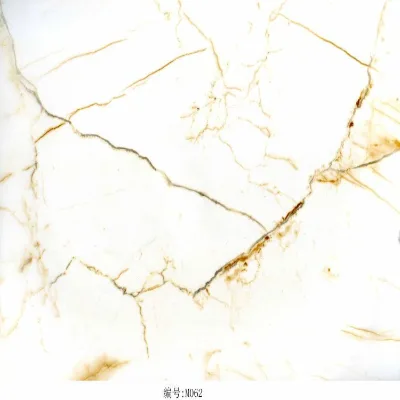
Buyers should assess the supplier's ability to offer customization, as the data confirms that "Customization" and "Custom design Acceptable" are available attributes. This is crucial for brands that require specific patterns, colors, or film dimensions. The "Logo printing" capability via "hydrographic printing" suggests that the supplier may offer pre-printed films or the ability to print custom logos directly onto the film. However, the "Samples" attribute, which notes "Free Samples, Contact us," indicates that buyers should request physical samples to test the film's sensitivity, dissolution rate, and print quality before committing to a large order. The "Gross weight per batch" of 11.600 kg and "Package size per batch" of 50x20x20 cm provide concrete data points for logistics planning, but buyers must confirm if these figures apply to their specific order size. Additionally, the "Brand Name" MingCheng is mentioned, but buyers should not assume this is the only brand available or that all products carry this branding. A thorough supplier evaluation should include a review of their quality control processes, their ability to meet specific MOQs, and their track record in delivering consistent film quality.
Quality Control and Long-Term Procurement Strategy
Maintaining consistent quality in hydrographic film production is paramount for ensuring successful application results. The "Hardness" attribute listed as "Rigid" for some products and "Transparent" for others highlights the need for buyers to verify the physical properties of the film they receive. Quality control checks should focus on the film's transparency, thickness uniformity, and the consistency of the water solubility. Buyers should establish a protocol for testing the dissolution time of the film in water, as variations in this parameter can lead to printing defects or incomplete transfers. The "Key Words" such as "Water Transfer Printing" and "Hydrographics" imply a need for high-precision manufacturing, and any deviation in the film's properties can compromise the final product's aesthetic quality.
For long-term procurement, buyers should consider the stability of the supply chain and the supplier's ability to scale production. The "Lead time" and "MOQ" variability suggest that buyers need to plan their inventory carefully to avoid stockouts or overstocking. Establishing a long-term relationship with a supplier who can offer consistent quality and flexible ordering options is beneficial. Buyers should also consider the environmental impact of the PVA film, as its water-soluble nature is a significant advantage in reducing waste. However, proper disposal and storage conditions must be maintained to prevent premature dissolution or degradation of the film. By focusing on these quality control measures and strategic planning, buyers can ensure a reliable supply of High Sensitivity Hydrographic Film that meets their production needs and maintains the high standards required for their end products.
FAQs
What material is used for High Sensitivity Hydrographic Film?
The film is made from PVA, which is a water-soluble plastic. This material allows the film to dissolve completely in water during the transfer process without leaving residue on the substrate.
How thick is the High Sensitivity Hydrographic Film available?
Thickness ranges from 15 microns to 50 microns depending on the specific model. Some variants are specified as 30 to 40 microns or 30 to 35 microns for precise application needs.
Can buyers customize the design on the hydrographic film?
Yes, custom designs are acceptable for this product. Buyers can request specific patterns or logos, and the supplier offers hydrographic printing services to meet unique branding requirements.
Which widths are available for the water transfer film?
Widths range from 100mm up to 1800mm for industrial applications. Specific models may also be available in 50cm widths to accommodate different dipping tank sizes and product dimensions.
What is the minimum order quantity for this film?
Minimum order quantities vary significantly, starting from 10 square meters for small batches. Larger industrial orders may require a minimum of 1 ton or multiples of 250 units.
How is the film packaged for shipping?
Packaging options include seaworthy wooden cases or polybags inside hard cartons. Specific batches may have a gross weight of 11.6 kg and dimensions of 50x20x20 cm.
Where are the manufacturers of this film located?
Suppliers are located in regions such as Guangdong and Zibo, Shandong in China. These locations are known for their manufacturing clusters capable of producing PVA soluble films.
Can I get free samples before placing a large order?
Free samples are available upon contact with the supplier. This allows buyers to verify the film's sensitivity, dissolution rate, and print quality before committing to a bulk purchase.