Source High Speed Punching Carriage Bolts for Machinery, Building, and Power Lines
Source High Speed Punching Carriage Bolts from 30 verified listings. Compare options featuring zinc or black finishes, Class 8 high strength steel, and DIN/GB standards. Ideal for machinery, environmental projects, and overhead power line applications with customizable lengths and thread sizes.
Updated
Key considerations
Products List


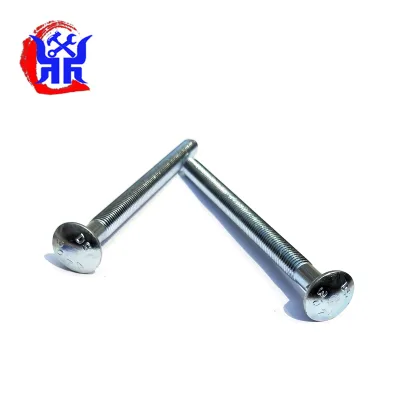


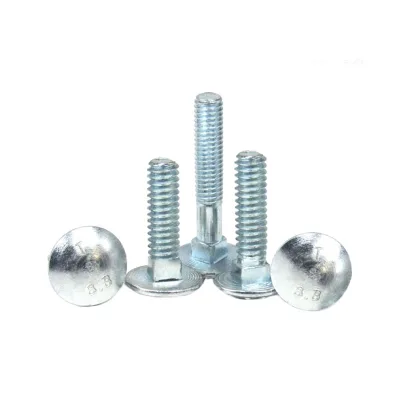
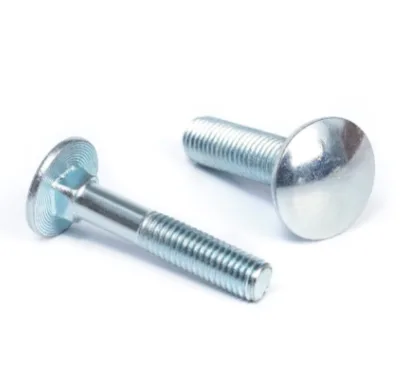
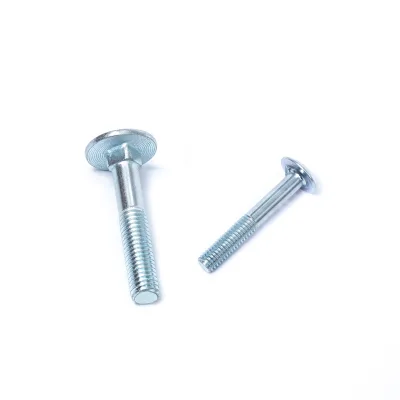
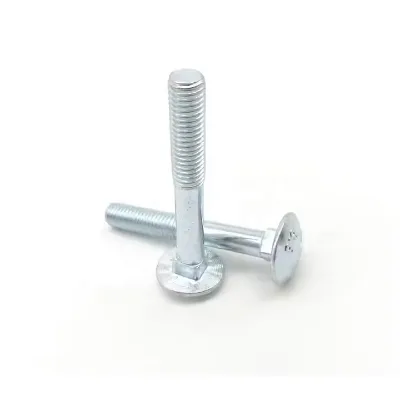
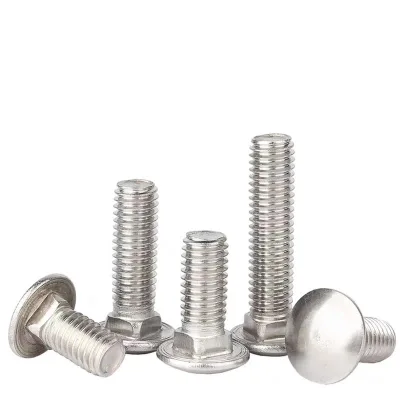
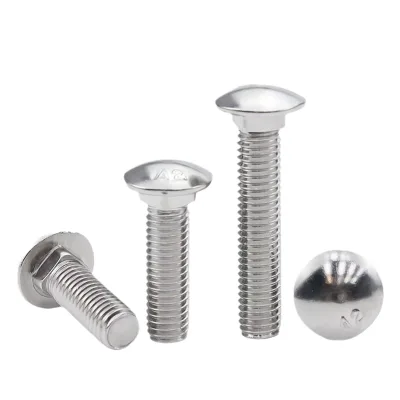
High-Strength Steel Fastener DIN603/DIN607 Carriage Bolt with Seismic Resistance
$0.01 - $0.05
MOQ: 10000 Pieces

High-Strength Steel Fastener Chinese Factory Sale DIN603 Carriage Bolt
$0.01 - $0.05
MOQ: 10000 Pieces
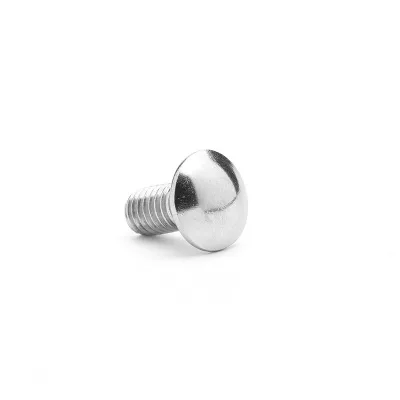
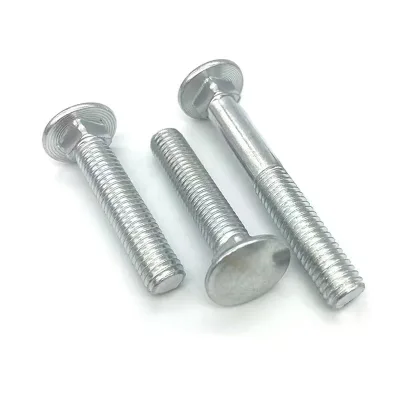
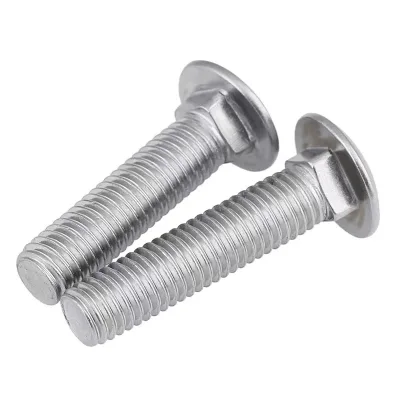

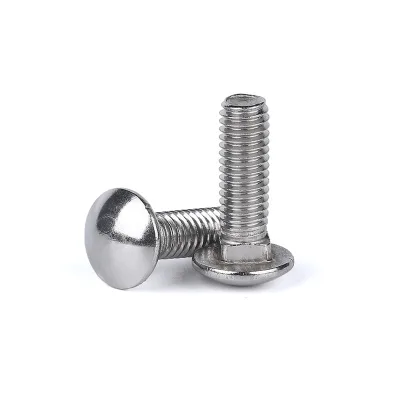
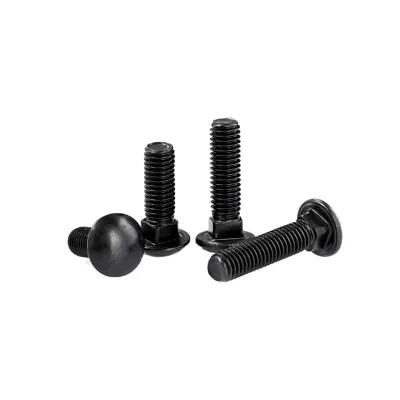
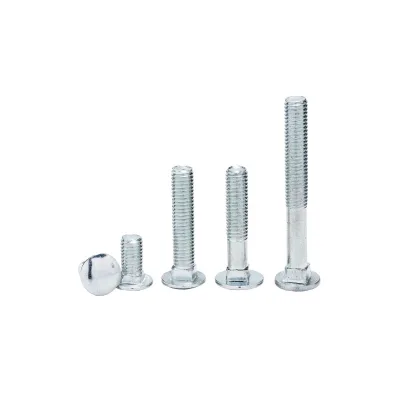
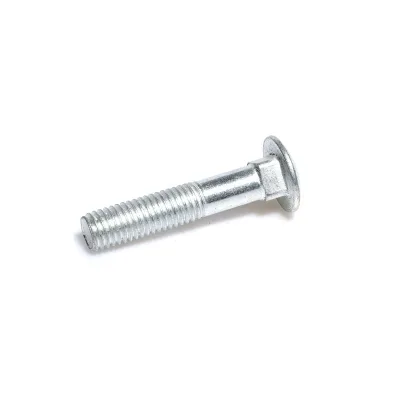



Comprehensive Sourcing Guide
High Speed Punching Carriage Bolts Sourcing Guide
Procuring high-speed punching carriage bolts requires a nuanced understanding of manufacturing capabilities and supply chain dynamics. These fasteners are critical for machinery, environmental, and building applications, where structural integrity and rapid assembly are paramount. Buyers must recognize that "high speed punching" refers to the manufacturing process, which influences surface finish consistency and dimensional accuracy. The observed market data indicates a diverse range of suppliers, primarily originating from Hebei, China, offering products with varying thread types and head styles. Understanding these baseline attributes is essential for aligning procurement strategies with specific engineering requirements.
The sourcing landscape for these components is characterized by significant variability in customization options and material grades. While many listings highlight zinc plating for rust resistance, others specify black finishes or blue-white zinc plating, indicating different corrosion protection levels. Buyers should note that the brand names observed, such as DC and DH, represent specific manufacturers rather than universal standards. This diversity necessitates a rigorous verification process to ensure that the selected bolts meet the precise mechanical and environmental demands of the end application.
Product Scope and Observed Listing Signals
The current market listings reveal a broad spectrum of carriage bolt configurations, with model numbers ranging from M6 to M30 and specific variants like CB3/8-2. Thread sizes commonly observed include M5, M6, M8, M10, M12, and M16, while bolt lengths vary from 16mm to 80mm, with some suppliers offering customizable lengths. The presence of nuts in the package, with counts of one, two, three, or four per bolt, suggests that many suppliers provide complete assembly kits rather than individual fasteners. This bundling approach can simplify logistics but requires careful inventory management to match nut quantities with project needs.
Packaging specifications also show considerable variation, with single package sizes listed as 20x20x15 cm, 25x21x18 mm, and 21x18x18 mm, alongside wood carton and box options. The gross weight per item is typically around 0.05 kg, indicating lightweight individual units that may require bulk handling for efficient shipping. The selling unit is consistently listed as a single item, which implies that pricing and minimum order quantities (MOQs) are calculated per piece or per set. Buyers must clarify whether the quoted price includes the associated nuts and how packaging dimensions impact freight costs for large orders.
Technical Specifications to Verify
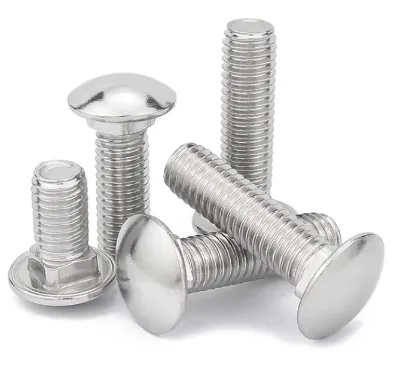
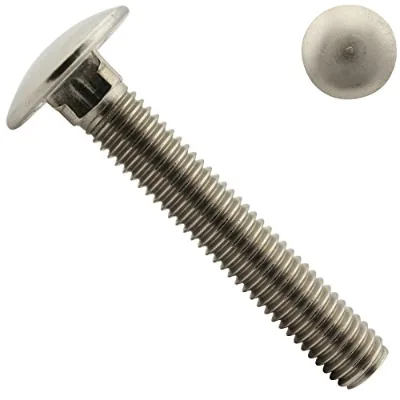
Verifying the thread type and head style is crucial for ensuring compatibility with existing assembly tools and structures. The observed thread type is UNC, which is standard for many applications, but buyers must confirm this matches their design specifications. Head types are predominantly round or semicircular, also known as square neck bolts, which are designed to prevent rotation during tightening. The material is consistently identified as steel, with some listings specifying high-strength steel and a grade of Class 8. This grade indicates a specific tensile strength, which is vital for structural applications where load-bearing capacity is a primary concern.
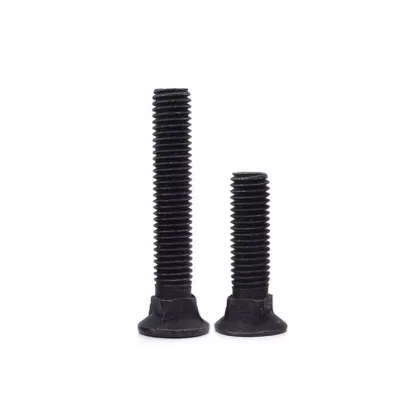
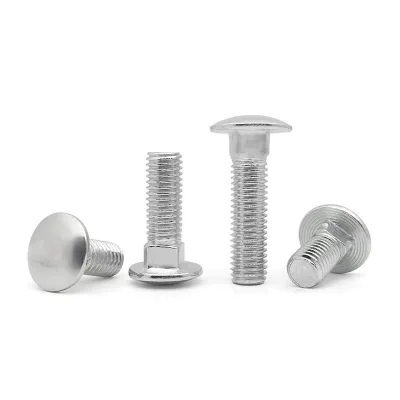
Surface finish and corrosion resistance are key technical factors that influence the longevity of the fasteners in various environments. Zinc plating is a common finish, with some products offering blue-white zinc plating for enhanced visibility and protection. Other listings mention a black finish, which may indicate a different coating process or aesthetic requirement. The feature "rust anti" is frequently highlighted, suggesting that these bolts are treated for corrosion resistance. Buyers should verify the specific thickness of the plating and the results of salt spray tests to ensure adequate protection for their intended application, whether it be overhead power lines or general machinery assembly.
Compliance and Safety Documentation
Compliance with international and regional standards is essential for ensuring the quality and safety of carriage bolts. The observed standards include DIN, GB, ANSI, and BSW, indicating that suppliers cater to diverse global markets. Buyers must verify which specific standard applies to their project, as mechanical properties and dimensional tolerances can vary significantly between these standards. The mention of ASTM A370 in background context suggests that testing procedures may align with American standards, but this should be confirmed with the supplier. Proper documentation, including mill certificates and test reports, is necessary to validate that the bolts meet the required performance criteria.
Safety considerations extend beyond mechanical strength to include the reliability of the fastening system under dynamic loads. The feature "seismic resistance" is noted in some listings, implying that these bolts are suitable for applications in earthquake-prone areas. This attribute requires rigorous testing and certification to ensure that the bolts can withstand lateral forces without failure. Buyers should request detailed technical data sheets that outline the shear strength, tensile strength, and elongation properties of the bolts. Additionally, verifying the testing methods used, such as salt spray tests for corrosion resistance, is critical for assessing long-term durability in harsh environments.
Cost Drivers and Commercial Terms
Cost drivers for high-speed punching carriage bolts include material costs, manufacturing complexity, and surface treatment processes. High-strength steel and specific grades like Class 8 command higher prices due to the additional processing required to achieve the desired mechanical properties. The customization options available, such as specific lengths and thread sizes, can also impact pricing, as non-standard items may incur setup fees or higher unit costs. Buyers should analyze the total cost of ownership, including shipping and handling, rather than focusing solely on the unit price, which ranges from 0.01 to 0.85 USD in observed listings.
Commercial terms, including minimum order quantities (MOQs) and delivery times, vary widely among suppliers. MOQs range from 1 to 10,000 units, offering flexibility for both small-scale projects and large industrial contracts. Delivery times are typically estimated at 15-30 days, which buyers must factor into their production schedules. It is important to clarify whether the quoted price includes packaging and whether there are additional charges for custom packaging or labeling. Understanding these commercial terms helps in negotiating favorable contracts and ensuring timely delivery of materials to the construction or manufacturing site.
Supplier Qualification and Quality Control
Supplier qualification is a critical step in mitigating risks associated with fastener procurement. Buyers should verify the supplier's manufacturing capabilities, including their use of high-speed punching technology, which can affect the consistency and quality of the bolts. The place of origin, primarily Hebei, China, is a major hub for fastener production, but buyers must assess the specific supplier's reputation and track record. Requesting samples for physical inspection and testing is essential to verify dimensions, thread quality, and surface finish before committing to a large order.
Quality control processes should be clearly defined and agreed upon with the supplier. This includes specifications for incoming material inspection, in-process quality checks, and final product testing. The mention of salt spray testing indicates that corrosion resistance is a key quality metric, and buyers should ensure that this test is performed on representative samples from each batch. Additionally, verifying the supplier's ability to provide consistent packaging and labeling is important for maintaining inventory accuracy and traceability. Establishing a clear quality assurance protocol helps in maintaining high standards and reducing the risk of defects in the final assembly.
Long-Term Procurement Checks
Long-term procurement success depends on establishing a robust supplier relationship and continuous performance monitoring. Buyers should conduct regular audits of supplier quality and delivery performance to ensure consistency over time. This includes tracking defect rates, on-time delivery percentages, and responsiveness to issues. The availability of customization options suggests that suppliers can adapt to changing project requirements, but this flexibility must be managed through clear communication and contractual agreements. Maintaining a diversified supplier base can also mitigate risks associated with supply chain disruptions.
Continuous improvement in procurement practices involves staying informed about industry trends and technological advancements in fastener manufacturing. Buyers should periodically review their specifications to ensure they align with the latest standards and best practices. This includes evaluating the performance of existing bolts in the field and incorporating feedback into future procurement decisions. Additionally, monitoring market prices and supply conditions can help in negotiating better terms and securing materials at competitive rates. By adopting a proactive approach to supplier management, buyers can ensure a reliable supply of high-quality carriage bolts for their projects.
FAQs
What materials and finishes are available for these carriage bolts?
These carriage bolts are manufactured from high strength steel with a zinc finish to provide rust anti-corrosion protection. The standard finish is black, while blue-white zinc plating is also available for enhanced durability. The material ensures robust performance in machinery, environmental, and building applications where secure fastening is critical.
Which thread sizes and lengths can be customized for orders?
Customization is available for thread sizes ranging from M5 to M16, with specific models like M8 and M14 also listed. Bolts lengths include 16mm, 20mm, 30mm, 35mm, 40mm, 45mm, 25mm, and customizable options. This flexibility allows buyers to select precise dimensions for their specific machinery or structural requirements.
Can I order carriage bolts with nuts included in the package?
Yes, the product includes nuts as part of the package. The number of nuts per bolt can be 1, 2, 3, or 4, depending on the specific configuration required. This inclusion simplifies assembly processes for buyers who need complete fastening sets for their overhead power line or substation fitting projects.
What standards and certifications apply to these High Speed Punching Carriage Bolts?
The bolts comply with DIN, GB, ANSI, and BSW standards. They undergo salt spray testing to ensure quality and reliability. The grade is Class 8, indicating high strength capabilities. These standards ensure the fasteners meet international requirements for use in machinery, environmental, and building applications across various global markets.
What is the typical lead time and packaging for these fasteners?
The delivery time is typically 15-30 days after order confirmation. Packaging is provided in boxes with dimensions of 21x18x18mm or 25x21x18mm. The single gross weight is 0.05 kg, and the selling unit is a single item. This packaging ensures safe transport and easy inventory management for bulk orders.
Where are these carriage bolts manufactured and what is the origin?
These carriage bolts originate from Hebei, China. The production location ensures access to established manufacturing hubs for high strength steel fasteners. The brand names DC and DH are associated with these products. Buyers can rely on the consistent quality and supply chain stability provided by manufacturers in this region.