Source Nursing Training Anatomy Model for Hospital, School, and Clinic
Explore 30 verified options for Nursing Training Anatomy Model, including trauma limbs and organ simulators made of PVC. Buyers can compare specifications, certifications like CE and ISO, and shipping details from Chinese manufacturers for educational use.
Key considerations
Products List


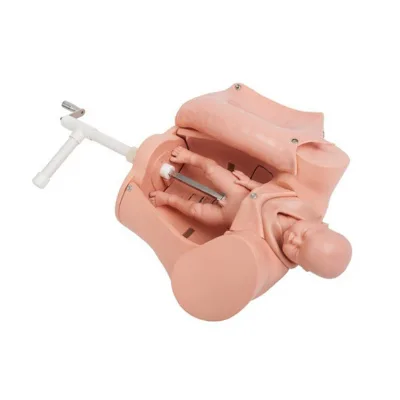
Nursing Manikin Medical Nursing Skills Training Anatomy Medical Training Model
$125.00 - $399.00
MOQ: 1 Pieces


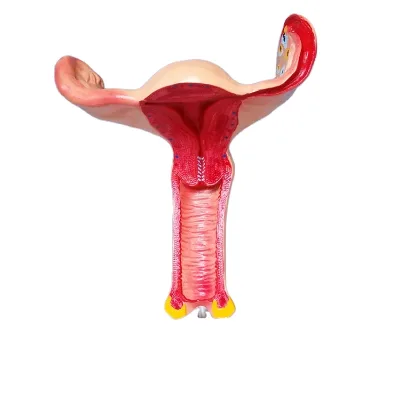
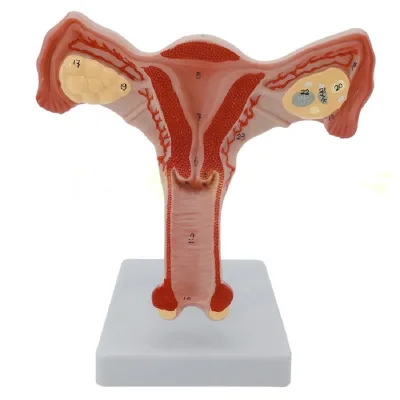
Uterine Anatomy Model Medical Education Training Model Anatomical Models
$10.00 - $100.00
MOQ: 1 Pieces


Anatomical Model of The Head (4 parts) Medical Education Training Model
$10.00 - $100.00
MOQ: 1 Pieces

Multi-Functional Nursing Manikin (male) Medical Education Training Model
$10.00 - $800.00
MOQ: 1 Pieces


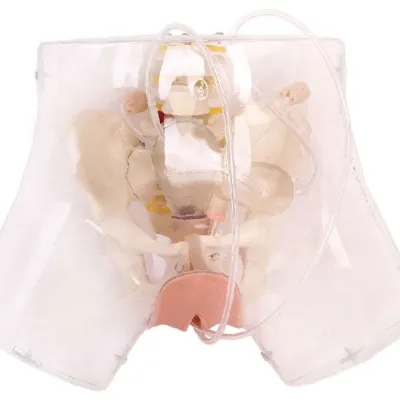
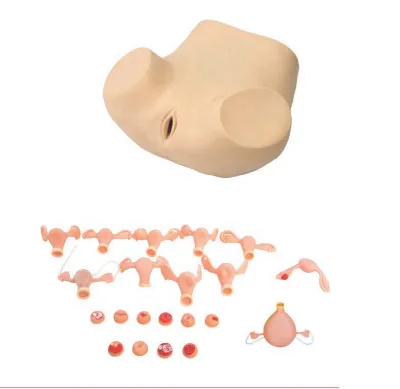
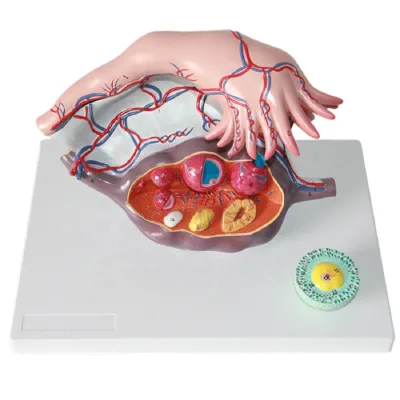
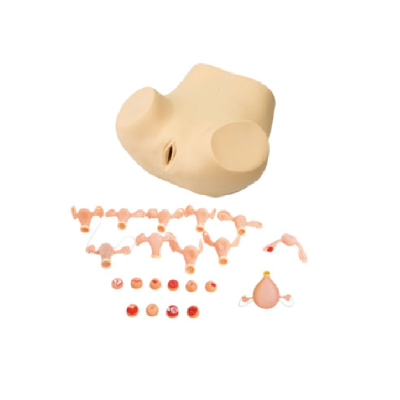
Advanced Transparent Female Anatomy Model for Medical Science Curettage Training Tool
$203.96 - $213.33
MOQ: 10 Minimum


Comprehensive Sourcing Guide
Strategic Sourcing Guide for Nursing Training Anatomy Models
The global demand for high-fidelity medical education tools has surged, with nursing training anatomy models serving as a cornerstone for clinical skill development. For procurement officers and educational institution administrators, sourcing these specialized simulators requires a rigorous, evidence-based approach. The market offers a diverse array of products ranging from isolated limb trainers to comprehensive life-size patient models. This guide synthesizes available product attributes, compliance requirements, and logistical factors to assist buyers in navigating the procurement landscape effectively. The focus remains on verifying technical specifications, ensuring regulatory compliance, and evaluating supplier capabilities without relying on unverified marketing claims.
Technical Specifications and Material Composition
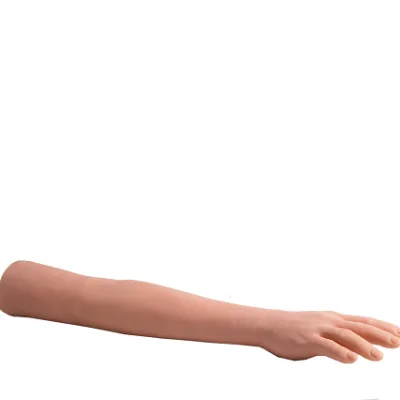
When evaluating nursing training anatomy models, the primary technical differentiator is the material composition and the fidelity of the anatomical representation. Based on observed market data, Polyvinyl Chloride (PVC) is a prevalent material used in the construction of these simulators. PVC is favored for its durability, flexibility, and ability to mimic the texture of human skin and tissue. Buyers must verify the specific grade of PVC used, as this directly impacts the model's resistance to wear, tear, and chemical exposure from cleaning agents.
The physical dimensions of the models vary significantly depending on their intended application. Some products are designed as compact, portable units, with standard dimensions observed around 13cm x 10cm x 10cm and a weight of approximately 0.605kg, suitable for basic procedural training. In contrast, more complex simulators, such as trauma limb models or full-body anatomical representations, can reach substantial sizes. For instance, specific models have been documented with dimensions of 102cm x 55cm x 34cm and a gross weight of 18kg, indicating a life-size or near life-size design. Other variations include specific organ models, such as liver simulators, with dimensions around 15cm x 10cm x 20cm.
The customization status of the product is another critical technical factor. The market presents a dichotomy between "Non-Customized" and "Customized" options. While standard models are readily available with fixed anatomical features, customized variants allow for specific educational requirements, such as highlighting particular pathologies or adjusting tissue density. Procurement teams should clarify whether the "Customization" attribute refers to the ability to modify the model post-purchase or if it implies a bespoke manufacturing process prior to shipment. Additionally, the "Condition" of the product is consistently listed as "New," ensuring that buyers receive factory-fresh equipment rather than refurbished units.
Compliance, Certification, and Regulatory Standards
In the medical education sector, regulatory compliance is non-negotiable. Buyers must prioritize products that carry recognized international certifications. The most frequently observed certifications in the current market data include CE and ISO marks. The CE marking indicates conformity with health, safety, and environmental protection standards for products sold within the European Economic Area, while ISO certification suggests adherence to international quality management standards. It is imperative for buyers to request valid certification documents from the supplier to verify that these marks are current and applicable to the specific model number being purchased.
Beyond general certifications, specific product standards regarding dimensions and weight are often listed in technical datasheets. For example, certain models adhere to specific packaging and shipping standards, such as a packing size of 40cm x 30cm x 43cm. These logistical specifications are crucial for calculating shipping costs and storage requirements. Furthermore, the "Product Standard" field often details the exact physical attributes, such as "PVC" material composition or specific weight classes like 3kg for smaller units. Buyers should treat these numerical values as observations of specific listings rather than universal standards for all anatomy models. Verification of these standards against the supplier's official documentation is essential to ensure the product meets the institution's specific safety and quality protocols.
Cost Drivers and Pricing Structures
The pricing of nursing training anatomy models is influenced by a complex interplay of factors, including anatomical complexity, material quality, and customization levels. The observed price range in the market spans from approximately $9.16 to $3,999 USD. This wide disparity reflects the difference between simple, single-part trainers and comprehensive, multi-functional simulators. Lower-priced items typically correspond to smaller, non-customized models with basic features, while high-end models often include life-size proportions, advanced tissue simulation, and integrated educational components.
Minimum Order Quantity (MOQ) is another significant cost driver. The market data indicates an MOQ range of 1 to 10 units. For educational institutions with limited budgets or those testing new curricula, an MOQ of 1 allows for the acquisition of a single unit for pilot testing. Conversely, bulk procurement for large nursing programs may benefit from suppliers offering lower per-unit costs with an MOQ of 10. Buyers should also consider the "Warranty" terms, which are frequently listed as "One Year." A robust warranty can mitigate long-term costs by covering potential defects in materials or workmanship, effectively reducing the total cost of ownership.
Typical Applications and Functional Versatility
Nursing training anatomy models serve a variety of critical functions within medical education. The primary application categories identified include "Teaching Hospital," "School," and general "Hospital School" environments. These models are designed to facilitate "Medical Education" and "Demonstration" of complex procedures. The specific "Purpose" of these devices often extends to training in trauma care, as evidenced by the availability of "Trauma Limbs Models." These simulators allow students to practice suturing, wound care, and splinting in a risk-free environment.
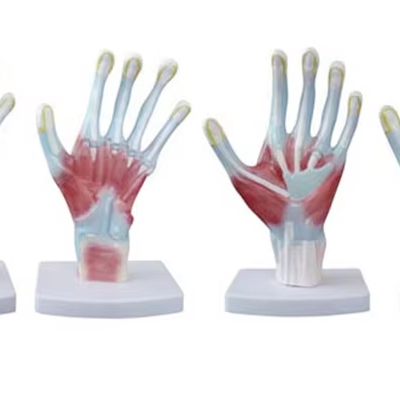
The versatility of these models is further enhanced by their categorization as "Medical Education Training Simulators." Some units are specifically designed for "Anatomical Model" training, focusing on the structural integrity of the human body. Others, such as the "Training Model" with the specific model number SY-N03103, are tailored for general procedural training. The "Subject" of these models is consistently "Medical Science," ensuring alignment with academic curricula. Additionally, the "Position" of the model, whether it represents the "Head," "Liver," or a full limb, dictates its specific use case. For instance, a liver model is ideal for abdominal assessment training, while a head model might be used for airway management or neurological examinations.
Supplier Evaluation and Origin Verification
When selecting a supplier, verifying the "Place of Origin" is a critical step in the evaluation process. The majority of the observed products originate from "China," with specific manufacturing hubs noted in "Shanghai" and "Henan." While these regions are established centers for medical equipment manufacturing, buyers should conduct due diligence to ensure the supplier has a proven track record in producing high-quality medical simulators. The "Shipment" methods available, including "by Sea," "by Air," and "Express," offer flexibility in logistics. However, the choice of shipment method will impact both the delivery timeline and the cost.
The "Delivery" lead time is another key metric for supplier evaluation. A standard lead time of "10 days" has been observed for certain models, which is a competitive timeframe for international shipping. Buyers should confirm if this lead time applies to stock items or if it varies for customized orders. Furthermore, the "Packing" method, whether "Carton," "Carton Box," or "Paper Ctns," plays a vital role in protecting the model during transit. Robust packaging is essential to prevent damage to delicate anatomical features. Suppliers should provide clear documentation regarding their packing standards to ensure the product arrives in pristine condition.
Quality Control and Long-Term Procurement Considerations
Ensuring the long-term viability of the procurement investment requires a focus on quality control and after-sales support. The "Warranty" of "One Year" is a standard offering, but buyers should inquire about the scope of coverage. Does the warranty cover material defects, or does it extend to functional components? Additionally, the availability of replacement parts is crucial for models that may experience wear and tear during intensive training sessions.
For long-term procurement, the "Customization" capability of the supplier is a strategic asset. As educational curricula evolve, the ability to request modifications to existing models or to develop new specific trainers can extend the lifespan of the equipment. Buyers should assess the supplier's flexibility in handling "Customized" requests versus their capacity to deliver "Non-Customized" standard models efficiently. The "Condition" of the product being "New" is a baseline expectation, but buyers should also verify the manufacturing process to ensure consistency in quality across batches.
Finally, the "Category" of the product, such as "Medical Education Training Simulator" or "Medical Education Training Model," should align with the institution's accreditation requirements. Institutions often need to demonstrate that their training equipment meets specific educational standards. By selecting models with clear certifications like CE and ISO, and by verifying the technical specifications against the supplier's documentation, buyers can ensure that their procurement decisions support high-quality nursing education. The integration of these factors—technical specs, compliance, cost, application, supplier reliability, and quality control—forms a comprehensive strategy for sourcing effective nursing training anatomy models.
| Feature Category | Observed Attribute | Verification Requirement |
|---|---|---|
| Material | PVC | Verify grade and durability claims |
| Condition | New | Confirm factory freshness |
| Certification | CE, ISO | Request valid certificates |
| Origin | China (Shanghai, Henan) | Verify manufacturing location |
| Warranty | One Year | Clarify coverage scope |
| Lead Time | 10 Days | Confirm for specific order type |
| Packaging | Carton, Paper Ctns | Assess protection level |
| Customization | Available / Non-Customized | Define scope of modification |
In conclusion, sourcing nursing training anatomy models requires a meticulous approach that balances technical requirements with logistical and regulatory realities. By adhering to the evidence-based guidelines outlined above, procurement professionals can secure high-quality educational tools that enhance student learning outcomes while maintaining fiscal responsibility and compliance with international standards.
FAQs
What materials are used for nursing training anatomy models?
Polyvinyl Chloride is the primary material used for these simulators due to its durability and skin-like texture. Buyers should verify the specific PVC grade to ensure resistance against wear and cleaning chemicals.
Can I find customized nursing training anatomy models?
Yes, customization is available for specific educational requirements like highlighting pathologies. However, some listings also offer non-customized standard models with fixed anatomical features for general use.
Which certifications do nursing training anatomy models typically have?
Most observed models carry CE and ISO certifications indicating compliance with safety and quality standards. Buyers must request valid documentation to verify these marks apply to the specific model number purchased.
How long is the delivery lead time for these models?
A standard lead time of ten days is observed for certain models in the current market. This timeframe may vary depending on whether the order is for stock items or requires custom manufacturing.
What is the price range for nursing training anatomy models?
Prices range from approximately nine dollars to nearly four thousand dollars depending on complexity. Lower costs usually reflect smaller, basic units while higher prices cover life-size or multi-functional simulators.
Where are these nursing training anatomy models manufactured?
The majority of products originate from China, with specific hubs in Shanghai and Henan. Buyers should verify the exact place of origin to ensure the supplier has a proven track record in medical equipment.
What warranty is provided for nursing training anatomy models?
A one-year warranty is frequently listed as the standard coverage for these medical education tools. Buyers should clarify if this covers material defects or functional components to understand the total cost of ownership.