Source High Temperature Resistant Calcined Bauxite for Kilns
Compare 21 listings for High Temperature Resistant Calcined Bauxite suitable for rotary kilns, refractory materials, and abrasive applications. Buyers can review specifications like Al2O3 content, refractoriness, and bulk density to find the right material.
Key considerations
Products List


Comprehensive Sourcing Guide
Strategic Sourcing Guide for High-Temperature Resistant Calcined Bauxite
Procuring high-temperature resistant calcined bauxite requires a disciplined approach that balances technical performance with supply chain reliability. This material serves as a critical component in the refractory industry, where thermal stability and mechanical integrity are non-negotiable. Buyers must navigate a landscape defined by specific chemical compositions, physical forms, and processing methods. The following guide outlines the essential parameters for sourcing this material, ensuring that procurement decisions are grounded in verified product attributes and industry standards rather than unverified marketing claims.
Technical Specifications and Material Properties
The foundation of any successful procurement strategy lies in a precise understanding of the technical specifications. High-temperature resistant calcined bauxite is not a monolithic product; it varies significantly based on the calcination process and the intended application. The core material is derived from bauxite ore, which undergoes calcination in either rotary or shaft kilns. This process alters the physical and chemical properties, resulting in a product that exhibits low thermal conductivity and high-temperature resistance.
Refractoriness is a primary metric for evaluation. In the current market, observed data indicates a wide range of thermal stability. Some grades demonstrate a refractoriness between 1770°C and 2000°C, while higher-grade variants may exceed 2000°C. Conversely, certain applications may utilize materials with a refractoriness range of 1580°C to 1770°C. Buyers must explicitly define the required thermal threshold for their specific furnace or kiln environment to avoid under-specification.
Chemical composition is equally critical. The aluminum oxide (Al2O3) content is the primary driver of performance. Market observations show Al2O3 levels ranging from 70-88% in some grades to a minimum of 85% in others, with specific high-performance variants targeting a minimum of 88%. The iron oxide (Fe2O3) content is typically controlled to a maximum of 2% or 2.5%, as excessive iron can compromise the refractory's purity and thermal efficiency. Bulk density is another key physical property, with observed values ranging from 2.9 g/cm³ minimum to 3.0-3.3 g/cm³.
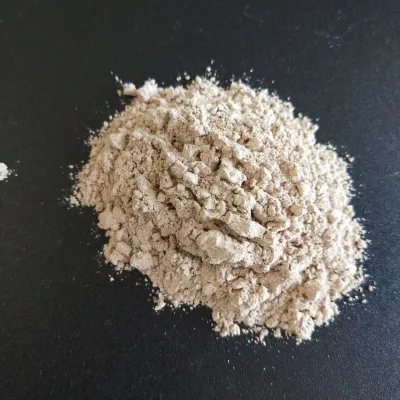
The physical form of the material is dictated by the application. The product is available in various shapes, including blocks, granules, and powders. Size specifications are granular, with common ranges including 0-1mm, 1-3mm, 3-5mm, and 200 mesh. Larger granular forms may extend up to 100mm. The color of the material generally falls within the grey, buff, or brown spectrum, depending on the specific ore source and calcination conditions. Moisture content is strictly controlled, with specifications often requiring levels below 0.5% to ensure stability during storage and processing.
Compliance, Certification, and Standard Verification
When sourcing industrial refractory materials, verifying compliance with standards is essential for quality assurance. While general certification frameworks like CE are often referenced in the broader market, buyers must rely on specific product standards provided by the supplier. The supply data indicates that product standards are often defined by size fractions (e.g., 0-1, 1-3mm, 200 mesh) or chemical purity (e.g., 70-88% Al2O3).
Buyers should not assume that a product automatically meets international safety or quality certifications without explicit documentation. Instead, the procurement process must include a request for the specific standard documentation associated with the batch. The standard should clearly outline the permissible ranges for Al2O3, Fe2O3, and refractoriness. For applications involving high-temperature resistance, the standard must explicitly confirm the thermal limits of the material.
It is also important to verify the origin of the material. The supply chain for calcined bauxite often originates from specific regions in China, such as Xinjiang or Hebei. While the origin itself does not dictate quality, it helps in tracing the supply chain and understanding the geological characteristics of the ore. Buyers should ensure that the supplier can provide a Certificate of Origin that matches the stated place of origin, which is a crucial step in verifying the authenticity of the product claims.
Cost Drivers and Pricing Dynamics
Understanding the cost structure of calcined bauxite is vital for budgeting and negotiation. The observed price range for this material in the market is between $250 and $750 USD. This significant variance is driven by several factors, including the Al2O3 content, the degree of calcination, and the physical form of the product. Higher aluminum oxide content and finer mesh sizes typically command a premium price due to the additional processing required.
Packaging also influences the final cost. The material is available in various packaging formats, including ton bags, big jumbo bags, and smaller 25kg or 500kg bags. The choice of packaging affects logistics costs and handling efficiency. For large-scale industrial applications, bulk packaging like ton bags or jumbo bags is preferred to minimize per-unit handling costs. Conversely, smaller packaging may be necessary for specific laboratory or pilot-scale applications, potentially increasing the unit cost.
Minimum Order Quantity (MOQ) is another critical cost driver. The observed MOQ range spans from 1 unit to 27 units. This flexibility allows buyers to scale their orders based on immediate needs, but it also means that smaller orders may incur higher per-unit logistics costs. Buyers should evaluate their inventory requirements against the MOQ to optimize cash flow and storage costs. Additionally, the availability of customization and samples can impact the initial procurement phase. While samples are available, the cost and lead time for these samples should be factored into the overall procurement timeline.
Typical Applications and Performance Requirements
High-temperature resistant calcined bauxite is primarily utilized in the refractory industry. Its applications are diverse, ranging from lining furnaces and kilns to use as an abrasive and in chemical processes. The material's low thermal conductivity and good mechanical strength make it ideal for environments where thermal shock resistance is required.
In refractory applications, the material is often used in the form of aggregates or binders. The specific application dictates the required size and chemical composition. For instance, rotary kiln bauxite is specifically designed for use in rotary kilns, where the material must withstand continuous rotation and high thermal loads. The calcination method, whether rotary or shaft, influences the porosity and density of the final product, which in turn affects its performance in specific furnace types.
Beyond refractories, the material finds use in abrasive applications and as a raw material for high-aluminum cement and other chemical processes. The high Al2O3 content ensures that the material maintains its structural integrity under extreme conditions. Buyers should match the specific product type, such as RKB or SKB models, to their application requirements. For example, a specific model might be optimized for a particular mesh size that is critical for a specific casting or grinding process.
Supplier Evaluation and Sourcing Strategy
Evaluating suppliers for calcined bauxite requires a focus on reliability and technical capability. The market offers a variety of suppliers, but not all can guarantee consistent quality. Buyers should prioritize suppliers who can provide detailed technical data sheets that align with the observed specifications, such as the refractoriness range and Al2O3 content.
The ability to offer customization is a significant advantage. Suppliers who can tailor the product to specific size requirements or chemical compositions provide greater value. Additionally, the availability of samples allows buyers to conduct their own testing before committing to a large order. This step is crucial for verifying that the material meets the specific performance criteria of the buyer's application.
Geographic location is another factor in supplier evaluation. While the products originate from China, the specific province (e.g., Xinjiang, Hebei) can influence logistics and lead times. Buyers should consider the proximity of the supplier to their own facilities or ports to minimize shipping costs and delays. However, the primary focus should remain on the technical capabilities and quality assurance processes of the supplier rather than just the location.
Quality Control and Long-Term Procurement Considerations
Implementing a robust quality control (QC) protocol is essential for maintaining the integrity of the supply chain. Buyers should establish clear acceptance criteria based on the product specifications, including refractoriness, chemical composition, and physical dimensions. Regular testing of incoming materials is recommended to ensure consistency. The observed bulk density and moisture content should be verified upon receipt to prevent issues during processing.
Long-term procurement considerations involve building a relationship with suppliers who can provide consistent quality over time. The availability of customization and the ability to adapt to changing market demands are indicators of a reliable supplier. Buyers should also consider the lead times and the flexibility of the supplier to handle urgent orders.
The standardization of the product is a key aspect of long-term success. By adhering to specific standards, such as the 0-1, 1-3mm, or 200 mesh specifications, buyers can ensure that their production processes remain stable. Any deviation from these standards should be addressed immediately through a formal quality dispute process.
Comparison of Product Attributes
To assist in decision-making, the following table summarizes the key attributes observed in the market for high-temperature resistant calcined bauxite. This comparison highlights the variability in specifications and helps buyers identify the product that best fits their needs.
| Attribute | Observed Range/Value | Application Context |
|---|---|---|
| Refractoriness | 1580°C < x < 1770°C; 1770°C < x < 2000°C; > 2000°C | Determines maximum operating temperature |
| Al2O3 Content | 70-88%; 85% Min; 88% Min | Higher content indicates better thermal stability |
| Fe2O3 Content | 2% Max; 2.5% Max | Lower iron content improves purity |
| Bulk Density | 2.9 Min; 3-3.3 g/cm³ | Affects mechanical strength and insulation |
| Particle Size | 0-1mm, 1-3mm, 3-5mm, 200 mesh, 0-100mm | Dictates use in casting, grinding, or lining |
| Calcination Type | Rotary Kiln; Shaft Kiln | Influences porosity and density |
| Color | Grey, Buff, Brown | Visual indicator of processing conditions |
| Moisture | < 0.5% | Critical for storage stability |
| Packaging | Ton Bag, Big Jumbo Bags, 25kg/Bag | Impacts logistics and handling |
By carefully analyzing these attributes, buyers can make informed decisions that align with their technical requirements and budget constraints. The procurement of high-temperature resistant calcined bauxite is a complex process that demands attention to detail, rigorous quality control, and a strategic approach to supplier selection. Through a disciplined evaluation of the factors outlined above, buyers can secure a reliable supply of this essential industrial material.
FAQs
What is the refractoriness range for High Temperature Resistant Calcined Bauxite?
The refractoriness ranges from 1580°C to over 2000°C depending on the specific grade. Some products fall between 1770°C and 2000°C, while others exceed 2000°C, and lower grades range from 1580°C to 1770°C.
Which Al2O3 content levels are available for this material?
Available aluminum oxide content varies from 70-88% up to a minimum of 88%. Specific grades offer a minimum of 85% Al2O3, ensuring high thermal stability for demanding refractory applications.
Can I find this material in different particle sizes?
Yes, the material is available in various sizes including 0-1mm, 1-3mm, 3-5mm, and 200 mesh. Larger granular forms can extend up to 100mm, and powder forms are also offered.
What are the typical bulk density values for calcined bauxite?
Bulk density typically ranges from a minimum of 2.9 g/cm³ to 3.0-3.3 g/cm³. This density range ensures good mechanical strength and thermal insulation performance for industrial use.
How is the material packaged for shipment?
Packaging options include ton bags, big jumbo bags, and smaller 25kg or 500kg bags. The specific packaging depends on the order size and logistical requirements of the buyer.
What is the maximum iron oxide content allowed?
The maximum iron oxide content is typically 2% or 2.5% depending on the specific product grade. Keeping iron oxide low ensures higher purity and better thermal efficiency in refractory applications.
Are samples available for testing before bulk orders?
Samples are available for buyers to verify quality and performance before committing to large purchases. This allows for testing of specific attributes like refractoriness and chemical composition.