Source High Tensile Strength Fiberglass Rockbolt for Construction Mining Slopes
Find 30 High Tensile Strength Fiberglass Rockbolt options from Jiangsu, China, featuring pultrusion processes and corrosion resistance. Buyers can compare diameters from 6mm to 40mm, tensile loads up to 500KN, and customized lengths for industrial and mining applications.
Key considerations
Products List
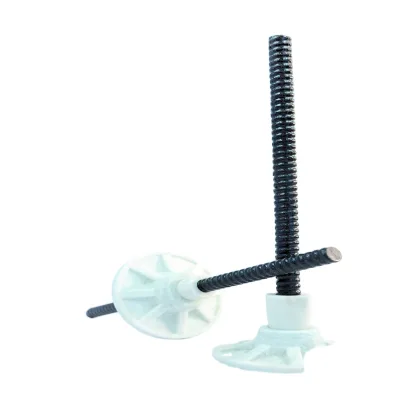
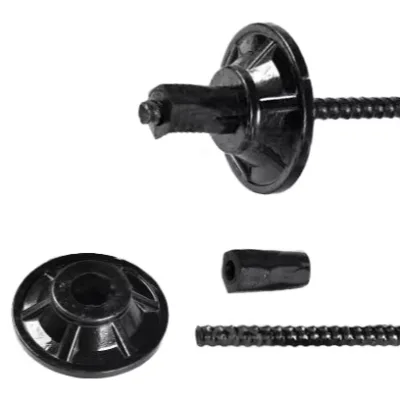
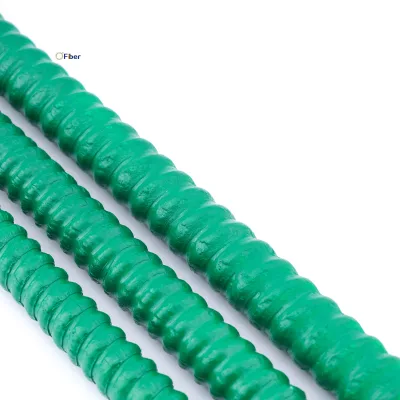
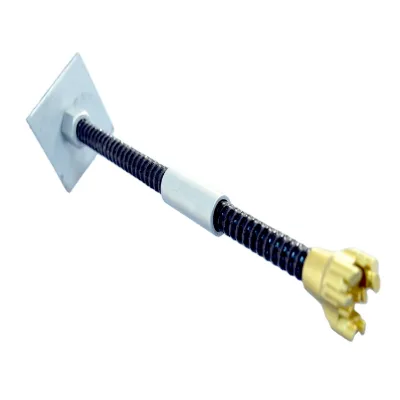
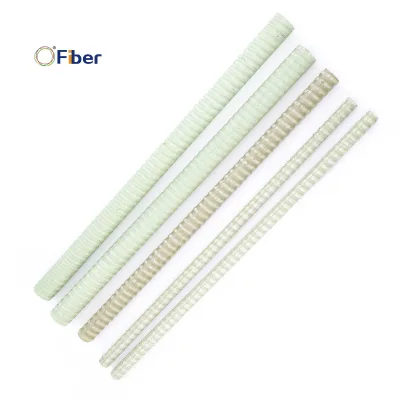
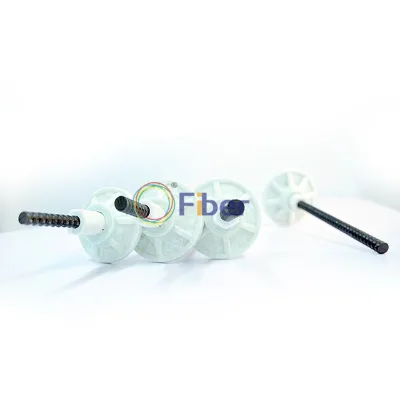


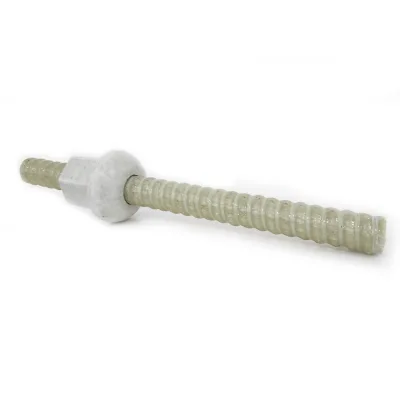

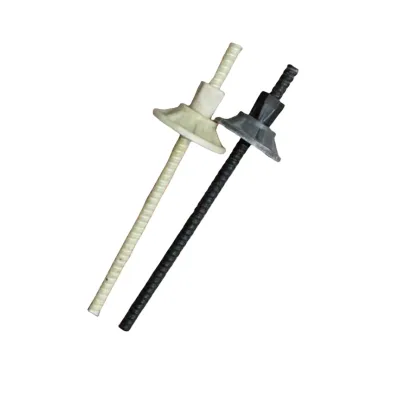

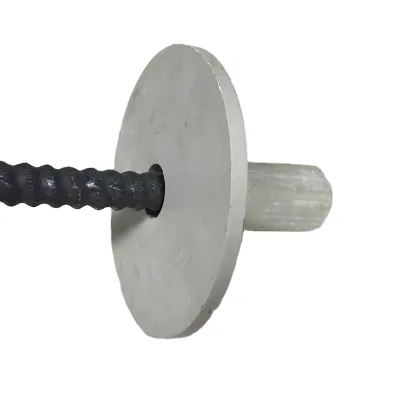
FRP Rock Bolt Factory Price Fiberglass Bolt with Nut and Plate Anchor Bolt
$1.00 - $2.00
MOQ: 1000 Pieces

Comprehensive Sourcing Guide
Strategic Sourcing Guide for High Tensile Strength Fiberglass Rockbolts
Understanding the Technical Architecture of FRP Rockbolts
When sourcing high tensile strength fiberglass rockbolts, buyers must first distinguish between the various manufacturing techniques and material compositions that define the product's structural integrity. The core material for these components is consistently identified as a composite of glass fiber combined with epoxy, vinyl, or unsaturated resin systems. This specific matrix is critical because it dictates the ultimate tensile load capacity, which in verified listings ranges from 350 kN to 500 kN. The manufacturing process is predominantly the pultrusion process, a method that aligns fibers in the direction of the load to maximize strength-to-weight ratios. However, buyers should also be aware of alternative techniques such as "squeezing and wrapping" or "casting," which may appear in specific product listings depending on the intended application, such as self-drilling hollow rockbolts versus solid variants.
The physical specifications of these rockbolts vary significantly based on the application requirements. The diameter range observed in the market spans from 6 mm to 40 mm, with specific model numbers often denoting precise dimensions like 16 mm, 18 mm, 20 mm, up to 32 mm and beyond. For hollow variants, the relationship between the outer diameter and the inner hole diameter is a crucial specification, with common configurations including 25/12 mm, 28/12 mm, 32/15 mm, and 38/20 mm. The modulus of elasticity for these materials is a key performance metric, with observed values around 45 GPa, ensuring the bolt maintains stiffness under load without excessive deformation. Furthermore, the surface treatment plays a vital role in installation; options include screw threads, treads, and deburring and cutting finishes. The shape is often customized, and lengths are adjustable to fit specific geological conditions, ranging from standard lengths to fully customizable dimensions.
Compliance Verification and Certification Standards
In the industrial procurement of rockbolts, verifying compliance with international and regional standards is non-negotiable. The product listings indicate adherence to major standards including ASTM, GB, and BS, which serve as benchmarks for material quality and safety. Additionally, certifications such as ISO 9001, RoHS, and CE are frequently cited, suggesting that the manufacturing facilities adhere to quality management systems and environmental regulations. Buyers must treat these certifications as observations of specific supplier capabilities rather than universal guarantees for every listed item. It is essential to request current certification documents directly from the supplier to confirm that the specific batch of rockbolts being purchased meets the required regulatory framework for the project's location.
The "High-Quality" attribute listed in product descriptions is a qualitative claim that must be substantiated by objective data. While the material is described as having "High Strength" bearing capacity and being "Effective," these terms require validation through third-party testing reports. The presence of certifications like CE and RoHS implies a commitment to safety and environmental compliance, but the buyer should verify the scope of these certifications. For instance, does the ISO 9001 certification cover the specific pultrusion process used for the fiberglass composite? Does the ASTM standard referenced apply to the specific resin system used? Without explicit verification, these claims remain unproven assertions. Buyers should prioritize suppliers who can provide test results that correlate directly with the observed tensile loads of 350 kN and 500 kN, ensuring that the "High Tensile Strength" claim is backed by empirical evidence rather than marketing language.
Cost Drivers and Pricing Dynamics in the FRP Market
The pricing structure for high tensile strength fiberglass rockbolts is influenced by a complex interplay of material costs, manufacturing complexity, and logistical factors. The observed price range in the market spans from $0.01 to $900 USD, a wide variance that reflects differences in diameter, length, tensile load capacity, and order volume. The Minimum Order Quantity (MOQ) also varies significantly, ranging from 1 unit to 1000 units, which directly impacts the unit cost. Smaller orders typically incur higher per-unit costs due to the fixed overhead of the pultrusion process and packaging, while bulk orders benefit from economies of scale.
Several specific factors drive the cost of these components. The choice of resin system is a primary driver; epoxy and vinyl resins generally command different price points based on their chemical properties and performance characteristics. The diameter and length of the bolt are also critical cost determinants, as larger diameters require more raw glass fiber and resin, increasing the material weight and processing time. The "Single gross weight" of 0.500 kg per item suggests that weight-based shipping calculations are relevant, particularly for international procurement. Additionally, the customization of the product, such as specific thread types, colors, or lengths, adds to the production complexity and cost. The "Selling Units" being listed as "Single item" indicates that the market supports both small-scale testing and large-scale deployment, but the price per unit will fluctuate based on the total volume purchased. Buyers should analyze the total cost of ownership, including the potential savings from reduced installation time due to the lightweight nature of the fiberglass compared to steel alternatives.
Typical Applications and Geological Suitability
High tensile strength fiberglass rockbolts are engineered for a diverse range of demanding environments, with the primary applications spanning construction, mining, side slope stabilization, and foundation work. The material's inherent advantages, such as being water-resistant, rustless, and corrosion-resistant, make it particularly suitable for harsh environments where traditional steel bolts would degrade rapidly. In mining operations, the bolts are utilized for ground support in tunnels and shafts, where the presence of moisture and acidic conditions can compromise metal fasteners. The "Side Slope" application highlights their use in civil engineering projects to prevent landslides and stabilize earthworks, where the lightweight nature of the FRP material reduces the load on the slope itself.
The versatility of these rockbolts is further enhanced by their ability to be customized for specific geological conditions. The "Self-drilling Hollow Rockbolt" variant, for example, is designed for situations where drilling and grouting can be combined into a single operation, increasing efficiency. The "GFRP Solid Rockbolt" offers a different set of properties, likely providing higher rigidity for specific load-bearing scenarios. The "Construction/Mining/Side Slope/Foundation" application list indicates that these products are not limited to a single industry but are adaptable to various structural needs. The "Effective" function of the product is realized through its ability to transfer loads from unstable rock masses to stable strata, ensuring the safety of the structure. Buyers should match the specific application requirements with the appropriate bolt type, considering factors such as the required tensile load, the drilling method, and the environmental conditions of the site.
Supplier Evaluation and Manufacturing Capabilities
Evaluating a supplier for high tensile strength fiberglass rockbolts requires a deep dive into their manufacturing capabilities and service offerings. The "Place of Origin" for many of these products is Jiangsu, China, a region known for its robust manufacturing infrastructure. However, the specific location should be verified to ensure logistical feasibility and to understand the supply chain dynamics. The "Processing Service" of cutting is a standard offering, but buyers should inquire about the precision of this service and whether it can be customized to exact project specifications. The "Technique" of pultrusion is the industry standard for producing high-strength FRP bars, but the presence of other techniques like "squeezing and wrapping" or "casting" suggests a diverse product portfolio that may require different quality control measures.
Supplier reliability is often indicated by the availability of "Online Technical Support" and the acceptance of "OEM" (Original Equipment Manufacturer) orders. These services suggest that the supplier is willing to engage with the buyer beyond a simple transaction, offering guidance on installation and customization. The "Sample Available" attribute is a crucial indicator of supplier confidence; it allows buyers to physically inspect the product quality before committing to a large order. The "Customization" availability, including "Customized Color" and "Customizable Length," demonstrates the supplier's flexibility in meeting unique project requirements. Buyers should also assess the supplier's ability to handle the "Single package size" variations, such as 60x10x10 cm or 100x10x10 cm, which impact shipping and storage logistics. A supplier that can provide a comprehensive range of services, from technical support to customization, is more likely to deliver a successful procurement outcome.
Quality Control and Long-Term Procurement Considerations
Ensuring the long-term performance of high tensile strength fiberglass rockbolts requires a rigorous quality control strategy. The "Quality" attribute of "High-Quality" must be validated through a systematic inspection process. Buyers should verify the consistency of the "Glass fiber+epoxy/vinyl resin" composition, as variations in the resin-to-fiber ratio can significantly affect the ultimate tensile load and modulus of elasticity. The "Surface Treatment" processes, including "Screw Thread," "Treaded," and "Deburring and cutting," must be executed with precision to ensure proper installation and load transfer. The "Finish" options, such as "Bright (Uncoated)" or "Longer Life Ticn," should be selected based on the specific environmental conditions of the project site.
Long-term procurement considerations extend beyond the initial purchase to include the durability and maintenance requirements of the rockbolts. The "Advantage" of being "Water resistant/Rustless/Corrosion Resistance" is a key factor in the lifecycle cost analysis, as it eliminates the need for periodic replacement or maintenance associated with steel bolts. The "Delivery Time" of 15-30 days is a standard lead time, but buyers should confirm this with the supplier to ensure it aligns with project schedules. The "Bearing Capacity" of "High Strength" is a critical performance metric that must be maintained throughout the product's lifespan. Buyers should also consider the "Function" of the product, ensuring it remains "Effective" under the specific load conditions of the application. By focusing on these quality control and long-term factors, buyers can secure a reliable supply of high tensile strength fiberglass rockbolts that meet the demanding requirements of modern construction and mining projects.
Comparative Analysis of Product Variants
To facilitate informed decision-making, buyers should compare the different variants of fiberglass rockbolts available in the market. The following table summarizes the key differences between the primary product types based on the observed specifications.
| Feature | FRP Rebar / Solid Rockbolt | Self-Drilling Hollow Rockbolt | GFRP Solid Rockbolt |
|---|---|---|---|
| Primary Material | Glass fiber + Epoxy/Vinyl Resin | Glass fiber + Unsaturated Resin | Glass fiber + Unsaturated Resin |
| Diameter Range | 6mm - 40mm | 16mm - 40mm | 16mm - 40mm |
| Key Specification | Model Number: FRP Rebar | Model Number: Self-drilling Hollow | Model Number: 16, 18, 20, etc. |
| Surface Treatment | Screw Thread | Treaded | Treaded |
| Tensile Load | 350KN, 500KN | Not explicitly listed | Not explicitly listed |
| Application | Construction, Mining, Slope | Construction, Mining, Slope | Industrial and Mining |
| Technique | Pultrusion Process | Pultrusion | Pultrusion |
| Package Size | 60x10x10 cm | 100x10x10 cm | Not specified |
This comparison highlights that while the core material and manufacturing technique remain consistent, the specific design features, such as the hollow vs. solid configuration and the surface treatment, dictate the optimal application. Buyers must align their project requirements with these specific attributes to ensure the selected rockbolt provides the necessary structural support and longevity.
FAQs
What materials are used to make high tensile strength fiberglass rockbolts?
These rockbolts are made from glass fiber combined with epoxy, vinyl, or unsaturated resin systems. This composite matrix ensures high tensile loads ranging from 350 kN to 500 kN while providing corrosion resistance.
Which manufacturing techniques are used for these fiberglass rockbolts?
The primary technique is the pultrusion process, which aligns fibers for maximum strength. Some listings also mention squeezing and wrapping or casting methods depending on whether the product is a solid or self-drilling hollow variant.
Can buyers customize the dimensions and colors of these rockbolts?
Yes, customization is available for diameter, length, and color. Available diameters range from 6 mm to 40 mm, and lengths are customizable to fit specific geological conditions or project requirements.
What certifications do high tensile strength fiberglass rockbolts typically hold?
Products often carry ISO 9001, RoHS, and CE certifications. They also adhere to international standards such as ASTM, GB, and BS, ensuring compliance with quality management and safety regulations.
How long is the delivery time for orders of these rockbolts?
The standard delivery time is between 15 to 30 days. This lead time applies to orders placed with manufacturers located in Jiangsu, China, who offer online technical support and sample availability.
What are the main applications for high tensile strength fiberglass rockbolts?
These bolts are used in construction, mining, side slope stabilization, and foundation work. Their lightweight and rustless properties make them ideal for harsh environments where steel bolts would degrade.