Source Natural Trans Resveratrol Powder for Food, Health Care, and Nootropics
Compare 30 listings of Natural Trans Resveratrol Powder from verified Chinese suppliers. Buyers can evaluate purity levels, certifications, and packaging options for food, health care products, and nootropic applications.
Key considerations
Products List
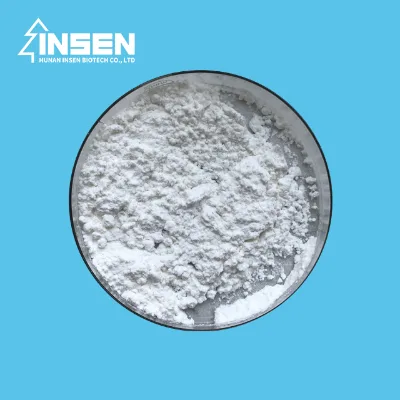


Natural Trans Resveratrol Powder Polygonum Cuspidatum Root Extract Enhances Immunity
$185.00 - $385.00
MOQ: 1 kilograms


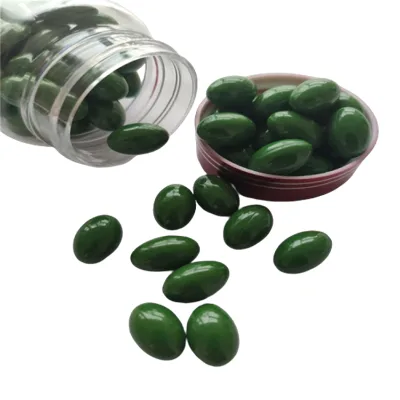
Comprehensive Sourcing Guide
Strategic Sourcing Guide for Natural Trans Resveratrol Powder
Understanding Product Specifications and Chemical Identity
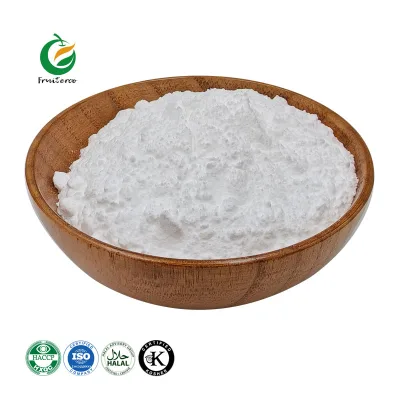
When sourcing Natural Trans Resveratrol Powder, the primary objective is to verify the precise chemical identity and physical characteristics of the material. The core product is identified by the molecular formula C14H12O3 and a molecular weight of 228.24. Buyers must distinguish between the specific isomer, trans-resveratrol, and other potential forms, as the biological activity and market value are heavily dependent on this configuration. The observed physical state for this commodity is consistently a solid, appearing as a white to off-white powder. This visual characteristic is a critical first-line indicator of quality during the initial inspection of samples.
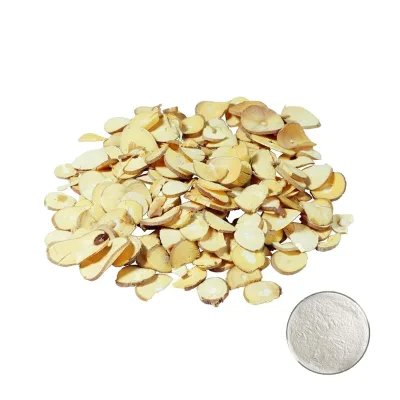
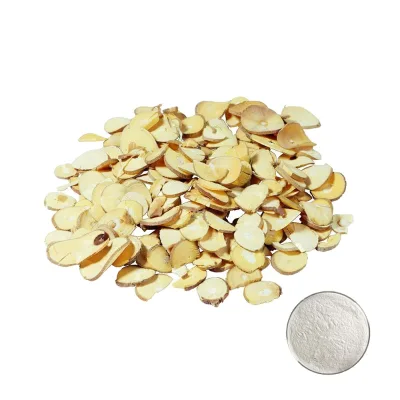
The source of the raw material is a significant differentiator in the market. While some suppliers may utilize chemosynthesis to produce the compound, the specific keyword "natural" implies a botanical origin. In the context of available data, the part of the plant utilized is the bark, and the cultivation method is noted as artificial planting. This distinction is vital for buyers targeting "natural" claims in their own supply chains. The extraction method employed is typically solvent extraction, which must be executed with rigorous controls to ensure no residual solvents remain in the final powder. The product is categorized as a herbal extract, specifically functioning as a nootropic, which aligns with its application in health care and food sectors.
Compliance, Certification, and Regulatory Standards
Navigating the regulatory landscape is perhaps the most critical step in the procurement of trans resveratrol powder. The product must meet specific grade requirements to be suitable for its intended applications. Data indicates that the material is available in food grade and medical grade specifications. For buyers targeting the food and beverage industry, the Food grade designation is essential, while medical grade standards are required for pharmaceutical applications. The purity of the product is a major compliance factor, with observed specifications ranging from 98% to over 99%. Buyers must verify that the assay method used to determine this purity is High-Performance Liquid Chromatography (HPLC), as this is the industry standard for quantifying specific isomers in herbal extracts.
Certification status varies significantly among suppliers, and buyers must conduct due diligence to match certifications with their target markets. The supply chain has demonstrated the presence of several key certifications, including ISO 9001, USP (United States Pharmacopeia), BP (British Pharmacopoeia), FDA registration, HACCP, BRC, and RoHS compliance. However, it is crucial to note that certification status is not universal across all listed products; some entries indicate "Non-Customized" certification, while others offer "Customized" options. A buyer cannot assume that a supplier possessing one certification automatically holds all others. Verification of current, valid certificates for the specific batch being purchased is mandatory. The shelf life of the product is generally cited as two years under proper storage conditions, which impacts inventory planning and logistics.
Cost Drivers and Pricing Dynamics
The pricing structure for trans resveratrol powder is influenced by a complex interplay of factors, including purity levels, certification status, and order volume. The observed market price range is broad, spanning from 0.03 to 445 USD. This variance suggests that the market includes both bulk raw materials and highly processed, certified final products. The minimum order quantity (MOQ) also plays a significant role in the unit cost. While some suppliers list an MOQ of 1 unit, others require a minimum of 100 grams or 1 kilogram. Buyers should anticipate that purchasing at the lower end of the MOQ spectrum may result in a higher per-unit cost compared to bulk drum purchases.
Packaging is another direct cost driver. The standard packaging options include aluminum foil bags and drums. For large-scale industrial applications, the drum is the preferred unit, whereas smaller batches or samples are often supplied in aluminum foil bags. The choice of packaging affects the overall shipping cost and the handling requirements upon arrival. Additionally, the customization of the product, such as specific purity levels or packaging configurations, can introduce variable costs. Buyers must clarify whether the quoted price includes the cost of certification testing or if these are separate line items. The "Selling Units" are typically listed as single items, which implies that pricing is often negotiated per transaction rather than through a fixed catalog price, requiring buyers to request detailed quotations based on their specific volume needs.
Typical Applications and End-Use Markets
Trans resveratrol powder serves a diverse range of applications, primarily driven by its function as a nootropic and its presence in health care products. The primary application sectors identified are the food industry and health care products. In the food sector, the powder is utilized as an ingredient in various formulations, leveraging its antioxidant properties. The product is also applicable in the creation of health care supplements, where it is often processed into specific forms such as capsules or tablets. This versatility allows suppliers to cater to both bulk ingredient manufacturers and finished product formulators.
The specific form of the product, whether it remains as a powder or is processed into capsules and tablets, depends on the buyer's downstream capabilities. For companies that manufacture their own finished goods, purchasing the raw powder allows for greater control over the final formulation. The "All Seasons" designation suggests that the product is stable and suitable for use in products intended for year-round consumption, without seasonal limitations. The extraction type, solvent extraction, ensures a high concentration of the active ingredient, making it suitable for applications where potency is a key selling point. Buyers should align their procurement strategy with their specific end-market requirements, ensuring that the grade and certification of the powder match the regulatory requirements of their final product's destination market.
Supplier Evaluation and Operational Capabilities
Evaluating potential suppliers requires a rigorous assessment of their operational capabilities and consistency. The place of origin for the majority of these products is Hunan, China, which is a recognized hub for herbal extract production. Buyers should verify the specific location and facility standards of the supplier, as the "Place of Origin" is a key indicator of the supply chain's stability. The production model varies, with some suppliers utilizing artificial planting for their raw materials, which ensures a consistent supply of the bark used for extraction.
Lead times and shipping capabilities are critical operational metrics. The standard shipping timeline is typically within 1 to 3 working days after payment is received, indicating a responsive supply chain for ready stock items. However, buyers must confirm if this timeline applies to custom orders or if there are delays associated with specific certifications or packaging requirements. The availability of stock is another factor; the data indicates that the product is "in Stock," which reduces the risk of production delays. However, buyers should verify the actual stock levels for the specific grade and purity they require, as availability can fluctuate based on demand.
Quality Control and Assay Verification
Quality control is the backbone of a reliable procurement process for trans resveratrol powder. The primary metric for quality is the assay method, which must be HPLC to ensure accurate quantification of the trans-isomer. Buyers should request a Certificate of Analysis (CoA) for every batch, which should detail the purity, moisture content, and heavy metal limits. The observed purity specifications range from 98% to over 99%, and buyers must ensure that the CoA reflects the specific purity level they have contracted for.
The physical appearance of the powder, described as white to off-white, should be consistent with the CoA. Any deviation in color or texture could indicate contamination or degradation. The molecular weight and formula (C14H12O3, 228.24) serve as the baseline for chemical verification. Buyers should also consider the shelf life of two years, ensuring that the product received has sufficient remaining shelf life to meet their production schedules. The standard for the product is often listed as 99% or Medical grade, but these are observations that must be verified against the specific batch documentation.
Long-Term Procurement Considerations
Sourcing trans resveratrol powder is not merely a transactional activity but a strategic partnership that requires long-term planning. The availability of customization options, such as specific packaging or purity levels, allows buyers to tailor the product to their evolving needs. However, the "Customized" status varies, and buyers must confirm the feasibility and cost implications of custom orders. The resource type, whether chemosynthesis or natural extraction, is a long-term consideration for brands that prioritize "natural" labeling.
Buyers should also consider the scalability of their supply chain. The observed MOQ range of 1 to 200 units suggests flexibility, but consistent large-volume purchasing may require negotiating better terms or securing dedicated production slots. The certification landscape is dynamic, and maintaining compliance with standards like ISO 9001, USP, and FDA requires ongoing supplier engagement. Finally, the stability of the supply chain, indicated by the "in Stock" status and the specific origin in Hunan, provides a foundation for long-term planning, but buyers should always have contingency plans for potential disruptions in the herbal extract market.
| Attribute | Observation | Verification Requirement |
|---|---|---|
| Appearance | White to off-white powder | Visual inspection against CoA |
| Purity | >99% or 98% | HPLC Assay Report |
| Grade | Food grade, Medical grade | Certificate of Analysis |
| Certification | ISO 9001, USP, BP, FDA, etc. | Valid Certificate Copy |
| MOQ | 1g to 1kg | Purchase Order Terms |
| Origin | Hunan, China | Supplier Facility Audit |
| Shelf Life | 2 Years | Batch Expiry Date |
| Packaging | Drum, Aluminum Foil Bag | Packaging Specification Sheet |
FAQs
What is the purity level of Natural Trans Resveratrol Powder?
The product purity is typically over 99 percent or 98 percent depending on the specific batch. Buyers must verify the exact percentage on the Certificate of Analysis as specifications vary between suppliers.
How is the Natural Trans Resveratrol Powder extracted?
Extraction is performed using solvent extraction methods to isolate the active ingredient from the bark. This process ensures high concentration but requires rigorous controls to eliminate residual solvents in the final powder.
Which certifications are available for this herbal extract product?
Available certifications include ISO 9001, USP, BP, FDA, HACCP, BRC, and RoHS compliance. Buyers should confirm which specific certificates apply to their order as not all suppliers hold every listed certification.
Can I order samples with a low minimum order quantity?
Yes, minimum order quantities range from 1 gram to 1 kilogram depending on the supplier. Some vendors offer single item selling units while others require bulk purchases starting at 100 grams.
What is the shelf life of the white powder product?
The shelf life is two years when stored under proper conditions. Buyers should check the batch expiry date upon receipt to ensure sufficient remaining life for their production schedules.
Where is the place of origin for this trans resveratrol powder?
The place of origin is Hunan, China, a recognized hub for herbal extract production. Buyers should verify the specific facility location to ensure supply chain stability and compliance with local regulations.
How quickly can I receive the product after payment?
Shipping typically occurs within one to three working days after payment is received. This timeline applies to items currently in stock, though custom orders may require additional processing time.