Source High Transparency Polystyrene for automotive parts, packaging, and wire
Find 30 listings for High Transparency Polystyrene sourced from Guangdong, Zhejiang, Hunan, and Hebei. Compare options including HIPS, GPPS, and EPS grades with features like aging resistance and high strength for automotive, packaging, and insulation applications; compare the available evidence and request quotations based on your requirements.
Updated
Key considerations
Products List




Xintai Expanded Polystyrene: Ideal for Packaging with High Melting Point
$1000.00 - $1500.00
MOQ: 17 Tons

Advanced Reliable Expanded Polystyrene for High-Quality Eco-Friendly EPS Insulation
$1000.00 - $1500.00
MOQ: 17 Tons

High-Quality Eco-Friendly Expandable Polystyrene of EPS Foam Raw Materials
$1100.00 - $1500.00
MOQ: 20 Tons

Premium Expanded Polystyrene by Xintai for Effective Packaging Applications
$1000.00 - $1500.00
MOQ: 17 Tons

High-Quality Expanded Polystyrene Xintai for Durable Packaging Solutions
$1000.00 - $1500.00
MOQ: 17 Tons
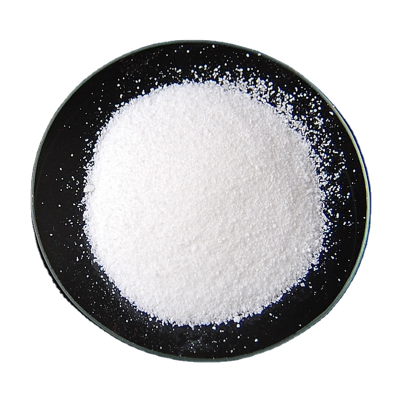
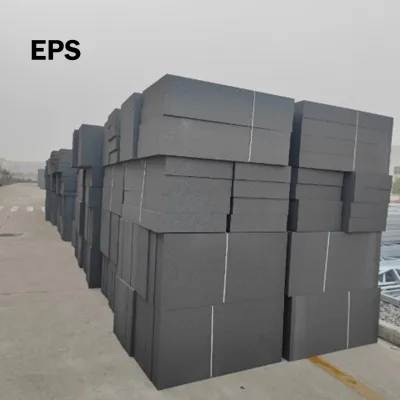
High Density Expandable Polystyrene Granules Factory Price Type Synthetic Material Intermediates
$1242.3502 - $1552.9378
MOQ: 16 Minimum
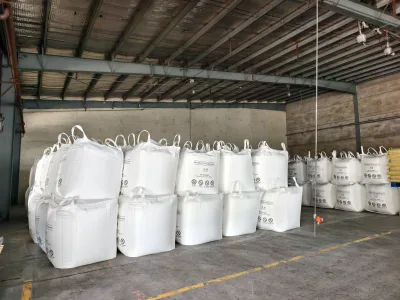
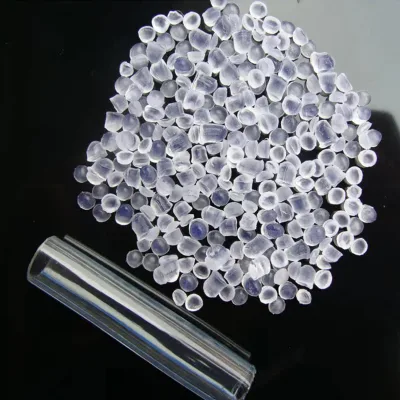
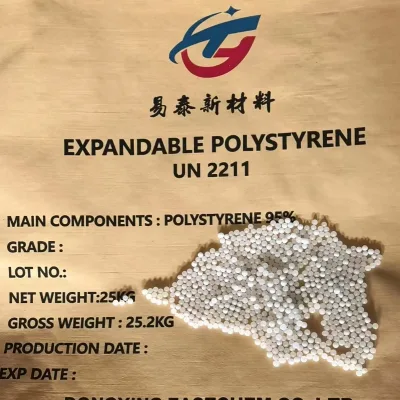
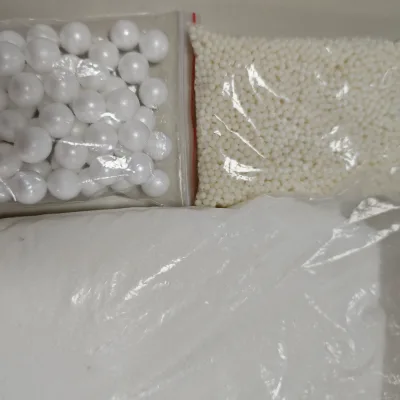
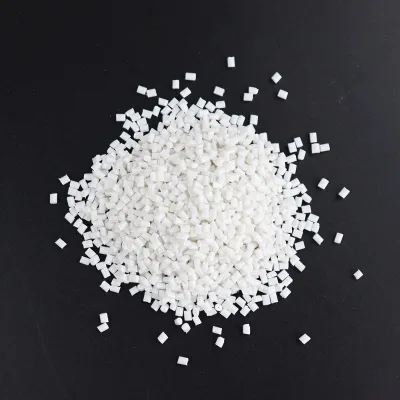
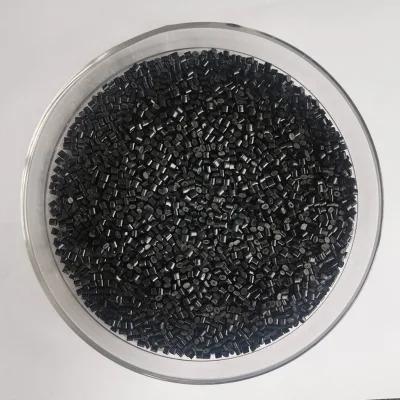
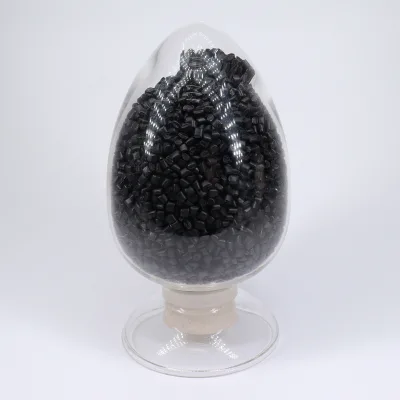
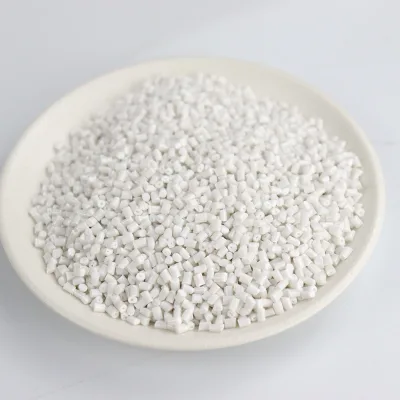

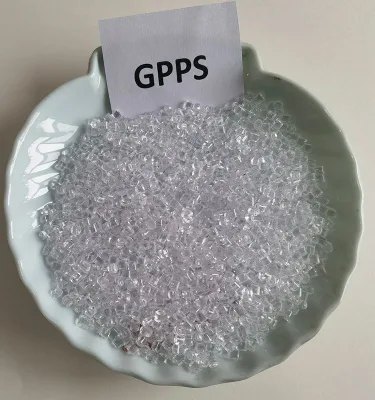
Hot Selling Foam Raw Material Expandable Polystyrene EPS Resin Expanded Polystyrene
$1131.7779 - $1152.3568
MOQ: 10 tons

Comprehensive Sourcing Guide
High Transparency Polystyrene Sourcing Guide
Sourcing High Transparency Polystyrene requires careful navigation of material grades and supplier capabilities, as the market offers diverse variants rather than a single uniform product. Buyers must distinguish between General Purpose Polystyrene (GPPS), which provides the clarity associated with transparency, and other grades like High Impact Polystyrene (HIPS) or Expansible Polystyrene (EPS) that serve different structural or insulation needs. The observed listings indicate a wide range of applications, from automotive parts and power tool accessories to packaging and general plastics, suggesting that transparency is just one attribute among many in the polystyrene family. Procurement teams should first define whether their end-use demands optical clarity or if mechanical strength and impact resistance are the primary drivers for material selection.
The supply chain for these materials is heavily concentrated in China, with observed origins including Guangdong, Zhejiang, Hunan, and Hebei provinces. This geographic distribution implies that buyers may encounter different manufacturing specializations depending on the supplier’s location, such as extrusion grades in some regions and molding grades in others. Understanding the specific production method, whether it involves film pressure, injection molding, or extrusion, is critical for ensuring the material meets the processing requirements of the buyer’s manufacturing equipment. Furthermore, the presence of brands like baoyang and EDI in the market highlights the importance of verifying brand authenticity and supply chain consistency when negotiating long-term contracts for high-volume purchases.
Product Scope and Observed Listing Signals
The product scope for polystyrene in current listings spans multiple functional categories, ranging from raw material pellets to specialized insulation boards. Observed signals include materials described as 100% pure raw Polystyrene, High Impact Polystyrene, and Expansible Polystyrene, each serving distinct industrial purposes. For instance, some listings highlight applications in underfloor heating, interior and external wall insulation, and balcony insulation, indicating a significant segment of the market focused on thermal performance rather than optical transparency. Buyers seeking High Transparency Polystyrene must carefully filter these listings to exclude insulation-focused products, which often feature closed-cell rates above 99% and specific thermal conductivity values that are irrelevant for packaging or clear container applications.
Commercial signals also reveal a broad spectrum of minimum order quantities and packaging formats, reflecting the flexibility of the supply chain. MOQs range from as low as one unit to 1000 pieces, allowing both small-scale prototyping and large-scale industrial procurement to find suitable suppliers. Packaging varies from 25 kg bags to full container load configurations, which directly impacts logistics planning and storage requirements for the buyer. Additionally, customization options such as custom logos, sizes, and packing methods are frequently available, suggesting that suppliers are willing to adapt their offerings to meet specific brand or logistical needs. Buyers should leverage these signals to identify suppliers who can accommodate their specific volume and customization requirements without compromising on material quality.
Technical Specifications to Verify
When evaluating technical specifications, buyers must prioritize the verification of material grade and processing characteristics to ensure compatibility with their manufacturing processes. The observed data indicates that polystyrene is available in extrusion, molding, and injection molding grades, each requiring different processing parameters. For high transparency applications, General Purpose Polystyrene (GPPS) is typically the preferred choice due to its thermoplastic properties and clarity, whereas HIPS offers improved impact resistance at the cost of some transparency. Buyers should request detailed technical data sheets that specify the melting point, which can range from 240-260℃, and confirm the plastic properties after heating to ensure the material behaves as expected during extrusion or injection molding.
Physical and mechanical properties are equally critical for ensuring the final product meets performance standards. Specifications such as compressive strength, thermal conductivity, and combustion performance are often highlighted in listings, particularly for insulation-grade polystyrene. For transparent applications, buyers should verify optical clarity, surface finish, and dimensional stability rather than focusing on insulation metrics. The observed single gross weight of 1.0 kg and single package size of 45X45X30 cm provide reference points for handling and storage, but buyers must confirm these metrics for their specific order size. Additionally, features like aging resistance and wear resistance should be validated through supplier documentation to ensure the material maintains its integrity over time, especially for automotive or outdoor applications.
Compliance and Safety Documentation
Compliance and safety documentation are essential for mitigating regulatory risks and ensuring that the polystyrene meets international standards for health and environmental impact. Buyers should request certificates of analysis and material safety data sheets that confirm the absence of harmful additives and verify the purity of the raw material. While some listings mention ISO 9002 and ISO 140 standards, these are noted as low-confidence background information and should not be assumed as verified certifications without direct confirmation from the supplier. Procurement teams must independently verify that the supplier holds valid quality management certifications and that the material complies with relevant food contact regulations if the polystyrene is intended for packaging applications.
Combustion performance and environmental safety are also key areas of concern, particularly for products used in construction or consumer goods. The observed combustion performance level of B1 indicates a certain degree of fire resistance, which is crucial for insulation materials but less relevant for transparent packaging. Buyers should clarify the specific safety standards required for their end market, such as REACH or RoHS compliance, and ensure that the supplier can provide documentation proving adherence to these regulations. Additionally, the customization of logos and materials should be reviewed to ensure that any added inks or coatings do not compromise the safety or regulatory status of the final product.
Cost Drivers and Commercial Terms
Cost drivers for High Transparency Polystyrene include raw material prices, processing complexity, and order volume, all of which influence the final price per unit. The observed price range of 0.3 to 4272.75 USD reflects the diversity of products available, from small samples to large industrial orders, and highlights the importance of defining the exact specification to obtain accurate pricing. Buyers should negotiate based on volume tiers, as larger orders often benefit from economies of scale and reduced per-unit costs. Additionally, the choice of packaging, such as 25 kg bags versus full container loads, can impact logistics costs and should be factored into the total cost of ownership.
Commercial terms, including payment methods and lead times, play a significant role in the procurement process. The observed payment method of T/T (Telegraphic Transfer) is common in international trade, but buyers should negotiate favorable terms such as partial upfront payment and balance upon shipment to mitigate risk. Lead times and production capacity should be confirmed in writing to ensure timely delivery, especially for time-sensitive projects. Customization options, such as custom logos or specific sizes, may incur additional costs and should be clearly defined in the contract to avoid unexpected charges. Buyers should also consider the supplier’s reputation and experience, as indicated by the 10+ years experience claim, to assess reliability and service quality.
Supplier Qualification and Quality Control
Supplier qualification is a critical step in ensuring the reliability and consistency of the polystyrene supply chain. Buyers should conduct thorough due diligence on potential suppliers, verifying their manufacturing capabilities, quality control processes, and financial stability. The observed presence of multiple origins in China suggests a competitive market, but buyers must distinguish between trading companies and actual manufacturers to ensure better pricing and direct communication. Requesting factory audits or third-party inspections can provide valuable insights into the supplier’s production environment and quality management systems, helping to identify potential risks before committing to large orders.
Quality control measures should be established to monitor the consistency of the material throughout the production process. Buyers should define clear acceptance criteria for key attributes such as transparency, mechanical strength, and dimensional accuracy, and require pre-shipment inspections to verify compliance. The observed customization options, including custom logos and sizes, should be tested for quality and durability to ensure they meet the buyer’s standards. Additionally, establishing a feedback loop with the supplier for continuous improvement can help address any issues that arise during production or delivery. Regular communication and clear documentation of quality expectations are essential for maintaining a strong and productive supplier relationship.
Long-Term Procurement Checks
Long-term procurement checks involve ongoing monitoring of supplier performance, market trends, and regulatory changes to ensure sustained value and compliance. Buyers should establish key performance indicators (KPIs) to track supplier reliability, including on-time delivery rates, defect rates, and responsiveness to issues. Regular reviews of these metrics can help identify potential problems early and allow for corrective actions to be taken. Additionally, staying informed about changes in raw material prices and supply chain dynamics can help buyers anticipate cost fluctuations and adjust their procurement strategies accordingly.
Regulatory compliance and sustainability are increasingly important factors in long-term procurement. Buyers should regularly update their knowledge of relevant standards and regulations, such as those related to food contact, environmental impact, and fire safety, to ensure that their suppliers remain compliant. Engaging in continuous dialogue with suppliers about sustainability initiatives and material innovations can also help drive long-term value and competitiveness. By maintaining a proactive approach to supplier management and market analysis, buyers can secure a stable and reliable supply of High Transparency Polystyrene that meets their evolving business needs.
FAQs
What materials are available for High Transparency Polystyrene?
High Transparency Polystyrene is available in General Purpose Polystyrene (GPPS) and High Impact Polystyrene (HIPS). GPPS offers excellent clarity and is a thermoplastic suitable for packaging. HIPS provides greater durability while maintaining transparency. These materials support injection molding and extrusion processes for various industrial applications.
Can High Transparency Polystyrene be customized for specific needs?
Yes, customization is available for High Transparency Polystyrene products. Buyers can request custom logos, sizes, and packing methods to suit their requirements. The material supports various forming methods and can be tailored to specific application scenarios, ensuring the final product meets precise operational and aesthetic standards for diverse industries.
Where are High Transparency Polystyrene products manufactured?
High Transparency Polystyrene products are manufactured in several regions of China, including Guangdong, Zhejiang, Hunan, and Hebei. These locations host various suppliers offering different grades and specifications. Buyers can select manufacturers based on proximity to logistics hubs or specific regional expertise in producing high-quality polystyrene materials for global export.
What are the typical packaging options for polystyrene?
Typical packaging includes 25 kg bags for granular materials and full container load packing for bulk shipments. Some suppliers offer customized packing according to customer requirements. Standard options ensure product protection during transit, while flexible solutions accommodate specific logistical needs, ensuring the material arrives in optimal condition for immediate processing or storage.
What is the minimum order quantity for polystyrene?
The minimum order quantity varies by supplier, typically ranging from 1 to 1000 pieces or units. Some manufacturers require a minimum of 1000 pieces for certain product lines. Buyers should verify specific MOQ requirements with suppliers to ensure alignment with their procurement volume, as smaller orders may have different pricing or availability terms.
What features does High Transparency Polystyrene offer?
High Transparency Polystyrene features include aging resistance, high strength, and wear resistance. It is suitable for automotive parts, power tool accessories, and wire grades. The material maintains structural integrity under stress and resists environmental degradation, making it ideal for durable goods that require both clarity and long-term performance in demanding applications.