Wear-Resistant POM Plastic Suppliers and Manufacturers
Source Wear-Resistant POM Plastic from 12 verified suppliers in China. Compare response times, lead times, certifications, and pricing to find the right partner. Request samples or quotes today; review the available evidence before requesting comparable quotations from suitable candidates.
Suppliers List
Shanghai Ou Shuo Plastics Co., Ltd.
- Verified by BV
- Trading Company
- China Shanghai
- Lead time30 days
- Avg. response≤ 18h
Main productsPC PC/ABS ABS+PC PPO PPE PPE+PS PPO+PA PA
Main marketsDomestic,Europe
Changzhou Makewell Industry Co., Ltd
- Verified by CTI
- Trading Company
- China Jiangsu
- Lead time23 days
- Avg. response≤ 5h
Main productsPOM Sheet, Mc901 Rod, Mc901 Sheet, Upe Sheet, PVC Plate, PPS Rod, PTFE Sheet, PVDF Sheet, Pet Sheet, Peek Sheet
Main marketsSoutheast Asia/ Mideast

Easy to Machine Wear-Resistant Low-Friction Customizable Size Color POM Black Plastic
$2.50 - $4.00
MOQ: 1 kg

Wear-Resistant Stiff High-Strength Customizable Size Color POM White Plastic Rod
$2.50 - $4.00
MOQ: 1 kg

Strong Wear-Resistant High-Strength Customizable Size Color POM White Plastic Rod
$2.50 - $4.00
MOQ: 1 kg


Ningbo Huiju Polymer Materials Co., Ltd
- Verified by SGS
- Trading Company
- China Zhejiang
- Lead time15 days
- Avg. response≤ 1h
Main productsPP, PE, POM, PPS, Poe, ABS, EVA, PA46, PMMA, PC/ABS
Main marketsDomestic

Wear Resistant Dimensional Stability POM Plastic Raw Material for Chemical Equipment Lining
$1.60 - $17.10
MOQ: 25 kg

Heat Resistant Wear-Resistant Plastic POM Engineering Polymer Granules for Gear Cam
$1.60 - $17.10
MOQ: 25 kg

Insulation Temperature Resistance Wear Polymeric Material Pok Engineering Plastics Granule
$1.60 - $17.10
MOQ: 25 kg


Guangdong Engineering Plastics Industries (Group) Co., Ltd.
- Verified by CTI
- Combined
- China Guangdong
- Lead time23 days
- Avg. response≤ 10h
Main productsUHMW-PE, Mc Nylon, POM, PTFE, Peek, PPS, PU, ABS, PVDF
Main marketsDomestic,Australia,North America

Nanjing Gubai Rubber & Plastic Co., Ltd.
- Verified by TUVRHEINLAND
- Manufacturer/Factory
- China Jiangsu
- Lead time180 days
- Avg. response≤ 9h
Main productsRubber Sheet, Rubber Components, Rubber Rolls, Rubber Strip, Rubber Materials, Plastic Components
Main marketsSouth America,Mid East,North America,Southeast Asia,Eastern Asia,Oceania,Western Europe,Africa

Good Corrosion-Resistant Wear Resistance Heat Resistance POM Rod POM Round Bar POM Plastic Rod
$0.01 - $100.00
MOQ: 1 Pieces

6mm to 200mm Colored Wear Resistance, Heat Resistance, Impact Resistance POM Plastic Sheet POM Plate
$0.01 - $100.00
MOQ: 1 Pieces

High Quality POM Sheet Wear Resistance Best Plastic Solid Plate POM Board Polyoxymethylene Plate
$0.01 - $100.00
MOQ: 1 Pieces

Factory Sale High Hardness Low Friction Plastic POM Plate Plastic POM Black Board POM Sheet
$0.01 - $100.00
MOQ: 1 Pieces

$0.01 - $100.00
MOQ: 1 Pieces

Suzhou Furenxiang Trade Co., Ltd.
- Verified by BV
- Trading Company,Manufacturer/Factory
- China Jiangsu
- Lead time23 days
- Avg. response≤ 3h
Main productsPBT, PA6, PA66, PP, ABS, PC, PPS, PPA, POM, HDPE
Main marketsEastern Europe


Heat-Resistant POM Compound Chemical-Resistant Injection Molding 900p 500p Nc010 POM
$3.40 - $4.70
MOQ: 1 kg


Ningbo Plestic Metal Product Co., Ltd.
- Verified by BV
- Combined
- China Zhejiang
- Lead time30 days
- Avg. response≤ 4h
Main productsCustom Plastic Part, Plastic Molding, Custom Plastic Mold, Injection Molding Service, Custom Plastic Product, Plastic Scoop, Plastic Funnel, Nasal Inhaler, Plastic Injection Molding
Main marketsSouth America,Africa,Southeast Asia/ Mideast,East Asia(Japan/ South Korea),Domestic,Europe,Australia,North America
Henan Qisheng New Material Technology Co., Ltd.
- Trading Company
- Henan, China
- Lead time0 days
- Avg. response≤ 4h
Main productsABS,HDPE,LDPE,EPS,PVC
Main marketsNorth America(25.00%), Western Europe(15.00%), Northern Europe(10.00%)
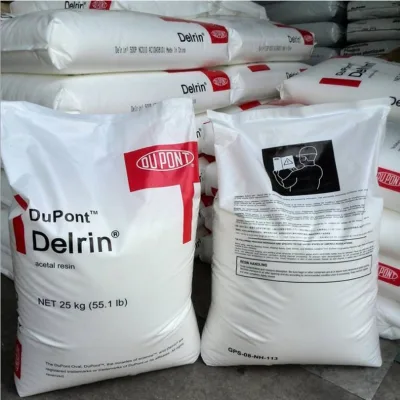
$0.51 - $1.84
MOQ: 10000 Minimum
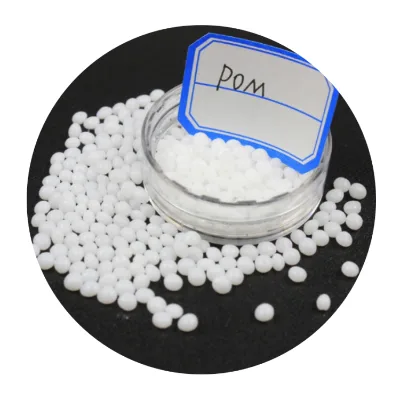
$0.90 - $2.00
MOQ: 10000 Minimum
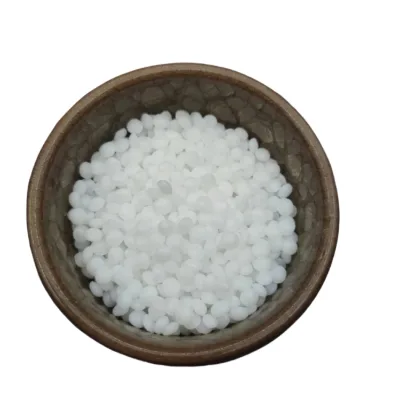
High Flow Virgin Engineering Plastic Pom Particle for Home Electrical Pom Granules
$0.56 - $1.86
MOQ: 10000 Minimum

Julier (Xiamen) Technology Co., Ltd.
- Verified by CTI
- Trading Company,Other
- China Fujian
- Lead time15 days
- Avg. response≤ 5h
Main productsNylon PA6 PA66 PPA PA12, PC ABS POM PMMA, PBT PPS Pei Peek, TPU TPE TPR PPSU, PPO TPV Tpo, PLA Pbat EVA, PP PE PS, PETG Pctg
Main marketsSouth America,Eastern Europe,Mid East,North America,Southeast Asia,Eastern Asia,Oceania,Western Europe,Africa


Customized Services with Cost Effective Price and Similar Quality POM Plastic Material
$1.86 - $2.21
MOQ: 1 kg

Xiamen Keyuan Plastic Co., Ltd.
- Verified by BV
- Combined
- China Fujian
- Lead time23 days
- Avg. response≤ 3h
Main productsPA6/PA66/PA12, POM, TPU, ABS, PP, PBT, PC, PMMA, PPS, PE(HDPE LDPE LLDPE)
Main marketsSouth America,Africa,Southeast Asia/ Mideast,East Asia(Japan/ South Korea),Europe,Australia,North America
Hebei Peliou New Materials Technology Co., Ltd.
- Verified by SGS Group
- Manufacturer, Trading Company
- Lead time5 days
- Avg. response≤ 3h
Main productsUHMWPE Sheets, HDPE Sheets, Ground Protection Mats, Plastic CNC Parts, Plastic Rods
Main marketsNorth America(27%), South America(27%), Eastern Europe(18%)
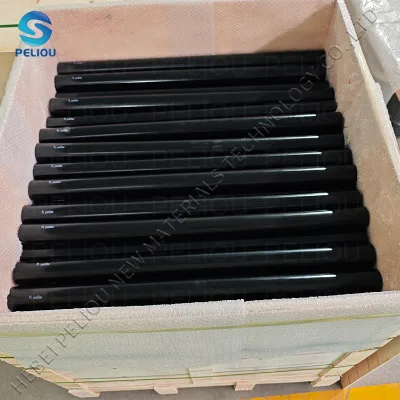
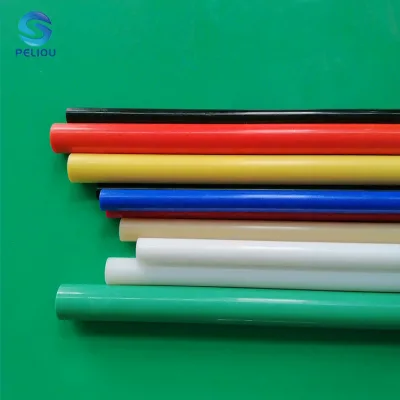
Chinese Manufacturers Sell High-quality Plastic Products Directly ODM OEM Pom Rod
$3.60 - $5.15
MOQ: 10 kilograms
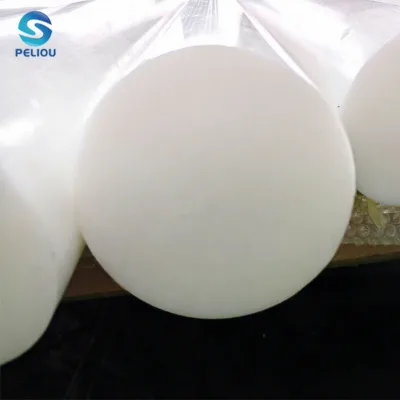
5-300mm Engineering Pom Acetal Copolymer Plastic Rod
$3.50 - $5.00
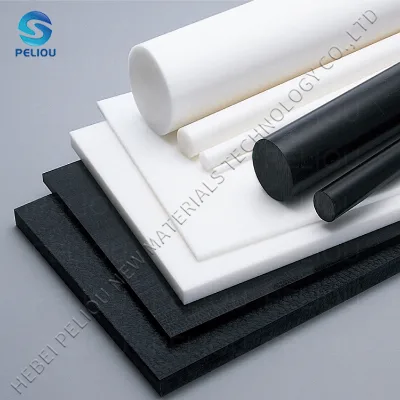
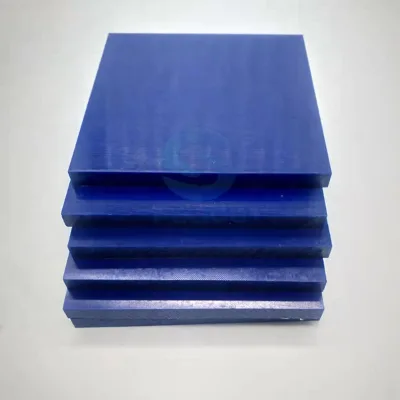
Engineering Plastics Delrin POM C Rod
$1.50 - $5.00
Ningbo Mbh Engineering Plastic Co., Ltd.
- Verified by SGS
- Trading Company,Manufacturer/Factory
- China Zhejiang
- Lead time15 days
- Avg. response≤ 3h
Main productsPeek Rod, Peek Sheet, PPS Rod, PPS Sheet, PFA Rod, PFA Sheet, Plastic Machining, Plastic Extrusion, Plastic Profile Extrusion
Main marketsSouth America,Eastern Europe,Mid East,North America,Eastern Asia,Western Europe


Comprehensive Sourcing Guide
Wear-Resistant POM Plastic Supplier Concentration and Factory Types
Current data indicates a concentration of suppliers in China, specifically within Shanghai, Jiangsu, Zhejiang, and Guangdong provinces. These regions host a mix of trading companies and combined manufacturing entities that specialize in engineering plastics. The Shanghai-based entities often operate as trading companies, while facilities in Jiangsu and Zhejiang may offer direct production capabilities for specific polymer grades. Guangdong suppliers frequently list combined company types with in-house R&D capacity for ODM and OEM services. Buyers should verify the specific factory type for each vendor, as trading companies may source from multiple manufacturers, whereas combined entities often control the production line directly.
When evaluating the manufacturing cluster, buyers must distinguish between pure trading firms and those with actual production assets. The available facts show some suppliers are verified by third-party agencies like BV, CTI, and SGS, which often correlates with established manufacturing bases. However, the presence of a location tag alone does not confirm a factory; it only indicates the registered office or primary warehouse. Buyers should request proof of production capacity, such as photos of injection molding or extrusion lines, to confirm if the supplier is a direct manufacturer or a middleman. This distinction is critical for understanding lead times and quality control capabilities in the wear-resistant POM plastic sector.
How to Verify Wear-Resistant POM Plastic Suppliers
Verification of suppliers relies heavily on third-party audit reports and specific credential checks rather than self-declared claims. The current dataset shows suppliers holding BV, CTI, and SGS verification statuses, which serve as primary indicators of operational legitimacy. Buyers should prioritize suppliers with these specific verification badges and request the full audit report to confirm the scope of the inspection. For instance, a CTI verification might focus on product testing capabilities, while an SGS badge could indicate broader system compliance. It is essential to confirm that the verification covers the specific product line of wear-resistant POM plastic, as general company verification may not extend to specialized polymer grades.
Beyond verification badges, buyers must scrutinize response times and communication protocols to gauge supplier reliability. The observed response times vary significantly, ranging from under one hour to nearly eighteen hours, which directly impacts project timelines. A supplier with a response time of 0.55 hours demonstrates high operational readiness, whereas a 17.99-hour delay suggests potential bottlenecks in their sales or technical support teams. Buyers should test communication channels before placing orders to ensure the supplier can provide timely technical data, such as material safety data sheets or specific wear-resistance test results. Consistent and rapid communication is a strong proxy for a supplier's ability to manage complex engineering plastic orders effectively.
What to Compare Across Wear-Resistant POM Plastic Suppliers
Comparing suppliers requires a detailed analysis of lead times, minimum order quantities, and pricing structures to ensure alignment with project needs. Lead times in the current results range from 15 to 30 days, with some suppliers offering faster delivery windows of 7 to 15 days for customized orders. Buyers must match these timelines against their production schedules, noting that customized sizes or colors often extend the delivery window. Minimum order quantities also vary, with some suppliers accepting orders as low as one unit, while others require bulk purchases of 25 units or more. Understanding these thresholds is vital for managing inventory costs and avoiding overstocking of specialized engineering plastics.
Pricing and product specifications form another critical comparison dimension, with observed price ranges spanning from 1.60 to 17.10 per unit depending on the grade and form. Buyers should compare the specific attributes listed, such as water absorption rates, tensile strength, and chemical resistance, to ensure the material meets application requirements. Some suppliers offer free samples, which allows for physical testing of wear resistance before committing to a large order. Additionally, the availability of customization options, such as specific colors or dimensions, should be weighed against the price premium. A lower price point may not be suitable if the material lacks the necessary mechanical properties for high-stress applications.
Common Wear-Resistant POM Plastic Sourcing Risks
One significant risk involves the discrepancy between advertised material properties and actual performance, particularly regarding biodegradability and wear resistance. Some product listings claim biodegradable features for POM particles, which is technically unusual for standard acetal copolymers and requires rigorous verification. Buyers must demand independent test reports to confirm that the material meets the stated biodegradable or wear-resistant claims, as false advertising can lead to product failure in critical applications. The presence of certifications like RoHS and Reach is helpful, but these do not automatically validate mechanical performance claims. Without physical testing, buyers risk sourcing materials that degrade prematurely or fail under friction loads.
Another risk stems from inconsistent quality control across different production batches, especially when dealing with trading companies that aggregate goods from multiple sources. The variation in lead times and response speeds suggests that some suppliers may struggle with supply chain stability or inventory management. If a supplier cannot guarantee consistent delivery times or material grades, production delays can occur, impacting downstream manufacturing. Buyers should establish clear quality assurance protocols, including pre-shipment inspections and batch testing, to mitigate these risks. Relying solely on supplier claims without independent verification exposes the buyer to potential defects that could compromise the final product's durability and safety.
Wear-Resistant POM Plastic Regional Sourcing and Logistics
Sourcing from China offers access to a dense network of suppliers, but logistics planning must account for regional variations in shipping and customs. The identified locations in Shanghai, Jiangsu, Zhejiang, and Guangdong provide diverse port access, which can influence shipping costs and transit times. Buyers should consider the proximity of the supplier to major shipping hubs to minimize inland transportation costs. For instance, suppliers in Guangdong may offer faster access to southern ports, while those in Shanghai benefit from extensive international connectivity. Understanding the specific logistics capabilities of each supplier is essential for optimizing the total landed cost of the wear-resistant POM plastic.
Customs and regulatory compliance also play a crucial role in regional sourcing, particularly when importing engineering plastics into different markets. Suppliers with certifications like ISO9001:2015 or specific product standards may facilitate smoother customs clearance by ensuring documentation is accurate. Buyers must verify that the supplier can provide all necessary export documents, including certificates of origin and material safety data sheets. Failure to secure these documents can result in delays at the border or additional duties. Additionally, buyers should assess the supplier's experience with international shipping to ensure they can handle packaging requirements that protect the plastic granules or rods during transit.
Wear-Resistant POM Plastic Commercial Terms and Order Planning
Commercial terms for wear-resistant POM plastic often include specific payment structures and delivery conditions that must be clearly defined before order placement. The observed minimum order quantities and price ranges suggest that buyers should plan for bulk purchases to achieve cost efficiency, though some suppliers offer low MOQs for sampling. Buyers must negotiate clear terms regarding sample availability, as some suppliers provide free samples while others may charge for shipping or the material itself. Understanding the payment terms, such as escrow usage or deposit requirements, is critical for managing financial risk and ensuring that funds are released only upon satisfactory delivery.
Order planning should also account for the customization capabilities and production lead times to avoid delays in the supply chain. Suppliers offering OEM and ODM services can tailor materials to specific needs, but this often extends the lead time beyond standard production runs. Buyers should factor in the time required for design approval, mold creation, and production when planning their inventory levels. Additionally, the availability of certifications like RoHS and Reach should be confirmed early in the process to ensure compliance with target market regulations. By aligning commercial terms with realistic production timelines, buyers can secure a reliable supply of high-performance wear-resistant POM plastic.
FAQs
What is the price range for Wear-Resistant POM Plastic?
Prices for Wear-Resistant POM Plastic typically range from 1.60 to 17.10 per unit based on current listings. Specific costs depend on the grade, such as injection or extrusion types, and the quantity ordered. Some suppliers offer lower starting prices for bulk purchases of raw granules.
What are the minimum order quantities for POM plastic?
Minimum order quantities vary significantly among suppliers, ranging from 1 unit for custom rods to 25 units for raw granules. Buyers should check specific product listings to confirm the exact MOQ required for their chosen form, whether it is pellets, sheets, or rods.
How long does it take to receive Wear-Resistant POM Plastic?
Lead times for Wear-Resistant POM Plastic generally range from 15 to 30 days depending on the supplier location. Some vendors offer faster delivery windows of 7 to 15 days after the order is confirmed, while others may require up to a month for production.
Where are the suppliers of Wear-Resistant POM Plastic located?
Suppliers offering Wear-Resistant POM Plastic are primarily located in China, specifically in Shanghai, Jiangsu, Zhejiang, and Guangdong provinces. These regions host trading companies and manufacturers specializing in engineering plastics and custom polymer products for industrial applications.
What certifications do Wear-Resistant POM Plastic suppliers have?
Some suppliers hold certifications such as RoHS and Reach for their POM products, ensuring compliance with safety standards. Verification bodies like BV, CTI, and SGS may also validate supplier credentials, though specific system certifications like ISO9001 vary by vendor.
Can I get free samples of Wear-Resistant POM Plastic?
Free samples are available for certain Wear-Resistant POM Plastic products, particularly for granules and raw materials. Buyers should verify sample availability directly with the supplier, as this offer may not apply to all custom-sized rods or specialized engineering plastic forms.
What grades of Wear-Resistant POM Plastic are available?
Available grades include injection, extrusion, and filming grades suitable for various engineering applications. These materials are often described as wear-resistant copolymers or acetal resins, designed for high strength and low friction in mechanical parts and chemical equipment linings.