Source High Voltage Energy Storage Cabinet for Grid, Home, and Industrial
Compare 30 High Voltage Energy Storage Cabinet options featuring LFP cells, IP65 ratings, and liquid cooling. Buyers can evaluate configurations ranging from 48.2 kWh to 418 kWh for grid, home, and industrial applications; compare the available evidence and request quotations based on your requirements.
Key considerations
Products List


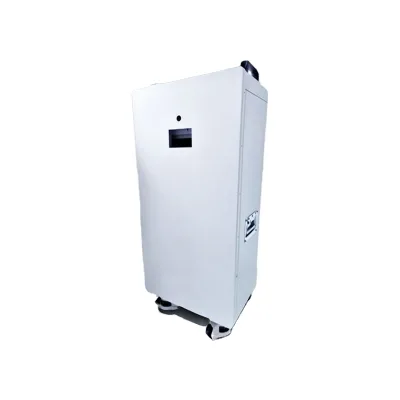


Electrostatic High Voltage Control Cabinet
$200.00 - $500.00
MOQ: 1 Pieces
Hangzhou Guozhen Wanxin Coating Equipments Manufacturing Co., Ltd.


Power Supply Cabinet High Voltage Switchgear Power Distribution Electrical Cabinet
$6800.00 - $19999.00
MOQ: 1 Pieces


844.8V DC High Voltage Ess Cabinet for Industrial Energy Storage Applications
$33219.00 - $38330.00
MOQ: 1 Pieces


Comprehensive Sourcing Guide
High Voltage Energy Storage Cabinet Sourcing Guide
Procurement of high voltage energy storage cabinets requires careful evaluation of system configurations that range from 48.2 kWh residential units to massive 418 kWh industrial installations. Buyers must distinguish between single-phase and multi-phase architectures, noting that observed configurations include 1p52s packs delivering 52.248 kWh and larger 1p416s systems reaching 418 kWh. The voltage ranges vary significantly, with some units operating between 672 and 864 volts while others span 1164.8 to 1497.6 volts, necessitating precise matching with inverter specifications.
When selecting a unit, the physical footprint and weight are critical logistical constraints that impact site preparation and transportation costs. Observed data indicates weights ranging from 3,800 kg for specific high-voltage packs to 28 tons for larger integrated systems. These substantial mass differences directly influence foundation requirements and crane operations during installation. Buyers should verify the exact dimensions and weight of the specific model before finalizing shipping contracts to avoid unexpected site modification expenses.
Product Scope and Observed Listing Signals
The market for high voltage energy storage cabinets displays a wide spectrum of customization options and cell technologies, primarily centered around Lithium Iron Phosphate (LFP) chemistry. Available listings frequently specify 314 Ah cell types, which offer a balance of energy density and cycle life suitable for both grid-tied and off-grid applications. The observed product models, such as the ECO-B418LP-A40 and ECO-E20FT2170LP, demonstrate that manufacturers offer distinct configurations tailored to specific energy capacity needs, ranging from 100 kWh to multi-megawatt-hour scales.
Cooling mechanisms and ingress protection ratings are key differentiators that define the operational environment suitability for these cabinets. While some units utilize advanced chiller and liquid cooling systems to manage thermal loads in high-capacity setups, others rely on air cooling systems for smaller or less demanding applications. Ingress ratings observed in the market include IP55 and IP65, indicating varying levels of dust and water resistance. Buyers must align these environmental ratings with the specific installation site conditions to ensure long-term reliability and safety.
Technical Specifications to Verify
Voltage and capacity metrics are the primary technical parameters that dictate system compatibility and energy delivery capabilities. Buyers must verify that the nominal voltage ranges, such as 768V or 1164.8V, align perfectly with the connected inverter and grid infrastructure. The rated charge and discharge rates, often observed at 0.5C, determine the speed at which energy can be absorbed or released, which is crucial for frequency regulation and peak shaving strategies. Mismatches in these electrical parameters can lead to system inefficiencies or potential hardware damage.
Thermal management and altitude performance are secondary but equally critical specifications that affect operational longevity. The operating temperature range of -25°C to 55°C defines the ambient conditions under which the battery can function safely, while storage temperatures may extend to -20°C to 65°C. Furthermore, altitude derating rules, such as the requirement to reduce capacity above 2000 meters, must be strictly applied for installations in high-elevation regions. Ignoring these environmental derating factors can result in reduced effective capacity and accelerated degradation of the battery cells.
Compliance and Safety Documentation
Safety certifications and fire suppression mechanisms are non-negotiable requirements for high voltage energy storage systems. The observed compliance landscape includes rigorous standards such as IEC62619, IEC62477, and UL9540A, which validate the electrical safety and fire risk management of the system. Specific fire safety features, including aerosol and water suppression systems, are often integrated to mitigate thermal runaway risks. Buyers should demand comprehensive test reports that confirm the effectiveness of these suppression systems under simulated failure conditions.
Transportation and packaging standards are equally vital to ensure the integrity of the units during global logistics. Products must adhere to UN38.3 testing standards for lithium batteries, alongside specific packing standards like IEC62477 and IEC61000. Documentation such as MSDS and UN3536 compliance certificates are essential for customs clearance and safe handling. Procurement teams must verify that the supplier provides complete documentation packages that cover all regulatory requirements for the destination country to prevent shipment delays or legal liabilities.
Cost Drivers and Commercial Terms
Pricing structures for high voltage energy storage cabinets are heavily influenced by capacity, cell chemistry, and system complexity. The observed price range spans from approximately 15 USD to over 320,000 USD, reflecting the vast difference between small-scale residential units and large-scale utility-grade storage solutions. The cost is driven not only by the raw material content of the LFP cells but also by the integration of cooling systems, BMS technology, and safety features. Buyers should expect significant price variations based on the specific configuration and the level of customization required.
Minimum Order Quantities (MOQ) and lead times are critical commercial terms that affect project timelines and cash flow planning. Observed MOQs range from single units to eight units, offering flexibility for both pilot projects and large deployments. However, the lead time and production capacity of the supplier must be confirmed early in the negotiation process, especially for custom configurations. Buyers should negotiate clear terms regarding payment schedules, warranty periods, and penalties for delivery delays to mitigate financial risks associated with large capital expenditures.
Supplier Qualification and Quality Control
Supplier origin and manufacturing capabilities are fundamental indicators of product reliability and after-sales support. The majority of observed high voltage energy storage cabinets originate from China, with specific manufacturing hubs noted in locations like Yangzhou, Jiangsu. Buyers should verify the supplier's production history and capacity to ensure they can meet the required volume and quality standards. Establishing a direct relationship with the manufacturing facility allows for better oversight of the production process and quality control measures.
Quality control protocols must extend beyond the final product inspection to include cell sourcing and assembly processes. Suppliers should demonstrate adherence to strict quality management systems that cover the entire supply chain, from raw material procurement to final system integration. Buyers should request evidence of internal testing procedures and third-party audit reports to validate the consistency of the product quality. A robust quality control framework ensures that every unit delivered meets the specified performance and safety standards.
Long-Term Procurement Checks
Lifecycle management and performance monitoring are essential for maximizing the return on investment in high voltage energy storage systems. Buyers should establish clear protocols for ongoing performance verification, including regular checks on voltage balance, temperature distribution, and capacity retention. The communication interfaces, such as RS485, RS232, and CAN, must be compatible with the site's monitoring software to enable real-time data analysis and predictive maintenance. Continuous monitoring helps identify potential issues before they escalate into costly failures.
Warranty terms and end-of-life disposal plans are critical components of a sustainable procurement strategy. Suppliers should provide comprehensive warranties that cover both the battery cells and the overall system performance for a defined period. Additionally, buyers must clarify the responsibilities and procedures for battery recycling or repurposing at the end of the product's life cycle. A clear end-of-life strategy ensures compliance with environmental regulations and supports the circular economy principles essential for the future of energy storage.
FAQs
What is the voltage range for the High Voltage Energy Storage Cabinet?
The system operates within a voltage range of 1164.8 to 1497.6 volts. This high-voltage configuration supports efficient energy transfer and integrates seamlessly with hybrid inverters. The design ensures stable performance across various grid connection modes, including both on-grid and off-grid applications for reliable power management.
Can the High Voltage Energy Storage Cabinet be customized for specific needs?
Yes, customization is available for these energy storage systems. Buyers can tailor configurations to match specific project requirements, such as adjusting pack setups or integrating specific communication protocols like RS485 or CAN. This flexibility allows for precise alignment with unique operational demands and site-specific infrastructure constraints.
What safety certifications does the High Voltage Energy Storage Cabinet hold?
The system complies with major international standards including IEC62477, IEC61000, IEC62619, and UL9540A. These certifications ensure rigorous safety and performance benchmarks are met. Additional compliance with Un38.3 and MSDS standards further guarantees safe transportation and handling, providing confidence in the product's reliability and regulatory adherence.
How is the High Voltage Energy Storage Cabinet cooled and protected?
The cabinet utilizes a chiller combined with liquid cooling for efficient thermal management. It features an IP65 ingress rating to protect against dust and water. This robust design ensures optimal operating temperatures between -25°C and 55°C, maintaining performance and longevity even in challenging environmental conditions or high-altitude installations.
What is the rated energy capacity of the High Voltage Energy Storage Cabinet?
The system configuration offers a rated energy of 418 kWh. This substantial capacity supports large-scale energy storage needs, making it suitable for commercial or industrial applications. The design leverages LFP cells to deliver reliable power density, ensuring consistent energy availability and efficient storage management for extended operational periods.
Where is the High Voltage Energy Storage Cabinet manufactured and shipped from?
These units are manufactured in China, with specific origins noted in Yangzhou, Jiangsu. The products are packed in cartons and comply with Un38.3 standards for shipping. This sourcing location allows for efficient global distribution, ensuring that buyers can access high-quality energy storage solutions with established logistical support and supply chain reliability.