Find High Voltage Glass Polyester Laminate for Transformers, Switchgear and Electrical Power Systems
Browse 30 listings of High Voltage Glass Polyester Laminate and related epoxy fiberglass sheets from multiple suppliers. Compare electrical strength, thermal rating, thickness, size options, and MOQ to match your insulation requirements, then contact suppliers directly for samples and pricing.
Key considerations
Products List
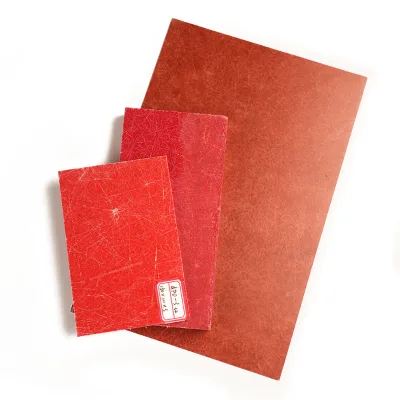
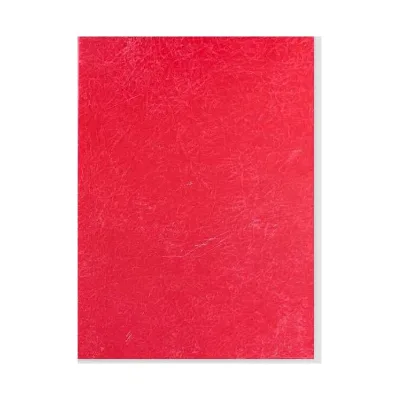


High Voltage Insulation Thermally Conductive Filament Adhesive Fiberglass Tape
$0.80 - $3.00
MOQ: 300 Square Meters


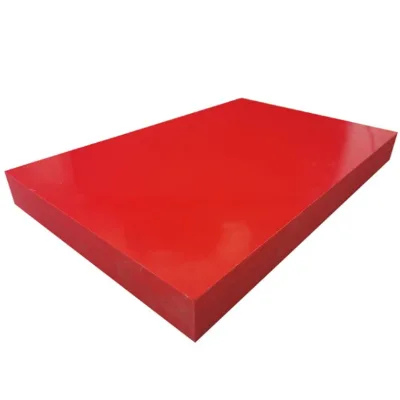

Soft Polyester Fabric High Strength Glass Fiber Thermal Insulation Layer Air Duct
$25.90 - $29.90
MOQ: 10 Square Meters


Strong and Durable PVC Coated Fiberglass Sleeving for Electrical Protection
$0.05 - $0.10
MOQ: 10000 meters


High Temperature Excellent Electrical Insulation Insulation Fiberglass Fabric
$2.10 - $2.30
MOQ: 300 Square Meters

High Insulation Performance Excellent Resistance Electrical Insulation Fiberglass Fabric
$0.11 - $0.17
MOQ: 2000 Square Meters


Comprehensive Sourcing Guide
High Voltage Glass Polyester Laminate Sourcing Guide
Sourcing High Voltage Glass Polyester Laminate requires a disciplined approach to material verification, as the term often encompasses distinct resin systems such as GPO-3 and epoxy-based fiberglass sheets. Buyers must distinguish between general-purpose insulation materials and those engineered for specific electrical stress environments. The observed market data indicates a wide variance in product attributes, ranging from basic industrial equipment components to specialized sheets rated for up to 100kV. Understanding these distinctions is critical to avoiding specification mismatches that can lead to premature failure in high-voltage applications.
Procurement teams should prioritize suppliers who provide transparent technical datasheets rather than relying solely on marketing titles. The supply chain for these materials is heavily concentrated in China, with observed origins in provinces such as Hunan, Zhejiang, and Liaoning. While this geographic concentration can offer competitive pricing, it necessitates rigorous due diligence regarding manufacturing consistency. Buyers must verify that the supplier’s stated model numbers, such as GPO3-001 or 3240, correspond to the actual physical and electrical properties required for their specific high-voltage infrastructure or electronic device designs.
Product Scope and Observed Listing Signals
The current market listings reveal a diverse range of insulation materials under the broad category of glass polyester laminate. Observed product names include GPO3 Polyester Glass Sheet and 3240 Epoxy Glass Sheet, indicating that buyers are sourcing from two fundamentally different resin chemistries. GPO-3 materials are typically characterized by their flame retardancy and moderate electrical properties, often featuring a brown color and a thermal rating of H 180. In contrast, 3240 epoxy sheets are known for higher mechanical strength and are available in various colors, including yellow and red, with thermal ratings often classified under B 130 or F Class.
Listing signals also highlight significant variations in electrical performance claims. Some products are rated for 10kV to 20kV with an electrical strength of 16kv/mm, while others specify maximum voltages ranging from less than 10kV up to 100kV. This disparity suggests that the term "high voltage" is used loosely across different product tiers. Buyers must carefully cross-reference the rated voltage and maximum voltage specifications against their application requirements. Additionally, water absorption rates are listed as low as ≤0.2%, a critical factor for maintaining dielectric integrity in humid environments, while densities vary between 1.75g/cm³ and 1.9 g/cm³, affecting the weight and structural load of the final assembly.
Technical Specifications to Verify
When evaluating technical specifications, the first priority is confirming the resin system and its corresponding thermal class. For GPO-3 variants, verify that the thermal rating aligns with H 180 standards, ensuring the material can withstand continuous operation at elevated temperatures without degrading. For epoxy-based options, confirm whether the thermal rating is B 130 or F Class, as this dictates the maximum operating temperature, which is observed to range from -273ºC to +135ºC in some listings. Mismatching the thermal class with the application’s heat dissipation profile can lead to delamination or loss of mechanical integrity.
Electrical strength and tensile properties are equally critical verification points. Buyers should request specific test data for electrical strength, noting that observed values include 16kv/mm, but must be validated for the specific thickness of the sheet being ordered. Tensile strength varies significantly, with observed values ranging from 100MPa to 300MPa depending on the material composition. Additionally, verify the standard sheet sizes, which are commonly listed as 10201220mm, 12202040mm, or 1020*2040mm, and confirm if customized sizes are available without compromising edge quality or electrical uniformity.
Compliance and Safety Documentation
Safety documentation is paramount when sourcing materials for high-voltage applications, particularly regarding flame retardancy and environmental compliance. While specific certification statuses should be verified directly with the supplier, industry standards such as UL94 and IEC 60893 are commonly referenced in this category. Buyers must ensure that the laminate meets the required flame retardancy class for their end-use, whether it is for transformer insulation, electronic devices, or electrical power systems. Requesting a valid test report from an accredited laboratory is essential to confirm that the material’s self-extinguishing properties meet regulatory requirements.
Environmental and material safety certifications, such as ISO9001:2008, indicate a supplier’s commitment to quality management systems, though they do not guarantee product-specific performance. Buyers should also inquire about the presence of hazardous substances, ensuring the resin system complies with relevant environmental directives. Since the material is described as a thermosetting resin, verify that the curing process does not introduce residual volatiles that could affect electrical performance. Clear documentation of the resin type and any additives used is necessary to assess long-term stability and regulatory compliance in global markets.
Cost Drivers and Commercial Terms
Cost structures for High Voltage Glass Polyester Laminate are influenced by material composition, thickness, and order volume. Observed price ranges in the market span from $0.03 to $29.90 per unit, reflecting the vast difference between thin, general-purpose sheets and thick, high-voltage specialized laminates. Minimum Order Quantities (MOQ) vary widely, from as low as 1 unit for sampling up to 10,000 units for bulk production. Buyers should negotiate pricing tiers based on volume, keeping in mind that customized sizes or specific color requirements, such as brown, yellow, or red, may incur additional setup fees.
Commercial terms also include packaging and logistics considerations. Products are typically packed on wood pallets to prevent damage during transit, with single package sizes noted as 10X12X10 cm for smaller samples. Buyers must account for the single gross weight, observed at 1.000 kg for certain items, when calculating freight costs. Additionally, verify the availability of free samples, which many suppliers offer to allow for preliminary testing. Establishing clear terms for sample approval before bulk production is crucial to avoid costly rejections based on aesthetic or minor technical discrepancies.
Supplier Qualification and Quality Control
Supplier qualification should begin with verifying the place of origin and manufacturing capabilities. With observed origins in Hunan, Zhejiang, and Liaoning, buyers should assess the supplier’s production capacity and quality control processes. Requesting a facility audit or a recent third-party inspection report can provide insights into the consistency of their manufacturing lines. Suppliers who offer customization and have a history of supplying industrial equipment, laboratory equipment, and electronic communication devices are generally more reliable for specialized high-voltage applications.
Quality control protocols must include incoming material inspection and outgoing product testing. Buyers should require certificates of analysis (CoA) for each batch, confirming key properties such as density, water absorption, and electrical strength. Implementing a sampling plan for incoming goods is recommended to verify that the delivered sheets match the approved sample in terms of color, thickness, and surface finish. Establishing a clear non-conformance procedure ensures that any deviations from the agreed specifications, such as incorrect model numbers or failed electrical tests, are addressed promptly without disrupting the supply chain.
Long-Term Procurement Checks
Long-term procurement success depends on continuous monitoring of supplier performance and material consistency. Establish a periodic review process to evaluate the supplier’s ability to meet delivery schedules and maintain quality standards over time. Track any changes in product specifications, such as shifts in thermal rating or electrical strength, which may indicate changes in the resin formulation or manufacturing process. Maintaining open communication with the supplier regarding any field failures or performance issues can help identify potential root causes early.
Additionally, stay informed about evolving industry standards and regulatory requirements that may impact the use of glass polyester laminates. As environmental regulations tighten, suppliers may need to adapt their resin systems, which could affect the availability of certain grades. Regularly updating your technical requirements and re-validating supplier capabilities ensures that your high-voltage components remain compliant and reliable. Building a diversified supplier base can also mitigate risks associated with single-source dependencies, ensuring business continuity in the face of market fluctuations or supply disruptions.
FAQs
What is the thermal rating of GPO3 polyester glass sheets?
The GPO3 polyester glass sheet features a thermal rating of H 180, indicating high heat resistance. This material, made from fiber glass, is suitable for applications requiring stable performance under elevated temperatures. It supports use in electrical power systems and industrial equipment where thermal stability is critical for long-term reliability and safety.
Can High Voltage Glass Polyester Laminate be customized for specific sizes?
Yes, customization is available for High Voltage Glass Polyester Laminate products. Buyers can request specific dimensions, such as the standard 1020*1220mm or 1220*2040mm sheets, or other tailored sizes. This flexibility allows manufacturers to integrate the material into various electronic devices and laboratory equipment without requiring extensive post-processing or cutting.
What is the electrical strength of the GPO3-001 model?
The GPO3-001 model exhibits an electrical strength of 16kv/mm. With a rated voltage of 10kv-20kv and a maximum voltage capability up to 100kv, this insulation material is designed for high voltage applications. Its robust dielectric properties ensure safe operation in electrical power systems and electronic communication devices.
What certifications are associated with 3240 epoxy glass sheets?
The 3240 epoxy glass sheet is associated with ISO9001:2008 certification. This quality management standard ensures consistent manufacturing processes for the fiber glass material. The product is suitable for electric power and transformer usage, providing reliable electrical performance and mechanical strength for industrial equipment and electronic device applications.
How does water absorption affect the performance of these laminates?
The High Voltage Glass Polyester Laminate has a water absorption rate of less than or equal to 0.2%. This low moisture uptake helps maintain electrical integrity and dimensional stability in humid environments. The material's density of 1.75g/Cm³ further supports its durability in transportation and industrial equipment applications.
What is the operating temperature range for these glass sheets?
The operating temperature range for these glass sheets spans from -273ºC to +135ºC. This wide thermal window allows the material to function effectively in extreme conditions. Combined with a thermal rating of H 180, it ensures reliable insulation performance for electronic devices and electrical power systems across diverse environmental settings.