Source Hip Abduction Brace for Fracture Fixation and Support
Find 19 Hip Abduction Brace options for fracture fixation, deformity correction, and sciatica pain relief. Compare materials like steel and neoprene, check certifications such as CE and ISO, and review customization services from suppliers in China; compare the available evidence and request quotations based on your requirements.
Key considerations
Products List






Comprehensive Sourcing Guide
Hip Abduction Brace Sourcing Guide
Procuring hip abduction braces requires distinguishing between rigid external fixation devices and soft orthotic supports, as the supplied data reveals a market split between steel-based fracture fixators and fabric-based rehabilitation aids. Buyers must first clarify whether the clinical need involves post-surgical immobilization for fracture correction or functional support for sciatica and hip stability, as these applications demand fundamentally different material compositions and structural designs.
The observed product listings indicate a wide variance in origin locations, ranging from Zhejiang to Hebei and Xiamen, which suggests distinct manufacturing specializations across different Chinese provinces. Sourcing strategies should account for these regional differences, as suppliers in one location may specialize in high-precision metal components while others focus on textile-based compression garments, necessitating a targeted approach to vendor selection based on specific product attributes.
Product Scope and Observed Listing Signals
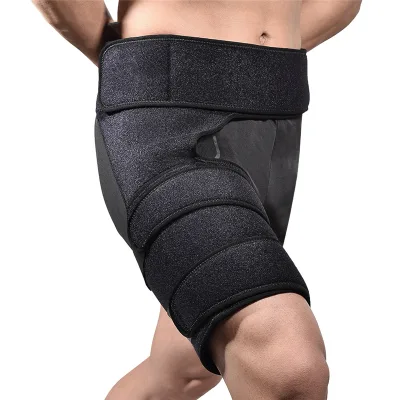
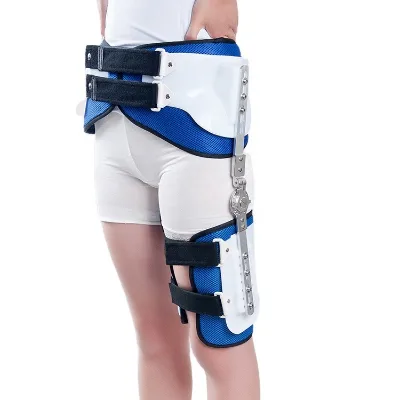
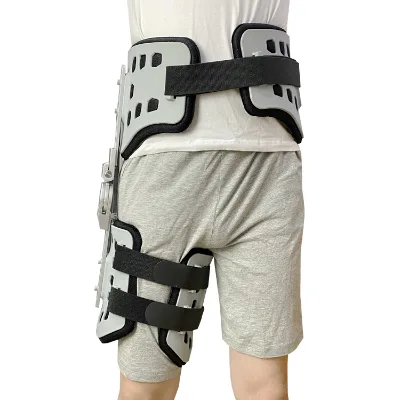
The market data highlights two distinct product categories under the hip abduction umbrella: rigid external fixators designed for fracture fixation and deformity correction, and soft orthotic braces intended for sciatica pain relief and comprehensive protection. The rigid category typically utilizes steel, plastic, or polyester materials with specific left or right orientation standards, whereas the soft category relies on spandex, nylon, and neoprene blends to provide adjustable support for adult users.
Buyers should scrutinize the listed customization options, as many suppliers offer logo personalization and tailored packaging ranging from single polybags to customized boxes. The observed minimum order quantities vary significantly from single units to fifty pieces, indicating that procurement volume will directly influence the ability to access specific model numbers like the KB-XZ series or the JW brand orthotics, requiring careful alignment of order size with supplier capabilities.
Technical Specifications to Verify
When evaluating rigid fixation devices, it is critical to verify the specific model numbers such as KB-XZ-A10 or HA002 and confirm the material composition includes steel or aluminum strips alongside rubber and foam components. These specifications determine the device's ability to provide the necessary structural integrity for fracture stabilization, and buyers must ensure the listed standard matches the required anatomical orientation, such as left or right side compatibility, to avoid clinical errors.
For soft orthotic braces, verification should focus on the fabric blend ratios, specifically the combination of spandex, nylon, and neoprene, which dictate the level of compression and flexibility provided. Buyers must also confirm the sizing availability, noting that some listings offer standard S, M, and L sizes while others claim a one-size-fits-all approach, and should validate the single package dimensions and gross weight to ensure logistics compatibility with existing supply chains.
Compliance and Safety Documentation
Regulatory compliance is a primary concern, with observed listings frequently citing ISO, CE, and FDA certifications as key indicators of product safety and quality. Procurement teams must request valid certificates for each specific product model, as the presence of a general ISO claim does not automatically guarantee that a specific brace meets the rigorous standards required for medical devices in the target market.
Documentation review should extend beyond basic certifications to include detailed test results and quality assurance protocols that verify the product's performance under stress. Buyers should explicitly ask for evidence of the three-year warranty terms mentioned in some listings, ensuring that the supplier has a robust mechanism for handling defects and that the warranty coverage aligns with the intended clinical usage and expected product lifespan.
Cost Drivers and Commercial Terms
Pricing in this sector is heavily influenced by the complexity of the product, with observed ranges spanning from approximately $3.69 for basic soft braces to over $2,400 for complex external fixation systems. The material cost of steel versus textile blends, combined with the level of customization required for logos and packaging, creates significant price variability that buyers must anticipate when budgeting for large-scale procurement projects.
Commercial terms such as lead times and payment methods vary widely, with some suppliers offering rapid sample delivery within three to five days while others require up to 45 days for full production runs. Buyers should negotiate clear payment structures involving options like PayPal, Western Union, or Trade Assurance, and must align these terms with the supplier's stated delivery capabilities to mitigate risks associated with production delays or logistical bottlenecks.
Supplier Qualification and Quality Control
Supplier qualification should prioritize manufacturers with a proven track record in producing medical-grade orthopedic supplies, as evidenced by their specific product origins in established industrial hubs like Zhejiang and Hebei. Buyers must verify that the supplier possesses the necessary infrastructure to maintain the "New" condition of products and to execute the "Customization" services advertised, ensuring that the final output meets the precise clinical specifications required.
Quality control processes must be rigorously defined, with a focus on the consistency of material properties and the accuracy of assembly for both rigid and soft devices. Procurement teams should request samples to validate the weight, packaging integrity, and functional performance of the braces, ensuring that the supplier can consistently deliver products that meet the stated standards for rehabilitation therapy and orthopedic support without deviation.
Long-Term Procurement Checks
Establishing a long-term partnership requires regular audits of the supplier's ability to maintain consistent quality and adhere to the agreed-upon lead times and warranty terms. Buyers should implement a schedule for periodic re-verification of certifications and material specifications, ensuring that the supplier continues to meet the evolving regulatory requirements of the medical device industry over the duration of the contract.
Continuous monitoring of the supply chain is essential to prevent disruptions, particularly given the observed variability in lead times and the potential for customization delays. Procurement strategies should include contingency planning for alternative sourcing options and regular performance reviews to ensure that the supplier remains capable of meeting the fluctuating demands of the market while maintaining the high standards of safety and efficacy required for hip abduction braces.
FAQs
How do I choose the correct size for a Hip Abduction Brace?
Most hip abduction braces follow the LEFT/RIGHT standard and are offered in sizes S, M, and L for adults, while some one-size-fits-all models use adjustable straps. Measure the thigh and waist circumference before ordering and confirm which standard your supplier uses. Customized sizing is also available from suppliers offering customization services.
What materials are commonly used in Hip Abduction Brace products?
Common materials include spandex and nylon, neoprene, aluminum strips, rubber, foam, net cloth, steel, and polyester. Aluminum strip and foam constructions appear in splint-style fixation models, while soft support braces typically use spandex, nylon, and neoprene. Confirm the material composition with each supplier because material listings vary across listed products.
Can I order a Hip Abduction Brace with my own logo and packaging?
Yes, customization is available on many listed products. Suppliers can apply your logo as requested and pack units in poly bags, cartons, or a customized box depending on the model. Provide your logo artwork and packaging requirements during inquiry, and note that customization terms may affect the minimum order quantity and lead time.
What is the typical minimum order quantity and lead time?
Minimum order quantities among listed products range from 1 piece for some external fixator models to 50 pieces for soft support braces, so MOQ depends on the specific product type. Lead times around 45 days are listed for certain models, while samples can ship in 3 to 5 days. Always confirm both values per product before ordering.
Which certifications should I verify before sourcing these braces?
Listed products reference CE, ISO, and ISO/FDA/CE certifications, so ask each supplier for current, valid certificates covering the exact model you intend to buy. Certification claims are listed attributes rather than guarantees for every item. Request certificate copies, verify issuing details, and confirm whether the certification applies to your destination market's import requirements.
What is the difference between an external fixator type and a splint fixation hip brace?
External fixator type products are rigid orthopedic devices used for fracture fixation and correcting deformities, typically higher-priced surgical-adjacent equipment. Splint fixation and soft support braces provide rehabilitation therapy support, sciatica pain relief, and comprehensive protection using fabric and foam construction. Choose based on whether you need post-surgical fixation or rehabilitation support functionality.
How much does a Hip Abduction Brace typically cost?
Listed prices range from about 3.69 to 2420 USD, reflecting very different product categories. Soft fabric support braces and splints sit at the lower end, while rigid external fixator systems command much higher prices. Price varies with material, model, order quantity, and customization, so request quotes for your specific specification and volume.
Can I get samples before placing a bulk order?
Yes, sample delivery in 3 to 5 days is listed for certain products, and a minimum order quantity of 1 piece on some models makes sample purchases straightforward. Payment options such as PayPal, Western Union, TT, and Trade Assurance are listed. Confirm sample cost, whether it is credited against bulk orders, and shipping terms with each supplier.