Source Tactical Helmet Side Rail Screws for Military, Police, and Outdoor Use
Find and compare Tactical Helmet Side Rail Screws from 16 verified suppliers. Evaluate options for German-style rails, fastening straps, and arc mounts. Compare specs and request quotes for bulk orders; compare the available evidence and request quotations based on your requirements.
Key considerations
Products List


$2.50 - $4.00
MOQ: 100 Sets


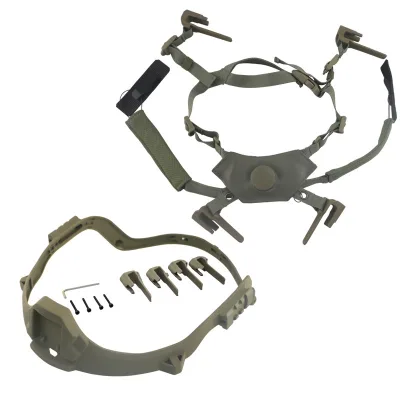
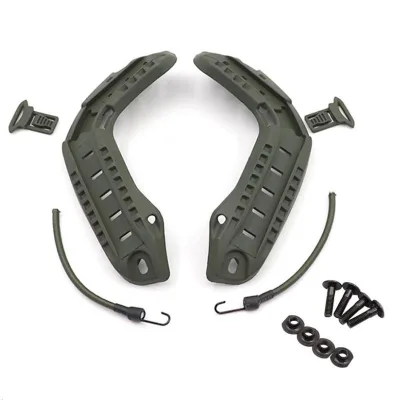


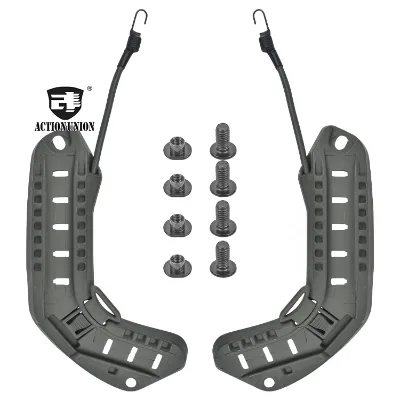
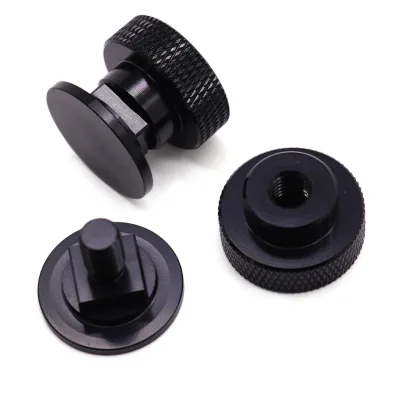
Comprehensive Sourcing Guide
Tactical Helmet Side Rail Screws Sourcing Guide
Procuring fasteners for tactical helmet side rails requires a precise understanding of the mechanical interface between the rail system and the helmet shell. These components are critical for securing accessories such as night vision mounts, communication headsets, and protective visors. The integrity of the connection depends heavily on the screw’s thread pitch, head style, and material compatibility with the rail’s mounting points. Buyers must distinguish between generic fasteners and those engineered specifically for the high-impact environments typical of military and law enforcement operations.
The market offers a variety of rail configurations, including German-style and arc designs, which dictate the specific screw geometry required. Observations from current listings indicate a strong presence of customized options, suggesting that off-the-shelf solutions may not always fit specialized helmet models like the MICH-02 or JSL-RU620-S1. Sourcing teams should prioritize suppliers who offer OEM/ODM services to ensure that the screws match the exact tolerances of the helmet’s side rails. This customization is vital for maintaining the structural integrity of the helmet during rigorous use.
Product Scope and Observed Listing Signals
Current market data reveals a diverse range of products labeled under tactical helmet accessories, with prices ranging from $0.03 to $90 per unit. This wide variance suggests that the scope includes everything from simple nylon straps to complex metal rail systems and their associated fasteners. The minimum order quantities (MOQ) observed range from 50 to 1,000 pieces, indicating that suppliers cater to both small-scale prototyping and large-scale production runs. Buyers should note that many listings emphasize customization, allowing for specific color matches like sand or black, and tailored packaging solutions such as PP bags or export cartons.
The product names often highlight specific features, such as "Fast Helmet Side Rail" or "Airframes Helmet Side Rail," which implies a focus on rapid deployment and secure attachment. Some listings specify a weight of 2.5kg for the entire helmet assembly, providing context for the load-bearing requirements of the screws. Additionally, the availability of samples within 7-15 days is a common signal, enabling buyers to verify fit and finish before committing to bulk orders. This flexibility is crucial for validating that the screws will perform correctly with the specific helmet model in question.
Technical Specifications to Verify
Verifying the technical specifications of the screws is paramount to ensuring compatibility with the helmet’s rail system. Buyers must confirm the hoop size, which typically ranges from 51 to 56 cm, to ensure the helmet fits the intended user while the screws provide adequate retention. The wear mode, often described as press type, indicates how the rail attaches to the helmet, influencing the torque and thread engagement required for the screws. It is essential to verify whether the screws are designed for direct threading into the helmet shell or if they interface with a separate rail bracket.
Material composition is another critical specification, with nylon being a noted material in some accessory listings, though metal alloys are standard for high-strength fasteners. The model numbers associated with these components, such as Z-S-3 or J-S2-2, serve as unique identifiers for the rail and screw combinations. Buyers should request detailed drawings or CAD files to confirm the thread pitch, head diameter, and length of the screws. Ensuring that the screws match the specific model, such as LQ18041102 Helmet, prevents misalignment and potential failure during use.
Compliance and Safety Documentation
Compliance with international standards is a key requirement for tactical equipment, even for small components like screws. While specific certification statuses vary by supplier, many manufacturers adhere to ISO standards, which provide a baseline for quality management systems. Buyers should request documentation that confirms the screws meet relevant military or law enforcement specifications, such as those from DME, HASCO, or LKM, which are often cited in industrial fastener contexts. These standards ensure that the fasteners can withstand the mechanical stresses associated with tactical operations.
Safety documentation should also include material safety data sheets (MSDS) if the screws involve coated or treated metals that could pose health risks during handling. Buyers must verify that the screws do not interfere with the helmet’s ballistic performance or create sharp edges that could injure the wearer. The origin of the products, often listed as China or specific provinces like Jiangsu, should be transparent, allowing buyers to assess the reliability of the supply chain. Ensuring that all documentation is up-to-date and verifiable is essential for maintaining compliance in regulated procurement environments.
Cost Drivers and Commercial Terms
The cost of Tactical Helmet Side Rail Screws is influenced by several factors, including material quality, customization level, and order volume. The observed price range of $0.03 to $90 reflects the diversity of products, from simple plastic components to high-grade metal fasteners. Buyers should analyze the cost per unit in the context of the MOQ, as larger orders often yield significant discounts. The availability of samples, typically available within 7-15 days, may incur additional costs, which should be factored into the total procurement budget.
Commercial terms such as payment methods, shipping options, and warranty policies also impact the overall cost. Suppliers offering OEM/ODM services may charge setup fees for custom designs, which should be negotiated upfront. The packaging method, whether carton boxes or individual PP bags, can affect shipping efficiency and potential damage during transit. Buyers should clarify these terms in the purchase agreement to avoid unexpected expenses. Understanding the full cost structure helps in making informed decisions that balance quality, speed, and budget constraints.
Supplier Qualification and Quality Control
Qualifying suppliers for tactical helmet components requires a rigorous assessment of their manufacturing capabilities and quality control processes. Buyers should verify the supplier’s experience in producing fasteners for military or law enforcement applications, as this indicates a higher level of expertise and reliability. The presence of ISO certification is a positive indicator, but buyers should also request evidence of internal quality control measures, such as statistical process control and final inspection reports. These measures ensure that every batch of screws meets the specified tolerances and performance standards.
Sample evaluation is a critical step in the qualification process, allowing buyers to physically inspect the screws for defects, thread accuracy, and material finish. Buyers should test the screws in conjunction with the helmet rails to ensure a secure fit and adequate retention force. The supplier’s ability to provide consistent quality across multiple orders is equally important, as any variation could compromise the safety of the end user. Establishing a clear communication channel for feedback and issue resolution is essential for maintaining a productive supplier relationship.
Long-Term Procurement Checks
Long-term procurement success depends on continuous monitoring of supplier performance and market trends. Buyers should establish key performance indicators (KPIs) to track delivery times, defect rates, and responsiveness to issues. Regular audits of the supplier’s quality management system can help identify potential risks before they impact production. Additionally, staying informed about changes in industry standards and regulations ensures that the procured screws remain compliant with current requirements. This proactive approach minimizes the risk of supply chain disruptions and ensures the continued safety and effectiveness of the tactical helmets.
Building a diversified supplier base can mitigate the risk of single-source dependency, providing flexibility in case of supply shortages or quality issues. Buyers should also consider the lifecycle of the products, including the availability of spare parts and the ease of replacement. Regularly reviewing the cost structure and negotiating favorable terms can help maintain competitive pricing over time. By focusing on these long-term checks, buyers can ensure a stable and reliable supply of Tactical Helmet Side Rail Screws, supporting the operational readiness of their teams.
FAQs
What customization options are available for tactical helmet side rails?
Customization is available for tactical helmet side rails, allowing buyers to specify unique styles and colors. Products can be tailored to specific requirements such as German style or sand color. This flexibility supports OEM and ODM services for various adult use cases.
Which certifications do tactical helmet side rail manufacturers typically hold?
Manufacturers often hold ISO certification for their tactical helmet side rail products. Some suppliers also adhere to specific standards like DME, HASCO, or LKM. These certifications ensure quality and reliability for buyers sourcing from verified factories in China.
How does the MOQ vary for tactical helmet side rail orders?
The minimum order quantity varies significantly, ranging from 50 pieces to 1000 pieces depending on the supplier. Some vendors require 100 units, while others set the threshold at 600 pieces. Buyers should check specific product listings to confirm the exact MOQ before placing an order.
Can I get samples of tactical helmet side rails before bulk ordering?
Yes, samples are available for tactical helmet side rails prior to bulk purchasing. The sample time typically ranges from 7 to 15 days. This allows buyers to verify product quality and specifications like the press type wear mode before committing to a larger shipment.
What packaging methods are used for tactical helmet side rail shipments?
Packaging methods include carton packing, PP bags combined with cartons, or export boxes containing several pieces. Specific products may use carton boxes for protection. These methods ensure safe transport of items like the Z-S-3 model or MICH-02 helmet rails during international shipping.
Where are tactical helmet side rail manufacturers located?
Manufacturers are primarily located in China, with specific origins in Taizhou and Jiangsu provinces. These regions host factories producing various models like the J-S-2 or LQ18041102 helmet. Buyers can source directly from these verified locations to ensure supply chain stability.
What materials are used to construct tactical helmet side rails?
Tactical helmet side rails are constructed using durable materials such as nylon. These materials ensure longevity and resistance for outdoor activities. The construction supports various models including fast helmet side rails and arc fast helmet side rails designed for adult tactical use.