Source Hollow Elevator Guide Rail for Passenger, Freight, and Public Traffic
Find 30 Hollow Elevator Guide Rail options from verified Chinese manufacturers. Buyers can compare T-type and hollow models, speeds, and load capacities for passenger, freight, and public traffic elevator installations.
Key considerations
Products List


Elevator Guide Rail Manufacturer, Different T Type Elevator Guide Rail
$11.60 - $35.50
MOQ: 100 Pieces

Elevator Hollow Rail Tk5a T Type Elevator Parts Guide Supplier Tk5a Elevator Guide Rail
$11.60 - $35.50
MOQ: 100 Pieces


Supply Tk3 Tk5 Tk3a Tk5a T Type Elevator Hollow Guide Rail with High Quality
$50.00 - $80.00
MOQ: 80 Pieces


Comprehensive Sourcing Guide
Hollow Elevator Guide Rail Sourcing Guide
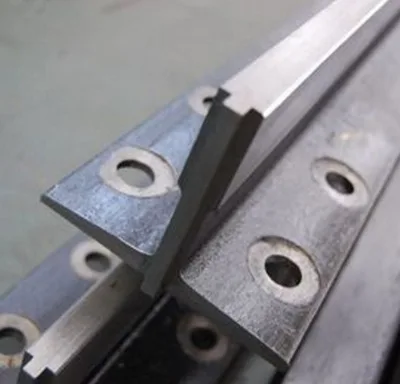
Procuring hollow elevator guide rails requires a nuanced understanding of both the mechanical role these components play in elevator safety and the specific manufacturing variations available in the global market. These rails are critical structural elements that guide the movement of the elevator car and counterweight, ensuring smooth operation and precise leveling at each floor. Unlike solid guide rails, hollow variants offer distinct advantages in weight reduction and potential internal routing for cables or sensors, making them a preferred choice for modern high-rise and high-speed elevator installations. Buyers must navigate a complex landscape of model numbers, material standards, and compatibility requirements to ensure that the selected components integrate seamlessly with existing elevator systems or new construction projects.
The sourcing process is further complicated by the diversity of OEM specifications and regional manufacturing standards. Suppliers often produce guide rails tailored to specific elevator brands or custom engineering requirements, meaning that off-the-shelf solutions may not always fit without rigorous verification. This guide provides a structured approach to evaluating hollow elevator guide rails, focusing on technical specifications, compliance documentation, cost drivers, and supplier qualification. By adhering to these evidence-based procurement strategies, buyers can mitigate risks associated with component failure, installation delays, and non-compliance with safety regulations, ultimately securing a reliable supply chain for this essential elevator part.
Product Scope and Observed Listing Signals
The market for hollow elevator guide rails encompasses a variety of models designed to meet different load capacities and speed requirements. Observed listings indicate that these components are categorized under elevator parts and accessories, with specific models such as TK3 and TK5 being prominent in the hollow guide rail segment. These models are often associated with specific structural designs, such as the T-type elevator guide rail, which is engineered to provide stability and durability under dynamic loads. Buyers should note that the product scope extends beyond the rail itself to include essential accessories like fishplates, rail clips, rail brackets, and fasteners, which are crucial for the secure installation and alignment of the guide rail system.
Listing signals reveal a wide range of price points and minimum order quantities (MOQs), reflecting the variability in manufacturing complexity and supplier scale. Prices observed in the market range from approximately $0.99 to $9,999, depending on the length, material grade, and customization requirements. MOQs typically range from 1 to 500 units, allowing for both small-scale repairs and large-scale project procurement. Additionally, customization and OEM services are widely available, with suppliers capable of producing rails for brands such as Marazzi, Monteferro, and Savra. This flexibility enables buyers to source components that match specific elevator shaft dimensions and operational parameters, but it also necessitates careful verification of model compatibility and dimensional accuracy.
Technical Specifications to Verify
Verifying technical specifications is paramount when sourcing hollow elevator guide rails, as even minor deviations can compromise elevator safety and performance. Key attributes to confirm include the rail model, such as TK3 or TK5, and the structural type, which is often a T-type design. Buyers must also verify the size specifications, which can vary from 5mm to 16mm in width, depending on the elevator’s load capacity and speed requirements. The running mode of the elevator, whether moving or stationary during installation, and the driven type, which may be no drive or AC, also influence the selection of appropriate guide rails. Ensuring that the selected rails are compatible with the elevator’s control system, such as microcomputer frequency control, is essential for optimal performance.
In addition to dimensional and structural specifications, buyers should assess the material properties and manufacturing processes used in the production of the guide rails. Cold-drawn and machined guide rails are common types, with specific models like T45/a, T50/a, and T70/a representing different grades of precision and strength. The hollow design itself offers benefits such as reduced weight and potential for internal cable routing, but it also requires rigorous quality control to ensure structural integrity. Buyers should request detailed technical drawings and material certificates to verify that the rails meet the required tensile strength, hardness, and dimensional tolerances. Furthermore, the installation method, which typically involves installing the rails in passenger elevators, should be clearly defined to ensure compatibility with the existing elevator shaft infrastructure.
Compliance and Safety Documentation
Compliance with international and regional safety standards is non-negotiable when sourcing elevator guide rails, as these components are directly linked to passenger safety. Buyers must ensure that the supplier provides valid certification documents, such as ISO 9001 for quality management systems and CE marking for compliance with European safety directives. In some markets, additional certifications like CCC (China Compulsory Certification) may be required, depending on the destination of the elevator installation. These certifications serve as proof that the manufacturer adheres to rigorous quality control processes and that the products meet specific safety and performance criteria. Buyers should verify the authenticity of these certifications by checking with the issuing bodies or requesting updated copies.
Beyond certifications, buyers should also request test reports and performance data that demonstrate the guide rails’ ability to withstand operational stresses. While specific test results may not always be publicly listed, reputable suppliers should be able to provide evidence of rigorous testing, including load tests, fatigue tests, and dimensional accuracy checks. The warranty period, typically one year for such components, is another important indicator of supplier confidence in their product. Buyers should also consider the supplier’s track record in providing reliable and safe products, as well as their ability to offer technical support and troubleshooting assistance in case of installation or performance issues. Ensuring that all compliance and safety documentation is complete and up-to-date is essential for avoiding legal liabilities and ensuring the long-term safety of the elevator system.
Cost Drivers and Commercial Terms
Understanding the cost drivers associated with hollow elevator guide rails is essential for effective budgeting and negotiation. The primary factors influencing price include the material grade, manufacturing process, and level of customization required. Cold-drawn and machined rails, for instance, involve different production steps that affect the final cost. Additionally, the length and quantity of the rails, as well as the inclusion of accessories like fishplates and brackets, contribute to the overall price. Buyers should also consider the impact of transportation costs, which can vary significantly depending on the origin of the product and the delivery method, such as sea delivery.
Commercial terms, including payment conditions, lead times, and packaging standards, also play a crucial role in the total cost of ownership. Standard export packaging, such as carton boxes, is commonly used to protect the rails during transit, but buyers should verify that the packaging is suitable for the specific shipping conditions. Lead times can vary based on the supplier’s production capacity and the complexity of the order, so it is important to establish clear timelines and communication channels. Buyers should also negotiate favorable payment terms, such as partial upfront payments and balance upon delivery, to mitigate financial risks. By carefully evaluating these cost drivers and commercial terms, buyers can secure competitive pricing while ensuring the quality and reliability of the hollow elevator guide rails.
Supplier Qualification and Quality Control
Supplier qualification is a critical step in the sourcing process, as it directly impacts the quality and reliability of the hollow elevator guide rails. Buyers should conduct thorough due diligence on potential suppliers, including verifying their business licenses, production capabilities, and quality management systems. Suppliers with ISO 9001 certification are generally preferred, as this indicates a commitment to consistent quality and continuous improvement. Additionally, buyers should assess the supplier’s experience in manufacturing elevator guide rails, including their track record with similar projects and their ability to meet specific OEM requirements.
Quality control measures implemented by the supplier are equally important, as they ensure that the final products meet the required specifications and standards. Buyers should request information on the supplier’s quality control processes, including incoming material inspections, in-process checks, and final product testing. Suppliers that employ advanced manufacturing technologies and rigorous testing protocols are more likely to produce high-quality guide rails that perform reliably over time. Buyers should also consider the supplier’s ability to provide traceability for each batch of products, including material certificates and test reports. By prioritizing supplier qualification and quality control, buyers can minimize the risk of receiving defective or non-compliant products and ensure the long-term performance of the elevator system.
Long-Term Procurement Checks
Long-term procurement checks are essential for maintaining a reliable supply chain and ensuring the continued performance of hollow elevator guide rails. Buyers should establish regular review processes to assess supplier performance, including delivery times, product quality, and customer service. These reviews should be documented and used to identify areas for improvement and to make informed decisions about future procurement contracts. Additionally, buyers should monitor changes in industry standards and regulations, ensuring that their suppliers remain compliant with the latest requirements. This proactive approach helps to mitigate risks associated with regulatory changes and ensures that the elevator system remains safe and compliant over its lifespan.
Furthermore, buyers should maintain open communication with their suppliers to stay informed about product updates, technological advancements, and potential supply chain disruptions. Building strong relationships with suppliers can lead to better pricing, priority service, and access to new products and innovations. Buyers should also consider diversifying their supplier base to reduce dependency on a single source and to enhance supply chain resilience. By implementing these long-term procurement checks, buyers can ensure a stable and reliable supply of hollow elevator guide rails, supporting the safe and efficient operation of their elevator systems for years to come.
FAQs
What customization options are available for hollow guide rails?
Customization is available for hollow guide rails to meet specific project needs. Buyers can request tailored dimensions or finishes while maintaining the standard T-type structure and hollow design features required for elevator shafts.
Which certifications do hollow elevator guide rails typically hold?
Hollow elevator guide rails typically hold ISO 9001, CE, and CCC certifications. These standards ensure the products meet international quality and safety requirements for installation in passenger elevators and public traffic systems.
How is the hollow guide rail packaged for shipping?
The hollow guide rail is packaged in standard export packages or carton boxes. This packaging ensures protection during sea delivery and maintains the integrity of the product until it reaches the installation site in China or elsewhere.
Can hollow guide rails be used in indoor elevator installations?
Yes, hollow guide rails are suitable for indoor type elevator installations. They are designed for moving running modes and support various speeds ranging from 0.4m/s to 4.0m/s depending on the specific model configuration.
What is the warranty period for hollow elevator guide rails?
The warranty period for hollow elevator guide rails is one year. This coverage applies to the structural integrity and performance of the T-type guide rail when installed correctly in passenger elevator shafts.
Which models of hollow guide rails are available for purchase?
Available models include TK3, TK5, and TK3a variants of the hollow guide rail. These models are part of the T-type elevator guide rail series and are suitable for various load capacities up to 1000kg.
What accessories are included with hollow elevator guide rails?
Accessories include fishplates, rail clips, rail brackets, and fasteners. These components are essential for securing the hollow guide rail within the elevator shaft and ensuring stable operation during the moving running mode.