Source Flapping-Wing Remote Control Car for racing, stunts, and indoor play
Explore 30 listings for the Flapping-Wing Remote Control Car, featuring 4-channel infrared control and climbing capabilities. Compare specifications like ABS construction, battery power, and packaging options to find suitable models for retail or wholesale distribution.
Key considerations
Products List


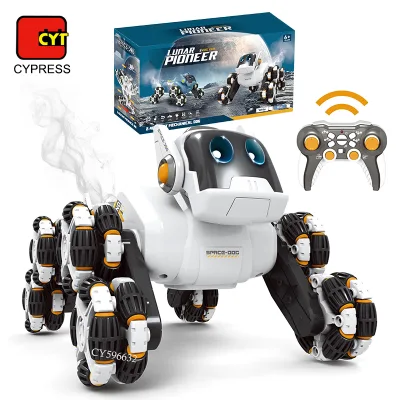


Factory Direct Remote Control Mini Wall Climbing RC Car for Kids Remote Control Toys
$14.50 - $16.50
MOQ: 50 Pieces


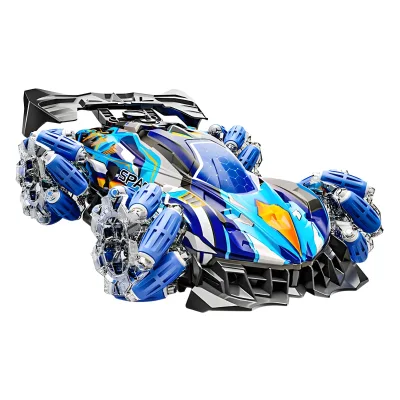
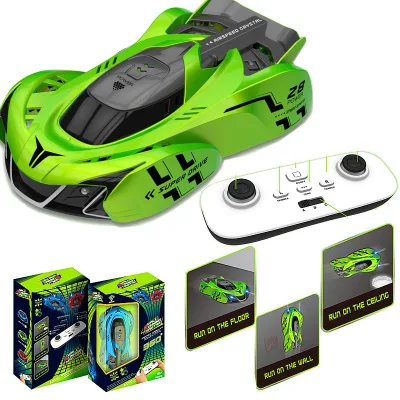

Remote Control Racing Car Featuring Gyroscope and Speedy Performance Remote Control Car
$12.99 - $14.79
MOQ: 72 Pieces


Comprehensive Sourcing Guide
Flapping-Wing Remote Control Car Sourcing Guide
The procurement of flapping wing remote control vehicles requires a nuanced understanding of the intersection between traditional automotive toy categories and advanced aerodynamic simulation. While the core keyword suggests a specific ornithopter mechanism, the available market data indicates a broader spectrum of remote-controlled vehicles that share similar control dynamics, including climbing cars, off-road vehicles, and private car models. Buyers must distinguish between products that utilize flapping wing technology for flight simulation and those that offer remote control functionality for ground-based maneuvering, as the supply chain often groups these distinct mechanical systems under a unified remote control umbrella.
Sourcing decisions should be grounded in the specific functional attributes observed in current listings, such as the availability of R/C and infrared control systems, which dictate the complexity of the user interface and the required battery infrastructure. The market presents a diverse range of vehicle types, from climbing cars capable of scaling walls and ceilings to standard private cars and off-road trucks, each demanding different verification protocols for durability and performance. Procurement teams must align their technical requirements with the observed product models, such as the RFD series or XX series, to ensure the selected inventory matches the intended application, whether for educational purposes, recreational play, or specialized demonstration.
Product Scope and Observed Listing Signals
The product scope for remote control vehicles in this category is defined by a wide array of observed specifications, including varying package sizes, materials, and functional capabilities. Listings reveal that products are constructed from materials such as ABS and plastic, with wheel materials ranging from silicone to standard rubber compounds, depending on the specific model and intended terrain. The packaging formats are equally diverse, with options including window boxes and color boxes, which directly impact the retail presentation and the unboxing experience for the end consumer. Buyers should note that the observed product models, such as RFD244943 and XX427208, come with distinct standard dimensions, ranging from compact 7.5164.5cm units to larger carton sizes of 676375cm, necessitating careful logistics planning.
Functional signals in the market indicate a strong emphasis on multi-channel control, with 4-channel systems being a common specification for enhanced maneuverability. The power sources are predominantly battery-driven or electric-driven, requiring suppliers to provide clear information on battery capacity and charging requirements. Color options are extensive, covering red, blue, black, pink, green, and grey, allowing for significant customization to meet regional preferences or specific branding needs. Additionally, the presence of features like light and sound effects, alongside educational functions, suggests that these products are often targeted at the >8 years and >14 years age demographics, requiring distinct marketing strategies for different buyer segments.
Technical Specifications to Verify
Verification of technical specifications must begin with the control system architecture, specifically confirming the channel count and the type of remote control interface, whether R/C or infrared. The observed data highlights a 4-channel configuration as a standard for advanced models, which allows for independent control of steering, throttle, and potentially auxiliary functions like lights or sound. Buyers should verify that the power system is compatible with the intended usage duration, noting that some models are battery-powered while others are electric-driven, and ensure that the battery specifications meet the performance expectations for the specific vehicle type, such as climbing cars or off-road trucks.
Physical dimensions and material composition are critical verification points that directly influence shipping costs and product durability. The standard dimensions for individual units vary significantly, from small 1895cm packages to larger 261812cm configurations, while the overall carton sizes can reach up to 865159cm, affecting container loading efficiency. Material verification is essential to ensure the product meets durability standards, with ABS and plastic being the primary materials observed, and silicone being used for wheel traction in specific climbing applications. Buyers must also confirm the assembly requirements, as some models are designed for immediate use with no assembly required, while others may need minor setup, impacting the time-to-market for retail distribution.
Compliance and Safety Documentation
Compliance and safety documentation are non-negotiable elements of the procurement process, particularly for products intended for children and educational use. The observed listings frequently cite certifications such as EN71, EN62115, CE, RoHS, and ASTM F963, which are critical for market access in Europe and North America. Buyers must request valid test reports for these specific standards to verify that the products have undergone rigorous safety testing for mechanical hazards, chemical composition, and electrical safety. The presence of these certifications indicates a supplier's commitment to meeting international safety benchmarks, but verification of the current validity of these documents is necessary to avoid regulatory penalties.
In addition to product-specific certifications, buyers should verify that the supplier maintains a robust quality management system that aligns with the observed product standards. The data indicates that some products carry certifications like ENCE and ASTM, which may be specific to certain regions or product lines, requiring careful cross-referencing with the target market's regulatory requirements. It is imperative to ensure that the safety documentation covers all aspects of the product, including the battery safety for electric-driven models and the structural integrity of the ABS and plastic components. Failure to secure comprehensive compliance documentation can lead to product recalls, legal liabilities, and reputational damage in the competitive toy market.
Cost Drivers and Commercial Terms
Cost drivers in the remote control vehicle market are heavily influenced by the complexity of the control system, the materials used, and the packaging requirements. The observed price range of 3.25 to 98 USD reflects the significant variance between basic models and those with advanced features like light and sound effects or specialized climbing capabilities. Buyers should analyze the cost structure based on the specific model, noting that products with higher channel counts or more complex mechanical systems, such as climbing cars, will command a premium price. Additionally, the choice of packaging, whether a simple window box or a more elaborate color box, adds to the overall unit cost and must be factored into the total landed cost calculation.
Commercial terms, including MOQ and lead times, are critical factors that determine the feasibility of the procurement strategy. The observed MOQ range of 1 to 300 units offers flexibility for both small-scale buyers and large distributors, allowing for tailored ordering strategies based on inventory needs. However, buyers must negotiate lead times carefully, as the production of complex remote control vehicles can be time-consuming, especially when customization is involved. The availability of customization options suggests that suppliers may require additional time for tooling or design adjustments, which should be accounted for in the supply chain planning to ensure timely delivery to the market.
Supplier Qualification and Quality Control
Supplier qualification should focus on the manufacturer's ability to consistently produce high-quality remote control vehicles that meet the specified technical and safety standards. The observed product origins, primarily from Shantou and China, indicate a concentration of manufacturing capabilities in these regions, which are known for their expertise in toy production. Buyers should verify the supplier's production capacity and quality control processes to ensure that the observed product models, such as the RFD and XX series, are manufactured with consistent precision and reliability. A robust quality control system is essential to minimize defects and ensure that every unit meets the performance expectations for climbing, driving, and remote control functionality.
Quality control measures must extend beyond the final inspection to include raw material verification and in-process testing. Given the use of materials like ABS, plastic, and silicone, suppliers should demonstrate their ability to source high-quality components that ensure durability and safety. The presence of features like light and sound effects requires rigorous testing to ensure that these components function correctly and do not pose any safety risks. Buyers should request detailed quality control reports and consider implementing third-party inspections to validate the supplier's claims and ensure that the products meet the agreed-upon specifications before shipment.
Long-Term Procurement Checks
Long-term procurement checks should prioritize the stability of the supply chain and the supplier's ability to adapt to changing market demands. The observed product range, which includes various vehicle types and control systems, suggests a dynamic market that requires suppliers to be agile and responsive to new trends and customer preferences. Buyers should establish a partnership with suppliers who demonstrate a commitment to continuous improvement and innovation, ensuring that the product line remains competitive and relevant over time. Regular reviews of the supplier's performance, including delivery times, quality consistency, and responsiveness to issues, are essential for maintaining a reliable supply chain.
Sustainability and regulatory compliance should also be key components of long-term procurement strategies. As global regulations evolve, suppliers must be prepared to adapt their products to meet new safety and environmental standards. Buyers should verify that the supplier has a proactive approach to compliance, ensuring that future product iterations will continue to meet the necessary certifications and standards. By fostering a collaborative relationship with suppliers who prioritize long-term growth and compliance, buyers can secure a steady supply of high-quality remote control vehicles that meet the evolving needs of the market and their customers.
FAQs
What certifications do these remote control cars have?
These vehicles hold En71, En62115, CE, RoHS, and ASTM F963 certifications. This ensures compliance with major international safety standards for toys. Buyers can verify these documents to meet regional regulatory requirements. The certifications cover electrical safety and material toxicity, providing assurance for global distribution channels.
Can these cars climb walls and ceilings?
Yes, the climbing car model features specialized silicone wheels for climbing walls, glass, and ceilings. This unique performance capability distinguishes it from standard remote control vehicles. The design allows for vertical movement on smooth surfaces, offering an interactive experience for users aged fourteen and older.
What is the typical packaging for these products?
Products are packed in window boxes or color boxes depending on the specific model. Standard carton sizes vary, such as 50*38*20cm or 67*63*75cm for bulk shipping. This flexible packaging supports both retail display and efficient logistics. Buyers should check specific model dimensions for accurate volume calculations.
Are customization options available for these remote control cars?
Customization is available for these remote control vehicles. Buyers can likely request modifications to colors, packaging, or branding. This service supports private label requirements for retailers. Contact suppliers directly to discuss specific customization needs and minimum order quantities for tailored production runs.
What power source do these remote control cars use?
These vehicles are powered by batteries, specifically electric-driven systems. The remote control function operates via infrared signals for precise maneuvering. Users need to provide or purchase compatible batteries for operation. This power setup ensures reliable performance for both indoor and outdoor play sessions.
Where are these remote control cars manufactured?
These products originate from Shantou, China, a major toy manufacturing hub. This location indicates access to established supply chains and production facilities. Buyers can leverage this geographic advantage for sourcing. Verify specific factory details and lead times with suppliers to ensure alignment with your procurement schedule.