Source Hollow Round Flange Formwork Cone for Wall, Column, Slab
Compare 30 listings for Hollow Round Flange Formwork Cone from verified Chinese suppliers. Evaluate specifications like Q235 steel and plastic materials, sizes from 22mm to 32mm, and certifications including CE and ISO for wall, column, and slab applications.
Key considerations
Products List


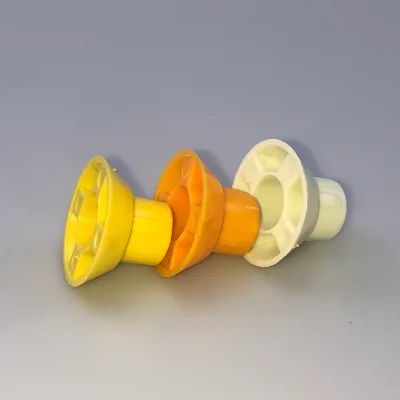
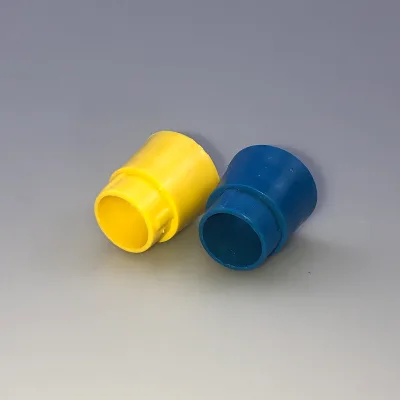

Formwork Accessories B Form Tie Formwork Plastic B Cone for Concrete Construction
$0.15 - $0.26
MOQ: 5000 Pieces


Formwork Accessories Form Tie System Plastic B Cone P Cone for Form Tie B Type
$0.06 - $0.29
MOQ: 14400 Pieces


Comprehensive Sourcing Guide
Strategic Sourcing Guide for Hollow Round Flange Formwork Cones
The construction industry relies heavily on efficient concrete pouring systems, where the integrity of the formwork directly impacts structural safety and surface finish. Among the critical components of these systems, the Hollow Round Flange Formwork Cone serves as a specialized fastener and support element. Sourcing this specific item requires a disciplined approach that distinguishes between various product attributes, material compositions, and application requirements. Buyers must navigate a complex landscape where "formwork" encompasses diverse items ranging from large steel panels to small, high-tension fasteners. This guide outlines the essential factors for procurement, grounded in observed market data and technical realities, ensuring that purchasing decisions are based on verified specifications rather than generalized assumptions.
Technical Specifications and Material Composition
When evaluating hollow round flange formwork cones, the first step is to define the precise technical specifications required for the project. The term "hollow round flange" describes a geometric configuration where the cone features a cylindrical body with a hollow interior, terminating in a flange for secure attachment. Market observations indicate that these components are manufactured from specific materials, primarily steel and plastic, each serving distinct functional roles. Steel variants are often associated with high-strength applications, such as wall formwork and tie rod systems, while plastic options may be utilized for specific environmental or weight-sensitive scenarios.
The dimensional accuracy of these cones is paramount. Specifications observed in the market include standard sizes such as 25mm, 25mm, 26mm, and 32mm, alongside thread specifications like W5/16 and W3/8. The "hollow" nature of the design is critical for the passage of tie rods or other structural elements, ensuring that the cone does not obstruct the flow of concrete or the tensioning process. Furthermore, the surface treatment plays a significant role in performance; some units are supplied with no surface treatment, while others are painted to enhance corrosion resistance. The hardness of the material, often noted as "Ok" in general listings, must be verified against the specific load requirements of the project, particularly when dealing with high-tension tie rods.
| Feature Category | Observed Specifications | Application Context |
|---|---|---|
| Material | Steel, Plastic | Structural support vs. specialized use |
| Size/Dimension | 25mm, 26mm, 32mm, W5/16, W3/8 | Matching tie rod diameters |
| Structure | Hollow, Round, Flange | Concrete pouring, tie rod passage |
| Surface Treatment | Painted, No Treatment | Corrosion protection, reuse cycles |
| Connection Type | Flange | Secure attachment to formwork panels |
Compliance, Certification, and Standards Verification
In the global construction supply chain, compliance is not merely a formality but a critical risk mitigation strategy. Buyers must verify that suppliers adhere to recognized standards and hold valid certifications. Observed data points to several certification types, including CE, GB, and ISO, which indicate adherence to specific regional or international quality benchmarks. The presence of a CE mark suggests compliance with European safety, health, and environmental requirements, while GB standards are specific to Chinese manufacturing norms. Additionally, some listings reference BV standards, which may relate to specific material or testing protocols.
It is essential to distinguish between the product standard and the material standard. For instance, steel components are often referenced against Q235, a common carbon structural steel standard, while other items may be categorized under custom or specific model standards like JH-FW38 or JH-FW52. The "prod_standard" field in supplier data often lists these identifiers, but buyers should not assume that a single listing covers all project needs. Verification should include checking the origin of the product, as many suppliers are based in Hebei, China, a major manufacturing hub for construction hardware. The presence of certifications like ISO and CE should be cross-referenced with the specific model number to ensure that the certification applies to the exact item being procured, rather than a broader product line.
Cost Drivers and Pricing Dynamics
Understanding the cost structure of hollow round flange formwork cones requires an analysis of the variables that influence pricing. The observed price range in the market spans from $0.01 to $1500, a wide spectrum that reflects the diversity of products categorized under similar keywords. This variance is driven by factors such as material type, unit size, customization requirements, and order volume. A single small plastic cone will naturally cost significantly less than a heavy-duty steel assembly designed for high-tension applications.
Volume is a primary cost driver. The Minimum Order Quantity (MOQ) observed ranges from as low as 1 unit to as high as 14,400 units. Suppliers often offer tiered pricing structures where the unit cost decreases as the order volume increases. For instance, an MOQ of 20,000 units may be required for certain fasteners or tie rod accessories, which significantly impacts the total procurement budget for smaller projects. Additionally, customization is a key factor; options for custom colors (Red, Blue, or Customized) or specific dimensions can alter the production cost. The packing method, whether in pallets, woven bags, or ton bags, also contributes to the final price due to associated logistics and packaging material costs. Buyers must carefully calculate the total landed cost, including shipping and packaging, rather than focusing solely on the unit price.
Typical Applications and Functional Requirements
The functional application of hollow round flange formwork cones is diverse, extending beyond simple fastening to include structural support and concrete containment. These components are primarily used in wall formwork, slab formwork, and column formwork systems. The "Usage" field in product data frequently cites "Formwork Tie Rod Support Pipe End," indicating their role in securing the tie rods that hold formwork panels together against the pressure of wet concrete.
Specific applications include the use of these cones in building construction where high precision is required. The "Application" attribute often lists "Building," "Column," and "Wall," highlighting their versatility in different structural elements. The "Used for" specification may point to specific tie rod sizes, such as M18, ensuring compatibility with the rest of the formwork system. In some cases, these cones are designed for reusable applications, with some models boasting a reuse capability of more than 300 times, which is a critical metric for cost-effective, large-scale construction projects. The "Head Code" being round and the "Hollow" design facilitate the easy removal of the cone after the concrete has set, leaving a clean, tapered hole that can be sealed or filled as required.
Supplier Evaluation and Origin Considerations
Selecting the right supplier involves a thorough evaluation of their capabilities, location, and production capacity. The majority of suppliers for these components are located in China, with specific regions like Hebei emerging as a significant production center. This geographic concentration suggests a mature supply chain with established logistics networks, but it also necessitates careful vetting to ensure quality consistency.
When evaluating suppliers, buyers should look for clear communication regarding lead times and production capabilities. Observed lead times can be as short as 10 days, but this may vary based on order volume and customization needs. The "prod_packing" attribute provides insight into the supplier's logistical readiness; options range from simple bags to palletized or containerized shipping, which affects handling and storage requirements. Furthermore, the availability of customization services, such as tailored packing or specific surface treatments, indicates a supplier's flexibility and ability to meet unique project requirements. Buyers should prioritize suppliers who provide transparent documentation regarding their production standards and quality control processes, rather than relying solely on marketing claims.
Quality Control and Long-Term Procurement Considerations
Ensuring the long-term reliability of hollow round flange formwork cones requires a robust quality control strategy. The "Hardness" and "Surface Treatment" attributes are critical indicators of durability. For instance, painted surfaces offer better protection against rust compared to untreated steel, which is vital for projects in humid or corrosive environments. The "Reusable Times" metric is another essential quality indicator; components designed for over 300 reuses represent a higher quality tier that reduces long-term procurement costs.
Buyers should also consider the "Pull" strength of the components, with some products rated between 150-200kn. This specification is crucial for ensuring that the formwork system can withstand the immense pressure of concrete pouring without failure. Long-term procurement considerations include the availability of spare parts and the consistency of supply. Suppliers offering "Customized" standards and flexible packing options are better positioned to support ongoing projects. Additionally, the "Technics" of manufacturing, such as casting, should be verified to ensure the component meets the required mechanical properties. By focusing on these technical and operational factors, buyers can secure a supply chain that delivers consistent quality and minimizes the risk of project delays or structural failures.
FAQs
What materials are used for hollow round flange formwork cones?
These cones are manufactured from steel and plastic to suit different structural needs. Steel variants provide high strength for wall formwork, while plastic options serve specialized applications. The material choice depends on the specific project requirements and load conditions.
Which certifications are available for these formwork components?
Available certifications include CE, GB, ISO, and BV standards depending on the product model. Buyers must verify that the specific model number holds the required certification rather than assuming the entire product line is certified. These marks indicate adherence to regional or international quality benchmarks.
How does the surface treatment affect the product durability?
Surface treatments range from no treatment to painted finishes to enhance corrosion resistance. Painted units offer better protection against rust compared to untreated steel, which is vital for humid environments. The choice impacts the reusable times and long-term performance of the formwork system.
Can buyers request customization for colors and dimensions?
Customization is available for colors like red, blue, or specific shades, as well as dimensions. Suppliers can tailor packing methods and specifications to meet unique project needs. This flexibility allows for precise matching with existing tie rod systems and formwork panels.
What is the typical lead time for these formwork items?
The observed lead time for production is approximately 10 days for standard orders. This duration may vary based on order volume and the extent of customization required. Buyers should confirm specific timelines with suppliers before finalizing procurement schedules.
Which specifications define the size and connection type?
Specifications include sizes like 25mm, 26mm, and 32mm with flange connections for secure attachment. Thread options such as W5/16 and W3/8 ensure compatibility with various tie rods. The hollow round design facilitates the passage of structural elements during concrete pouring.