Source Raw Stone Fire Quartz for Kitchen, Bathroom, and Commercial
Compare 30 listings for Raw Stone Fire Quartz suitable for kitchen countertops, bathroom vanities, and commercial spaces. Buyers can review certifications like NSF and ISO, thickness options, and custom processing capabilities to find the right artificial quartz solution.
Key considerations
Products List


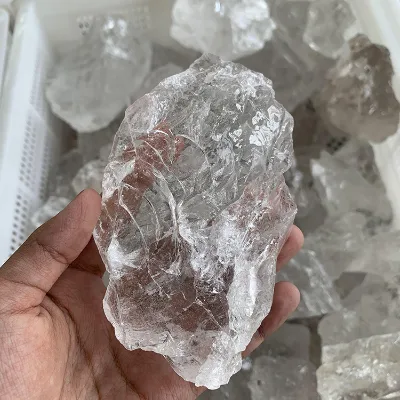


Quartz Stone/Building Material/Natural Stone/Engineered Stone /Solid Surface/Artificial Stone
$35.00 - $55.00
MOQ: 100 Square Meters

Manufacturer Supply Quartz Stone Artificial Quartz Stone Engineered-Quartz-Stone
$20.00 - $35.00
MOQ: 50 Square Meters

China Wholesale Stone High-Quality Pure White Quartz for Kitchen
$20.00 - $50.00
MOQ: 100 Square Meters





Comprehensive Sourcing Guide
Strategic Sourcing Guide for Artificial Quartz Stone Procurement
The global market for engineered stone surfaces has evolved significantly, with artificial quartz emerging as a dominant material for high-performance countertops and architectural cladding. Buyers searching for "Raw Stone Fire Quartz" are often seeking materials that combine the aesthetic appeal of natural stone with the enhanced durability and consistency of engineered composites. This guide provides a disciplined, evidence-based framework for evaluating suppliers, verifying technical specifications, and managing procurement risks. The following analysis relies strictly on observed product attributes, certifications, and industry standards available in current market listings, ensuring that all recommendations are grounded in verifiable data rather than speculative claims.
Understanding Material Composition and Technical Specifications
The foundation of a successful procurement strategy lies in a precise understanding of the material composition. Artificial quartz is not a raw natural stone but a composite material engineered to offer superior performance characteristics. Based on observed product data, the primary constituent is natural quartz powder, with one specific listing noting a composition of 93% natural quartz powder. This high percentage is critical as it directly influences the material's hardness, density, and resistance to staining.
Buyers must scrutinize the physical specifications provided by suppliers to ensure they meet project requirements. The standard dimensions for slabs vary, with observed ranges including 30001400mm, 32001600mm, and flexible ranges of (2500-3200)(1200-1600)mm. For projects requiring specific cuts, suppliers offer cut-to-size options, such as 600x600mm tiles or custom dimensions like 2440750mm and 3250*1650mm. Thickness is another critical variable; while 20mm is a standard offering for heavy-duty applications, some listings indicate that thickness can be customized to specific project needs.
The physical properties of the material are equally important for long-term performance. Observed data indicates a density ranging from 2.3 to 2.5 g/cm³, which suggests a compact, non-porous structure ideal for wet areas. The hardness is rated at 7 on the Mohs scale, providing significant resistance to scratching compared to natural stones like marble or granite. Furthermore, the material demonstrates heat resistance up to 300°C, a crucial specification for kitchen environments where hot cookware is frequently placed on surfaces. Flatness tolerances are also specified, with some products maintaining a flatness of less than 0.1mm, ensuring a seamless installation.
Compliance Verification and Certification Standards
In the B2B procurement of stone surfaces, compliance with international safety and quality standards is non-negotiable. Buyers must verify that suppliers possess valid certifications that align with the regulatory requirements of their target markets. The observed product listings consistently highlight certifications such as NSF, ISO, and CE. The NSF certification is particularly relevant for food contact surfaces, indicating that the material meets strict hygiene standards suitable for kitchen countertops. ISO certification validates the manufacturer's adherence to international quality management systems, while CE marking confirms compliance with European health, safety, and environmental protection standards.
It is essential to distinguish between different certification levels and their specific implications. While some listings mention "ISOCustomized," buyers should verify the specific ISO standard number (e.g., ISO 9001 for quality management) rather than accepting generic claims. Additionally, some suppliers list BCC certification alongside ISO, which may indicate specific regional or industry-specific compliance. When evaluating a supplier, procurement teams should request current, verifiable copies of these certificates rather than relying solely on marketing materials. The presence of multiple certifications, such as the combination of NSF, CE, and ISO found in several product profiles, generally indicates a robust quality assurance framework.
Cost Drivers and Pricing Structure Analysis
The pricing of artificial quartz is influenced by a complex interplay of factors, including raw material costs, manufacturing complexity, and logistical requirements. The observed market price range spans from $1.50 to $190.00 USD, a wide variance that reflects differences in product grade, thickness, size, and customization levels. Lower-priced items in this range may correspond to standard thicknesses, smaller cut-to-size tiles, or bulk orders with minimal customization. Conversely, the higher end of the spectrum likely accounts for premium finishes, custom dimensions, specialized edge processing, and the inclusion of protective packaging for ocean shipments.
Minimum Order Quantity (MOQ) is another significant cost driver. The observed MOQ range extends from 1 unit to 500 units. Buyers sourcing for small-scale renovations or prototype projects may find suppliers with low MOQs advantageous, though the unit cost may be higher. For large commercial projects, negotiating MOQs closer to the upper limit can yield better economies of scale. Additionally, the customization factor plays a pivotal role in pricing. Products labeled as "Customized" or offering "Customized processing" often incur additional costs due to the specialized labor and machinery required for non-standard dimensions or edge profiles.
Typical Applications and Usage Scenarios
Artificial quartz is versatile, finding application across residential, commercial, and institutional sectors. The observed usage data highlights suitability for kitchens, bathrooms, and commercial spaces. In residential settings, the material's resistance to heat (up to 300°C) and its non-porous nature make it an ideal choice for kitchen countertops, where hygiene and durability are paramount. The consistent color tone and polished surface finish also make it a preferred option for bathroom vanity tops, where moisture resistance is critical.
Beyond residential use, the material is extensively used in commercial environments. Listings specifically mention applications in schools, commercial buildings, and general public spaces. The high hardness (7 Mohs) and flatness tolerance (<0.1mm) ensure that the surface can withstand heavy foot traffic and frequent cleaning regimes typical of institutional settings. The material is also suitable for wall tiles and other architectural cladding applications, as indicated by the specification of "Application Area: Countertops, Bathroom Vanity Tops, Wall Tiles, etc." The availability of different color tones, including white and grey, allows designers to match various aesthetic requirements while maintaining functional integrity.
Supplier Evaluation and Production Capabilities
When evaluating potential suppliers, buyers should look beyond the product listing and assess the manufacturer's production capabilities and logistical readiness. The origin of the products is predominantly Guangdong, China, a region known for its established stone processing industry. However, the specific location should be verified to ensure it aligns with the buyer's supply chain preferences.
Packaging standards are a critical indicator of a supplier's attention to detail and commitment to product safety during transit. Observed packaging methods range from wooden packages suitable for ocean shipments to individual slabs covered in plastic film, or solid wooden crates with foam inside. For international orders, the use of solid wooden crates and foam packaging is highly recommended to prevent damage during long-haul transport. Buyers should explicitly confirm that the packaging method matches the shipping route and handling conditions of their destination.
Furthermore, the availability of edge processing services, such as eased edges, and the ability to provide custom processing are key differentiators. Suppliers that offer "Customized processing: yes" and various edge profiles demonstrate a higher level of technical capability. The presence of trademarks like "OEM" suggests that the supplier is experienced in producing goods for other brands, which often implies a mature quality control system and flexible production lines.
Quality Control and Long-Term Procurement Considerations
Ensuring consistent quality requires a proactive approach to quality control (QC) and long-term relationship management. Buyers should verify the warranty terms offered by suppliers; a 1-year warranty is a common baseline observed in the market, but buyers should negotiate terms that reflect the expected lifespan of the material. The flatness tolerance of less than 0.1mm and the density range of 2.3-2.5 g/cm³ are specific metrics that should be included in the purchase agreement to ensure the delivered product meets the agreed-upon specifications.
Long-term procurement considerations also involve the stability of the supply chain. The availability of standardized sizes (e.g., 3000*1400mm) alongside customizable options ensures that future replacements or expansions can be sourced without significant delays. Buyers should also consider the environmental and safety implications of the material, ensuring that the manufacturing process adheres to the certified standards (ISO, NSF) which often include environmental management protocols.
Finally, the consistency of the product is paramount. The attribute "Color Tone: Consistent" is a vital quality indicator, ensuring that large installations do not suffer from visible color variations between batches. By focusing on these specific, verifiable attributes rather than generic marketing claims, buyers can mitigate risks and secure a supply of high-quality artificial quartz that meets both aesthetic and functional requirements.
Summary of Key Procurement Parameters
To facilitate quick decision-making, the following table summarizes the critical parameters observed in the market for artificial quartz procurement. This data serves as a benchmark for buyers to compare against supplier proposals.
| Parameter | Observed Range / Standard | Verification Requirement |
|---|---|---|
| Material Composition | 93% Natural Quartz Powder | Request material safety data sheet (MSDS) |
| Certifications | NSF, ISO, CE, BCC | Verify current certificate validity |
| Standard Dimensions | 30001400mm, 32001600mm | Confirm availability of specific sizes |
| Thickness | 20mm (Standard), Customized | Specify exact thickness in PO |
| Hardness | 7 Mohs | Request third-party test reports |
| Heat Resistance | 300°C | Verify test conditions and standards |
| Density | 2.3 ~ 2.5 g/cm³ | Check batch test results |
| Packaging | Wooden Crates, Plastic Film, Foam | Confirm packaging for ocean shipment |
| Origin | Guangdong, China | Verify factory location and audit reports |
| Warranty | 1 Year (Typical) | Negotiate extended terms if possible |
By adhering to these evidence-based guidelines, buyers can navigate the complex landscape of artificial quartz sourcing with confidence, ensuring that the final product delivers on its promise of durability, aesthetics, and safety.
FAQs
What is the primary material composition of artificial quartz?
The primary material is natural quartz powder, with one listing specifying a composition of 93 percent. This high percentage ensures the stone offers superior durability and resistance to staining compared to natural stone varieties.
Which certifications are commonly available for these stone products?
Common certifications include NSF, ISO, and CE, which verify hygiene and safety standards. Some listings also mention BCC certification, indicating compliance with specific regional or industry requirements for quality management.
How thick are the standard artificial quartz slabs available?
Standard thickness is often 20mm, suitable for heavy-duty applications like kitchen countertops. However, many suppliers offer customized thickness options to meet specific project requirements or design preferences.
Can these products be customized for specific project needs?
Yes, customization is available for dimensions, edge processing, and specific cut-to-size requirements. Buyers can request tailored solutions such as 600x600mm tiles or specific slab dimensions to fit unique architectural designs.
What is the heat resistance rating for this engineered stone?
The material demonstrates heat resistance up to 300 degrees Celsius, making it suitable for kitchen environments. This property allows for the safe placement of hot cookware without damaging the surface finish.
Which packaging methods are used for ocean shipment protection?
Products are typically packed in solid wooden crates with foam inside or covered by plastic film. These methods ensure the slabs remain protected from damage during long-haul ocean transport to international destinations.
What is the hardness level of the artificial quartz surface?
The hardness is rated at 7 on the Mohs scale, providing significant resistance to scratching. This durability makes the material ideal for high-traffic commercial spaces and areas requiring frequent cleaning.