Source Hollow WPC Pergola for Pergola, Balcony, and Decking
Find 30 listings for Hollow WPC Pergola systems designed for outdoor pergola, balcony, and decking applications. Buyers can compare specifications, certifications, and prices from verified Chinese manufacturers offering customizable options.
Key considerations
Products List


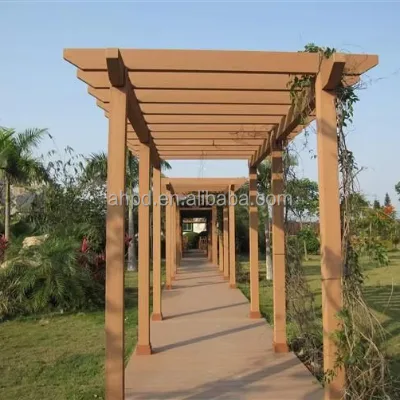
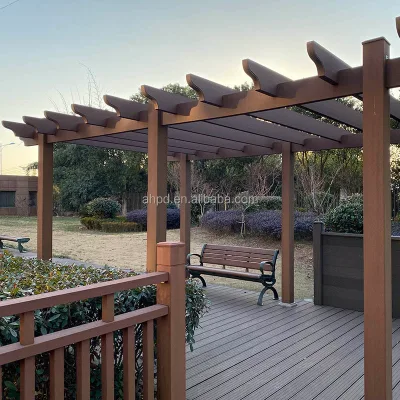
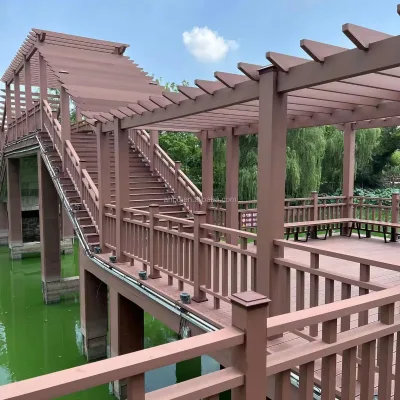

Hot Sale Elegant Waterproof WPC Wood Plastic Composite Pergola System
$1070.00 - $1088.00
MOQ: 50 Sets


Elegant and Chic Exterior Garden Decoration WPC Wood Plastic Composite Pergola
$1070.00 - $1088.00
MOQ: 50 Sets
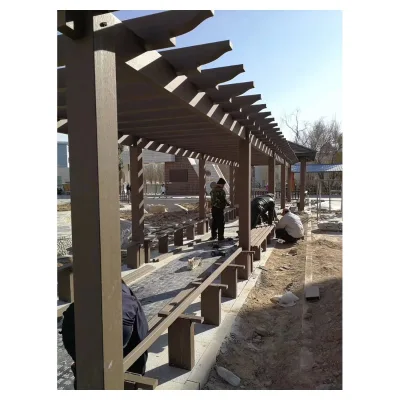




Comprehensive Sourcing Guide
Strategic Sourcing Guide for Hollow WPC Pergola Systems
Understanding the Core Product Architecture and Material Science
The hollow WPC (Wood Plastic Composite) pergola represents a specialized category of outdoor structural elements designed to balance aesthetic appeal with functional durability. Unlike traditional solid timber or pure aluminum structures, these systems utilize a composite material matrix that integrates wood powder with high-density polyethylene (HDPE) and specific additives. This formulation is critical for achieving the desired balance of rigidity and weight reduction. The primary manufacturing process for these components is extrusion, which allows for the creation of complex profiles with a consistent rectangular hollow tube style. This hollow inner structure is a defining characteristic, serving to reduce the overall weight of the pergola while maintaining structural integrity through strategic wall thickness.
The surface finish of these pergola components is a key differentiator in the market. The standard processing involves a four-sided brushing technique followed by a wood grain application on all four sides. This process ensures that the visual texture mimics natural timber, such as Teak, while providing the weather resistance of plastic. The available color palette typically includes options like Silver Gray, Gray, and various wood-tone finishes, with a standard offering of eight distinct colors to match diverse architectural styles. The material composition also contributes to the product's longevity, with a claimed service life of approximately 15 years under normal environmental conditions. This longevity is supported by high UV stability, ensuring that the colors do not fade significantly over time, and the material's inherent resistance to moisture and scratching.
Technical Specifications and Dimensional Standards
When evaluating Hollow WPC Pergola systems, buyers must scrutinize the specific dimensional parameters and standard configurations available. The core structural members often adhere to a standard model size of 120x70mm, which provides a robust framework for overhead shading. However, the market also supports significant customization regarding length. Standard lengths typically range from 3 meters to 6 meters, including specific increments of 3.6, 4, and 5 meters, though custom lengths are frequently available to meet unique project requirements. The product standard often cited for these systems is 3000x120x70mm, indicating a baseline for cross-sectional dimensions and length, though this can vary based on the specific supplier's capabilities.
The connection methods for these hollow tubes are equally important for the assembly process. Suppliers generally provide necessary connections to ensure a secure fit between the hollow tubes and other structural elements. The assembly is designed to be straightforward, often described as easily assembled, which reduces on-site labor costs and installation time. The packaging for these long, hollow profiles is critical to prevent damage during transit. Common packaging methods include palletized shipping for standard loads and plywood crates for larger or more delicate shipments. The choice of packaging often depends on the shipping terms, such as EXW, FOB, or CIF, and the specific logistics requirements of the destination port.
Compliance, Certification, and Regulatory Verification
Navigating the regulatory landscape is essential for B2B procurement, particularly for construction materials used in outdoor environments. The Hollow WPC Pergola market is characterized by a range of certifications that validate product safety and performance. High-confidence data indicates that products in this category frequently carry CE (Conformité Européenne) and ISO certifications. These marks suggest compliance with European safety standards and international quality management systems, respectively. Additionally, specific performance certifications such as Waterproof and Anti-Static properties are often highlighted, indicating the material's ability to resist moisture ingress and manage static electricity, which can be relevant in certain industrial or commercial settings.
Buyers must verify these certifications directly rather than relying solely on marketing claims. The presence of a CE mark implies that the product meets EU health, safety, and environmental protection standards, which is a prerequisite for selling in the European market. ISO certification, while often referring to the management system of the manufacturer, can also indicate adherence to specific product quality standards. For outdoor applications, the waterproof attribute is a critical compliance factor, ensuring that the hollow structure does not trap water or degrade due to moisture accumulation. The anti-static property is another technical specification that should be verified through test reports, as it contributes to the safety and cleanliness of the installation environment.
Cost Drivers and Pricing Variables
The pricing structure for Hollow WPC Pergola systems is influenced by a complex interplay of material costs, manufacturing complexity, and logistical factors. The observed price range in the market is extensive, spanning from approximately 3 USD to 5700 USD per unit or batch, depending heavily on the scale of the order and the specific configuration. This wide variance is driven by several key factors. First, the customization level plays a significant role; standard rectangular hollow tubes with pre-set lengths and colors will generally be more cost-effective than fully custom-designed profiles. Second, the volume of the order, indicated by the Minimum Order Quantity (MOQ), directly impacts the unit price. The MOQ range observed is from 1 to 500 units, suggesting that smaller buyers may face higher per-unit costs, while bulk purchasers can negotiate more favorable rates.
Logistics and shipping terms are also major cost drivers. The trading terms, which include options like Sea freight, EXW (Ex Works), FOB (Free on Board), CIF (Cost, Insurance, and Freight), and DAP (Delivered at Place), dictate who bears the cost of transportation and insurance. Products originating from China, specifically from regions like Yangzhou, Jiangsu, are subject to specific export regulations and shipping costs that fluctuate with global freight rates. The lead time, typically estimated between 15 to 30 days, also affects the overall cost of capital for the buyer. Longer lead times may require earlier inventory planning, while shorter lead times might incur premium charges for expedited production.
Typical Applications and Functional Versatility
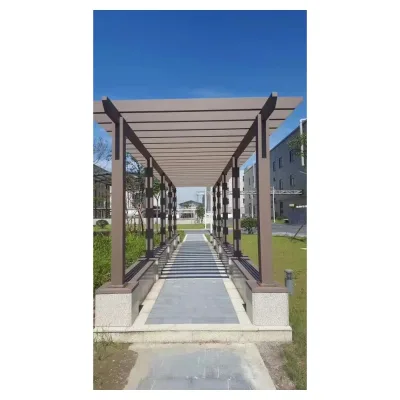
The versatility of hollow WPC pergolas makes them suitable for a wide array of applications, ranging from residential to commercial projects. The primary application is for outdoor pergolas, where the hollow structure provides an elegant, lightweight alternative to heavy timber. However, the usage extends beyond simple shading structures. These systems are frequently utilized for balconies, decking, and roofing applications, offering a cohesive look for modern architectural designs. The material's resistance to fire, water, and scratches makes it particularly advantageous for high-traffic areas or environments with harsh weather conditions.
In commercial and industrial sectors, the utility of these materials expands to include warehouse structures, villas, dormitories, and temporary offices. The low maintenance requirement is a significant selling point for these applications, as it reduces the long-term operational costs associated with upkeep. The "Garden Furniture" category also encompasses these structures, highlighting their role in creating comfortable outdoor living spaces. The ability to customize the design allows architects and builders to integrate these pergolas into various building styles, from contemporary villas to functional workshop shelters. The hollow design also facilitates the integration of lighting and other utilities within the structure, adding to its functional versatility.
Supplier Evaluation and Quality Control Protocols
Selecting a reliable supplier for Hollow WPC Pergola systems requires a rigorous evaluation process focused on technical capability and quality assurance. Buyers should prioritize suppliers who demonstrate transparency regarding their manufacturing process, specifically the extrusion technology used to create the hollow profiles. The consistency of the wood grain finish on all four sides is a critical quality indicator; uneven application or poor adhesion can lead to premature failure. Additionally, the supplier's ability to provide custom sizes and colors should be verified against the buyer's specific project requirements.
Quality control should extend beyond the factory floor to include packaging and shipping protocols. The use of plywood crates or standard pallets must be robust enough to protect the long, hollow tubes from bending or surface damage during transit. Buyers should request evidence of the supplier's adherence to their stated standards, such as the 3000x120x70mm specification, and verify the condition of the product upon delivery. The "New" condition of the products is a basic expectation, but the structural integrity of the hollow tubes must be confirmed. Furthermore, the supplier's location, such as Yangzhou, Jiangsu, China, should be considered in the context of their logistical capabilities and ability to meet the 15-30 day delivery window.
Long-Term Procurement Considerations and Lifecycle Management
Sourcing Hollow WPC Pergola systems is not merely a transactional event but a strategic decision that impacts the long-term performance of the built environment. The 15-year service life claim is a significant factor in the total cost of ownership, suggesting that these systems are a durable investment compared to traditional wood. However, buyers must understand that this lifespan is contingent on proper installation and maintenance. The low maintenance attribute of the product implies that it does not require frequent painting or sealing, but it does not eliminate the need for periodic cleaning to remove dirt and debris that could affect the wood grain appearance.
Future-proofing the procurement strategy involves considering the availability of replacement parts and the scalability of the system. The availability of custom connections and the ability to order additional lengths or colors in the future are crucial for maintenance and expansion. The eco-friendly feature of the product, derived from the use of wood powder and recycled HDPE, aligns with growing sustainability mandates in construction. Buyers should verify the specific environmental claims and ensure that the product's lifecycle aligns with their organization's sustainability goals. By focusing on these long-term factors, buyers can ensure that their investment in Hollow WPC Pergola systems delivers value and performance over the intended service life.
Comparative Analysis of Product Attributes
To facilitate a clearer understanding of the market offerings, the following table summarizes the key attributes observed in the Hollow WPC Pergola sector. This comparison highlights the diversity in specifications and the commonalities in material and performance characteristics.
| Attribute Category | Common Observation | Variance / Customization |
|---|---|---|
| Material Composition | Wood Powder + HDPE + Additives | Additive ratios may vary by manufacturer |
| Structure Type | Rectangular Hollow Tube Style | Wall thickness and inner void size |
| Surface Finish | Wood Grain on 4 Sides | Color options (Teak, Silver Gray, Gray, etc.) |
| Dimensions | Standard 120x70mm | Lengths: 3m to 6m or Customized |
| Certifications | CE, ISO, Waterproof, Anti-Static | Specific test standards may vary |
| Applications | Outdoor Pergola, Balcony, Decking | Warehouse, Villa, Dormitories, etc. |
| Packing | Pallet or Plywood Crate | Custom packaging for large orders |
| Lead Time | 15-30 Days | Depends on order volume and customization |
This structured overview underscores the importance of verifying specific details against the general market trends. While the core attributes remain consistent, the specific execution of these features can vary significantly between suppliers. Buyers must therefore conduct detailed due diligence to ensure that the selected product meets the precise technical and aesthetic requirements of their project.
FAQs
What is the main material used for hollow WPC pergolas?
The main material is a composite of wood powder, HDPE, and additives. This formulation creates a durable profile that mimics wood while offering plastic-like weather resistance and structural integrity for outdoor use.
Which certifications do these pergola systems typically hold?
Products frequently carry CE and ISO certifications to validate safety and quality. Additional performance attributes often include Waterproof and Anti-Static properties, ensuring suitability for diverse outdoor environments.
How long is the expected service life of the product?
The claimed service life is approximately 15 years under normal conditions. This longevity is supported by high UV stability and inherent resistance to moisture, scratches, and fire, reducing long-term maintenance needs.
Can the product dimensions be customized for specific projects?
Yes, customization is available for lengths ranging from 3 to 6 meters or specific custom requests. Standard cross-sections like 120x70mm are common, but buyers can request tailored sizes to fit unique architectural requirements.
What is the typical lead time for delivery?
The standard delivery time ranges from 15 to 30 days. This timeframe accounts for production and packaging, though specific schedules may vary based on order volume and the selected shipping terms like EXW or CIF.
Which surface treatments are applied to the hollow tubes?
The surface undergoes a four-sided brushing process with a wood grain finish on all sides. This treatment provides an aesthetic similar to natural timber while maintaining the durability and low maintenance of the composite material.
What packaging methods are used for shipping these items?
Items are typically shipped on pallets or in plywood crates to prevent damage. The choice of packaging depends on the order size and logistics requirements, ensuring the long hollow tubes arrive safely at the destination.