Source Hologram Laser Vial Label for Medicine, Cosmetics, Shipping
Find 30 Hologram Laser Vial Label options for medicine, cosmetics, and shipping. Compare materials like paper and PVC, printing types, and customization features to select the right adhesive stickers for your packaging needs; compare the available evidence and request quotations based on your requirements.
Key considerations
Products List


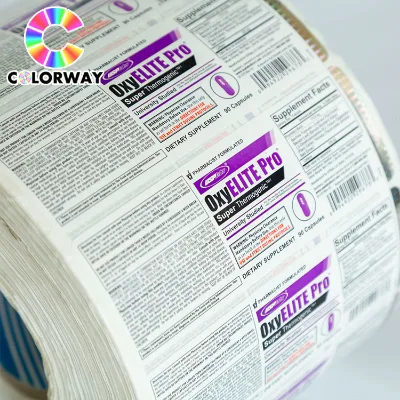
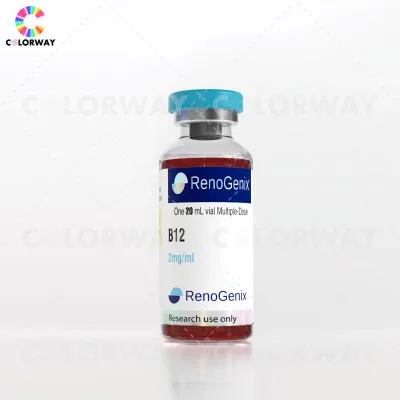


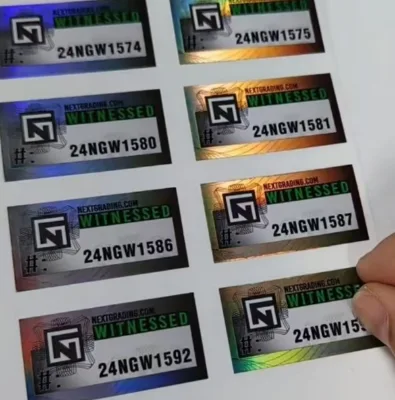


Comprehensive Sourcing Guide
Hologram Laser Vial Label Sourcing Guide
Buyers seeking hologram laser vial labels must first distinguish between standard adhesive stickers and specialized security features. The available product data indicates that while many listings offer paper or plastic materials with screen printing, specific holographic options are noted as a material choice alongside normal paper. This distinction is critical because standard screen printing on paper may not provide the same anti-counterfeiting depth as true holographic laser embossing, requiring buyers to explicitly verify the "Holographic Paper" attribute in supplier catalogs.
Procurement teams should also scrutinize the application scope, as the observed listings cover diverse sectors including medicine, cosmetics, and shipping. The presence of "Medicine" and "Medical" usage tags suggests that vial labels often require high adhesion and durability, yet the data also lists "Food" and "Price Tags" as potential uses. This variability means a single supplier might offer general-purpose labels that lack the specific regulatory compliance or chemical resistance needed for pharmaceutical vials, necessitating a targeted search for medical-grade specifications.
Product Scope and Observed Listing Signals
The market for these labels presents a wide range of material compositions, from standard paper to PVC and specialized holographic variants. Buyers will encounter listings specifying "Normal Paper" and "Holographic Paper" as selectable materials, alongside rigid options like PVC. This diversity allows for customization based on the vial's surface texture and the required durability, but it also introduces complexity in selecting the right substrate for liquid or semi-liquid environments where moisture resistance is paramount.
Visual and printing attributes vary significantly across the observed product range, with options for single-page printing, CYMK color modes, and advanced finishes like UV or hot stamping. While some entries mention "Silver" or "Gold" colors, the core requirement for a laser vial label is the holographic effect, which may be achieved through specific surface finishing techniques rather than just color selection. Buyers must ensure that the "Design" capability includes the creation of complex laser patterns, as generic "Free Design" services might only cover standard flat graphics rather than the three-dimensional security features required for high-value pharmaceuticals.
Technical Specifications to Verify
Dimensional accuracy is a primary technical concern, as the observed data lists specific standard sizes like 10x15mm and 25x60mm, alongside fully customized options. For vial applications, the label must fit the curvature of the container without wrinkling or peeling, which often requires precise die-cutting capabilities. Buyers should verify that the supplier can produce "Die Cut Piece" formats with tight tolerances, as standard sheet sizes may not accommodate the unique circumference of various vial diameters without additional trimming or waste.
Adhesive performance and surface finishing are equally critical for ensuring label integrity during storage and transport. The product data highlights options for "3m Adhesive," "Strong Adhesive," and "Normal Adhesive," alongside finishes like "Glossy," "Matt," and "UV." For medical vials, the adhesive must remain stable under varying temperatures and resist moisture, while the surface finish should protect the holographic image from abrasion. Buyers must confirm that the selected adhesive is compatible with the vial material, whether glass or plastic, to prevent residue or failure in cold chain logistics.
Compliance and Safety Documentation
Regulatory compliance for medical and cosmetic vial labels often requires adherence to specific safety standards, though the provided data only lists "ISO9001" and "ROHS" as low-confidence background references. Buyers should not assume these certifications are active for every listing but must request valid, current documentation from the supplier. For pharmaceutical applications, the label material and adhesive must not leach harmful substances into the product, making it essential to verify that the "Recycled" or "Normal" materials meet relevant chemical safety thresholds for medical packaging.
Documentation regarding the printing process and material composition is vital for audit trails in the healthcare sector. The observed listings mention "Offset Printing" and "Screen Printing" as available techniques, each with different implications for ink safety and durability. Buyers need to ensure that the inks used for the holographic and color elements are non-toxic and compliant with international food and drug administration guidelines. Without explicit confirmation of these safety protocols, the risk of regulatory rejection or product recalls increases significantly for medical vial applications.
Cost Drivers and Commercial Terms
Pricing for hologram laser vial labels is heavily influenced by the complexity of the holographic design and the chosen material. The observed data shows a wide MOQ range from 1 to 10,000 pieces, with some specific listings citing an MOQ of 1,000 pieces. Buyers should anticipate that lower unit costs are achievable only at higher volumes, while the initial setup costs for custom holographic patterns and die-cutting molds can be substantial. Understanding the relationship between order quantity and unit price is essential for budgeting, especially when balancing the need for security features against cost constraints.
Commercial terms regarding packaging and shipping also impact the total cost of ownership. The product data indicates packaging options ranging from individual plastic bags to cartons with waterproof films, and delivery in rolls or sheets. For international procurement, the choice of packaging affects shipping weight and the risk of damage during transit. Buyers must clarify whether the supplier includes protective measures like waterproof film in the standard price or if this is an add-on cost, as improper packaging can lead to label degradation before the product even reaches the end user.
Supplier Qualification and Quality Control
Supplier qualification should focus on their ability to consistently reproduce complex holographic effects and maintain adhesive consistency. The observed product models, such as WDPVa283 and VL011, suggest a variety of SKUs, but buyers must verify that the supplier has the technical capacity to handle custom orders without compromising quality. It is crucial to request samples that match the exact specifications of the intended vial application, including tests for adhesion strength and resistance to environmental factors like humidity and temperature fluctuations.
Quality control processes must be transparent and documented, particularly for medical applications where label failure can have serious consequences. Buyers should inquire about the supplier's in-house testing procedures for print registration, color accuracy, and adhesive performance. The data mentions "Customized" standards, which implies flexibility, but this flexibility must be backed by rigorous quality assurance protocols. Establishing a clear communication channel for defect reporting and establishing a protocol for handling non-conforming batches is essential for maintaining supply chain reliability.
Long-Term Procurement Checks
Sustaining a reliable supply of hologram laser vial labels requires regular audits of the supplier's production capabilities and material sourcing. As product models and standards evolve, buyers must ensure that the supplier can maintain consistency in the holographic effect and adhesive properties over time. This involves periodic re-verification of the "Customized" standards and ensuring that any changes in raw material suppliers do not negatively impact the final product's performance or regulatory compliance status.
Strategic planning for future needs should account for potential changes in regulatory requirements or product formulations. Buyers should maintain a relationship with the supplier that allows for rapid adaptation to new security features or material specifications. Given the observed variety in applications from medicine to cosmetics, the supplier must demonstrate the agility to support different market demands without significant lead time increases. Establishing a long-term partnership with clear service level agreements will help mitigate risks associated with supply chain disruptions and ensure continuous availability of critical packaging components.
FAQs
What materials are available for hologram laser vial labels?
Hologram laser vial labels are available in paper, plastic, and PVC materials. Buyers can choose from normal paper or holographic paper options. These materials support various printing types including screen printing and offset printing. The choice depends on the required durability and application environment for the vial.
Can these labels be customized for specific designs?
Yes, customization is available for hologram laser vial labels. Buyers can provide original samples or request custom designs. The printing supports CMYK, Pantone, and custom colors like silver, gold, or rainbow finishes. Surface finishing options include glossy, matte, UV coating, and hot stamping to meet specific branding needs.
What is the typical MOQ for ordering these labels?
The minimum order quantity for these labels is typically 1000 pieces. However, some suppliers may accept orders starting from 1 piece up to 10000 pieces. This flexibility allows buyers to test small batches or order larger quantities for extensive packaging needs without committing to excessive inventory.
Are these labels suitable for medicine and cosmetic applications?
Yes, these labels are suitable for medicine and cosmetics. They are designed for usage in medical, food, and price tag applications. The adhesive options include 3M, strong, or normal adhesive to ensure secure attachment. Features like waterproofing and die-cut pieces make them ideal for various product packaging requirements.
What specifications and sizes are offered for these labels?
Specifications include customized sizes such as 25x60mm, rectangles, circles, and squares. Standard sizes like 30x69mm and 10x15mm are also available. Models like WDPVa283 and VL011 indicate specific product variations. Buyers can select from single printing pages or custom dimensions to fit their specific vial dimensions.
How are these labels packed for shipping?
Labels are packed in plastic bags, boxes, or cartons. Some options include packing by carton with waterproof film in rolls or sheets. This ensures protection during transit. The packaging method is chosen based on the material type and order volume to prevent damage and maintain label quality upon arrival.