Source Home Decoration Photo Frame for Home Decoration, Collection, Holiday Gifts
Compare 30 Home Decoration Photo Frame options from verified suppliers. Buyers can evaluate materials like wood and metal, styles including modern and antique, and customization features for home decoration, collection, and holiday gifts.
Key considerations
Products List


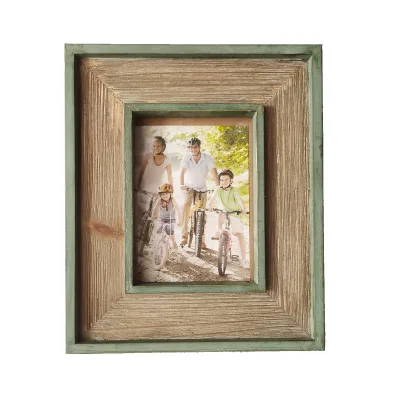
Wood Multi-Size Standard Picture Frame Home Decoration Wooden Photo Frame
$0.68 - $2.98
MOQ: 100 Pieces




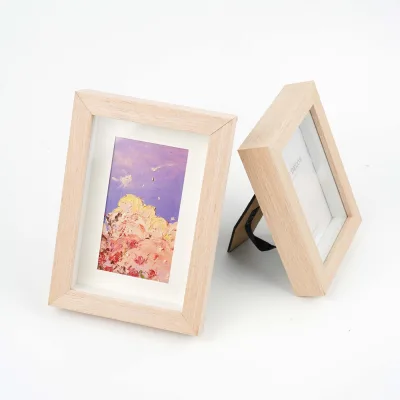
Customized Size Printing Picture Acrylic Photo Frames for Home Decoration
$1.65 - $2.12
MOQ: 100 Pieces


Comprehensive Sourcing Guide
Home Decoration Photo Frame Sourcing Guide
Sourcing home decoration photo frames requires a nuanced understanding of material diversity, aesthetic trends, and supply chain logistics. The market offers a wide spectrum of options, ranging from minimalist modern designs to ornate antique styles, each serving distinct interior design needs. Buyers must navigate between mass-produced items and customized solutions, ensuring that the selected frames align with both functional requirements and brand identity. This guide provides a structured approach to evaluating suppliers, verifying technical specifications, and managing commercial risks associated with importing photo frames from global manufacturing hubs.
The procurement process is heavily influenced by the intended use case, whether for retail resale, corporate gifting, or direct home decoration. Key attributes such as shape, color, and material composition dictate the final product’s marketability and durability. For instance, square and rectangular formats dominate the market, catering to standard photo sizes, while specific finishes like gold or white appeal to contemporary and European-style decor trends. Understanding these visual and structural preferences is the first step in defining a precise product specification sheet that minimizes miscommunication with suppliers and reduces the likelihood of receiving non-conforming goods.
Product Scope and Observed Listing Signals
The current market landscape for home decoration photo frames exhibits significant variation in material composition and design complexity. Observed listings indicate a strong presence of wood and metal frames, with some products incorporating plastic components for cost efficiency or specific aesthetic effects. Wood frames often emphasize natural textures and are frequently associated with modern or antique styles, while metal frames provide a sleek, durable alternative suitable for contemporary interiors. The shape of the frames is predominantly square or rectangular, designed to accommodate standard photo dimensions, though some suppliers offer customized shapes to meet niche design requirements.
Color and stylistic elements play a crucial role in differentiating products in a crowded market. Gold and white are common color options, often paired with modern or European design motifs to appeal to specific consumer segments. Some products are marketed with features such as "handmade" craftsmanship or "environmentally friendly" materials, which can serve as unique selling points for eco-conscious buyers. Additionally, the availability of customization services, including logo printing and design adjustments, allows buyers to create branded merchandise for corporate gifts or holiday promotions. These signals help buyers identify suppliers capable of meeting specific aesthetic and functional demands.
Technical Specifications to Verify
Verifying technical specifications is critical to ensuring that the photo frames meet the intended use and quality standards. Buyers should pay close attention to internal and external dimensions, as discrepancies can lead to fit issues with standard photo sizes. For example, some listings specify internal sizes of 7 inches or 5x7 inches, while external sizes may vary slightly to accommodate frame thickness and mounting hardware. It is essential to confirm whether the product includes a picture card or backing, as this affects the final presentation and ease of use for the end consumer. Products listed as "without picture card" may require additional sourcing of backing materials or assembly instructions.
Material thickness and construction quality are other vital technical aspects to verify. Metal and wood frames should be assessed for structural integrity, particularly at corners and joints, to ensure durability during shipping and use. Some suppliers offer products with specific models, such as DP-953 or PF-08, which may have distinct construction methods or material grades. Buyers should request detailed technical drawings or samples to verify dimensions, material thickness, and finish quality. Additionally, packaging specifications, such as polybag, shrink-wrapped, or bubble bag with white box, should be confirmed to prevent damage during transit and to ensure efficient storage and display in retail environments.
Compliance and Safety Documentation
Compliance with safety and environmental standards is increasingly important for home decoration products, especially those intended for markets with strict regulatory requirements. While specific certification statuses may vary by supplier, buyers should inquire about compliance with recognized standards such as BV or SGS, which can indicate adherence to quality and safety protocols. Additionally, certifications like RoHS and CE may be relevant for products containing metal or plastic components, ensuring that harmful substances are within acceptable limits. Buyers should request valid certification documents and verify their authenticity with the issuing bodies to mitigate regulatory risks.
Environmental considerations are also a growing concern for consumers and retailers. Products marketed as "environmentally friendly" should be supported by verifiable claims, such as the use of sustainably sourced wood or recyclable materials. Buyers should ask suppliers for detailed information on material sourcing and manufacturing processes to assess the environmental impact of the products. Furthermore, compliance with labeling requirements, including country of origin and material composition, is essential for legal sales in many markets. Ensuring that all documentation is accurate and up-to-date helps maintain brand reputation and avoids potential legal issues related to non-compliance.
Cost Drivers and Commercial Terms
Several factors influence the cost of home decoration photo frames, including material selection, customization level, and order volume. Wood and metal frames typically command higher prices than plastic alternatives due to material costs and processing complexity. Customization options, such as logo printing or unique design modifications, can also increase production costs. Buyers should negotiate clear pricing structures that account for these variables, ensuring that quotes include all relevant fees, such as tooling, setup, and packaging. Understanding the cost drivers helps in budgeting accurately and identifying opportunities for cost savings without compromising quality.
Commercial terms, including minimum order quantities (MOQ), lead times, and payment conditions, are critical components of the procurement process. Observed MOQs range from 1 to 20,000 units, offering flexibility for both small-scale buyers and large retailers. Lead times can vary significantly, with some suppliers offering sample delivery within 2-15 days and bulk production taking 30-45 days. Buyers should establish clear timelines and communicate expectations regarding production schedules and delivery dates. Additionally, FOB ports, such as Ningbo, China, should be confirmed to determine shipping costs and logistics arrangements. Transparent commercial terms help in managing cash flow and ensuring timely delivery of goods.
Supplier Qualification and Quality Control
Evaluating supplier qualifications is essential to ensure reliability and consistency in product quality. Buyers should assess suppliers based on their production capacity, quality control processes, and past performance. Suppliers with larger showroom areas, such as 2000m2, may indicate a more established operation with a broader product range. However, the size of the facility is not the sole indicator of quality; buyers should also review customer feedback, certifications, and audit reports to gauge reliability. Engaging with suppliers who offer OEM or ODM services can provide additional flexibility in product design and branding.
Quality control measures should be implemented throughout the production process to minimize defects and ensure consistency. Buyers should request pre-production samples for approval and conduct random inspections during production and before shipment. Establishing clear quality standards, including acceptable defect rates and packaging requirements, helps in maintaining product integrity. Additionally, suppliers should be encouraged to implement robust internal quality control systems, such as in-process inspections and final product testing. Regular communication and feedback loops with suppliers can help address issues promptly and improve overall product quality over time.
Long-Term Procurement Checks
Building long-term relationships with suppliers requires ongoing monitoring and evaluation of performance metrics. Buyers should track key performance indicators such as on-time delivery, product quality, and responsiveness to issues. Regular audits and site visits can provide valuable insights into supplier operations and help identify areas for improvement. Maintaining open lines of communication and fostering a collaborative partnership can lead to better pricing, priority production, and access to new product innovations. Long-term procurement checks ensure that suppliers remain aligned with buyer expectations and market trends.
Adapting to market changes and evolving consumer preferences is crucial for sustained success in the photo frame industry. Buyers should stay informed about emerging design trends, material innovations, and regulatory updates that may impact product sourcing. Regularly reviewing and updating product specifications and supplier criteria helps in maintaining competitiveness and meeting customer demands. Additionally, exploring alternative suppliers and diversifying the supply chain can mitigate risks associated with single-source dependencies. By continuously evaluating and optimizing procurement strategies, buyers can ensure long-term profitability and resilience in the face of market fluctuations.
FAQs
What materials are used for home decoration photo frames?
Home decoration photo frames are available in wood, metal, and plastic materials. The product list includes square wooden frames and rectangular metal frames. Buyers can select based on their preferred aesthetic and durability requirements for home use.
Can I get custom designs for home decoration photo frames?
Custom designs are available for home decoration photo frames with options for customized logos and styles. Manufacturers accept OEM and ODM orders to meet specific buyer needs. The standard allows for both common and customized production specifications.
What are the typical sizes for home decoration photo frames?
Typical sizes include 3x3 inches, 4x6 inches, 5x7 inches, and 7 inches. Some models feature specific internal and external dimensions like 5x7 inches internal size. Buyers should verify exact measurements against their display requirements before ordering.
How long is the delivery time for home decoration photo frames?
The delivery time for home decoration photo frames ranges from 30 to 45 days. Sample lead times are shorter, typically between 2 to 15 days. These timelines depend on order volume and specific customization requirements requested by the buyer.
Which packaging options are available for home decoration photo frames?
Packaging options include cartons, polybags, shrink wrapping, and bubble bags with white boxes. Single units may come in a polybag while bulk orders often use shrinked packaging. The specific packing method depends on the product model and order quantity.
What certifications do Home Decoration Photo Frame suppliers hold?
Some suppliers hold BV and SGS certifications for their home decoration photo frames. While RoHS and CE are noted in background data, BV and SGS are the confirmed standards listed. Buyers should request specific certification documents to verify compliance for their market.
Where are home decoration photo frames manufactured?
Home decoration photo frames are manufactured in China, with specific origins in Ningbo. The products are exported from this region to global markets. Buyers can expect sourcing from verified factories located in these Chinese manufacturing hubs.