Source Honeycomb Stainless Steel Gas Cooker for Home, Restaurant, and Outdoor Use
Compare 30 listings for the Honeycomb Stainless Steel Gas Cooker featuring pulse-jet and electronic ignition modes. Buyers can evaluate built-in and portable options with copper valves and flameout protection for household or commercial applications.
Key considerations
Products List


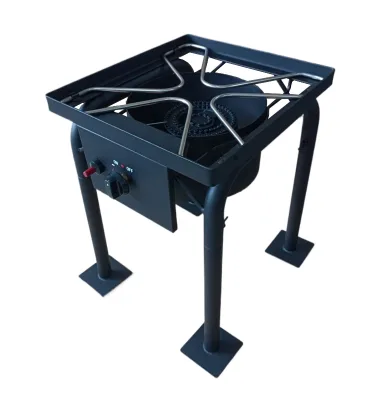


Hotel Restaurant Kitchen Equipment Stainless Steel Gas Stove/ Gas Cooker
$269.00 - $330.00
MOQ: 3 Pieces


Industrial Stainless Steel Cooking Pot Gas Electric Industrial Pressure Cooker
$6300.00 - $9900.00
MOQ: 1 Pieces


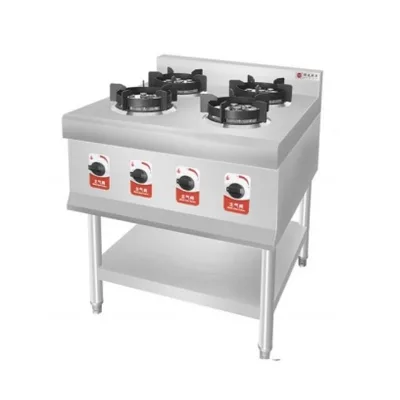


Comprehensive Sourcing Guide
Strategic Sourcing Guide for Honeycomb Stainless Steel Gas Cookers
The global market for built-in and portable cooking appliances continues to evolve, with a specific focus on durability, safety, and thermal efficiency. For procurement professionals researching the core keyword "Honeycomb Stainless Steel Gas Cooker," understanding the intersection of material science, combustion technology, and supply chain logistics is critical. This guide synthesizes available product attributes and industry standards to provide a disciplined framework for evaluating potential suppliers and specifications. The term "honeycomb" in this context often refers to the specific design of the burner or the structural reinforcement of the cooktop, while "stainless steel" denotes the primary construction material for the body and grates.
Technical Specifications and Combustion Architecture
When evaluating gas cookers, the technical specifications define the operational ceiling of the appliance. Based on observed market data, the fuel types supported by these units are primarily Liquefied Petroleum Gas (LPG) and Natural Gas (NG). Buyers must verify the specific gas conversion requirements for their target market, as the internal orifice size and valve configuration differ significantly between LPG and NG applications. The ignition systems observed in the current product landscape vary, ranging from Piezoelectric Ceramic Ignition to Pulse-Jet Ignition and Electronic Ignition. Some advanced models feature an ignition rating of 15,000, which may indicate a specific spark frequency or energy output metric, though this requires direct verification with the manufacturer.
The heat output is a primary determinant of cooking performance. Data indicates that typical configurations offer a total heat output of 2.8 kW + 2.8 kW, suggesting a dual-burner setup with balanced power distribution. Other high-performance units may feature firepower ratings between 4 kW and 4.99 kW. The burner size is another critical dimension, with observed specifications listing burners at 90 mm + 90 mm. The "honeycomb" aspect of the design is often linked to the burner head geometry, which aims to distribute the flame evenly and reduce hot spots, thereby improving thermal efficiency. The number of burners can vary, with common configurations including 3-burner setups, suitable for both household and commercial-style applications.
The physical construction relies heavily on Stainless Steel and steel materials. The pan support systems are equally diverse, utilizing either Enamel or Cast Iron materials. Cast iron supports are generally preferred for their ability to withstand high temperatures and provide stability for heavy cookware, while enamel offers a smoother surface that is easier to clean. The control interface typically features Metal knobs, which are more durable than plastic alternatives in high-heat environments. The valve systems are predominantly constructed from Copper, a material chosen for its excellent thermal conductivity and resistance to corrosion, ensuring precise gas flow regulation.
Compliance, Safety Standards, and Certification Verification
Safety is paramount in gas appliance procurement. The observed product attributes highlight the inclusion of Flameout Protection as a standard protective case feature. This safety device is designed to cut off the gas supply automatically if the flame is extinguished due to wind, boiling over, or other anomalies, preventing dangerous gas leaks. However, buyers must exercise caution regarding certification claims. While "CE" appears in background data, it should be treated as a low-confidence reference rather than a guaranteed attribute for every listed product. Procurement teams must request valid, up-to-date certification documents from the supplier for the specific model being purchased, such as CE, UL, or local gas safety standards relevant to the destination country.
Dimensions and standardization are also critical for compliance and installation. Observed standard dimensions for built-in units include 860 mm x 510 mm, 740 mm x 420 mm, and 710 mm x 385 mm x 145 mm. Portable units may have different profiles, such as 590 mm x 510 mm x 115 mm or 310 mm x 510 mm x 115 mm. The "honeycomb" design must not compromise the structural integrity required by local building codes. Buyers should verify that the product standard matches the specific installation requirements of the target market. For instance, a unit designed for a countertop cutout of 750 mm must be cross-referenced with the actual product standard to ensure a proper fit.
Cost Drivers and Pricing Dynamics
The pricing landscape for gas cookers is highly variable, with observed ranges spanning from $7.50 to $9,900 USD. This vast disparity is driven by several factors, including the complexity of the ignition system, the quality of the stainless steel grade, the number of burners, and the inclusion of smart features. Units with APP-controlled capabilities represent a higher price tier, as they integrate wireless connectivity and remote monitoring features. The presence of Private Mold capabilities is another cost driver; however, the observed data indicates that Private Mold is currently "No" for many standard listings, suggesting that most suppliers offer off-the-shelf models rather than fully custom-engineered units.
Material costs play a significant role in the final price. Stainless steel and copper valves are more expensive than alternative materials, contributing to the higher end of the price spectrum. The packaging method also influences logistics costs. Observed packing options include 5-layer cartons and standard cartons with foam, which are designed to protect the appliance during transit. Customization packages are available, which may add to the unit cost but offer branding opportunities. The Minimum Order Quantity (MOQ) ranges from 1 to 4,000 units, allowing for flexibility in procurement strategies. Buyers purchasing in smaller quantities may face a higher per-unit cost, while bulk orders of 1,000 units or more may benefit from volume discounts, as indicated by selling units being listed as multiples of 1,000.
Typical Applications and Installation Requirements
The versatility of honeycomb stainless steel gas cookers allows them to serve a wide range of applications. The primary application category is Household, where these units are installed as built-in appliances or used as portable cooking stations. The installation type is observed to be "Portable" for certain models, making them suitable for outdoor events, temporary kitchens, or rental properties where permanent installation is not feasible. Other models are designed as Built-in Gas Cookers, intended for integration into kitchen cabinetry.
The specific use case dictates the required specifications. For household use, a 3-burner configuration with a total heat output of 5.6 kW (2.8+2.8) is often sufficient for general cooking needs. In contrast, commercial or semi-commercial applications may require higher firepower units in the 4 kW to 4.99 kW range per burner. The "honeycomb" burner design is particularly advantageous in applications where wind resistance is a concern, such as outdoor cooking, as it stabilizes the flame. The compatibility with different pan support materials, such as Cast Iron or Enamel, also influences the application; cast iron is preferred for heavy-duty cooking, while enamel is suitable for lighter, everyday use.
Supplier Evaluation and Origin Analysis
When evaluating suppliers, the geographic origin of the product is a key indicator of supply chain reliability and cost structure. The observed data lists origins in China, with specific provinces including Shandong and Guangdong. These regions are known for their manufacturing clusters in home appliances. Buyers should verify the specific factory location to assess logistics lead times and shipping costs. The production models identified, such as YG-S58604, YG-G2055, JY-S4033, and JY-S2006, serve as reference points for product lineage. However, buyers must ensure that the specific model number matches the exact specifications required, as model numbers can sometimes be reused or slightly modified for different markets.
Supplier reliability is also tied to their customization capabilities. While some suppliers offer Customization Package options, the "Private Mold" attribute is currently listed as "No" for many entries. This suggests that customization may be limited to branding, packaging, or minor component swaps rather than fundamental design changes. Buyers seeking unique designs must confirm if the supplier can accommodate private mold development, as this would involve additional tooling costs and longer lead times. The availability of "Customization" as a general attribute indicates that suppliers are open to tailoring the product to specific buyer needs, but the extent of this customization must be clarified during the negotiation phase.
Quality Control and Long-Term Procurement Considerations
Ensuring consistent quality requires a robust quality control (QC) protocol. Given the variation in ignition modes and safety devices, buyers should implement a sampling plan that tests the Piezoelectric Ceramic Ignition, Pulse-Jet Ignition, and Electronic Ignition systems for reliability. The Flameout Protection mechanism must be tested rigorously to ensure it functions correctly under simulated failure conditions. The durability of the Stainless Steel body and the corrosion resistance of the Copper valves are also critical long-term performance indicators.
Long-term procurement considerations include the availability of spare parts and the consistency of the supply chain. The observed packaging standards, such as 5-layer cartons and foam-lined standard cartons, indicate a focus on product protection, but buyers should verify the carton size (e.g., 720 mm x 400 mm x 100 mm) to optimize container loading and reduce shipping costs. The selling units being listed as multiples of 1,000 suggests that suppliers are geared toward large-scale distribution. For buyers with smaller volume requirements, negotiating a lower MOQ or a mixed-container load may be necessary.
Furthermore, the "Honeycomb" design and the specific burner sizes (90 mm + 90 mm) should be validated against the intended cookware. Compatibility issues can arise if the burner size does not match the base of the pots and pans, leading to inefficient heat transfer. Buyers should also consider the environmental impact and energy efficiency of the gas cookers, as regulations regarding gas emissions and thermal efficiency are becoming increasingly stringent in many markets.
Summary of Key Product Attributes
To assist in the final selection process, the following table summarizes the key attributes observed in the current market for honeycomb stainless steel gas cookers. This table serves as a checklist for buyers to verify against supplier data sheets.
| Attribute Category | Observed Specifications | Verification Requirement |
|---|---|---|
| Material | Stainless Steel, Steel | Verify grade (e.g., 304 vs. 430) |
| Fuel Type | LPG, Natural Gas | Confirm gas conversion kit availability |
| Ignition Mode | Piezoelectric, Pulse-Jet, Electronic | Test spark reliability and frequency |
| Burner Count | 3 Burners (common) | Verify total count and layout |
| Heat Output | 2.8+2.8 kW, 4-4.99 kW | Confirm per-burner and total output |
| Safety Device | Flameout Protection | Test automatic shut-off mechanism |
| Installation | Portable, Built-in | Verify cutout dimensions and mounting |
| Origin | China (Shandong, Guangdong) | Verify factory location and lead time |
| Packing | 5 Layer Carton, Standard with Foam | Check carton dimensions for logistics |
| Customization | Available (Package/Branding) | Clarify extent of Private Mold options |
By adhering to these guidelines and verifying the specific attributes against the supplier's documentation, procurement professionals can mitigate risks and secure high-quality honeycomb stainless steel gas cookers that meet both functional and safety requirements. The market offers a diverse range of options, but success lies in rigorous due diligence and clear communication of technical expectations.
FAQs
What ignition modes are available for honeycomb stainless steel gas cookers?
Available ignition modes include Piezoelectric Ceramic Ignition, Pulse-Jet Ignition, and Electronic Ignition. Buyers must verify the specific mode required for their model, as options vary by manufacturer and product series.
Which fuel types do these cookers support for operation?
These units primarily support Liquefied Gas (LPG) and Natural Gas (NG). Procurement teams must confirm the specific gas conversion requirements for their target market before ordering.
Can buyers customize the packaging for bulk orders of these cookers?
Yes, customization packages are available for bulk orders. Buyers should note that while general customization is offered, private mold development may not be available for all standard listings.
What is the typical heat output capacity for dual-burner models?
Typical configurations offer a total heat output of 2.8 kW plus 2.8 kW. High-performance units may feature firepower ratings between 4 kW and 4.99 kW per burner.
How is the safety of these cookers ensured during operation?
Safety is ensured through Flameout Protection, which automatically cuts off gas if the flame extinguishes. Buyers must request valid certification documents to verify compliance with local safety standards.
What materials are used for the pan supports on these units?
Pan supports are constructed from either Enamel or Cast Iron materials. Cast iron is preferred for stability with heavy cookware, while enamel offers easier cleaning for everyday use.