Source Hookah for Gifts, Events, and Wholesale Resale
Explore 30 verified Hookah listings with varying materials like glass and aluminum alloy. Buyers can compare specifications, customization options, and pricing to find suitable wholesale suppliers for gifts, events, or retail resale.
Key considerations
Products List




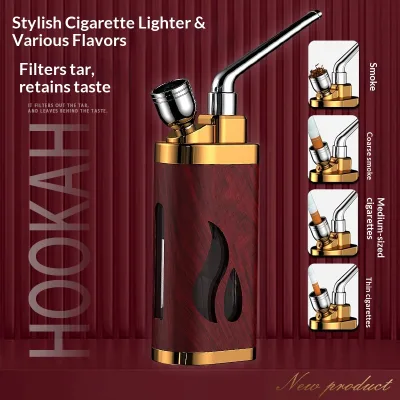

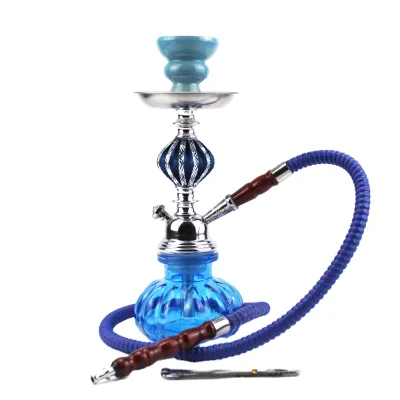
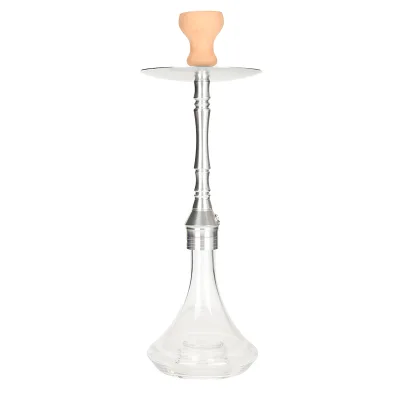
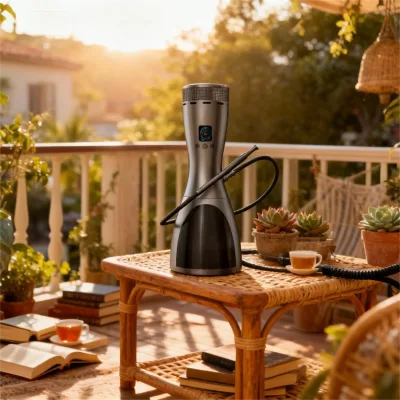
Comprehensive Sourcing Guide
Hookah Sourcing Guide
Sourcing Hookah products requires a nuanced understanding of both traditional craftsmanship and modern manufacturing capabilities. The global market for these devices spans from high-end, artisanal pieces to mass-produced, portable units designed for convenience. Buyers must navigate a landscape where product diversity is high, ranging from glass-based traditional shishas to aluminum alloy mini-hookahs featuring LED lighting. This guide provides a structured approach to evaluating suppliers, verifying technical specifications, and ensuring commercial viability, focusing on the key attributes observed in current market listings.
The procurement process begins with defining the specific product type and target market. Whether sourcing for wholesale distribution, retail gift shops, or private label branding, the buyer must align their requirements with supplier capabilities. Key observations from current listings indicate that customization is widely available, with many suppliers offering OEM and ODM services. This flexibility allows buyers to tailor products to specific brand identities, from creative designs to specific packaging requirements. Understanding these variables is essential for building a competitive supply chain that meets end-user expectations for quality, aesthetics, and functionality.
Product Scope and Observed Listing Signals
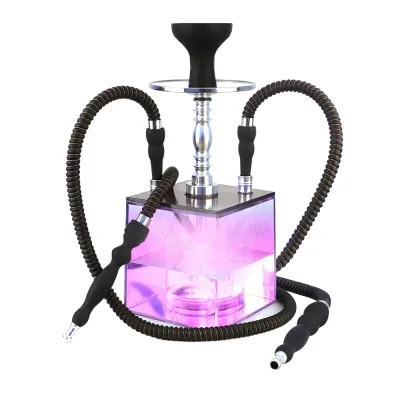
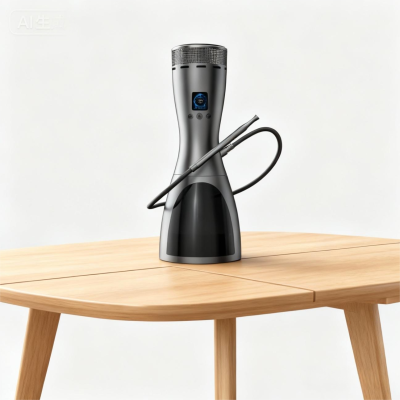
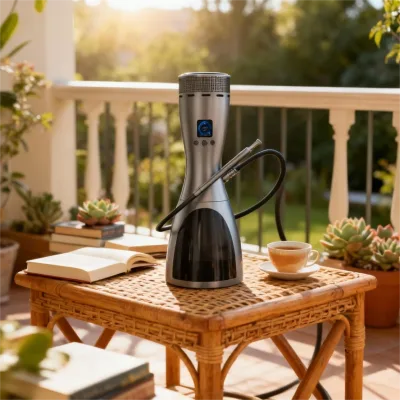
The current market for hookahs exhibits a wide range of product configurations, materials, and design philosophies. Listings indicate the presence of traditional glass hookahs, which often feature specific dimensions such as a 4-inch diameter and heights around 11.36 inches, weighing approximately 600 grams. These products are typically packaged in cartons with bubble sheets or inner boxes to ensure safe transit. In contrast, modern iterations include aluminum alloy models that are marketed as mini-hookahs, emphasizing features like durability, eco-friendliness, and integrated LED lighting. These units often come in mixed colors and are designed for portability, with single gross weights around 1.9 kg and compact packaging dimensions.
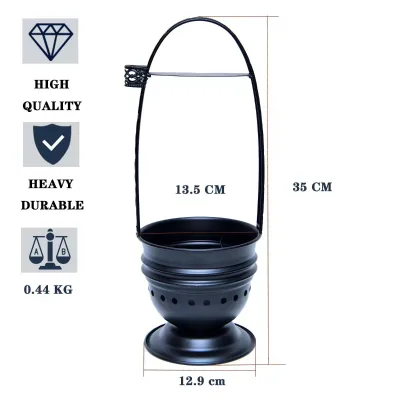
Packaging and accessory inclusion are critical differentiators in this category. Suppliers frequently offer Hookah sets that include essential accessories such as bowls, which are vital for the user experience. Packaging standards vary, with some suppliers adhering to specific carton counts, such as 4 pieces per carton or 12 pieces per carton, while others provide detailed single package sizes like 25x25x25 cm. The presence of accessories and the robustness of packaging directly impact shipping costs and product integrity. Buyers should carefully review the packing details to ensure that the supplier’s packaging standards align with their logistics capabilities and retail presentation needs, minimizing damage risks during international transit.
Technical Specifications to Verify
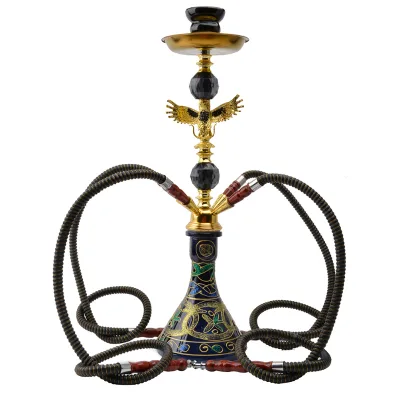
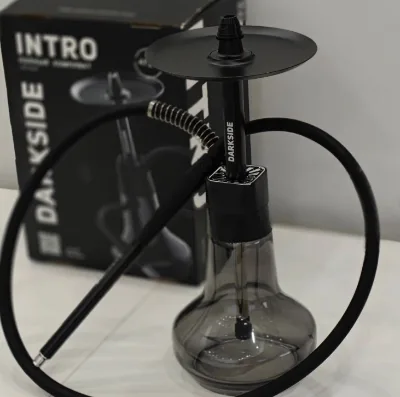
Technical verification is paramount when sourcing hookahs, as performance and safety depend heavily on material quality and construction standards. Buyers must verify the material composition, distinguishing between glass and aluminum alloy models. For glass hookahs, it is essential to confirm the thickness and quality of the glass to prevent breakage and ensure heat resistance. For aluminum alloy models, buyers should verify the grade of the alloy and the finish quality, such as mirror techniques, which affect both aesthetics and corrosion resistance. Specific model numbers, such as HK-007, HK-147, and LM-1180, serve as unique identifiers for these technical variations, allowing for precise ordering and quality tracking.
Dimensional accuracy and weight specifications are also critical for logistics and user experience. Heights can vary significantly, from 33.5 cm for compact models to 63 cm for larger traditional units. Weight ranges from 600 grams for smaller glass pieces to 3.5 kg for heavier, more substantial models. Buyers must verify these specifications against their shipping cost calculations and retail positioning. Additionally, the shape of the Hookah, whether straight type or other configurations, impacts stability and airflow. Confirming these technical details with the supplier before placing orders ensures that the products meet the intended functional requirements and fit within the buyer’s logistical constraints.
Compliance and Safety Documentation
Compliance and safety documentation are essential for importing hookahs, particularly given the health and safety regulations associated with smoking accessories. While specific certification statuses can vary by supplier and region, buyers should proactively request documentation such as CE certification, which indicates conformity with health, safety, and environmental protection standards for products sold within the European Economic Area. It is crucial to verify that the materials used, especially those in contact with heat or smoke, are food-grade and free from harmful substances. Suppliers should provide material safety data sheets (MSDS) or similar documentation to confirm the safety of the glass, aluminum, and any electronic components in LED-equipped models.
Buyers must also ensure that the products comply with local regulations in their target markets. This includes verifying that the hookahs meet specific standards for durability and leak-proof construction. For electronic components, such as LED lighting, buyers should request evidence of electrical safety compliance to prevent hazards like overheating or short circuits. Although specific test results are not always publicly listed, buyers should insist on third-party lab reports or factory audit results that demonstrate adherence to international safety standards. This due diligence protects the buyer from legal liabilities and ensures that the products are safe for end-users, maintaining brand reputation and customer trust.
Cost Drivers and Commercial Terms
Cost drivers in the Hookah market include material costs, manufacturing complexity, and customization levels. Glass hookahs may incur higher costs due to the fragility and specialized packaging required, while aluminum alloy models might benefit from economies of scale in mass production. Customization options, such as OEM/ODM services and creative designs, can add to the unit cost but offer significant value in brand differentiation. Buyers should analyze the total landed cost, including manufacturing, packaging, shipping, and duties, rather than focusing solely on the unit price. The observed price range of $1.84 to $432.5 USD reflects this diversity, with lower prices typically associated with simpler, mass-produced items and higher prices for premium, customized, or larger units.
Commercial terms, including Minimum Order Quantity (MOQ) and payment terms, significantly impact procurement strategy. MOQs can range from 1 piece for sample orders to 500 pieces for bulk production, with some suppliers setting specific MOQs like 24 pieces for certain models. Buyers should negotiate MOQs based on their sales volume and storage capacity, considering the flexibility offered by suppliers who welcome customized orders. Payment terms and lead times are also critical; buyers should establish clear agreements on production schedules and delivery dates to avoid stockouts. Quick response services provided by some suppliers can be advantageous for managing inventory and responding to market demands, but buyers must verify the reliability of these services through past performance or references.
Supplier Qualification and Quality Control
Supplier qualification is a multi-step process that begins with verifying the supplier’s location and production capabilities. Many Hookah suppliers are based in China, particularly in regions like Zhejiang, which is known for its manufacturing expertise. Buyers should conduct thorough background checks to confirm the supplier’s legitimacy, including business licenses and factory audits. Quality control measures should be established early in the relationship, with clear specifications for materials, dimensions, and packaging. Buyers should request pre-production samples to verify quality before committing to bulk orders, ensuring that the final products meet the agreed-upon standards.
Ongoing quality control is essential to maintain consistency across production batches. Buyers should implement a robust inspection process, including pre-shipment inspections to check for defects, packaging integrity, and compliance with specifications. For customized orders, buyers should work closely with suppliers to define quality checkpoints at each stage of production. Communication is key; buyers should maintain open lines of communication with suppliers to address any issues promptly. Suppliers that offer services like quick response and highly welcomed customization are often more responsive to quality concerns, but buyers must still enforce strict quality standards to ensure customer satisfaction and reduce return rates.
Long-Term Procurement Checks
Long-term procurement success depends on building sustainable relationships with suppliers and continuously monitoring market trends. Buyers should regularly review supplier performance metrics, including on-time delivery rates, product quality consistency, and responsiveness to issues. Establishing a diversified supplier base can mitigate risks associated with single-source dependencies, allowing buyers to switch suppliers if performance declines or market conditions change. Buyers should also stay informed about emerging trends in Hookah design and technology, such as new materials or features like LED lighting, to keep their product offerings competitive.
Continuous improvement in the supply chain is vital for long-term profitability. Buyers should analyze sales data to identify best-selling models and adjust procurement strategies accordingly. This may involve negotiating better terms with high-performing suppliers or exploring new suppliers for innovative products. Buyers should also consider the environmental impact of their procurement choices, favoring suppliers who demonstrate eco-friendly practices, such as using recyclable materials or energy-efficient manufacturing processes. By focusing on sustainability and quality, buyers can build a resilient supply chain that meets evolving consumer demands and regulatory requirements, ensuring long-term success in the Hookah market.
FAQs
What customization options are available for Hookah sets?
OEM and ODM customization is available for Hookah products. Buyers can request specific designs, such as creative styles or mirror finishes, to match their brand identity. Suppliers welcome highly customized requests, allowing for tailored branding and packaging solutions to meet unique business requirements.
What materials are commonly used in Hookah construction?
Hookahs are constructed from various materials including glass and aluminum alloy. Glass models often feature creative designs and mirror techniques, while aluminum alloy options provide durability and eco-friendly benefits. The choice of material affects the weight, aesthetic, and overall user experience of the shisha device.
What is the typical MOQ for Hookah orders?
The minimum order quantity varies by supplier and product model. Observed MOQs range from 1 piece to 500 pieces, with some specific sets requiring a minimum of 24 pieces. Buyers should verify the exact MOQ for their chosen model, as it depends on customization levels and stock availability.
How are Hookah sets packaged for shipping?
Packaging typically includes inner boxes, bubble sheets, and outer cartons to ensure safety. Some models are packed as 4 pieces per carton, while others use 12 pieces per carton. Standard packing dimensions and weights are provided to help buyers calculate shipping costs and storage requirements accurately.
What specifications should I check for a Hookah model?
Key specifications include height, diameter, weight, and model number. For example, some models are 63cm tall with a 4-inch diameter, while others are 56cm with different weights. Checking the single package size and gross weight is essential for logistics planning and ensuring the product meets your physical constraints.
Are Hookah sets suitable for wholesale or gift purposes?
Yes, Hookah sets are available for wholesale and are often marketed as gifts. Many models feature fashionable designs, LED lighting, and mix colors, making them attractive for retail or promotional use. Suppliers provide quick response services to support wholesale buyers and gift procurement needs efficiently.