Source Hook and Loop Sponge Sanding Pad for Wood, Metal, and Auto
Explore 30 listings for hook and loop sponge sanding pads with varying sizes, thread options, and backing types. Buyers can compare specifications like thickness, hole counts, and customization availability across multiple models to find the right tool for their polishing needs.
Key considerations
Products List




Comprehensive Sourcing Guide
Strategic Sourcing Guide for Hook and Loop Sponge Sanding Pads
Understanding Technical Specifications and Variability
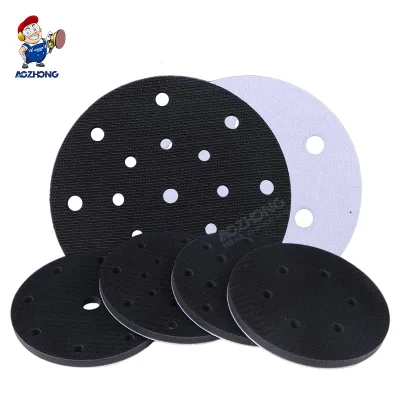
When sourcing hook and loop sponge sanding pads, buyers must first recognize that the product category encompasses a wide spectrum of technical configurations rather than a single uniform item. The core function of these pads is to provide a flexible backing for abrasive sheets, allowing for efficient material removal on curved or irregular surfaces. Based on observed market data, the physical dimensions of these pads vary significantly to accommodate different tool sizes and application needs. Common size specifications include 6-inch (150mm) and 5-inch (125mm) diameters, which are standard for many orbital sanders. However, smaller variants such as 3-inch (75mm) pads with a 75mm diameter are also prevalent, often designed for detail work or compact tools.
The thickness of the sponge material is another critical variable that directly impacts performance. Observations indicate that pad thickness typically ranges from 10mm to 13mm. A 10mm thickness is often associated with models designed for general-purpose sanding, while a 13mm variant may offer enhanced cushioning for contouring tasks. The material composition is consistently identified as sponge, which provides the necessary elasticity. The density of this sponge is frequently categorized as "Medium," balancing durability with the ability to conform to surfaces without excessive compression.
The backing face mechanism is a defining feature of the "hook and loop" classification. Suppliers offer options where the backing face is either Velcro or Vinyl, or described more generically as Hook & Loop. This interface must be compatible with the abrasive discs used by the buyer. Additionally, the connection interface between the pad and the power tool varies. Thread sizes observed in the market include M8 (5/16 inch), M10X1.5, M14X2, M16X2, and 5/8''-11. Some specifications also list 1/4 inch, M6, and M8 as compatible thread sizes. The arbor connection may be described as "Quick Fit," indicating a tool-free attachment mechanism.
The shape of the pad is another area of variation. While the majority of products are round, specific models are manufactured in a diamond shape, likely intended for specific edge-sanding applications. The hole configuration on the pad is equally diverse, with counts ranging from 4 holes to 7 holes, and some listings indicating an optional hole quantity. This variation is crucial for dust extraction systems, as the number of holes must align with the vacuum port configuration of the sanding tool.
Compliance, Certification, and Safety Standards
In the B2B procurement of industrial sanding accessories, verifying compliance with international safety and quality standards is non-negotiable. The market data indicates that certain products carry certifications such as CE, SGS, and ISO. These marks suggest that the manufacturer has undergone specific assessments regarding product safety and quality management systems. For buyers targeting European markets, the CE marking is particularly significant, indicating conformity with health, safety, and environmental protection standards. Similarly, RoHS certification is noted in specific product listings, which ensures that the materials used in the sponge and backing do not contain restricted hazardous substances.
However, it is essential to treat these certifications as observations of specific SKUs rather than universal attributes of all hook and loop sponge pads. A buyer cannot assume that every supplier or every model in the 1-5000 MOQ range automatically possesses these certifications. The presence of brand compatibility labels such as BOSCH, MAKITA, Hitachi, Black & Decker, DeWalt, and Metabo suggests that some products are engineered to meet the specific interface standards of these major tool manufacturers. Yet, the absence of an explicit certification claim on a product page does not necessarily imply non-compliance, but it does require the buyer to request third-party test reports or certification documents before placing a large order.
When evaluating a supplier, procurement teams should explicitly ask for the scope of their ISO certification. Does it cover the manufacturing process, the design, or the final product? Similarly, the SGS report should be reviewed to understand the specific tests performed, such as adhesion strength of the hook and loop mechanism or the durability of the sponge under repeated sanding cycles. Relying solely on the presence of a logo on a product image is insufficient for B2B due diligence. Buyers must ensure that the certifications listed are current and applicable to the specific model number being sourced, as standards can vary by region and product line.
Cost Drivers and Pricing Dynamics
The pricing structure for hook and loop sponge sanding pads is influenced by a complex interplay of factors, including material quality, customization levels, and order volume. The observed price range in the market spans from $0.02 to $3.00 USD per unit. This wide disparity suggests that the lowest price points likely correspond to basic, non-customized units with standard specifications, while the higher end of the range may reflect specialized models, premium materials, or bulk packaging configurations.
Material costs are a primary driver. The density and quality of the sponge, as well as the durability of the hook and loop adhesive, directly impact the unit cost. A pad with a higher density sponge or a more robust vinyl backing will naturally command a higher price. Furthermore, the complexity of the manufacturing process plays a role. Pads with specific hole configurations, such as 6 or 7 holes, or those with custom thread sizes like M14X2, may incur higher production costs compared to standard M8 configurations.
Customization is another significant cost factor. While some listings indicate that customization is available and OEM services are accepted, others specify that the product is non-customized. Customization typically involves changes to the pad size, shape, hole pattern, or branding. These modifications often require tooling changes or setup fees, which can increase the per-unit cost, especially at lower order volumes. The Minimum Order Quantity (MOQ) also heavily influences the final landed cost. The observed MOQ range is broad, extending from 1 carton to 5000 units. Buyers purchasing at the lower end of the MOQ spectrum will likely face a higher per-unit price compared to those placing large-volume orders that allow for economies of scale in production and shipping.
Packaging requirements also contribute to cost variations. Standard carton packages are common, but options like color inner boxes and color outer cartons, or plastic bags with double blister cards, add to the manufacturing and logistics expenses. Buyers should weigh the marketing value of premium packaging against the increased unit cost, particularly if the product is intended for retail distribution rather than industrial bulk use.
Typical Applications and Performance Expectations
Hook and loop sponge sanding pads are versatile tools designed for a variety of sanding applications, ranging from general surface preparation to detailed finishing work. The flexibility of the sponge backing makes these pads particularly effective for sanding curved surfaces, contours, and irregular shapes where rigid pads would fail to maintain contact. The "Ideal for Getting Into Tightest Corner" application note highlights the utility of smaller, specialized pads, such as the 3-inch or diamond-shaped variants, for reaching areas that larger round pads cannot access.
The choice of pad size and thickness should be dictated by the specific task. For general bodywork or large surface areas, the 6-inch (150mm) pad with a 13mm thickness offers a balance of coverage and cushioning. For finer finishing work or smaller components, the 5-inch (125mm) or 3-inch (75mm) pads are more appropriate. The medium density of the sponge allows for consistent pressure application, reducing the risk of creating uneven surfaces or "dishing" the material being sanded.
The compatibility with various thread sizes ensures that these pads can be used with a wide array of power tools. Whether the tool uses an M8, M10, or 5/8''-11 arbor, the availability of different thread options allows buyers to source pads that fit their existing inventory of sanders. The "Quick Fit" arbor feature further enhances efficiency by minimizing the time required to change abrasive discs, which is a critical factor in high-volume production environments.
Dust extraction is another key application consideration. The varying hole counts, from 4 to 7 holes, or the optional hole configurations, allow buyers to match the pad to their dust collection system. Proper hole alignment is essential for maintaining a clean work environment and ensuring the longevity of the sanding tool's motor. Buyers should verify that the hole pattern of the selected pad aligns with the vacuum port of their specific sander to maximize dust removal efficiency.
Supplier Evaluation and Procurement Strategy
Evaluating suppliers for hook and loop sponge sanding pads requires a systematic approach that goes beyond price comparison. The geographic origin of the products is a notable factor, with suppliers located in Zhenjing Yongkang, China, and Guangdong, China. These regions are known for their manufacturing capabilities in hardware and power tool accessories. However, the presence of a specific location does not guarantee quality; it merely indicates the source of production.
Buyers should prioritize suppliers who demonstrate transparency in their product specifications. The availability of detailed information regarding thread sizes, pad dimensions, and backing materials is a strong indicator of a reliable supplier. Conversely, vague descriptions or missing technical data should raise red flags. The ability to offer OEM services and customization is also a valuable trait, suggesting that the supplier has the flexibility to meet specific buyer requirements.
When assessing potential partners, buyers should request samples to verify the quality of the sponge material and the durability of the hook and loop interface. The sample should be tested for adhesion strength, ensuring that the abrasive disc stays attached during high-speed sanding operations. Additionally, the supplier's response time and willingness to provide certification documents should be evaluated. A supplier that is hesitant to share information about their ISO or CE certifications may not be the best long-term partner.
The MOQ flexibility is another critical consideration. While some suppliers require a minimum of 1 carton, others may have higher thresholds. Buyers should negotiate terms that align with their inventory needs and cash flow constraints. For new product introductions, starting with a lower MOQ can help mitigate risk, while established buyers may benefit from negotiating volume discounts for larger orders.
Quality Control and Long-Term Procurement Considerations
Implementing a robust quality control (QC) process is essential for maintaining product consistency in the supply chain. Given the variability in pad specifications, such as thickness, density, and hole count, buyers should establish clear acceptance criteria for incoming goods. Visual inspections should check for defects in the sponge material, such as tears or uneven density, and verify that the hook and loop backing is securely attached.
Functional testing is equally important. Buyers should conduct adhesion tests to ensure that the abrasive discs do not detach prematurely during use. The durability of the pad under repeated sanding cycles should also be assessed to prevent premature wear. For suppliers offering customization, the QC process must include verification that the custom specifications, such as unique thread sizes or hole patterns, match the purchase order exactly.
Long-term procurement considerations involve building a sustainable relationship with suppliers who can consistently meet quality and delivery expectations. Buyers should monitor the supplier's ability to maintain certification status and adhere to safety standards over time. Regular audits or third-party inspections may be necessary for high-volume contracts to ensure ongoing compliance.
The packaging of the product also plays a role in long-term logistics. Standard carton packages are generally sufficient for industrial use, but if the product is destined for retail, the quality of the color inner boxes and blister cards must be maintained to protect the product and enhance brand presentation. Buyers should also consider the environmental impact of the packaging materials, especially if they have sustainability goals.
In conclusion, sourcing hook and loop sponge sanding pads requires a detailed understanding of technical specifications, a rigorous approach to compliance verification, and a strategic evaluation of supplier capabilities. By focusing on these key areas, buyers can secure a reliable supply of high-quality sanding pads that meet their specific operational needs and performance requirements. The wide range of available options, from 3-inch to 6-inch pads with various thread sizes and backing materials, offers significant flexibility for tailoring the procurement strategy to the unique demands of the buyer's production environment.
FAQs
What thread sizes are available for hook and loop sponge sanding pads?
Available thread sizes include M8, M10, M14, M16, and 5/8 inch-11 depending on the specific model. Buyers must verify the exact thread standard like M10X1.5 or M14X2 against their tool arbor before ordering to ensure compatibility.
Can I order custom designs for hook and loop sponge sanding pads?
Customization is available for many models, allowing for tailored sizes and shapes like diamond or round variants. However, some specific listings are marked as non-customized, so buyers should confirm OEM acceptance and customization options with the supplier.
Which certifications do hook and loop sponge sanding pads typically have?
Some products carry CE, SGS, ISO, and RoHS certifications to meet international safety and quality standards. These marks are not universal for all listings, so buyers must request specific test reports for the exact model number they intend to purchase.
How does the MOQ vary for hook and loop sponge sanding pads?
Minimum Order Quantities range widely from 1 carton to 5000 units depending on the supplier and product configuration. Lower MOQs like 1 CTN are common for initial orders, while bulk pricing often requires higher volume commitments to achieve better rates.
What are the standard dimensions for hook and loop sponge sanding pads?
Common sizes include 6 inch (150mm), 5 inch (125mm), and 3 inch (75mm) diameters with thicknesses of 10mm or 13mm. Specific models may also feature unique dimensions like 58x93mm, so buyers should check the exact pad size specification.
Where are hook and loop sponge sanding pads manufactured?
Products originate from manufacturing hubs in Zhenjing Yongkang and Guangdong, China. These locations are known for hardware production, but buyers should verify the specific factory location for each supplier to ensure logistical alignment with their shipping needs.
What backing face options exist for hook and loop sponge sanding pads?
Backing faces are typically Velcro, Vinyl, or Hook & Loop interfaces to attach abrasive sheets securely. The specific material choice affects durability and adhesion strength, so buyers should confirm the backing type matches their abrasive disc requirements.