Source Mobile Electric Oil Filter Cart for Restaurants, Kitchens, Workshops
Compare 30 Mobile Electric Oil Filter Cart options from verified Chinese suppliers. These units support solid-liquid separation and filtration for waste oil, cooking oil, and hydraulic fluids in commercial kitchens and industrial settings; compare the available evidence and request quotations based on your requirements.
Key considerations
Products List
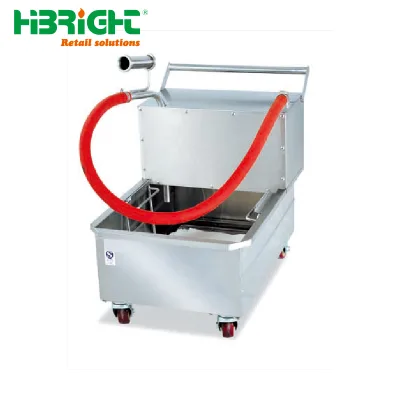
Commercial Oil Filter Filtering Machine Mobile Oil Filter Cart for Catering Use
$300.80 - $318.80
MOQ: 2 Minimum


2.25kw Mobile Oil Service Cart Clean Oil Filter Stainless Steel Oil Transfer Cart
$2000.00 - $5000.00
MOQ: 1 Pieces

Mobile Hydraulic Oil Transfer Cart 3000L/H High Precision Oil Filtration Cart
$1390.00 - $4600.00
MOQ: 1 Pieces

Mobile Transformer Oil Transfer Cart 50L/Min High Precision Oil Filtration Cart
$1390.00 - $4600.00
MOQ: 1 Pieces


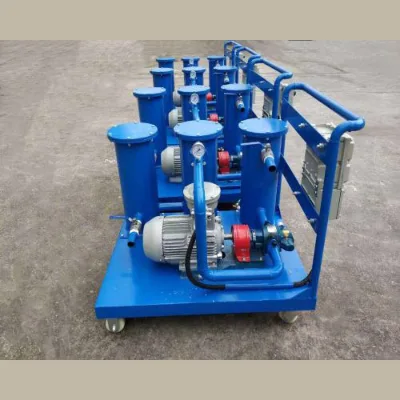
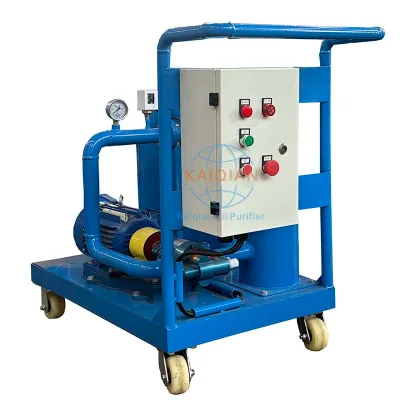


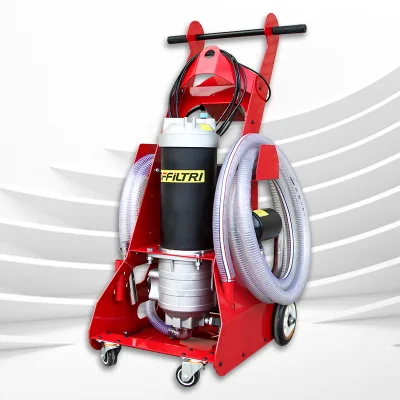
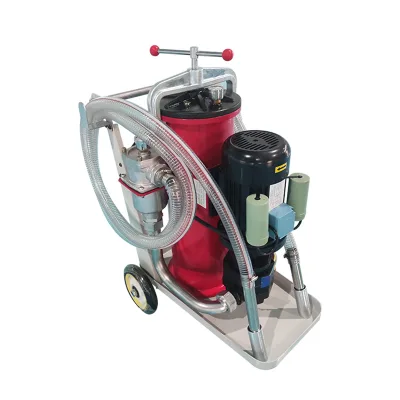
50L Capacity Coalescence Dehydration Offline Filter Cart for Turbine Oil
$573.48 - $614.44
MOQ: 1 pieces

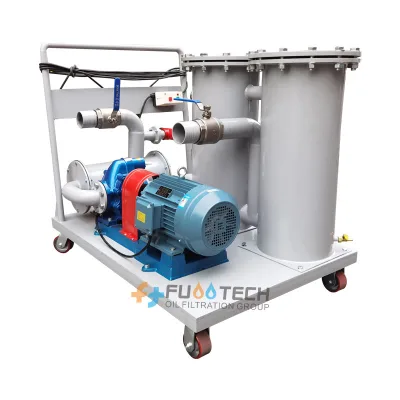
Portable Oil Filter Cart for Oil Filling, Pumping and Fine Filtration
$3000.00 - $9000.00
MOQ: 1 Pieces


Comprehensive Sourcing Guide
Mobile Electric Oil Filter Cart Sourcing Guide
Procuring a Mobile Electric Oil Filter Cart requires careful alignment of mechanical principles with your specific fluid handling needs. These units typically utilize pressure filtration or adsorption mechanisms to separate solid impurities from various oils, including waste oil, food oil, engine oil, and lubricants. The mobile structure allows for flexible deployment in commercial kitchens, restaurants, and industrial settings where space is limited but efficient oil management is critical. Buyers must distinguish between suction filters and return filters, as the application dictates the necessary flow rate and pressure ratings.
The observed market signals indicate a wide range of capabilities, from basic coarse filtration to fine purification with accuracies as low as 3 microns. Units are available in stainless steel 201 construction, offering durability against corrosion, though frame materials may vary, with carbon steel being a common option for structural support. Understanding the distinction between standard models and customizable options is essential, as many suppliers offer tailored solutions for specific viscosity ranges and flow requirements, ensuring the equipment integrates seamlessly into existing waste oil recovery or oil purification workflows.
Product Scope and Observed Listing Signals
The current market for mobile electric oil filter carts presents a diverse array of models, with observed prices ranging from $267 to $9,000 USD. This variance reflects differences in motor power, filtration accuracy, and material quality. Most listings indicate a minimum order quantity (MOQ) between 1 and 50 units, suggesting flexibility for both small-scale commercial buyers and larger industrial distributors. The single package size is commonly listed around 60x50x20 cm, with a gross weight of approximately 90 kg, which impacts shipping logistics and warehouse handling requirements significantly.
Brands such as Highbright are prominent in this space, offering products that emphasize efficient filtration and automatic performance features. The power source is predominantly electric, with voltage options including AC 220V, AC 380V three-phase, and 110-230V two-phase configurations. Buyers should note that while some units are non-customized, many suppliers explicitly state that customization is available, allowing for adjustments in size, filtration stages, and motor power to meet specific operational demands. This flexibility is crucial for businesses with unique oil processing volumes or spatial constraints.
Technical Specifications to Verify
When evaluating technical specifications, verify the motor power and flow rate to ensure they match your operational throughput. Common motor powers range from 0.37 kW to 5.5 kW, directly influencing the unit's ability to handle high-solid content oils or high-viscosity fluids. The rated flow rate typically spans from 32 to 200 liters per hour, so buyers must calculate their daily oil processing needs to avoid bottlenecks. Additionally, check the rated pressure, which is often around 0.6 MPa, and the original pressure loss, which should be minimal at ≤0.1 MPa to maintain energy efficiency.
Filtration accuracy is a critical differentiator, with options for coarse filtration (180, 120, 80 microns), clarification (5, 10, 20 microns), and fine filtration (3 microns). Ensure the recommended viscosity range, typically 10-160 cst, aligns with the oils you intend to filter. Also, confirm the filter exchange differential pressure, often set at 0.2 MPa, which indicates when the filter media needs replacement. Verify if the unit includes a timing device or if it operates automatically, as this affects maintenance schedules and labor requirements in your facility.
Compliance and Safety Documentation
Compliance with international standards is vital for ensuring the safety and reliability of the oil filter cart. Look for certifications such as CE and ISO 9001, which indicate adherence to European safety directives and quality management systems, respectively. These certifications provide assurance that the manufacturing processes and product design meet recognized benchmarks for electrical safety and mechanical integrity. Buyers should request copies of these certificates to verify their validity and ensure they cover the specific model being purchased.
Explosion-proof features may be optional but are crucial for environments where flammable vapors are present. Verify if the motor and electrical components are rated for hazardous areas if your application involves volatile oils or high-temperature processing. Additionally, confirm the material composition, particularly if stainless steel 201 is used, as it offers good corrosion resistance but may not be suitable for all chemical environments. Ensure that all electrical connections and wiring comply with local electrical codes to prevent hazards and ensure long-term operational safety.
Cost Drivers and Commercial Terms
Several factors influence the final cost of a Mobile Electric Oil Filter Cart, including motor power, filtration accuracy, and material quality. Higher motor powers and finer filtration accuracies generally command higher prices due to increased manufacturing complexity and component costs. The choice between stainless steel and carbon steel frames also affects pricing, with stainless steel offering superior durability at a premium. Buyers should consider the total cost of ownership, including energy consumption and filter replacement frequency, rather than just the initial purchase price.
Commercial terms such as MOQ, lead times, and shipping methods significantly impact procurement planning. While MOQs are often low, bulk purchases may offer discounts. Packaging is typically done in wooden cases or carton plus plywood wooden frames to protect the unit during transit. Verify the shipping weight and dimensions to calculate accurate freight costs. Additionally, clarify warranty terms and after-sales support availability, as these factors can reduce long-term operational risks and maintenance expenses for the buyer.
Supplier Qualification and Quality Control
Selecting a qualified supplier is essential for obtaining a reliable Mobile Electric Oil Filter Cart. Verify the supplier's production capabilities, including their factory location in Jiangsu, China, and their experience in manufacturing oil filtration equipment. Request references or case studies from previous clients to assess the supplier's reputation and product performance in real-world applications. A supplier with a strong track record is more likely to deliver consistent quality and timely support.
Implement a robust quality control process to ensure the received units meet your specifications. Conduct incoming inspections to verify material quality, electrical components, and filtration accuracy. Test the unit under load to confirm flow rates and pressure ratings. Establish clear communication channels with the supplier for addressing any defects or performance issues. Consider third-party inspection services for large orders to provide an independent assessment of product quality before shipment, reducing the risk of receiving non-conforming goods.
Long-Term Procurement Checks
Long-term procurement success depends on establishing a sustainable supply chain and maintaining product performance over time. Regularly review supplier performance metrics, including on-time delivery rates, product quality consistency, and responsiveness to issues. Build a relationship with the supplier to negotiate better terms and access to new product developments. Stay informed about industry trends and technological advancements in oil filtration to ensure your equipment remains competitive and efficient.
Monitor the operational performance of the filter carts in your facility, tracking metrics such as filter replacement frequency, energy consumption, and maintenance costs. Use this data to refine your procurement specifications and identify areas for improvement. Engage with the supplier for periodic maintenance checks and updates to ensure optimal performance. By proactively managing the procurement lifecycle, you can maximize the value of your investment and ensure continuous, efficient oil processing operations.
FAQs
What is the voltage requirement for this oil filter cart?
The device operates on AC 220V or AC 380V three-phase power. Some models support 110-230V two-phase configurations. Ensure your facility matches these electrical standards before installation to guarantee safe and efficient operation of the electric motor.
Which materials are used to construct the filter cart frame?
The main structure utilizes Stainless Steel 201 for the body and Carbon Steel for the frame. This combination ensures durability and resistance to corrosion. The design supports mobile usage in commercial kitchens and industrial settings requiring robust filtration equipment.
Can the product size be customized for specific needs?
Yes, custom sizes are accepted for this mobile oil filter cart. The standard single package measures 60 by 50 by 20 cm. Buyers can request tailored dimensions to fit specific operational spaces or integration requirements within their facility layout.
How does the filtration accuracy vary across different stages?
The system offers coarse filtration at 180, 120, and 80 microns, with fine filtration reaching 3 microns. Clarification accuracy ranges from 5 to 20 microns. This multi-stage approach effectively removes impurities from waste oil and food oil applications.
What certifications does the manufacturer hold for this equipment?
The product carries CE and ISO9001 certifications. These standards verify compliance with safety and quality management protocols. Buyers can rely on these documented credentials when sourcing electric oil filter carts for commercial kitchens or industrial waste oil processing.
What is the flow rate capacity of the suction filter?
The rated flow rate ranges from 32 to 200 liters per hour. This capacity supports efficient filtration for various oil types including engine, transformer, and cooking oils. The system maintains a rated pressure of 0.6 MPa during operation.
Is explosion-proof material available for hazardous environments?
Explosion-proof material is available as an optional feature for this unit. Standard models do not include this specific safety component. Buyers requiring enhanced safety for volatile environments should specify this requirement during the customization process to ensure compliance.