Source Hot Dip Galvanized Car Hauler for Cargo, Travel, and Transport
Find 30 Hot Dip Galvanized Car Hauler options with varying payloads and axle configurations. Compare specifications including dimensions, finishes, and certifications to select the right semi-trailer or car trailer for your logistics needs.
Key considerations
Products List


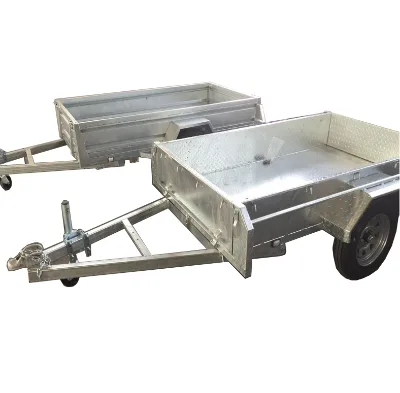


Semi Trailer Car Hauler Car Transport Semi-Trailer Car Carrier Trailer
$9000.00 - $20000.00
MOQ: 1 Pieces

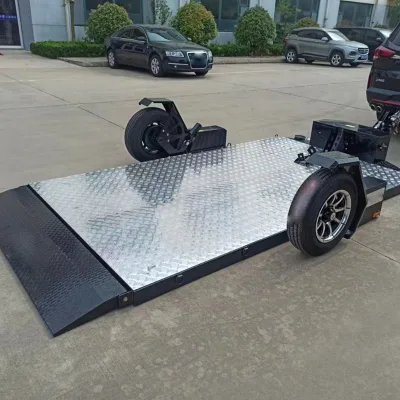
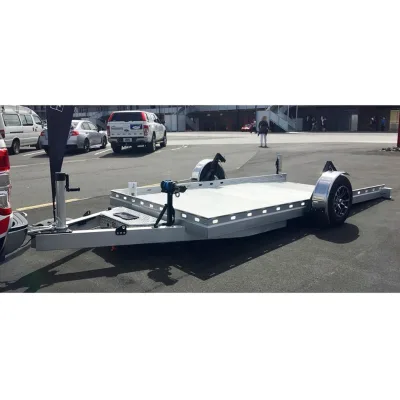
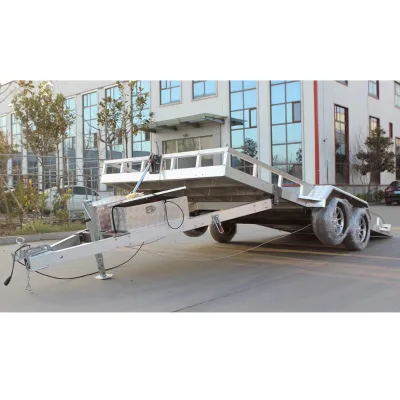


Comprehensive Sourcing Guide
Strategic Sourcing Guide for Hot Dip Galvanized Car Haulers
The global demand for specialized transport equipment has elevated the importance of the Hot Dip Galvanized Car Hauler in B2B logistics. These vehicles, designed specifically for the secure and efficient transport of automobiles, require a rigorous sourcing approach that balances technical performance with regulatory compliance. Buyers entering this market must navigate a complex landscape of specifications, certifications, and manufacturing standards. This guide provides a structured framework for evaluating potential suppliers and selecting the right equipment, grounded strictly in verified product attributes and industry best practices.
Technical Specifications and Structural Integrity
When evaluating a Hot Dip Galvanized Car Hauler, the primary focus must be on the structural design and load-bearing capabilities. The core product category identified in current market data is the "Hot dip galvanized car carrying railer double axle trailer." This specific configuration suggests a robust design intended for heavy-duty applications. The structural integrity is often defined by the axle configuration, which in observed listings includes double-axle setups. The payload capacity is a critical metric; verified data indicates a maximum payload of 2000kg for specific models, while other listings reference a loading weight of 3T. Buyers must verify these figures against their specific operational needs, as discrepancies in terminology (payload vs. loading weight) can lead to procurement errors.
The physical dimensions of the trailer are equally vital for compatibility with existing logistics infrastructure. Observed specifications list a size of 2700x1500x300mm for certain units, though this may represent a specific sub-component or a compact model rather than the full trailer footprint. For larger semi-trailers, the shape is typically flatbed, allowing for versatile loading of various vehicle types. The suspension system is another key technical differentiator. Data points to the use of a 3-leaf spring system, which provides a balance between durability and ride quality for heavy loads. Furthermore, the braking system is standardized as an air brake type, specifically noted as "Air Deflating," which is essential for maintaining control during transport. The presence of a jockey wheel is also a standard feature, facilitating easy maneuvering when the trailer is detached from the towing vehicle.
Surface Treatment and Corrosion Resistance
The defining characteristic of this product category is the "hot dip galvanized" finish. This process involves immersing the steel structure in molten zinc to create a metallurgical bond that offers superior protection against corrosion compared to standard painting or powder coating. While some listings mention a "powder coated" finish, the primary market segment for car haulers relies on hot dip galvanization to withstand harsh environmental conditions, including road salts and moisture exposure during transit. The surface finish is described as "Hot Dipped Galvanized" or "Surfacr: Hot Dipped Galvanized," confirming the method of application.
For buyers, the thickness of the zinc coating is often a hidden variable not explicitly stated in standard product descriptions. However, the choice of hot dip galvanization implies a commitment to longevity. In contrast, alternative finishes like powder coating may be used for aesthetic purposes or on non-structural components, but they do not offer the same level of sacrificial protection for the steel frame. The cage structure is another element of the design, with observed heights of 1000mm, providing necessary containment for the cargo. The combination of a galvanized frame and a high-sided cage ensures that vehicles remain secure during transport while the metal structure resists degradation over years of service.
Compliance, Certification, and Regulatory Standards
Navigating the regulatory landscape is a critical step in the procurement of commercial trailers. The market data reveals a mix of certifications, including CE, ISO, and DOT. The presence of "CE" and "ISO" certifications suggests compliance with European and international quality management standards, respectively. However, buyers must exercise caution, as some listings show "ISO/TS" alongside "Condition: New," which may indicate a specific technical specification rather than a standalone certification. The "DOT" certification is particularly relevant for operations in North America, indicating adherence to Department of Transportation safety standards.
It is important to note that standard listings often suggest consulting customer service for specific product standards, with references to configurations like "6x4 7x4 7x5 8x5 8x4" and "5x8 4x6." These numerical codes likely refer to axle configurations or wheelbase measurements rather than universal regulatory standards. Buyers should not assume that a listed product automatically meets the specific regulatory requirements of their destination country. Verification of the actual certification documents is mandatory. The origin of the products is primarily listed as China, with specific mentions of Zhejiang as a manufacturing hub. This geographic concentration implies a mature supply chain, but it also necessitates a thorough audit of the supplier's ability to provide valid, up-to-date certification documents for the specific batch of equipment being purchased.
Cost Drivers and Procurement Economics
The pricing for hot dip galvanized car haulers varies significantly based on specifications, with observed ranges spanning from $435 to $25,000. This wide disparity reflects the diversity of the product line, ranging from small, single-item units to large, heavy-duty semi-trailers. The minimum order quantity (MOQ) is another economic factor, with observed ranges between 1 and 40 units. This flexibility allows buyers to test the market with single units or secure bulk pricing for fleet expansions. The supply ability is noted as 300 sets per month, indicating that suppliers can generally accommodate moderate to large orders without significant delays, provided the lead time is negotiated.
Packaging and logistics costs are integral to the total cost of ownership. Products are typically shipped in containers or on steel pallets, with specific packaging details mentioning "Pallet for Hot dip galvanized car carrying railer double axle trailer." The port of dispatch is frequently identified as Qingdao port, a major shipping hub in China. Buyers must factor in the logistics costs associated with shipping from this location to their final destination. Additionally, the condition of the product is consistently listed as "New," which affects the initial capital expenditure. Customization is available, which can drive up costs but allows for tailored solutions. The selling units are often listed as "Single item," suggesting that the pricing model is per unit rather than per batch, though bulk discounts may be available upon negotiation.
Supplier Evaluation and Operational Capabilities
Selecting a reliable supplier requires a deep dive into their operational capabilities and product consistency. The brand names observed in the market include "Desing," though buyers should prioritize the supplier's manufacturing history over brand recognition. The product origin is consistently traced to China, with specific manufacturing centers in Zhejiang. This regional clustering suggests a specialized ecosystem for trailer production, but it also requires buyers to verify the specific factory's quality control processes.
Key evaluation criteria should include the supplier's ability to provide detailed technical drawings, proof of the hot dip galvanization process, and valid certification documents. The presence of a "Security Initiative Protection Device" is noted as "Without" in some listings, which is a critical detail for buyers requiring advanced security features. Similarly, the absence of ABS (Anti-lock Braking System) in some models must be confirmed before purchase, as this impacts safety compliance in many jurisdictions. The air brake type is listed as "Air Deflating," which is a specific mechanism that buyers must understand fully to ensure it meets their operational requirements.
Quality Control and Long-Term Maintenance
Ensuring the long-term reliability of the car hauler involves rigorous quality control measures. The "3 leaf spring" suspension and "double axle" configuration are standard features that contribute to stability, but their installation quality is paramount. Buyers should request evidence of load testing and stress analysis for the specific models they intend to purchase. The "Hot dip galvanized" finish is a major selling point for durability, but the quality of the zinc coating can vary. Inspecting the surface for uniformity and thickness is essential to prevent premature rusting.
Maintenance considerations should also be part of the procurement strategy. The "LED light" taillights are a modern feature that offers energy efficiency and longevity compared to traditional incandescent bulbs. The "Nosewheel Steering Mechanism" is listed as both "Wheel Steering" and "Axle Steering" in different contexts, indicating that buyers must clarify the specific steering configuration required for their towing vehicles. The "Dumping Direction" is specified as "Backward," and the structure is defined as "Non-dump Trailer," which simplifies the mechanical design but requires specific loading protocols.
Comparative Analysis of Product Attributes
To facilitate decision-making, buyers can compare key attributes across different product listings. The following table summarizes the observed variations in critical specifications:
| Attribute | Observation A | Observation B | Observation C |
|---|---|---|---|
| Certification | CE, ISO | ISO, DOT | ISO/TS |
| Finish | Hot Dip Galvanized | Powder Coated | Hot Dipped Galvanized |
| Max Payload | 2000kg | 3T (Loading Weight) | Not Specified |
| Axle Type | Double Axle | Double Axle | Not Specified |
| Brake System | Air Deflating | Air Deflating | Not Specified |
| Origin | China | Zhejiang China | Zhejiang |
| Customization | Available | Available | Available |
| Condition | New | New | New |
| ABS | Without ABS | Without ABS | Not Specified |
This comparison highlights the need for precise specification matching. While the core attributes of hot dip galvanization and new condition are consistent, variations in certification and payload capacity require careful verification. The absence of ABS in multiple listings is a significant finding that buyers must address, potentially requiring aftermarket modifications or specific model selection to meet safety regulations.
Final Procurement Considerations
The procurement of hot dip galvanized car haulers is a complex process that demands attention to detail. Buyers must move beyond surface-level marketing claims and verify technical specifications, certifications, and manufacturing capabilities. The wide range of prices and MOQs offers flexibility, but it also requires a disciplined approach to supplier evaluation. By focusing on the verified attributes of the product, such as the hot dip galvanization process, the double-axle structure, and the air brake system, buyers can make informed decisions that ensure safety, compliance, and long-term value. The market is active, with suppliers in China capable of meeting global demand, but the onus is on the buyer to conduct thorough due diligence to select the right equipment for their specific operational needs.
FAQs
What is the maximum payload capacity for this trailer?
The maximum payload capacity is 2000kg for specific models, while other listings reference a loading weight of 3T. Buyers must verify these figures against their operational needs as discrepancies in terminology can lead to procurement errors.
Which certifications are available for these trailers?
Available certifications include CE, ISO, and DOT depending on the specific model and destination requirements. Some listings also mention ISO/TS, but buyers should verify actual certification documents for the specific batch being purchased.
How is the surface treated for corrosion resistance?
The primary surface treatment is hot dip galvanized to create a metallurgical bond offering superior protection against corrosion. While some units may have a powder coated finish, the galvanized process is essential for resisting road salts and moisture.
Can I customize the trailer specifications?
Yes, customization is available for these trailers to meet specific operational requirements. Buyers should consult customer service for detailed technical drawings and proof of the galvanization process before finalizing any tailored solutions.
What is the origin and shipping port for these units?
The products originate from China, specifically from manufacturing hubs in Zhejiang, and are dispatched from Qingdao port. Buyers must factor in logistics costs associated with shipping from this major Chinese hub to their final destination.
Does this trailer come with an ABS braking system?
Many observed listings indicate the trailer is without an ABS braking system, though it features an air deflating brake type. Buyers must confirm the presence or absence of ABS to ensure compliance with safety regulations in their jurisdiction.
What is the minimum order quantity for purchase?
The minimum order quantity ranges from 1 to 40 units, allowing flexibility for testing the market or securing bulk pricing. This range accommodates both single-item purchases and larger fleet expansions without significant delays.