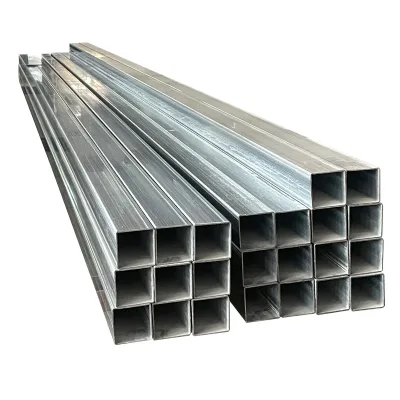
Source Hot Galvanized Fire Fighting Pipes for Construction, Oil, and Chemical
Find 30 listings for Hot Galvanized Fire Fighting Pipes suitable for pipeline transport, machinery, and chemical industries. Compare seamless and welded options in carbon steel and stainless steel, with customizable lengths and thicknesses to meet specific project requirements; compare the available evidence and request quotations based on your requirements.
Key considerations
Products List




Comprehensive Sourcing Guide
Hot Galvanized Fire Fighting Pipes Sourcing Guide
Procuring Hot Galvanized Fire Fighting Pipes requires a disciplined approach to material verification and surface integrity, as these components form the critical backbone of building safety infrastructure. Buyers must prioritize suppliers who can demonstrate consistent adherence to manufacturing standards, ensuring that the zinc coating provides adequate corrosion resistance for both indoor and outdoor installations. The selection process begins with a clear definition of project requirements, including pipe diameter, wall thickness, and pressure ratings, which directly influence the suitability of the steel grade and the galvanizing process.
This guide outlines the essential steps for evaluating suppliers, verifying technical specifications, and managing commercial risks associated with steel pipe procurement. By focusing on observable listing signals and rigorous quality control measures, procurement teams can mitigate the risk of receiving substandard materials that may fail during hydrostatic testing or long-term service. The following sections provide a structured framework for making informed sourcing decisions that align with safety codes and budgetary constraints.
Product Scope and Observed Listing Signals
Market listings for galvanized round pipes often reveal a wide variance in product attributes, ranging from seamless to welded constructions and various steel grades such as Q235, S275, and A53. Buyers should carefully examine the listed technique, noting that hot-rolled and ERW (Electric Resistance Welded) methods are common, while cold-drawn options may offer tighter tolerances for specific hydraulic or precision applications. The presence of customization options for length, thickness, and surface treatment indicates a supplier’s flexibility, but it also necessitates strict verification of the final product against the initial order specifications to avoid discrepancies.
Observed price ranges and minimum order quantities (MOQs) vary significantly, with some suppliers offering MOQs as low as one ton while others require larger commitments. It is crucial to distinguish between theoretical weight invoicing and actual weight, as this affects the final cost per unit and the total project budget. Additionally, the origin of the product, often cited as Shandong or Shijiazhuang in China, should be cross-referenced with the supplier’s actual manufacturing capabilities to ensure that the claimed production standards are met. Buyers must also verify if the pipes are oiled or non-oiled, as this impacts storage and installation requirements.
Technical Specifications to Verify
The technical integrity of fire fighting pipes hinges on precise dimensional accuracy and material composition, which must be verified against recognized standards such as ASTM, JIS, or GB/T 3091. Buyers should confirm the specific grade of steel, ensuring it meets the required mechanical properties for pressure containment and structural stability. The thickness range, typically observed between 0.8 mm and 14 mm, must be selected based on the system’s pressure rating and the specific fire protection design requirements. Tolerance levels, often cited around 5%, should be explicitly defined in the contract to prevent disputes over material quantity and performance.
Surface treatment is another critical technical parameter, with galvanization providing essential corrosion protection for steel pipes. Buyers must verify the quality and uniformity of the zinc coating, as inadequate galvanizing can lead to premature failure in humid or corrosive environments. The standard specifications for pipe dimensions, such as DN50, DN80, or DN100, must align with the system’s design drawings and local building codes. Additionally, the availability of customizable lengths, such as 6m or 12m, should be confirmed to minimize waste and simplify installation logistics on-site.
Compliance and Safety Documentation
Compliance with international and local safety standards is non-negotiable for fire fighting systems, requiring suppliers to provide comprehensive documentation that verifies product conformity. Buyers should request certificates of analysis and test reports that confirm the chemical composition and mechanical properties of the steel, ensuring they meet the specified grade requirements. Documentation should also include evidence of adherence to relevant standards, such as ASTM A53 or EN 10255, which govern the manufacturing and testing of steel pipes for structural and fluid conveyance purposes.
In addition to material certifications, buyers must ensure that the pipes meet fire safety regulations, which may include specific requirements for flame spread, smoke density, and structural integrity under fire conditions. Suppliers should be able to provide test results from accredited laboratories, demonstrating that the pipes have undergone rigorous hydrostatic and flattening tests. It is also important to verify that the packaging and labeling comply with shipping and handling regulations, ensuring that the pipes arrive at the project site in good condition and are easily identifiable for inspection.
Cost Drivers and Commercial Terms
The total cost of procuring Hot Galvanized Fire Fighting Pipes is influenced by several factors, including raw material prices, manufacturing complexity, and surface treatment quality. Buyers should analyze the cost breakdown to understand how variations in steel grade, wall thickness, and galvanizing thickness impact the final price. It is essential to clarify whether the quoted price includes transportation, insurance, and customs duties, as these can significantly affect the landed cost. Additionally, the payment terms, such as letters of credit or advance payments, should be negotiated to balance risk and cash flow requirements.
Delivery time is another critical commercial term, with lead times often ranging from 31 to 45 days depending on order volume and production schedules. Buyers should establish clear milestones for production and shipment to avoid delays that could impact project timelines. The packaging method, whether standard shipping packaging, sea transportation, or containerized, should be specified to ensure safe handling and prevent damage during transit. Furthermore, the availability of samples for quality verification should be confirmed, allowing buyers to assess the product before committing to large orders.
Supplier Qualification and Quality Control
Supplier qualification is a vital step in ensuring the reliability and consistency of the supplied fire fighting pipes. Buyers should conduct thorough due diligence on potential suppliers, verifying their manufacturing capabilities, quality management systems, and track record in the industry. It is advisable to request references from previous clients and to review any available certifications, such as ISO 9001, which indicate a commitment to quality standards. On-site audits or third-party inspections can provide additional assurance of the supplier’s ability to meet the specified requirements.
Quality control measures should be integrated into the procurement process, with clear criteria for acceptance and rejection of materials. Buyers should define the inspection points, including incoming material checks, in-process quality control, and final product inspection, to ensure that any defects are identified and addressed early. The use of standardized testing methods, such as hydrostatic testing and visual inspection, should be mandated to verify the integrity of the pipes. Additionally, suppliers should be required to provide detailed inspection reports for each batch, documenting the results of all tests and measurements.
Long-Term Procurement Checks
Long-term procurement success depends on establishing a robust framework for ongoing supplier performance evaluation and continuous improvement. Buyers should implement a system for tracking key performance indicators, such as delivery reliability, product quality, and responsiveness to issues, to identify trends and areas for improvement. Regular communication with suppliers is essential to address any emerging challenges and to ensure that both parties remain aligned on project goals and expectations. This proactive approach helps to build a resilient supply chain that can adapt to changing market conditions and project requirements.
It is also important to review and update procurement policies and specifications periodically to reflect changes in industry standards, technological advancements, and regulatory requirements. Buyers should stay informed about new developments in pipe manufacturing and galvanizing technologies that may offer improved performance or cost savings. By maintaining a focus on quality and compliance, and by fostering strong relationships with reliable suppliers, organizations can ensure the long-term integrity and safety of their fire fighting systems. This strategic approach minimizes risks and maximizes the value of the procurement investment.
FAQs
What are the common grades for Hot Galvanized Fire Fighting Pipes?
Common grades include Q235, Q235B, S275, S275jr, A53, St37, and carbon steel CS. These non-alloy materials are selected for their strength and compatibility with galvanized coatings. The specific grade depends on the required pressure rating and application environment, ensuring compliance with standards like ASTM or GB/T 3091 for reliable performance in fire protection systems.
Can Hot Galvanized Fire Fighting Pipes be customized for length and thickness?
Yes, customization is available for both length and thickness. Standard lengths are 6m and 12m, but customizable options exist to fit specific project requirements. Thickness ranges from 0.8mm to 10mm, allowing for precise engineering adjustments. This flexibility ensures that the pipes meet exact structural and hydraulic needs for various industrial and construction applications.
What is the typical lead time for ordering Hot Galvanized Fire Fighting Pipes?
The typical delivery time is 31-45 days after order confirmation. This timeframe accounts for production, galvanization, and standard shipping packaging preparation. Buyers should plan accordingly for logistics. Sample orders are accepted for quality verification before bulk production, helping to ensure the final product meets the specified standards and performance expectations for fire fighting systems.
How are Hot Galvanized Fire Fighting Pipes packaged for shipping?
Packing is customizable, with standard options including sea transportation, container loading, and packing by steel strips. Standard shipping packaging is also available to protect the galvanized surface during transit. Proper packaging prevents damage and corrosion, ensuring the pipes arrive in optimal condition. Buyers can specify their preferred method based on the shipping route and handling requirements.
What techniques are used to manufacture Hot Galvanized Fire Fighting Pipes?
Manufacturing techniques include hot rolled, cold drawn, and ERW processes. The pipes are available in seamless and welded types, with surface treatment involving galvanization for corrosion resistance. Processing services like welding, punching, cutting, and bending are also offered. These methods ensure the pipes meet diverse mechanical and structural requirements for pipeline transport and machinery industries.
What is the minimum order quantity for Hot Galvanized Fire Fighting Pipes?
The minimum order quantity is 1 ton. This low MOQ allows buyers to test quality or order smaller batches for specific projects. Samples are also accepted for evaluation before committing to larger volumes. This flexibility supports both large-scale industrial procurement and smaller construction needs, ensuring accessibility for various buyer sizes and project scopes.