Source Hotel Carpet Seam Iron for Hotels, Offices, and Homes
Find reliable Hotel Carpet Seam Iron options for commercial and residential use. Compare 30 products featuring ceramic soleplates, steam heating, and automatic shut-off from verified Chinese manufacturers. Evaluate specifications like power, size, and customization to select the right tool for your project.
Key considerations
Products List


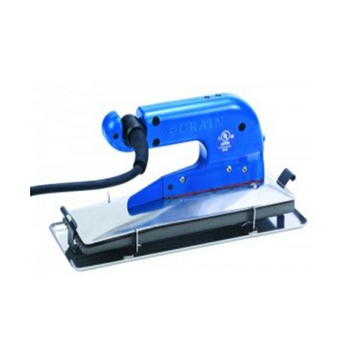
Tolhit 110V 120V 800W Household Appliance Heat Bond Electric Carpet Seaming Iron
$17.50 - $18.50
MOQ: 1000 Pieces




Comprehensive Sourcing Guide
Hotel Carpet Seam Iron Sourcing Guide
Procuring the correct equipment for hotel carpet maintenance requires a clear understanding of the distinct tool categories available in the market. The search for a "seam iron" often intersects with general textile care tools, leading buyers to encounter a wide variety of products that may not serve the specific purpose of joining carpet seams. It is essential to distinguish between steam irons used for garment pressing and specialized heating elements designed for carpet seam tape. The observed product landscape includes items ranging from standard corded electric irons to heavy-duty industrial tools, each with different thermal outputs and soleplate materials. Buyers must carefully evaluate whether a listed product is intended for delicate fabric smoothing or for the high-heat requirements of carpet installation and repair.
The diversity of listed items highlights the importance of precise keyword filtering during the sourcing process. Many suppliers list general-purpose irons with features like automatic shut-off and mechanical temperature control, which are critical for safety but may lack the specific design needed for carpet seam work. For instance, some listings describe mini-sized irons with ceramic soleplates, which are typically suited for home use or light commercial tasks rather than the robust demands of hotel flooring maintenance. Understanding these distinctions prevents the procurement of underpowered or incorrectly designed tools that could fail to melt seam tape effectively or damage the carpet fibers during the installation process.
Product Scope and Observed Listing Signals
The current market listings reveal a fragmented scope where general household appliances are often mixed with specialized industrial equipment. Buyers will frequently encounter electric irons described as corded with power outputs between 1000W and 1500W, or even exceeding 1500W, which indicates a range of heating capabilities. These power ratings are significant because carpet seam ironing requires sustained high heat to activate the adhesive on the seam tape without scorching the surrounding wool or synthetic fibers. The presence of features like automatic shut-off and mechanical temperature control suggests a focus on user safety and basic operational stability, which are baseline requirements for any heating tool used in a hospitality environment.
In addition to standard irons, the product scope extends to related textile care items such as wool rugs and tufted carpets, which may be listed alongside the tools. These items, often featuring anti-slip properties and modern designs, are typically the end products rather than the tools themselves. However, their presence in search results underscores the interconnected nature of the hotel furnishing supply chain. Buyers must navigate this noise by focusing on specific technical attributes, such as the material of the soleplate, which is often ceramic for even heat distribution, and the color of the device, which may be gray or silver/black. Recognizing these signals helps in filtering out irrelevant products and identifying those that genuinely contribute to the carpet maintenance workflow.
Technical Specifications to Verify
When evaluating potential tools, the physical dimensions and weight are critical factors that influence usability in tight hotel spaces. Standard iron dimensions often fall within ranges like 260x105x130mm or 285x118x145mm, providing a sense of the footprint and handle ergonomics. For carpet seam work, a compact design is often preferred to allow for precise maneuvering around furniture and along baseboards. The thickness of the heating tube and the type of heating element, such as steam heating or dry heat, also play a role in performance. Buyers should verify whether the tool offers consistent heat transfer across the entire soleplate, as cold spots can lead to weak seams that may fail under the heavy foot traffic typical of hotel lobbies and corridors.
The power rating and gear settings are equally important technical specifications to scrutinize. Listings may indicate power levels greater than 1500W, which is generally sufficient for industrial applications, or lower ranges that might be inadequate for thick carpet piles. Mechanical temperature control allows for manual adjustment, which is often preferred in professional settings for its reliability and simplicity compared to digital interfaces. Additionally, the material of the handle, such as aluminum, contributes to durability and heat resistance, ensuring that the operator can maintain a secure grip during extended use. Verifying these specifications against the specific requirements of the hotel’s carpet type ensures that the selected tool can handle the thermal load without compromising safety or performance.
Compliance and Safety Documentation
Safety certifications are non-negotiable when sourcing electrical heating equipment for commercial use. The presence of CE certification is a primary indicator that the product meets European health, safety, and environmental protection standards, which is often a baseline requirement for international suppliers. In some cases, additional certifications like RoHS may be listed, indicating compliance with restrictions on hazardous substances in electrical and electronic equipment. These certifications provide assurance that the materials used in the iron’s construction, including the soleplate and internal wiring, are safe for prolonged use in occupied spaces. Buyers should request copies of these certificates to verify their validity and ensure they cover the specific model being purchased.
Beyond certifications, the operational safety features of the iron must be thoroughly reviewed. Automatic shut-off is a critical feature that prevents overheating and potential fire hazards if the tool is accidentally left unattended. This is particularly important in hotel environments where maintenance staff may move between multiple rooms and tasks. The durability of the device is another key consideration, as commercial tools must withstand frequent use and potential drops. Buyers should also consider the packing method, such as carton or PP bag, which can impact the protection of the tool during shipping and storage. Ensuring that all safety and compliance documentation is complete before placing an order mitigates legal and operational risks.
Cost Drivers and Commercial Terms
The price range for these tools is highly variable, spanning from low-cost consumer models to expensive industrial-grade equipment. Observed listings show prices ranging from $0.2 to $20,000, reflecting the vast difference between simple household irons and specialized, heavy-duty commercial units. This wide range necessitates a clear definition of requirements to avoid overpaying for unnecessary features or underinvesting in inadequate tools. The cost is influenced by factors such as power output, material quality, and the presence of advanced safety features. Buyers should align their budget with the expected usage frequency and the severity of the tasks, recognizing that higher initial costs may be justified by longer lifespan and better performance in high-traffic hotel environments.
Minimum Order Quantities (MOQ) and packaging details also significantly impact the total cost of ownership. MOQs can range from single units to thousands, depending on the supplier’s production capacity and business model. For hotels, purchasing a small batch of tools for immediate use may be more practical than committing to a large order. The packaging type, whether carton or specialized protective bags, affects shipping costs and the risk of damage during transit. Buyers should negotiate terms that include clear shipping responsibilities and return policies, ensuring that any defects discovered upon arrival can be addressed without significant financial loss. Understanding these commercial terms helps in creating a realistic procurement plan that balances cost efficiency with operational needs.
Supplier Qualification and Quality Control
Selecting a reliable supplier is crucial for ensuring the long-term performance of the procurement. Suppliers originating from regions like Guangdong, China, often have established manufacturing capabilities for electrical appliances, but this does not guarantee consistent quality across all products. Buyers should verify the supplier’s production standards and quality control processes, looking for evidence of rigorous testing and inspection procedures. The mention of professional-level quality grades and specific standards like DIN, ANSI, or JIS can be indicators of a supplier’s commitment to international benchmarks. However, these claims should be validated through direct communication and, if possible, third-party audits or sample evaluations before committing to a large order.
Quality control should extend to the physical attributes of the product, such as the construction of the handle and the durability of the soleplate. Aluminum handles and ceramic soleplates are common features that suggest a focus on durability and heat distribution, but the actual execution can vary between batches. Buyers should request detailed product specifications and, if feasible, order samples to test the tool’s performance in real-world conditions. The ability to customize designs or sizes, as indicated by some listings, can also be a valuable service for hotels with specific branding or space constraints. Establishing a clear communication channel with the supplier for ongoing quality feedback ensures that any issues are addressed promptly and that future orders meet the expected standards.
Long-Term Procurement Checks
Sustaining a successful procurement strategy requires regular review of the tools’ performance and the supplier’s reliability. Over time, the wear and tear on heating elements and soleplates can affect the quality of the carpet seams, necessitating periodic inspections and potential replacements. Buyers should establish a maintenance schedule that includes cleaning the soleplate and checking for any signs of damage or malfunction. The availability of spare parts and technical support from the supplier is also a key factor in long-term satisfaction. Ensuring that the supplier can provide timely assistance for repairs or replacements minimizes downtime and maintains the high standards of hotel maintenance.
Additionally, staying informed about advancements in carpet care technology can provide opportunities for upgrading tools and improving efficiency. As new materials and designs emerge, such as improved anti-slip features or more energy-efficient heating elements, buyers should evaluate whether these innovations offer tangible benefits for their specific needs. The ability to customize tools, such as adjusting sizes or shapes, can also enhance the versatility of the procurement portfolio. By maintaining a proactive approach to supplier management and technology adoption, hotels can ensure that their carpet maintenance operations remain effective, safe, and cost-efficient in the long run.
FAQs
What certifications are available for hotel carpet seam irons?
CE certification is available for these ironing tools. Some models also include RoHS certification to ensure compliance with environmental standards. Buyers should verify specific product pages for the exact certification status of the AL558 or AL559 models before placing orders.
Can I customize the design and size of hotel carpets?
Yes, customization is available for hotel carpets. Buyers can request any design, size, and shape to suit specific interior requirements. The carpets are tufted or hand-made from wool, offering anti-slip features and modern aesthetics suitable for hotels, prayer rooms, and commercial spaces.
What is the power range for corded electric irons?
The electric irons feature power ratings greater than 1000W up to 1500W, with some models exceeding 1500W. These corded irons include automatic shut-off and mechanical temperature control. They are designed for durability and efficient steam heating, making them suitable for professional carpet seam ironing tasks.
Which materials are used for the iron soleplates and handles?
The iron soleplates are made of ceramic for smooth gliding and heat distribution. The handles are constructed from aluminum for durability and heat resistance. These materials ensure the tools withstand frequent use in commercial environments while maintaining safety and performance during the carpet seam ironing process.
What are the standard dimensions for the hotel carpet products?
Standard carpet dimensions include 200x300cm, with customized sizes available upon request. The iron models have specific standard sizes, such as 260x105x130mm for the AL558 and 285x118x145mm for the AL559. These dimensions help buyers plan storage and logistics efficiently for both tools and finished carpet products.
How are the hotel carpets packed for shipping?
Hotel carpets are typically packed in PP bags to protect the wool material during transit. The ironing tools are packed in carton packages. This packaging ensures the products remain clean and undamaged. Buyers should confirm packing details with suppliers to ensure compliance with specific shipping requirements and destination regulations.