Source Manual Resin Metal Glass Handlers for Doors, Windows, and Cabinets
Find and compare 30 Manual Resin Metal Glass Handler options for doors, windows, and cabinets. Evaluate specifications like lifting capacity, material, and installation type to select the right hardware for your project.
Key considerations
Products List


Furniture Hardware Shower Room Glass Door Handle Metal Recessed Cabinet Handle
$0.10 - $0.50
MOQ: 2000 Pieces




Comprehensive Sourcing Guide
Manual Resin Metal Glass Handler Sourcing Guide
The Manual Resin Metal Glass Handler market presents a diverse array of hardware solutions, primarily centered on door handles and lifting mechanisms designed for glass applications. Based on observed listings, these products range from specialized bull-head styles to modern tubular designs, often constructed from aluminum alloy or stainless steel to ensure durability against frequent manual operation. Buyers must distinguish between units intended for surface installation and those requiring specific mounting configurations, as the operational context dictates the necessary mechanical strength and aesthetic finish.
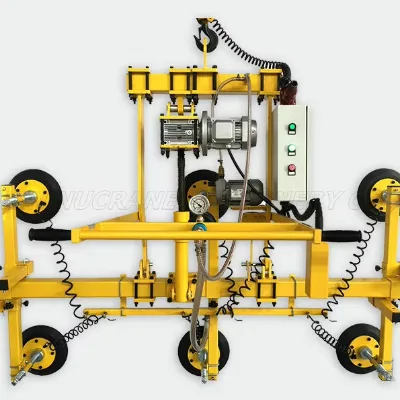
Procurement decisions for these handlers require a careful balance between functional requirements and aesthetic compatibility, particularly when sourcing from regions like China where customization is frequently available. The observed product data indicates a wide spectrum of models, from the VGT-200M-1 with a 200kg lifting capacity to various glass door handles with specific dimensions like 300mm cup diameters or 450mm lengths. Understanding these distinct variations is critical, as a single specification does not apply to the entire category, and buyers must align their specific project needs with the exact attributes of the listed inventory.
Product Scope and Observed Listing Signals
The product scope for manual resin metal glass handlers encompasses a variety of functional types, including pullers, single-type handles, and specialized bull-head configurations. Listings reveal that these items are often categorized by their shape, such as strip-type or tubular, and their intended usage, which is predominantly for doors. The material composition varies significantly, with stainless steel and aluminum alloy being the primary choices, each offering different benefits regarding corrosion resistance and weight. Buyers should note that while some models feature a "Best" tire classification, this likely refers to specific component quality rather than a universal standard for all listed items.
Listing signals indicate a high degree of variability in packaging and finishing, which directly impacts logistics and final installation aesthetics. Observed data shows products arriving in wooden pallets, white boxes, or color box packing, with surface treatments ranging from paint and brushed finishes to mirror-polished surfaces. The color options are not limited, with white and silver being common, but the availability of these finishes depends on the specific model and customization status. Procurement teams must verify whether a product is customized or non-customized, as this distinction affects lead times and the ability to meet specific design requirements for a project.
Technical Specifications to Verify
Technical verification begins with precise dimensional analysis, as the observed listings provide specific measurements that must match the buyer's installation constraints. For instance, certain models specify a tube diameter of 25x25mm or a standard size of 60x11.5mm, while others offer a 350mm standard length or a 29x228mm profile. The height of the handle, such as the 60mm observation, and the diameter of cups, noted at 300mm, are critical parameters that determine compatibility with existing door frames and glass thicknesses. Buyers must cross-reference these exact figures against their architectural drawings to avoid fitment issues during the installation phase.
Beyond dimensions, the mechanical properties and functional attributes of the handler must be rigorously checked to ensure operational safety and longevity. The maximum lifting capacity of 200kg is a significant specification for heavy-duty applications, yet it applies only to specific models like the VGT-200M-1 and cannot be assumed for lighter glass door handles. Additionally, the presence or absence of a lock, the type of installation such as surface mounting, and the specific function like a puller mechanism are essential details that define the product's utility. Verification of the model number, such as GH056, LED8006, or AH-001, is necessary to confirm that the technical data sheet aligns with the physical unit being sourced.
Compliance and Safety Documentation
Compliance and safety documentation for manual resin metal glass handlers should focus on verifying the structural integrity and material safety standards relevant to the specific application. While general industry knowledge suggests adherence to quality benchmarks, the supplied facts do not confirm specific certification statuses like ISO 13485 for these hardware items. Instead, buyers should request material certificates that confirm the composition of the aluminum alloy or stainless steel used, ensuring they meet the required load-bearing and corrosion-resistance criteria for the intended environment.
Safety verification also extends to the surface treatment processes, which can affect both the durability and the user experience of the handle. The observed treatments include painting, brushing, and mirror-polishing, each of which requires validation to ensure the finish is secure and does not degrade under normal manual use. Buyers must confirm that the surface treatment process does not introduce hazardous substances and that the final product meets local safety regulations regarding sharp edges or structural failure points. Without explicit certification data in the listings, the burden of proof lies with the supplier to demonstrate that the product meets the necessary safety thresholds for public or commercial use.
Cost Drivers and Commercial Terms
Cost drivers for manual resin metal glass handlers are heavily influenced by the material selection, customization level, and the complexity of the surface treatment. Stainless steel models often command different pricing structures compared to aluminum alloy variants due to raw material costs and processing requirements. Furthermore, the availability of customization, which is noted as an option in the supply chain, introduces variable costs that depend on the extent of the modification required, such as specific dimensions or unique finishes. Buyers should anticipate that non-customized, standard models may offer more competitive pricing but less flexibility in meeting specific design needs.
Commercial terms, including minimum order quantities (MOQ) and delivery lead times, vary significantly across the observed product range and must be negotiated based on the specific model selected. The data indicates MOQs ranging from 100 pieces to 500 pieces, with some listings suggesting a range up to 2000 units, which can impact the total cost of ownership for smaller projects. Delivery times are also a critical factor, with observed lead times extending to 30 working days for certain items, necessitating careful planning to avoid project delays. Understanding these commercial constraints is essential for budgeting and scheduling, as the price range of 0.01 to 12000 USD reflects the vast difference between simple components and complex, high-capacity units.
Supplier Qualification and Quality Control
Supplier qualification for this category requires a thorough assessment of their manufacturing capabilities and their ability to maintain consistent quality across different product lines. The presence of customization options suggests that suppliers have flexible production lines, but buyers must verify that these capabilities do not compromise the structural integrity of the final product. Quality control processes should be scrutinized to ensure that surface treatments like brushing or mirror-polishing are applied uniformly and that the material specifications, such as the 25x25mm tube diameter, are strictly adhered to during production.
Quality control checks should also include a review of the packaging and shipping protocols to prevent damage during transit, as the observed packaging methods range from wooden pallets to color boxes. The "Good Quality" advantage noted in some listings is a subjective claim that must be substantiated through sample testing and historical performance data. Buyers should request evidence of consistent output, such as batch testing records or quality assurance reports, to confirm that the supplier can deliver products that meet the specified technical requirements without defects. This due diligence is crucial for mitigating the risk of receiving substandard hardware that could fail during installation or use.
Long-Term Procurement Checks
Long-term procurement checks for manual resin metal glass handlers involve establishing a framework for ongoing quality assurance and performance monitoring. Buyers should implement a system for periodic sampling and testing of incoming shipments to ensure that the material properties and surface treatments remain consistent over time. This is particularly important for products used in high-traffic areas where the durability of the handle and the stability of the mounting mechanism are critical for safety and user satisfaction. Regular audits of the supplier's production processes can help identify potential issues before they result in large-scale defects or recalls.
Sustainability and supply chain resilience are also key considerations for long-term procurement strategies in this sector. Buyers should evaluate the supplier's ability to maintain a steady supply of raw materials, such as aluminum alloy and stainless steel, and their capacity to adapt to changing market conditions. The observed lead times and MOQs suggest that supply chain disruptions could impact project timelines, so developing contingency plans and maintaining strong relationships with multiple suppliers may be necessary. By focusing on these long-term factors, buyers can ensure a reliable supply of high-quality manual resin metal glass handlers that meet their operational needs for years to come.
FAQs
What is the maximum lifting capacity of the manual handler?
The maximum lifting capacity is 200kg for the specific model VGT-200M-1. This capacity ensures safe handling of heavy glass doors during installation or transport operations.
Can I customize the Manual Resin Metal Glass Handler?
Customization is available for certain models like the glass door handle with European Antique Style. Buyers should verify specific customization options with the manufacturer before placing an order.
What material is used for the manual glass door handle?
The product is constructed from Aluminum Alloy or Stainless Steel depending on the specific model. These materials provide durability and resistance to corrosion for long-term use in various environments.
How long is the delivery time for the manual handler?
The standard delivery time is 30 working days for orders placed. This lead time applies to the specific model GH056 and may vary based on order volume and customization requirements.
What is the minimum order quantity for the glass door handle?
The minimum order quantity varies by model, ranging from 100 PCS to 500 PCS. Buyers must check the specific MOQ for models like AH-001 or GH049 before initiating a purchase.
Which surface treatment is applied to the manual glass handle?
Surface treatments include Paint, Brushed, or Mirror-polished finishes depending on the selected model. These treatments enhance the aesthetic appeal and protect the metal from environmental wear.
Where is the Manual Resin Metal Glass Handler manufactured?
The products originate from China as indicated in the product specifications. This location influences shipping logistics and potential lead times for international buyers sourcing these items.