Source Manual Nylon Hoisting Tackle for Cranes, Mines, and Construction
Explore 30 verified listings for Manual Nylon Hoisting Tackle suitable for lifting platforms, mines, and various crane types. Buyers can compare rated loads, sheave configurations, and material options like stainless steel or alloy steel to find the right equipment.
Key considerations
Products List


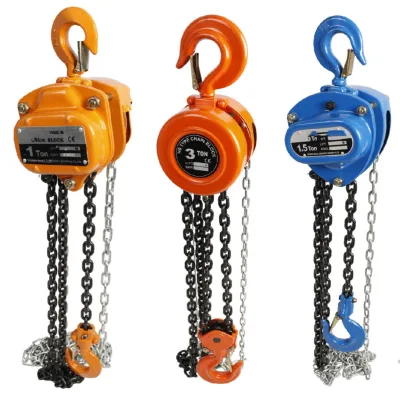


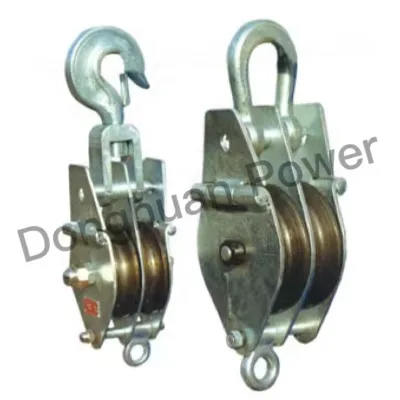
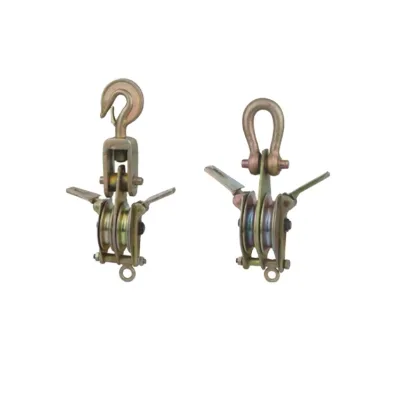
Comprehensive Sourcing Guide
Strategic Sourcing Guide for Manual Nylon Hoisting Tackle
Understanding Technical Specifications and Material Composition
When sourcing Manual Nylon Hoisting Tackle, buyers must first establish a clear understanding of the technical parameters that define the product's utility and safety. The core keyword implies a specific configuration where the lifting mechanism relies on manual operation rather than electric or hydraulic power. Based on observed market data, these units are frequently categorized under product names such as "Hoisting Tackle" or "Cable Puller with Traversing Wire Rope." The material composition is a critical differentiator; while some units are constructed from stainless steel or alloy steel to resist corrosion in harsh environments, others utilize an aluminium or steel combination to balance weight and strength. The specific mention of "nylon" in the search query suggests a focus on the rope or sheave material, which offers advantages in terms of flexibility and reduced wear on the cable compared to pure metal alternatives.
The physical specifications of these tackle units vary significantly based on the intended load. The rated load for observed models ranges from 10 kN to 150 kN, with some heavy-duty variants extending up to 200 kN. This translates to a product load range of approximately 0.5 tons to 20 tons. The number of sheaves, which determines the mechanical advantage and the complexity of the pulley system, is typically observed as 1, 1 to 3, or 1 to 4 sheaves. The maximum rope diameter is another vital specification, with observed ranges spanning from 5.7 mm to 18.5 mm. Buyers must verify that the rope diameter of their specific application matches the sheave groove dimensions of the selected tackle to prevent slippage or excessive wear. Furthermore, the weight of the unit itself is a logistical consideration, with observed weights ranging from 1.8 kg to 13.9 kg depending on the capacity and sheave count.
Compliance and Certification Verification
In the industrial procurement of lifting equipment, compliance with international standards is non-negotiable. The safety factor for these manual hoisting systems is typically designed to be 4:1, ensuring a robust margin against failure under dynamic loads. When evaluating potential suppliers, buyers should prioritize those who can demonstrate adherence to recognized quality management systems. The most frequently observed certification in the current market data is ISO 9001, often paired with CE marking. This combination indicates that the manufacturer has a certified quality management system and that the product meets European health, safety, and environmental protection standards.
It is important to note that certification details can vary by product line. Some listings specify "ISO 9001:CE," while others might include specific condition descriptors such as "Condition: New" or "Chain Falls: Condition: New." Buyers must verify that the certification applies to the specific model number being purchased, as certifications are often tied to the manufacturing process of a specific product line rather than the entire company portfolio. The standard "QHN" or "QH" appears in product specifications, serving as a model identifier that may correlate with specific design standards. However, buyers should not assume that a model number alone guarantees compliance; explicit documentation of the certification status for the specific batch or model is required. The origin of these products is predominantly China, with specific manufacturing hubs noted in Ningbo, which is a major center for hardware and lifting equipment production.
Cost Drivers and Pricing Structures
The pricing of Manual Nylon Hoisting Tackle is influenced by a complex interplay of factors, including material costs, mechanical complexity, and certification status. The observed price range in the market is substantial, spanning from 5 USD to 1000 USD. This wide variance is not indicative of a single product type but rather reflects the diversity in capacity, material, and configuration. A basic single-sheave unit made of standard steel will occupy the lower end of this spectrum, while a multi-sheave, high-capacity unit constructed from stainless steel or alloy steel with advanced surface treatments will command a premium price.
Material selection is a primary cost driver. Stainless steel and alloy steel are more expensive than standard carbon steel due to their superior corrosion resistance and tensile strength. The surface treatment process also impacts cost; options such as oxygenation or specific color coatings (yellow, silver) add value and expense. Additionally, the packaging method influences the final landed cost. While some units are shipped in standard carton boxes, heavier or more delicate models require plywood cases or wooden cases to ensure safe transit. The minimum order quantity (MOQ) is another factor affecting unit economics, with observed ranges between 1 and 20 units. Buyers purchasing at the lower end of the MOQ may face higher per-unit costs, whereas bulk orders can leverage economies of scale. Customization availability is a significant variable; if a buyer requires specific modifications to the model, such as a unique rope diameter or a custom sheave count, this will inevitably increase the cost and potentially the lead time.
Typical Applications and Operational Context
Manual Nylon Hoisting Tackle is designed for a wide array of industrial and construction applications where precision and portability are essential. The observed application data indicates versatility across heavy machinery and infrastructure projects. These units are commonly deployed on lifting platforms, small cranes, single grinder cranes, tower cranes, bridge cranes, gantry cranes, and double beam cranes. The specific "Sling Type" observed includes both chain and wire rope configurations, allowing the tackle to be integrated into existing rigging systems.
The operational environment is another critical consideration. The usage data highlights applications in mines, construction sites, and cargo hoisting facilities. In these environments, the manual nature of the operation provides a distinct advantage: the ability to operate without a power source, making these tools ideal for remote locations or emergency situations where electricity is unavailable. The lift speed for these units is observed to be greater than 8 meters per minute, which is sufficient for most manual positioning tasks. The maximum lifting height is typically capped at 20 meters, which defines the vertical reach of the system. Buyers must ensure that the specific application does not require continuous high-speed lifting, as manual operation is inherently slower and more labor-intensive than powered alternatives. The "Type" of the product, often identified as a "Lever Hoist" or "Hook and Closed Lifting Pulley," dictates the method of operation, requiring the user to pull a lever or handle to engage the ratchet mechanism.
Supplier Evaluation and Origin Considerations
Evaluating suppliers for manual hoisting tackle requires a rigorous assessment of their manufacturing capabilities and logistical reliability. The primary origin for these products is China, with Ningbo identified as a specific production hub. When assessing a supplier, buyers should verify the consistency of their product model numbers, such as "QHN," "Qh1X1," or "JH-1600," against their claimed specifications. A reliable supplier will provide clear documentation linking the model number to the specific technical attributes, such as the rated load and maximum rope diameter.
The availability of customization is a key indicator of a supplier's flexibility. The market data confirms that customization is available for these products, allowing buyers to tailor the tackle to specific project requirements. However, buyers must clarify the scope of this customization, including whether it extends to the material, the number of sheaves, or the surface treatment. The "Surface Treatment" process, such as oxygenation, is a specific manufacturing step that can affect the longevity of the product in corrosive environments. Buyers should request details on the specific treatment process used for their order to ensure it meets the environmental demands of the application site. Furthermore, the "Product Packing" method, whether carton box, plywood case, or wooden case, should be verified to ensure it aligns with the shipping requirements and the fragility of the equipment.
Quality Control and Long-Term Procurement
Quality control in the manufacturing of manual hoisting tackle is paramount due to the inherent risks associated with lifting heavy loads. The safety factor of 4:1 is a baseline standard, but buyers must verify that this factor is maintained throughout the production process. Regular inspections of the sheaves, hooks, and locking mechanisms are essential to ensure that the mechanical integrity is not compromised. The "Product Load Range" of 0.5t to 20t requires that each unit undergoes rigorous testing to confirm it can handle the rated load without deformation or failure.
For long-term procurement, buyers should consider the maintenance requirements of the equipment. The material choice, such as stainless steel or alloy steel, plays a significant role in the maintenance schedule. Units used in marine or mining environments may require more frequent inspection and lubrication to prevent corrosion and wear. The "Lift Speed" and "Maximum Lifting Height" are operational limits that should not be exceeded, as doing so can lead to premature failure of the ratchet or rope system. Buyers should also evaluate the supplier's after-sales support, including the availability of spare parts such as replacement ropes or sheaves. The "Standard" designation, whether it is a specific model code like "QHN" or a dimension-based standard like "211715," should be clearly documented in the purchase agreement to ensure that the delivered product matches the ordered specifications. By focusing on these quality control measures and long-term considerations, buyers can ensure a reliable and safe procurement process for Manual Nylon Hoisting Tackle.
Comparative Analysis of Product Configurations
To assist buyers in making informed decisions, the following table summarizes the key variations observed in the market for manual hoisting tackle. This comparison highlights the differences in specifications, materials, and certifications that influence the selection process.
| Feature | Configuration A | Configuration B | Configuration C |
|---|---|---|---|
| Product Name | Hoisting Tackle | Cable Puller | Lever Hoist |
| Material | Stainless Steel | Alloy Steel | Aluminium/Steel |
| Rated Load | 10-150 kN | 10-100 kN | 10-200 kN |
| Sheave Count | 1-3 | 1 | 1-4 |
| Max Rope Diameter | 5.7-18.5 mm | N/A | N/A |
| Certification | ISO 9001:CE | ISO 9001 | CE, ISO9001 |
| Packing | Carton Box | Plywood Case | Wooden Cases |
| Origin | China | Ningbo, China | China |
| Model Code | QHN | Qh1X1 | JH-1600 |
This table illustrates that while the core function remains consistent, the specific configuration of the tackle varies significantly. Buyers must align their specific operational needs with these configurations to ensure optimal performance and safety. The variation in material and sheave count directly impacts the weight and capacity of the unit, while the certification and packing details reflect the intended market and shipping requirements. By carefully reviewing these attributes, buyers can select the most appropriate Manual Nylon Hoisting Tackle for their specific procurement needs.
FAQs
What is the rated load range for Manual Nylon Hoisting Tackle?
The rated load ranges from 10 to 150 kN, with some heavy-duty models reaching up to 200 kN. This capacity translates to a product load range of approximately 0.5 tons to 20 tons depending on the specific configuration and sheave count selected for the application.
Which materials are used for manufacturing these hoisting tackles?
These units are primarily constructed from stainless steel or alloy steel to ensure durability and corrosion resistance. Some variants also utilize an aluminium and steel combination to balance weight and strength for specific lifting platform or crane applications.
Can I find customization options for the number of sheaves?
Yes, customization is available for specific model requirements including the number of sheaves. The standard configurations typically offer 1, 1 to 3, or 1 to 4 sheaves, allowing buyers to tailor the mechanical advantage to their specific lifting needs.
What certifications do the suppliers typically provide for these products?
Most suppliers provide ISO 9001 certification often paired with CE marking to ensure safety compliance. Buyers should verify that the specific model, such as QHN or QH, carries the valid certification documentation for the manufacturing batch being purchased.
How does the packaging vary for different hoisting tackle models?
Packaging options include carton boxes, plywood cases, or wooden cases depending on the unit weight and fragility. Heavier models with higher rated loads usually require wooden or plywood cases to ensure safe transit during international shipping.
What is the maximum rope diameter supported by these tackles?
The maximum rope diameter supported ranges from 5.7 mm to 18.5 mm across different models. Buyers must verify that the rope diameter matches the sheave groove dimensions to prevent slippage or excessive wear during operation.
Where are these manual hoisting tackles typically manufactured?
The products are predominantly manufactured in China, with specific production hubs located in Ningbo. This region is a major center for hardware and lifting equipment production, offering a wide range of suppliers for this specific product category.