Source HRC65 Split Point Screw Extractor for Damaged Screws, Rusted Bolts, and Broken Fasteners
Find 30 verified listings for the HRC65 Split Point Screw Extractor designed to remove damaged screws, rusted bolts, and broken fasteners. Compare specifications from suppliers in Qingdao, Shanghai, and Jiangsu to find the right tool for your metal drilling and extraction needs.
Key considerations
Products List


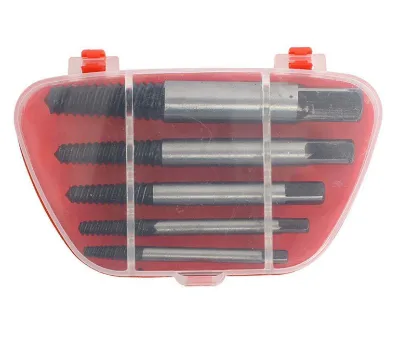
Round Shank Straight Flute Screw Extractor for Remove Corruption Bolt and Pipe
$1.50 - $5.00
MOQ: 500 Pieces


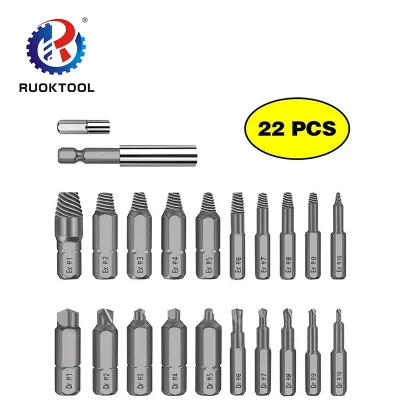
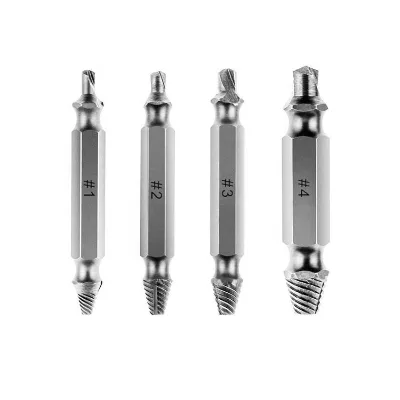


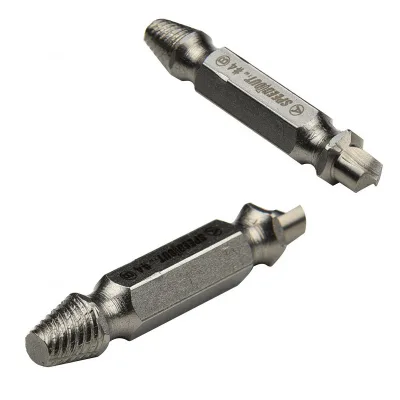
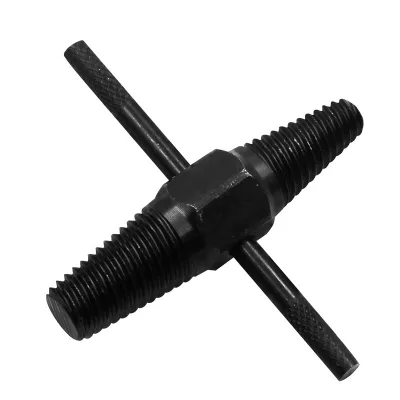

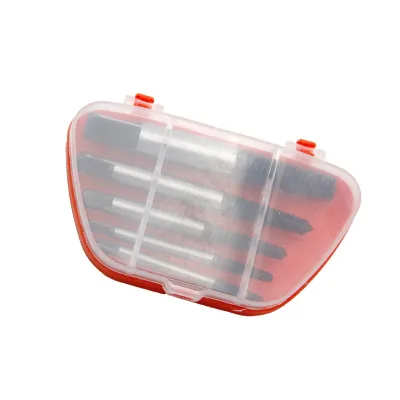
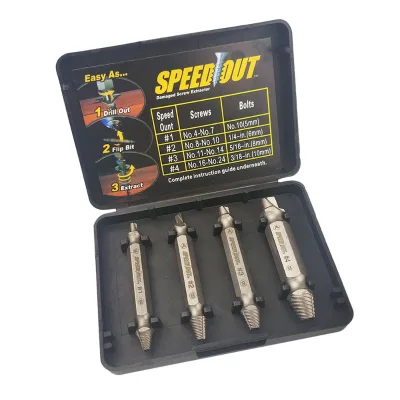
$1.00 - $10.00
MOQ: 1000 Pieces


Comprehensive Sourcing Guide
Strategic Sourcing Guide for HRC65 Split Point Screw Extractors
Understanding Technical Specifications and Material Composition
When sourcing HRC65 split point screw extractors, the primary focus must be on the material composition and hardness ratings that define the tool's efficacy. The core requirement for this specific tool type is a high hardness rating, typically reaching HRC65, which ensures the extractor can penetrate seized or rusted fasteners without deforming. Based on the available product data, the raw materials commonly utilized for these high-performance tools include High Speed Steel (HSS), Carbon Steel, and Alloy Steel. The selection of HSS is particularly critical for applications requiring high heat resistance and durability during the extraction process, as it maintains its cutting edge under the friction generated by stuck screws.
The "split point" feature is a defining technical characteristic that differentiates these extractors from standard twist drills or older extractor designs. This geometry allows the tool to self-center upon contact with the workpiece, reducing the likelihood of the drill bit wandering or damaging the surrounding material. In the context of the supplied product attributes, the flute type is a significant variable. Buyers should verify whether the specific unit features a "Straight Flute" or a "Spiral Flute" design. Spiral flutes, particularly the "Spiral Left Hand Flute" noted in the data, are often preferred for extraction tasks as they facilitate the removal of metal chips and debris from the hole, preventing clogging that could lead to tool breakage. The standard flute configurations observed include straight fluting for taps and spiral fluting for extractors, indicating that the specific application dictates the optimal geometry.
Furthermore, the physical dimensions and standardization of the tool are essential for compatibility. The product data references various standards, including "Metric, British, American," and specific model numbers such as "5070100x," "7611-2002," and "PFT035." These identifiers suggest that the market offers a wide range of sizes, from small #0 to #4 specifications, to accommodate different screw diameters. Buyers must ensure that the selected extractor matches the thread size of the damaged screw. The "prod_standard" attribute also lists ranges like "1-10MM" and "10cm," which likely refer to the diameter or length of the tool. It is imperative to cross-reference these numerical values with the specific requirements of the damaged fastener to ensure a proper fit. The "Taper-length" specification further indicates that some models are designed with a tapered geometry to assist in gripping the internal threads of the broken screw more effectively.
Compliance, Certification, and Standard Verification
In the B2B procurement of precision tools like screw extractors, verifying compliance with international and industry standards is a non-negotiable step. While the provided data mentions "Standard" as a generic attribute and lists specific regional standards like "Metric, British, American," it does not explicitly confirm third-party certifications such as ISO 9001 or specific safety compliance marks. Therefore, buyers must treat the "Standard" attribute as a baseline and actively request documentation from suppliers to confirm adherence to recognized engineering standards. The absence of explicit certification data in the general product listings necessitates a rigorous due diligence process where the buyer asks for proof of material testing and quality assurance protocols.
The "Standard" attribute in the data also includes references to "10 pcs set," which implies that compliance may extend to packaging and set completeness rather than just the individual tool's metallurgy. When evaluating a supplier, procurement teams should verify if the "Standard" designation aligns with the specific international standard required for their industry, such as DIN for German metric standards or ANSI for American standards. The data indicates that the "Standard" can be "According to Requirement," which suggests a high degree of customization. In this scenario, the buyer must clearly define the required standard in the purchase order and ensure the supplier's production process is capable of meeting that specific definition.
Additionally, the "Condition" of the product is listed as "New," which is a basic but essential compliance check to ensure that the tools are not refurbished or used inventory. The "Surface Finishing" options, including "Sandblasted," "Black," "White," and "Gray," also play a role in compliance, particularly for corrosion resistance. While the data does not specify the exact coating standards (e.g., salt spray test hours), the presence of these finishing options indicates that the tools are treated to withstand various environmental conditions. Buyers should verify that the surface finishing process meets the durability requirements for their specific application environment, whether it be high humidity, exposure to chemicals, or heavy industrial use.
Cost Drivers and Pricing Dynamics
The pricing of HRC65 split point screw extractors is influenced by several dynamic factors, including material costs, manufacturing complexity, and packaging requirements. The observed price range in the market spans from $0.01 to $6050, a vast disparity that reflects the difference between single-unit tools and comprehensive industrial sets or specialized OEM configurations. The lower end of the spectrum likely represents individual, standard-grade extractors, while the higher end may include complete sets, custom-branded tools, or high-volume industrial packages. Understanding this range is crucial for budgeting, as the cost per unit can vary significantly based on the "prod_model" and the "Standard" specifications selected.
Material composition is a primary cost driver. Extractors made from High Speed Steel (HSS) or Alloy Steel generally command a higher price than those made from standard Carbon Steel due to the superior performance and longevity of the former. The "High Speed Steel" attribute is explicitly mentioned in the data, suggesting that tools with this material designation will be priced at a premium. Additionally, the "Surface Finishing" process, such as sandblasting or specialized coating, adds to the manufacturing cost. The complexity of the "Split Point" geometry also contributes to the price, as it requires more precise machining compared to standard drill bits.
Packaging is another significant factor affecting the final cost. The data lists various packaging options, including "Plastic Box," "Wooden Box," "Export Carton," "PVC Bag," and "Blister Card." Premium packaging, such as wooden boxes or custom-branded blister cards, adds to the unit cost but is often necessary for export and retail presentation. The "prod_packing" attribute also mentions "in Plastic or Metal Box, Then in Carton," indicating a multi-layered packaging approach that ensures protection during transit. Buyers should consider the total landed cost, which includes not only the unit price but also the packaging and shipping expenses. The "MOQ" (Minimum Order Quantity) range of 1 to 1000 also impacts the unit price, with larger orders typically benefiting from economies of scale.
Typical Applications and Usage Scenarios
The primary application of HRC65 split point screw extractors is the removal of damaged, rusted, or free-spinning screws and bolts. The product data explicitly states the "Usage" as "Metal Drilling" and "Remove Damaged Screw and Broken Bolt," confirming their role in maintenance and repair scenarios. These tools are particularly effective in situations where standard removal methods have failed, such as when a screw head is stripped or the fastener is seized due to corrosion. The "Application" attribute also mentions "Easy Removal of Rusted, Free-Spinning Screws," highlighting the tool's ability to handle challenging fastening issues.
In industrial settings, these extractors are used for motorized applications, as indicated by the "Motorize" attribute. This suggests that the tools are compatible with power drills and other motorized equipment, allowing for efficient extraction in high-volume production environments. The "Type" of the tool is identified as "Screw Extrator" and "Center Drill Bit," indicating their dual functionality in some contexts. The "Straight Fluting Tap" and "Round Die" attributes further suggest that these tools are part of a broader category of threading and extraction equipment used in metalworking.
The versatility of these extractors is also evident in their ability to handle various materials. The "Applicable Material" is listed as "Carbon Steel," but the use of HSS and Alloy Steel implies that they can also be used on harder alloys. The "Flute Type" variations, such as "Spiral Left Hand Flute," are designed to optimize chip removal in different materials, ensuring that the extraction process is smooth and efficient. Whether used in automotive repair, machinery maintenance, or general construction, the HRC65 Split Point Screw Extractor is a critical tool for resolving fastener failures.
Supplier Evaluation and Origin Analysis
Evaluating suppliers for HRC65 split point screw extractors requires a careful analysis of their geographic origin and production capabilities. The data indicates that products originate from various locations in China, including "Qingdao," "Shanghai," and "Jiangsu." These regions are known for their manufacturing clusters and supply chain efficiency. Qingdao and Shanghai are major port cities, which can facilitate export logistics, while Jiangsu is a hub for precision manufacturing. The "Place of Origin" attribute also specifies "China (Mainland)," confirming the domestic production base.
Brand names associated with these products include "Ostartools," "Perfect," and "OEM" options. The presence of "OEM" suggests that suppliers are capable of producing custom-branded tools, which is valuable for buyers looking to establish their own product line. The "Customized" attribute is listed as both "Available" and "Non-Customized," indicating that suppliers offer flexibility in meeting specific buyer requirements. Buyers should evaluate suppliers based on their ability to provide customized solutions, such as specific model numbers like "PFT035" or "PFT006," and their capacity to meet the "Standard" requirements.
When selecting a supplier, it is essential to verify their production capacity and lead times. The "Delivery Time" is noted as "25 Days," which provides a benchmark for planning procurement schedules. However, this lead time may vary based on the order size and customization level. Buyers should also assess the supplier's quality control processes, particularly regarding the "Surface Finishing" and "Material" consistency. The "Condition" being "New" and the "Standard" being "Standard" or "According to Requirement" are key indicators of the supplier's attention to detail.
Quality Control and Long-Term Procurement Considerations
Ensuring the quality of HRC65 split point screw extractors is paramount for long-term procurement success. The "Quality Control" process should include rigorous testing of the material hardness, flute geometry, and surface finishing. Buyers should request test reports or certifications that verify the HRC65 hardness rating and the integrity of the split point design. The "Standard" attribute, which includes "Metric, British, American," should be used as a benchmark for quality verification, ensuring that the tools meet the dimensional tolerances required for their intended applications.
Long-term procurement considerations involve building a sustainable relationship with suppliers who can consistently deliver high-quality products. The "MOQ" range of 1 to 1000 allows for flexibility in ordering, but buyers should aim for consistent order volumes to secure better pricing and priority production slots. The "Customization" availability offers an opportunity to tailor the tools to specific needs, which can enhance the value proposition for end-users. Additionally, the "prod_packing" options should be evaluated for their ability to protect the tools during storage and transport, ensuring that the "New" condition is maintained until the point of use.
In conclusion, sourcing HRC65 split point screw extractors requires a comprehensive understanding of technical specifications, compliance requirements, cost drivers, and supplier capabilities. By carefully evaluating these factors, buyers can secure high-quality tools that meet their specific application needs and ensure long-term operational efficiency. The data provided offers a solid foundation for making informed procurement decisions, but continuous verification and communication with suppliers are essential to maintain the highest standards of quality and performance.
FAQs
What material is used for HRC65 split point screw extractors?
High Speed Steel is the primary material used for these extractors to ensure high hardness and heat resistance. Some models also utilize Carbon Steel or Alloy Steel to balance cost and performance for specific metal drilling applications.
Which flute types are available for screw extraction tools?
Both Straight Flute and Spiral Flute designs are available, with Spiral Left Hand Flute being preferred for chip removal. The choice depends on the specific application, as spiral flutes help prevent clogging during the extraction of damaged screws.
How long is the delivery time for these screw extractors?
The standard delivery time for these tools is 25 days from the order date. This lead time applies to standard orders, though customization or specific model requirements may influence the final shipping schedule.
Can these extractors be customized for specific requirements?
Yes, customization is available for certain models, while others are sold as non-customized standard items. Buyers can request specific standards or packaging options like wooden boxes or plastic cases depending on the supplier's capabilities.
What is the minimum order quantity for these tools?
The minimum order quantity ranges from 1 to 1000 units depending on the supplier and product model. Single units are available for testing, while larger orders may benefit from economies of scale and specific set configurations.
Where are these screw extractors manufactured?
Products originate from various locations in China, including Qingdao, Shanghai, and Jiangsu. These regions are known for their manufacturing clusters, offering efficient logistics and a wide range of tool specifications for export.