Source HSS Bright Finish Machine Taps for Drilling, Lathe, and Tapping
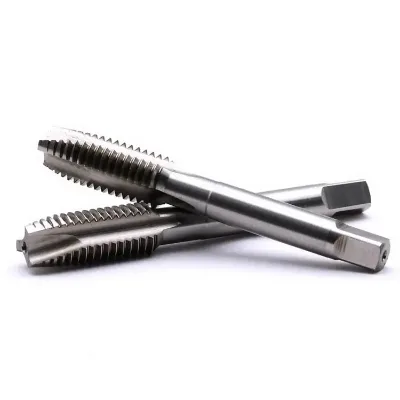
Compare 30 HSS Bright Finish Machine Taps from Jiangsu and Zhenjiang suppliers. These tools feature straight and spiral fluting, metric and inch standards, and are suitable for drilling machines and lathe operations with high accuracy.
Key considerations
Products List



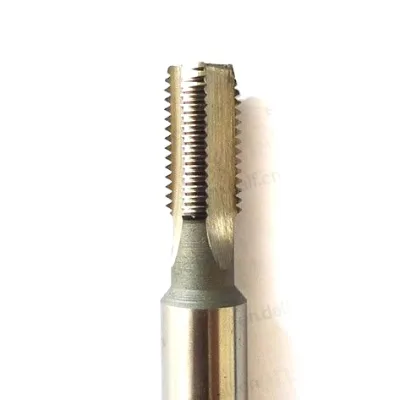
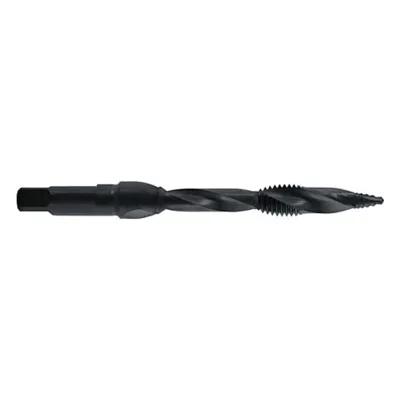
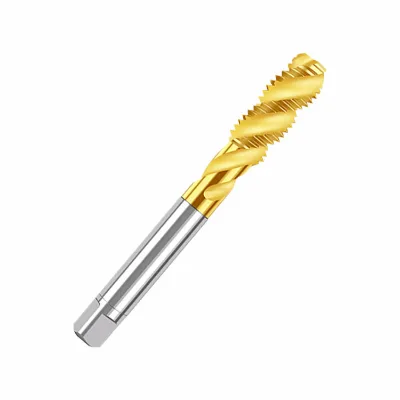
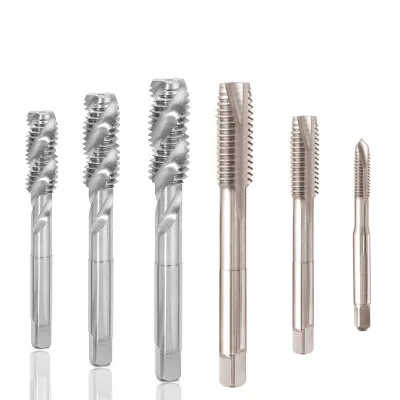



Comprehensive Sourcing Guide
Strategic Sourcing Guide for HSS Bright Finish Machine Taps
The procurement of High-Speed Steel (HSS) bright finish machine taps represents a critical decision point for manufacturing operations requiring precision threading in metal components. These tools are engineered to cut internal threads with high accuracy, utilizing specific material properties and finishing techniques to ensure longevity and performance. When sourcing these items, buyers must navigate a complex landscape of material grades, dimensional standards, and customization options. The following guide provides a disciplined framework for evaluating suppliers and selecting the right tools based on verified product attributes and industry best practices.
Technical Specifications and Material Composition
The foundation of a reliable machine tap lies in its material composition and physical specifications. The core keyword "HSS" refers to High-Speed Steel, a high-carbon alloy steel that retains hardness at elevated temperatures generated during high-speed cutting. In the observed product data, HSS is explicitly listed as a primary material attribute, confirming its prevalence in this category. Buyers should verify that the specific taps they intend to purchase are indeed manufactured from this alloy, as it directly correlates to the tool's ability to withstand the heat and friction of metal drilling and tapping operations.
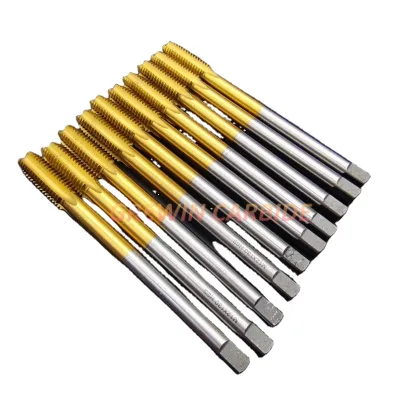
Beyond the base material, the finishing process is a defining characteristic. The term "bright finish" indicates a specific surface treatment that reduces friction and prevents material adhesion during the cutting process. This finishing method is distinct from coated variants, although some product listings suggest a variety of coating options such as Tin, TiCN, TiAlN, Aluminum, and AS are available in the broader market. For applications demanding a bright finish, the buyer must explicitly confirm that the surface treatment is a bright polish rather than a heavy coating, as the two serve different functional purposes. The bright finish is particularly advantageous for general-purpose tapping where a clean, smooth surface is required without the added thickness of a coating layer.
Dimensional accuracy is paramount. The product data indicates a wide range of standard compliance, including Metric, British, and American standards, as well as specific designations like AISI, JIS, and DIN. The observed specifications show that tap sizes can range from M1 to M120, with some listings noting a maximum size of up to 1-1/2 inches. Additionally, the length of the tap is a critical specification; "Jobber-length" is a standard configuration observed in the data, which offers a balance between reach and rigidity. Buyers must cross-reference their specific thread requirements against the available standard ranges, ensuring that the supplier can provide the exact pitch and diameter needed, whether it falls within the M1 to M12 range or extends to larger industrial sizes.
Compliance, Certification, and Standard Verification
In the B2B procurement of precision tools, adherence to international standards and quality certifications is non-negotiable. The supply chain for HSS taps is global, with origins noted in regions such as Jiangsu and Zhenjiang in China. While the specific manufacturing location is less critical than the quality control measures in place, the origin often influences the available certification portfolio. The data explicitly lists ISO 9001:2015 as a certification present in the market for these products. This standard ensures that the manufacturer has a robust quality management system in place, covering everything from raw material selection to final inspection.
When evaluating compliance, buyers must look beyond the mere presence of a certification label. The specific standards governing the taps must align with the buyer's operational requirements. The observed data highlights a mix of standards, including Metric, British, American, AISI, JIS, and DIN. It is crucial to verify that the "Standard" attribute of the product matches the specific system required for the application. For instance, a project requiring Metric threads must not accept taps certified only under American or British standards, as the thread profiles differ significantly.
Furthermore, the data mentions specific product models such as "311-7200" and "311-7100," alongside generic descriptions like "high speed steel taps." These model numbers often correspond to specific standard configurations or flute designs. Buyers should request detailed specification sheets that map these model numbers to their corresponding ISO or DIN standards. While some background information suggests standards like DIN 352 or ISO 529, these should be treated as reference points rather than guaranteed attributes unless explicitly confirmed by the supplier for the specific order. The verification process must include a check for the "Standard" attribute on the product listing to ensure it matches the buyer's engineering drawings.
Cost Drivers and Pricing Dynamics
Understanding the cost structure of HSS Bright Finish Machine Taps is essential for budgeting and supplier negotiation. The observed price range in the market spans from $0.10 to $50.00 USD. This wide variance is driven by several factors, including the size of the tap, the complexity of the thread, the quantity ordered, and the specific customization level. Smaller taps, such as those in the M1 to M3 range, naturally command lower prices, while larger taps approaching the 1-1/2 inch limit or those with specialized geometries will fall toward the higher end of the spectrum.
The Minimum Order Quantity (MOQ) is another significant cost driver. The observed MOQ range is between 1 and 5,000 units. For small-scale prototyping or maintenance needs, buyers can source single units or small batches, but this often results in a higher unit cost. Conversely, large-scale production runs can leverage economies of scale by ordering closer to the 5,000-unit threshold, significantly reducing the per-unit price. However, buyers must balance this with inventory holding costs and cash flow implications.
Customization is a primary factor influencing price. The data indicates that both "Customized" and "Non-Customized" options are available, with some suppliers offering OEM and ODM services. Customized taps, which may require specific lengths, unique thread pitches, or special packaging, invariably carry a premium over standard off-the-shelf items. The "prod_packing" attribute shows options ranging from "Plastic Box" to "Carton" or "According to Requirement." Custom packaging requirements can add to the overall cost. Additionally, the choice of finishing or coating, such as the observed Tin, TiCN, or TiAlN options, will impact the final price. Buyers should clearly define their requirements early in the sourcing process to avoid unexpected cost escalations due to last-minute specification changes.
Typical Applications and Operational Context
HSS Bright Finish Machine Taps are designed for a variety of industrial applications, primarily centered around metalworking. The product data identifies "Metal Drilling" and "Drilling Machine" as key usage scenarios. These tools are integral to the process of creating internal threads in metal components, which is a fundamental step in assembling machinery, automotive parts, and structural elements. The "Application for Machine Tool" attribute lists "Drilling" and "Lathe," indicating that these taps are compatible with a wide range of machine tools, from manual lathes to automated CNC drilling machines.
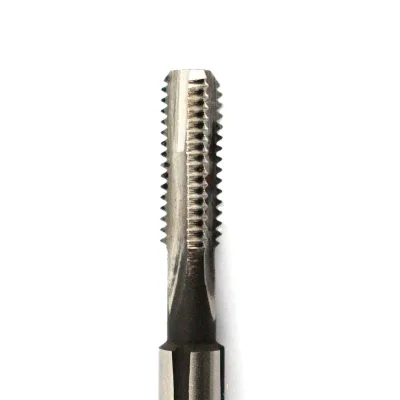
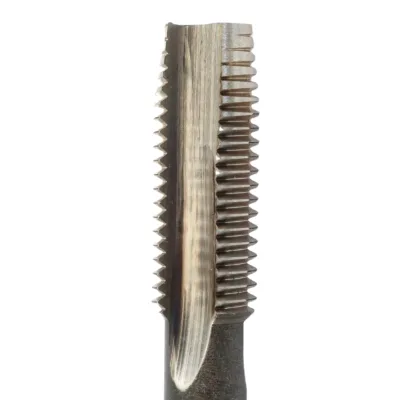
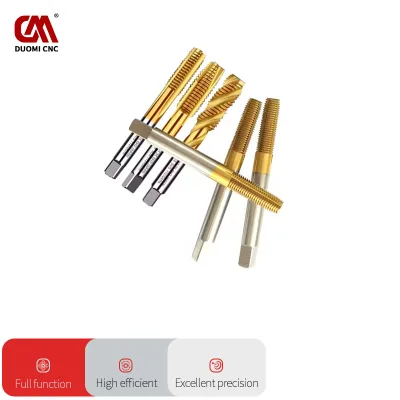
The versatility of these taps is further highlighted by the "Application" attribute, which includes "Motorize," "Manual," and "Motorize, Manual." This suggests that the tools are suitable for both manual operation by skilled machinists and automated processes in high-volume production environments. The "Type of Tap" is specified as "Straight Fluting Tap" and "Spiral Fluting Tap" in different listings, indicating that the flute geometry can be selected based on the specific material being tapped and the chip evacuation requirements of the operation. Spiral flutes, for instance, are often preferred for through-holes in softer materials, while straight flutes may be used for blind holes or harder materials.
The "Pieces" attribute, with a common listing of 20, suggests that these tools are often sold in sets or kits, which can be beneficial for workshops requiring a range of sizes. The "Head Type" is noted as "Metric and Imperial Head," reinforcing the need for buyers to ensure compatibility with their existing tooling and workpiece standards. Whether the application involves high-accuracy machine tapping or general manual assembly, the selection of the correct tap type and finish is critical to achieving the desired thread quality and tool life.
Supplier Evaluation and Quality Control
Selecting the right supplier is as important as selecting the right tool. The data indicates that suppliers in this category offer a range of attributes, including "Neutral" branding, which implies that the tools may be generic or private-label products. This is common in the HSS tap market, where many manufacturers produce tools for various distributors. Buyers should evaluate suppliers based on their ability to provide consistent quality, adherence to stated standards, and responsiveness to customization requests.
Quality control is a critical component of the procurement process. The presence of ISO 9001:2015 certification is a strong indicator of a supplier's commitment to quality management. However, buyers should go beyond the certificate and request evidence of in-process quality checks. This includes verifying the hardness of the HSS material, the accuracy of the thread form, and the consistency of the bright finish. The "Coating" and "Finishing" attributes suggest that surface treatments are a key differentiator; buyers should inspect samples to ensure the bright finish is uniform and free from defects that could affect performance.
The "Customized" attribute, ranging from "Customized" to "Non-Customized" and including "OEM, ODM" options, highlights the flexibility of the supply chain. Buyers should assess the supplier's capability to handle custom orders without compromising quality. This includes their ability to maintain tolerances on non-standard sizes and their proficiency in applying specific coatings or finishes. The "prod_origin" of Jiangsu and Zhenjiang suggests a concentration of manufacturing in these regions, which are known for their tool-making industries. Buyers should verify the specific factory's capabilities and reputation, rather than relying solely on the general region.
Long-Term Procurement Considerations
Sourcing HSS Bright Finish Machine Taps is not merely a transactional activity but a strategic decision that impacts long-term operational efficiency. The durability of the tool, determined by its material and finish, directly affects the frequency of replacement and the overall cost of production. While the initial price may be a deciding factor, the total cost of ownership (TCO) should be the primary metric. A higher-quality tap with a superior bright finish may cost more upfront but can last significantly longer, reducing downtime and material waste.
The "Standard" and "prod_model" attributes indicate that buyers should plan for standardization across their operations. By selecting taps that adhere to widely accepted standards like Metric, British, or American, buyers can simplify their inventory management and reduce the risk of errors. The availability of "Metric and Inch" models suggests that buyers with diverse product lines need to carefully manage their stock to ensure the correct tool is available for each job.
Furthermore, the "Application" for "Machine Tapping with High Accuracy" underscores the importance of tool reliability in precision manufacturing. Any deviation in thread quality can lead to costly rework or product failure. Therefore, buyers should establish long-term relationships with suppliers who demonstrate a consistent track record of quality and reliability. The ability of the supplier to provide technical support, such as guidance on optimal cutting speeds and feeds for different materials, adds significant value to the procurement relationship.
In conclusion, the procurement of HSS Bright Finish Machine Taps requires a meticulous approach that balances technical specifications, compliance, cost, and supplier reliability. By leveraging the observed data on materials, standards, and applications, buyers can make informed decisions that enhance their manufacturing capabilities. The wide range of available options, from standard sizes to customized solutions, offers flexibility, but it also demands a disciplined evaluation process to ensure that the selected tools meet the rigorous demands of modern metalworking.
FAQs
What material is used for HSS Bright Finish Machine Taps?
These taps are primarily manufactured from High-speed Steel to ensure hardness during cutting. Some listings also specify Alloy Tool Steel as an alternative material for specific applications requiring different wear resistance properties.
Which standards do these taps comply with?
The taps comply with Metric, British, and American standards including AISI, JIS, and DIN. Specific product models may also adhere to M1 to M120 size ranges depending on the manufacturer's configuration.
Can I find customized HSS Bright Finish Machine Taps?
Yes, both customized and non-customized options are available in the market. Suppliers offer OEM and ODM services allowing buyers to specify unique sizes, coatings, or packaging requirements like plastic boxes or cartons.
What certifications do manufacturers of these taps hold?
Manufacturers often hold ISO 9001:2015 certification to demonstrate quality management system compliance. This ensures consistent production standards for the high-speed steel tools used in metal drilling and tapping operations.
How large can the HSS Bright Finish Machine Taps be?
The maximum size observed for these taps is up to 1-1/2 inches. Standard metric sizes range from M1 to M120, providing flexibility for various industrial threading applications.
What is the typical minimum order quantity for these taps?
The minimum order quantity ranges from 1 unit to 5000 units depending on the supplier. Smaller orders suit prototyping while larger batches leverage economies of scale for production runs.
Where are these taps typically manufactured?
These tools are commonly produced in Jiangsu and Zhenjiang regions in China. The origin influences the available supply chain and potential lead times for international procurement.