Source Manual Table-Type Perfume Crimping Machine for Cosmetics, Dairy, and Drinks
Compare 30 manual table type perfume crimping machines suitable for cosmetics, dairy products, and drinks. These units feature pneumatic lifting, rotary structures, and sealing capabilities for various bottle types with high precision.
Key considerations
Products List


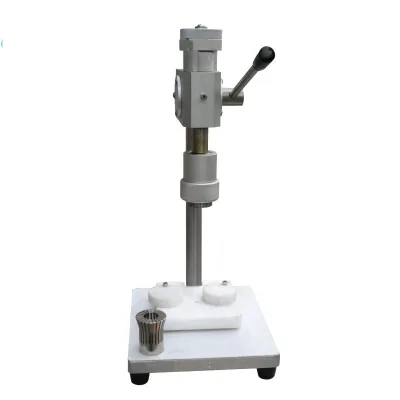
Perfume Neckline Capping Machine Manual Perfume Bottle Crimping Machine
$190.00 - $200.00
MOQ: 1 Pieces

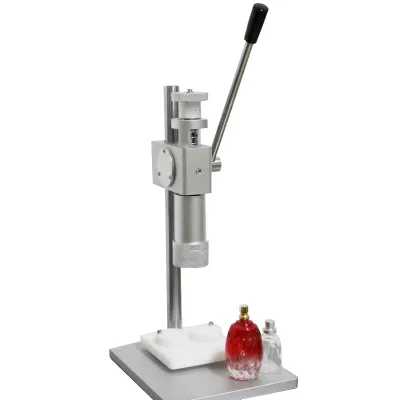
Manual Perfume Bottle Sealing Crimping Crimper Capper Press Capping Machine
$190.00 - $200.00
MOQ: 1 Pieces


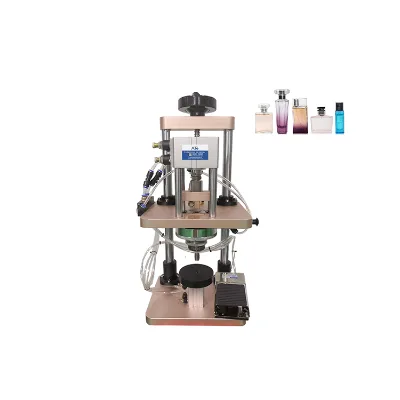
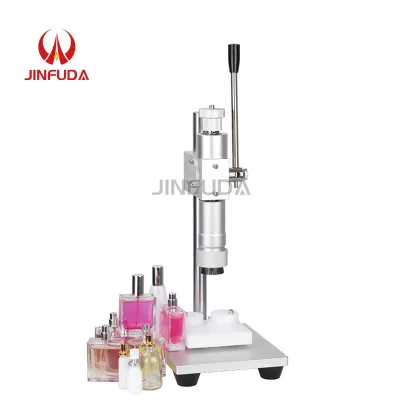

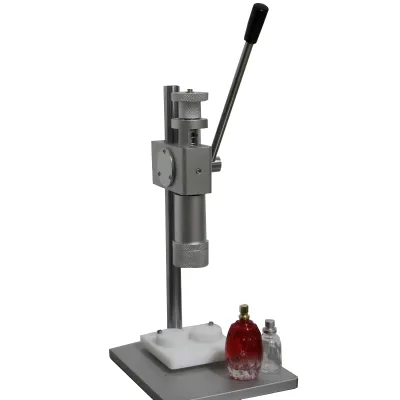
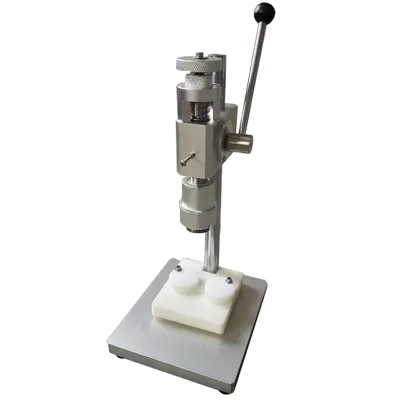
Manual Perfume Crimper Capping Machine Crimping Machine for Perfume Bottle
$230.00 - $260.00
MOQ: 1 Pieces


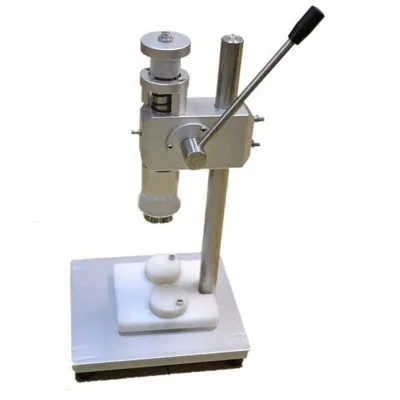
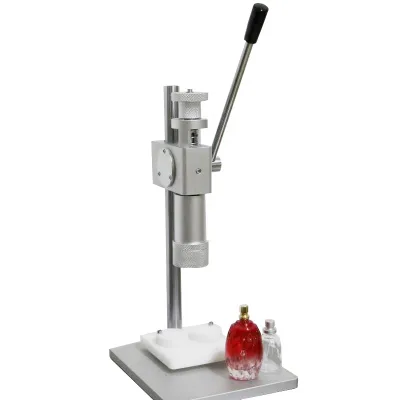
Comprehensive Sourcing Guide
Strategic Sourcing Guide for Manual Table Type Perfume Crimping Machines
Understanding the Operational Scope and Mechanical Architecture
When sourcing a Manual Table-Type Perfume Crimping Machine, buyers must first distinguish between fully automated production lines and the specific utility of manual units designed for small-batch operations, prototyping, or specialized packaging tasks. The core keyword implies a device that relies on human intervention for the actuation of the capping or sealing process, rather than an automated conveyor system. Based on observed market data, these units are frequently categorized under manual driven types, where the operator physically engages the mechanism to secure the cap onto the container.
The mechanical architecture of these machines often centers on a robust working head designed to apply consistent pressure to the bottle cap. In the context of manual operations, the "working head" is a critical core component that determines the quality of the seal. The machine structure is typically compact, designed to sit on a standard workbench or table. Unlike rotary filling machines that utilize a rotor and pressure filling principles for high-volume liquid dispensing, manual crimping machines focus on the final sealing stage. The application scope is broad, covering dairy products, skin care products, cosmetics, and drinks, indicating that the machine must handle a variety of bottle geometries and cap types.
Buyers should verify the specific mould size compatibility before purchase. Market observations indicate that compatible mould sizes for such units often range from 13mm to 22mm, covering standard diameters for perfume and cosmetic bottles. This includes specific sizes such as 13mm, 15mm, 17mm, 18.5mm, 20mm, and 22mm. The ability to switch or adjust these moulds is essential for facilities that handle diverse product lines. Furthermore, the machine's material composition is a primary indicator of durability and hygiene. Stainless steel grades, specifically SUS 304 and SUS 316L, are standard for food and cosmetic contact surfaces, ensuring resistance to corrosion from chemical ingredients found in perfumes and lotions.
Technical Specifications and Performance Parameters
Evaluating the technical specifications of a manual crimping machine requires a focus on operational capacity, physical dimensions, and material compatibility. While automated systems boast high working capacities measured in hundreds of units per minute, manual units operate at a significantly lower rate. Observed data suggests a working capacity range of 5 to 30 times per minute for manual operations. This throughput is suitable for small-scale production runs, quality control testing, or custom orders where speed is secondary to precision and flexibility.
The physical footprint and weight of the machine are critical for facility planning. A typical unit in this category may weigh approximately 7.2kg, making it portable enough to be moved between stations but heavy enough to remain stable during the crimping action. The dimensions of the machine, including the standard export packing size, are often around 17cm in width, 47cm in length, and 38cm in height. These dimensions ensure the unit fits within standard laboratory or small workshop environments without requiring extensive floor space.
Voltage requirements are another technical specification that must be verified against local infrastructure. While some automated filling machines operate on 220V/380V systems, manual crimping machines may have simpler electrical requirements or rely on pneumatic assistance if they are semi-automatic. However, strictly manual units often function without complex electrical inputs, relying solely on mechanical force. The material of the machine body is typically a combination of steel and aluminum, providing a balance between strength and weight. The color of the unit is often a natural color, reflecting the raw metal finish, which is common for industrial-grade equipment.
The packaging material compatibility is also a key technical consideration. The machine must be capable of sealing flexible containers, ensuring a tight seal that prevents leakage and maintains product integrity. This is particularly important for liquid products like perfumes and chemical solutions. The sealing mechanism must accommodate various bottle types, including those made of plastic or glass, as the machine's application is often described as suitable for a variety of perfume bottle types.
Compliance, Certification, and Safety Standards
In the B2B procurement of packaging machinery, compliance with international safety and quality standards is non-negotiable. Buyers must verify that the equipment meets relevant certification requirements for the regions in which it will be operated. The CE certification is a widely recognized standard in the European market, indicating that the machine conforms to health, safety, and environmental protection standards. While the presence of CE certification is a positive indicator, buyers should request valid certification documents rather than relying on marketing claims.
Safety standards also extend to the materials used in the machine's construction. The use of SUS 304 and SUS 316L stainless steel is not merely a material choice but a compliance measure for industries like cosmetics and food processing, where hygiene is paramount. These materials resist corrosion and do not contaminate the product, which is essential for maintaining product safety and meeting regulatory requirements.
Additionally, buyers should check for any specific industry standards related to the machine's operation. For instance, the standard operating range for the machine's capacity might be defined by specific industry norms, such as the 5-250ml range for liquid handling, although this is more relevant to filling machines than crimping machines. For crimping machines, the focus should be on the mechanical safety of the working head and the stability of the unit during operation. The "Standard Export Wooden Packing" or "Carton" packaging ensures that the machine arrives in good condition, but the internal safety mechanisms must be verified upon installation.
Cost Drivers and Pricing Variables
The pricing of manual table type perfume crimping machines is influenced by several factors, including material quality, build complexity, and brand positioning. Observed price ranges in the market can vary significantly, from as low as $6.50 to as high as $10,000. This wide range reflects the diversity in machine quality, from basic manual tools to more sophisticated semi-automatic units with enhanced features.
The primary cost driver is the material composition. Machines constructed entirely from high-grade stainless steel (SUS 304/SUS 316L) will command a higher price than those using mixed materials like steel and aluminum. The precision of the working head and the durability of the moulds also contribute to the cost. High-precision moulds that ensure a consistent seal across different bottle types are more expensive to manufacture.
Another significant cost factor is the level of customization available. While many manual machines are standard products, some suppliers offer customization options for specific bottle shapes or cap types. Customization often involves additional engineering and tooling costs, which can increase the final price. The "Good Price, High Quality" marketing claim suggests that some suppliers aim to offer competitive pricing without compromising on build quality, but buyers should verify this through independent testing or reference checks.
The Minimum Order Quantity (MOQ) is another variable that affects the total cost of procurement. Observed MOQ ranges for such equipment can be as low as 1 unit, making it accessible for small businesses, or up to 5 units for bulk purchasing. Buying in larger quantities may result in volume discounts, but the low MOQ flexibility allows buyers to test the equipment before committing to larger orders.
Typical Applications and Industry Suitability
Manual table type perfume crimping machines are versatile tools used across various industries, including cosmetics, pharmaceuticals, food and beverage, and chemical processing. The primary application is the sealing of bottles containing liquid products such as perfumes, lotions, shampoos, and dairy products. The machine's ability to handle a variety of bottle types makes it suitable for companies that produce multiple product lines or frequently change packaging formats.
In the cosmetics industry, these machines are essential for sealing bottles of skin care products, hair care products, and perfumes. The precision of the crimping action ensures that the product remains fresh and protected from contamination. In the pharmaceutical sector, the machine's ability to provide a secure seal is critical for maintaining the integrity of medicinal liquids. The food and beverage industry also utilizes these machines for sealing bottles of dairy products and drinks, where hygiene and leak prevention are paramount.
The machine's suitability for a variety of perfume bottle types is a key feature that expands its application scope. Whether the bottles are made of plastic, glass, or other materials, the machine must be able to adapt to the specific cap and bottle geometry. This flexibility is particularly valuable for small to medium-sized enterprises that require a single machine to handle diverse packaging needs.
Supplier Evaluation and Quality Assurance
Selecting the right supplier for a manual crimping machine requires a thorough evaluation of their capabilities, reputation, and after-sales support. Buyers should prioritize suppliers who provide engineers available for service, as this ensures that any technical issues can be resolved promptly. The availability of after-sales service is a critical factor in maintaining production continuity and minimizing downtime.
When evaluating suppliers, buyers should request detailed product specifications, including the model number, material composition, and certification status. The model number, such as FXS or WJXGBZD-01, can help identify the specific product line and its features. Buyers should also verify the supplier's origin, as manufacturers from regions like Yangzhou City or Guangzhou may have different quality standards and production capabilities.
Quality assurance should be a central part of the procurement process. Buyers should inspect the machine's build quality, focusing on the stability of the working head, the precision of the moulds, and the durability of the materials. Testing the machine with actual product samples is essential to verify its performance and ensure it meets the required sealing standards. The "Easy to Operate" feature is a key selling point, but buyers should confirm that the machine is indeed user-friendly and requires minimal training to operate effectively.
Long-Term Procurement and Maintenance Considerations
Long-term procurement of manual crimping machines involves considerations beyond the initial purchase price. Buyers should evaluate the availability of spare parts, the ease of maintenance, and the overall lifecycle cost of the equipment. The use of high-quality materials like stainless steel ensures that the machine will have a long service life, but regular maintenance is necessary to keep it in optimal condition.
The packaging of the machine, whether in standard export wooden crates or cartons, can impact its longevity during shipping and storage. Proper packaging ensures that the machine arrives without damage, but buyers should also consider the storage conditions in their facility to prevent corrosion or wear.
Finally, buyers should consider the scalability of their operations. While manual machines are ideal for small batches, they may not be suitable for high-volume production. As the business grows, buyers may need to transition to automated filling and sealing systems. However, for the initial stages of production or for specialized products, manual crimping machines offer a cost-effective and flexible solution. The "Marketing Type: Ordinary Product" designation suggests that these machines are widely available, but buyers should still conduct due diligence to ensure they are selecting a high-quality unit that meets their specific needs.
FAQs
What is the working capacity of a Manual Table-Type Perfume Crimping Machine?
The working capacity typically ranges from 5 to 30 times per minute. This throughput is suitable for small-scale production runs, quality control testing, or custom orders where speed is secondary to precision and flexibility.
Which mould sizes are compatible with these manual crimping machines?
Compatible mould sizes often range from 13mm to 22mm, covering standard diameters for perfume and cosmetic bottles. Specific sizes include 13mm, 15mm, 17mm, 18.5mm, 20mm, and 22mm to accommodate diverse bottle geometries.
Can these machines handle various bottle types and materials?
Yes, the machine is suitable for a variety of perfume bottle types made of plastic or glass. It is designed to seal flexible containers and handle applications in dairy, skin care, cosmetics, and drinks.
What certifications are available for manual crimping machines?
CE certification is a widely recognized standard indicating compliance with health, safety, and environmental protection standards. Buyers should request valid certification documents rather than relying solely on marketing claims.
How is the machine constructed to ensure durability and hygiene?
The machine body typically combines steel and aluminum, while contact surfaces use SUS 304 and SUS 316L stainless steel. These materials resist corrosion and prevent product contamination, which is essential for cosmetics and food processing.
What is the typical weight and size of a manual crimping unit?
A typical unit weighs approximately 7.2kg and features dimensions around 17cm by 47cm by 38cm. This compact design ensures the unit fits within standard laboratory or small workshop environments without requiring extensive floor space.
Are customization options available for specific bottle shapes?
Customization is available for specific bottle shapes or cap types, though this may involve additional engineering and tooling costs. Buyers should verify customization capabilities with suppliers to ensure the machine meets unique packaging needs.